

Pheidole upeneci
- Scientific Name
- Pheidole upeneci
- Tribe
- Attini
- Subfamily
- Myrmicinae
- Author
- Forel, 1913
- Distribution
- Found in 2 countries
Pheidole upeneci Overview
Pheidole upeneci is an ant species of the genus Pheidole. It is primarily documented in 2 countries , including Brunei Darussalam, Indonesia. Detailed taxonomic data and occurrence records can be further explored via authoritative databases such as AntWeb or the Global Biodiversity Information Facility (GBIF).
Pheidole upeneci
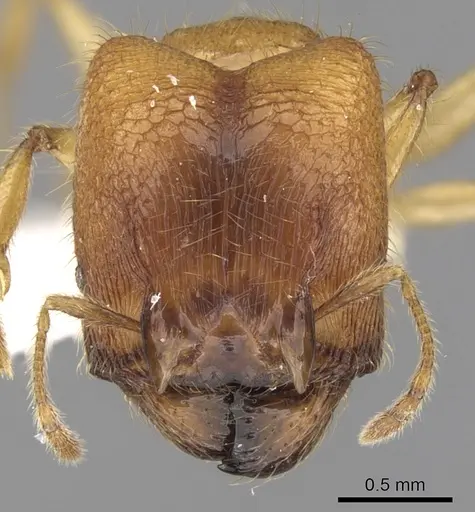
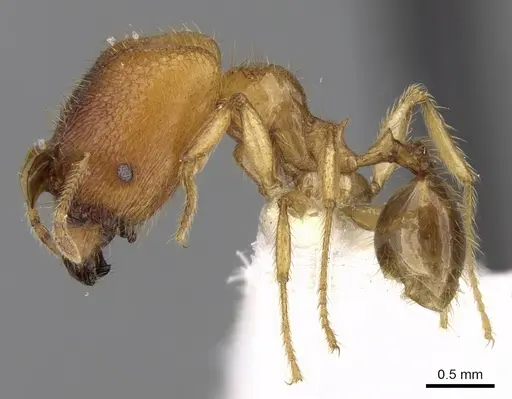
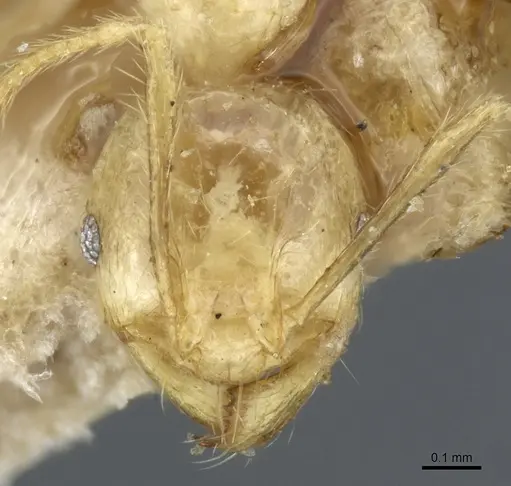
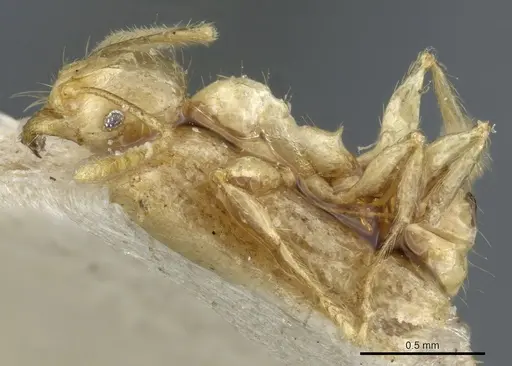
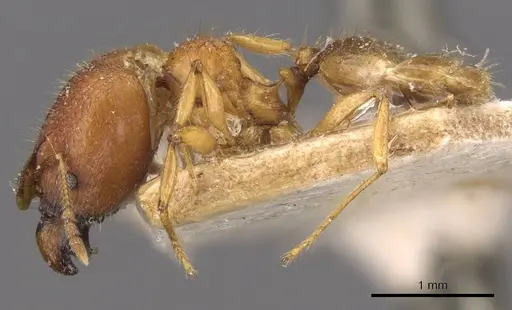
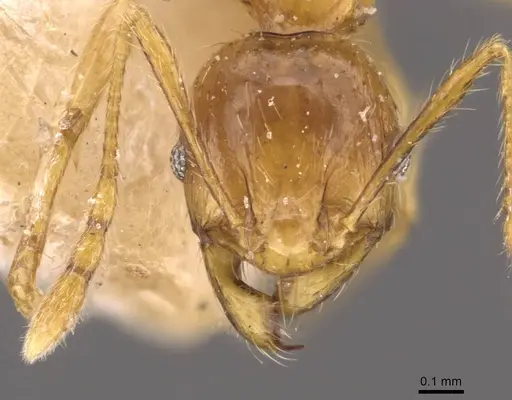
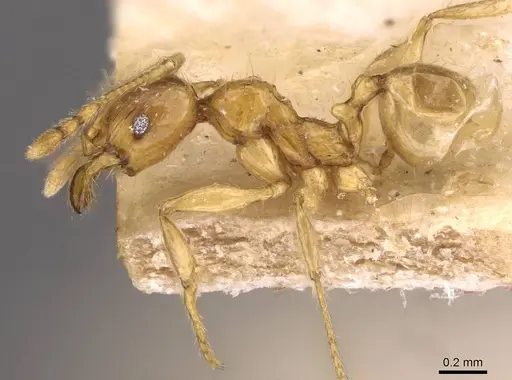
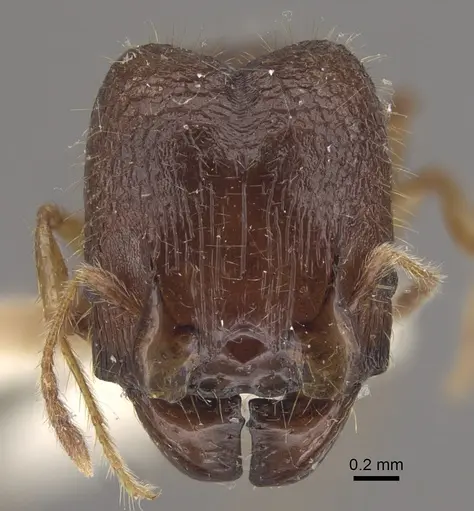
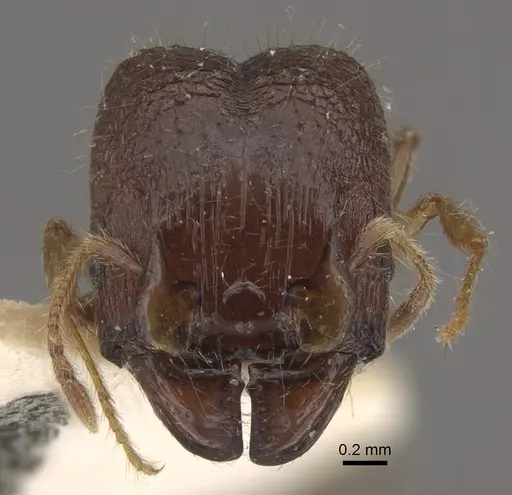
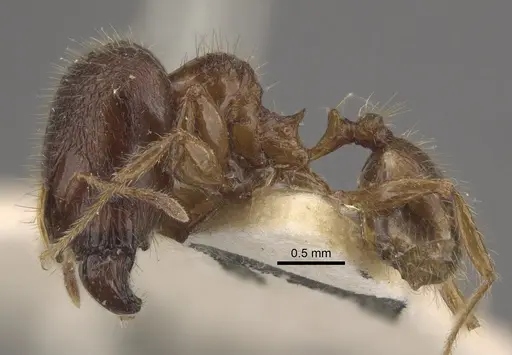
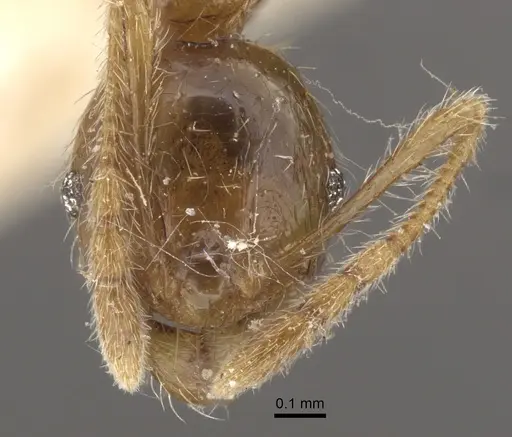
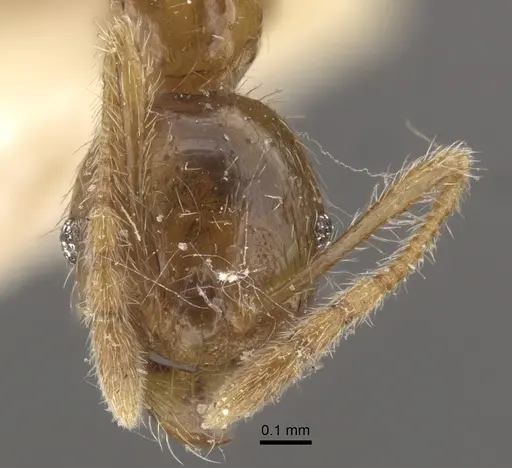
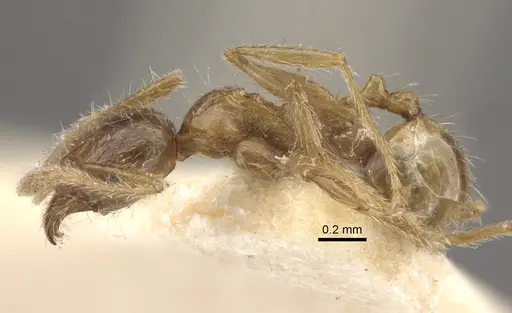
Pheidole upeneci is a small dimorphic ant species native to Southeast Asia, found in Borneo, Java, and Malaysia. This species belongs to the Pheidole genus, commonly known as big-headed ants due to the dramatically enlarged heads of their major workers. Major workers measure 2.9-3.3mm with dark brown coloration, while minor workers are smaller at 1.8-1.9mm with lighter brown coloring. The species inhabits well-developed hill forests at higher elevations, with type specimens collected from Java at around 4500 feet elevation [1].
This species is part of the P. smythiesii clade (SMY), a group of related Pheidole species studied through genetic analysis [2]. Like other Pheidole species, they have distinct major and minor worker castes, with majors serving as soldiers and food processors. The genus is known for its seed-harvesting behavior and omnivorous diet, though specific dietary preferences for P. upeneci have not been documented.
Quick Summary
- Difficulty: Unknown
- Origin & Habitat: Southeast Asia, specifically Borneo, Indonesia (Java), and Malaysia. Inhabits well-developed hill forests at higher elevations [1].
- Colony Type: Likely single-queen colonies (monogyne), following typical Pheidole patterns. Colony structure has not been specifically documented for this species.
- Colony: Monogyne
- Founding: Claustral
- Size & Growth:
- Queen: Not documented for this species, other Pheidole queens are typically 5-8mm
- Worker: Major: 2.9-3.3mm, Minor: 1.8-1.9mm [1]
- Colony: Unknown, typical Pheidole colonies reach hundreds to a few thousand workers
- Growth: Unknown
- Development: Unconfirmed, typical Pheidole development takes 6-10 weeks at warm temperatures (No specific development data exists for this species. Estimates based on genus-level patterns for tropical Pheidole.)
- Antkeeping:
- Temperature: Unconfirmed, as a tropical species from hill forests, likely prefers warm conditions around 24-28°C. Start in the mid-20s and observe colony activity.
- Humidity: Unconfirmed, hill forest habitat suggests moderate to high humidity needs (60-80%). Keep substrate consistently moist but not waterlogged.
- Diapause: Unlikely, tropical species from elevations around 4500 feet in Java do not experience true hibernation. Keep warm year-round.
- Nesting: Natural nesting in rotting wood or soil in forest floor habitats. In captivity, standard test tubes work well for founding colonies. As they grow, a Y-tong or plaster nest with small chambers scaled to their tiny size would be appropriate.
- Behavior: Typical Pheidole behavior, major workers have enlarged heads for seed processing and colony defense. They are likely omnivorous, accepting seeds, insects, and honeydew. Minor workers are more numerous and handle most foraging and brood care. Escape prevention is important due to their small size, use fine mesh and tight-fitting barriers. Aggression level is low to moderate, they are not particularly defensive but will bite if threatened.
- Common Issues: small size means escape prevention must be excellent, they can slip through tiny gaps, no specific care data exists, keepers must adapt from related species, tropical requirements mean they need consistent warmth year-round, wild-caught colonies may have parasites or disease, slow growth compared to faster-developing ant species
Nest Preferences and Housing
In the wild, Pheidole upeneci nests in rotting wood and soil in hill forest environments. For captive care, start colonies in standard test tube setups with a water reservoir. The small size of both major and minor workers (under 3.5mm) means they need appropriately scaled housing, avoid large, open spaces. Once the colony reaches 20-30 workers, you can transition to a small formicarium like a Y-tong nest or plaster setup with narrow chambers. Ensure the nest has some moisture retention since they come from humid forest habitats. A small outworld for foraging completes the setup. [1]
Feeding and Diet
Pheidole species are typically omnivorous, feeding on seeds, small insects, and honeydew. For this species, offer a varied diet including small live prey (fruit flies, pinhead crickets, mealworms), seeds appropriate to their tiny size, and sugar sources like honey water or sugar water. Protein-rich foods are essential for brood development. Feed small amounts every 2-3 days and remove uneaten food to prevent mold. Since minor workers are only 1.8mm, prey items should be appropriately sized, very small insects are more appropriate than large ones.
Temperature and Seasonal Care
As a tropical species from hill forests in Borneo and Java, this ant requires warm conditions year-round. Aim for temperatures in the mid-20s Celsius (around 24-28°C). Avoid temperatures below 20°C for extended periods. Unlike temperate species, they do not require hibernation or diapause. A heating cable on one side of the nest can help maintain appropriate temperatures, but ensure there's a temperature gradient so ants can move to cooler areas if needed. Room temperature within the 24-28°C range is acceptable without additional heating in most homes. [1]
Behavior and Colony Structure
Pheidole upeneci has distinct major and minor worker castes. Minor workers (1.8-1.9mm) handle most daily tasks including foraging, brood care, and nest maintenance. Major workers (2.9-3.3mm) have enlarged heads and are specialized for seed processing and colony defense. The colony will produce more majors as it grows. They are not particularly aggressive but will defend the nest if threatened. Foraging occurs primarily at night or in dim conditions. Their small size makes them quick colonizers of new areas but also excellent escape artists, use fluon on container rims and fine mesh on any ventilation. [1]
Frequently Asked Questions
How long does it take for Pheidole upeneci to produce first workers?
The exact development timeline is unconfirmed for this species. Based on typical Pheidole genus patterns, expect 6-10 weeks from egg to first worker at optimal warm temperatures (around 25-27°C). Factors like temperature, feeding, and queen health can affect development speed.
What do Pheidole upeneci ants eat?
They are omnivorous like other Pheidole species. Offer small live insects (fruit flies, tiny crickets), small seeds, and sugar water or honey. Protein is important for brood development. Feed every 2-3 days and remove uneaten food promptly.
Can I keep multiple Pheidole upeneci queens together?
This has not been documented for the species. Based on typical Pheidole behavior, they are likely single-queen colonies (monogyne). It is not recommended to combine unrelated foundress queens as they would likely fight.
What size colony does Pheidole upeneci reach?
Colony size is not documented for this specific species. Based on typical Pheidole patterns, colonies likely reach several hundred to a few thousand workers over several years.
What temperature should I keep Pheidole upeneci at?
As a tropical species from Southeast Asian hill forests, keep them warm at 24-28°C. Avoid temperatures below 20°C. Room temperature in the mid-20s is ideal. A gentle heat gradient allows ants to regulate their own temperature.
Are Pheidole upeneci good for beginners?
Difficulty level is unknown due to limited specific data on this species. They are small and require careful attention to escape prevention. The lack of documented care information means keepers may need to adapt from related species. Those with some antkeeping experience will have better success.
When should I move Pheidole upeneci to a formicarium?
Keep them in a test tube setup for the founding stage. Once the colony reaches 20-30 workers and the test tube water reservoir needs frequent refilling, consider moving to a small formicarium like a Y-tong nest or plaster setup with appropriately sized chambers.
Do Pheidole upeneci need hibernation?
No, as a tropical species from Java and Borneo, they do not experience cold winters and do not require hibernation. Keep them warm year-round at 24-28°C.
Why are my Pheidole upeneci dying?
Common causes include: temperatures too cold (below 20°C), low humidity causing desiccation, escape through tiny gaps due to their small size, mold from overfeeding or poor ventilation, or parasites from wild-caught colonies. Ensure proper temperature, humidity, and escape prevention.
References

This caresheet is licensed under CC BY-SA 4.0 .
CASENT0281684
View on AntWeb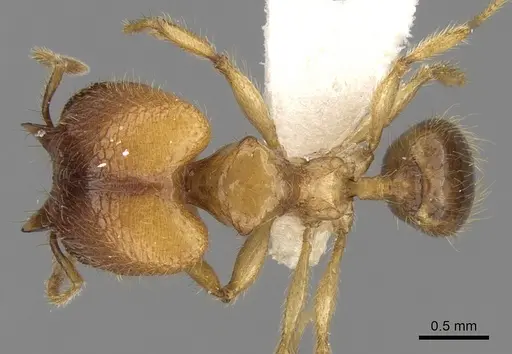
CASENT0904261
View on AntWeb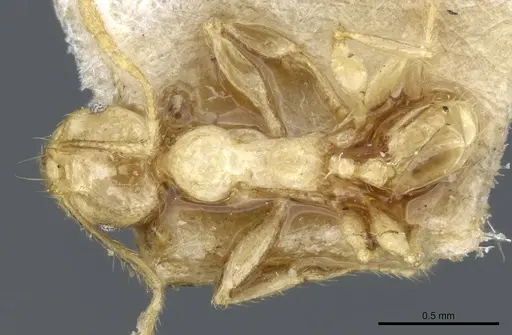
CASENT0907773
View on AntWeb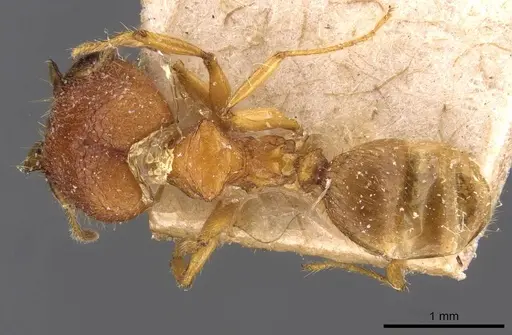
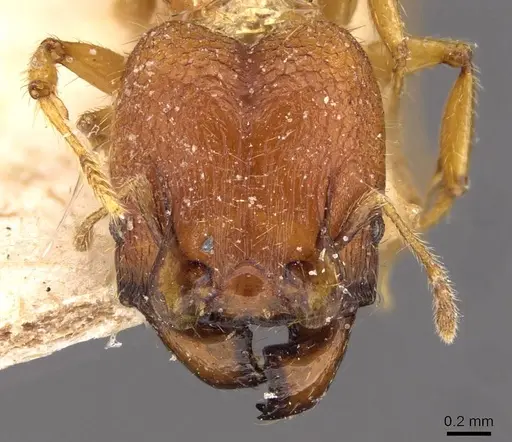
CASENT0907774
View on AntWeb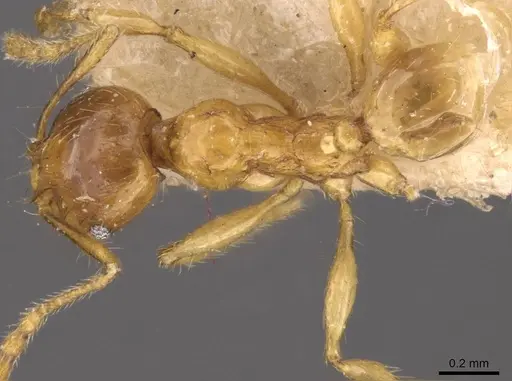
CASENT0917794
View on AntWeb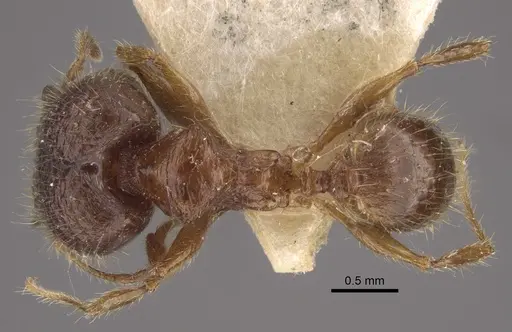
CASENT0917795
View on AntWeb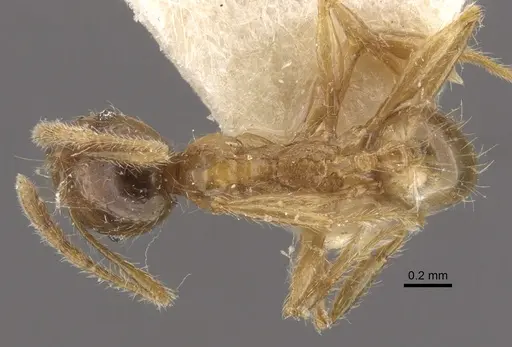
Literature
Loading...Loading products...