

Pheidole umphreyi
- Scientific Name
- Pheidole umphreyi
- Tribe
- Attini
- Subfamily
- Myrmicinae
- Author
- Wilson, 2003
- Distribution
- Found in 3 countries
Pheidole umphreyi Overview
Pheidole umphreyi is an ant species of the genus Pheidole. It is primarily documented in 3 countries , including Colombia, Costa Rica, Panama. Detailed taxonomic data and occurrence records can be further explored via authoritative databases such as AntWeb or the Global Biodiversity Information Facility (GBIF).
Pheidole umphreyi
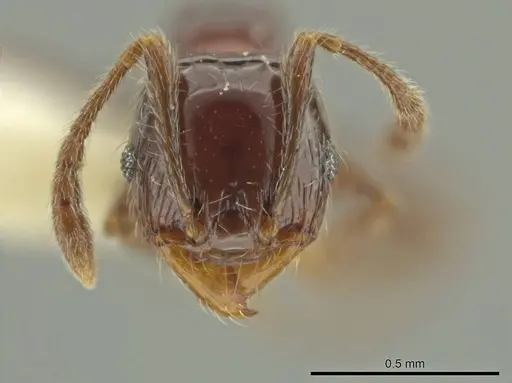
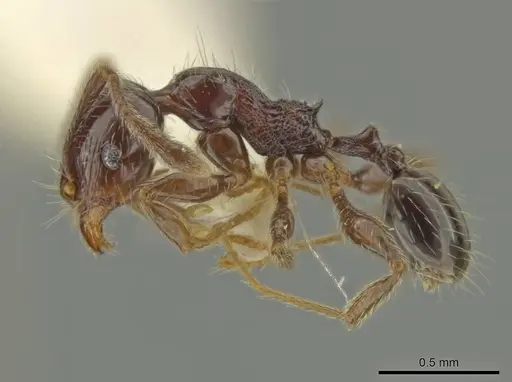
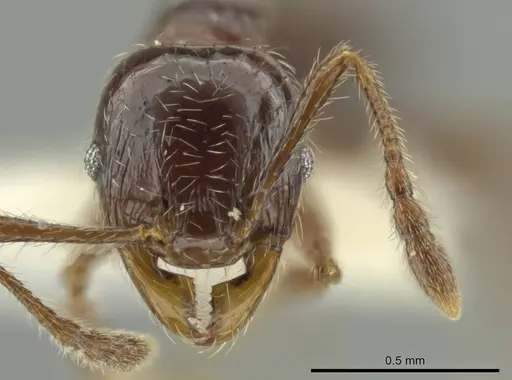
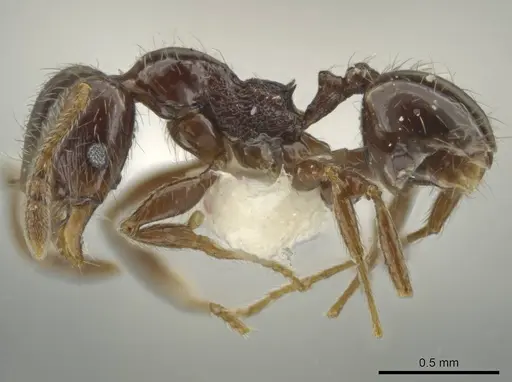
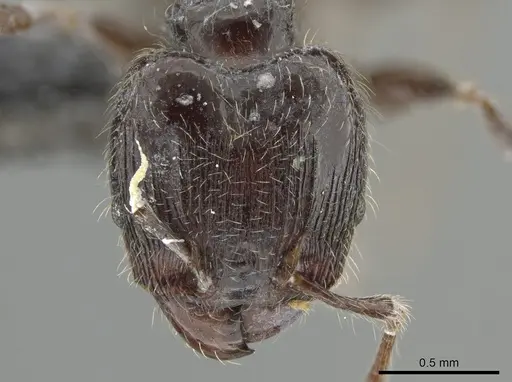
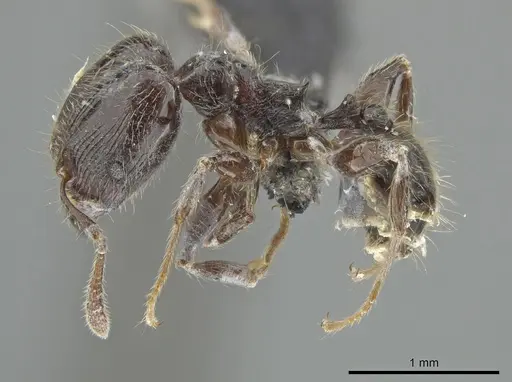
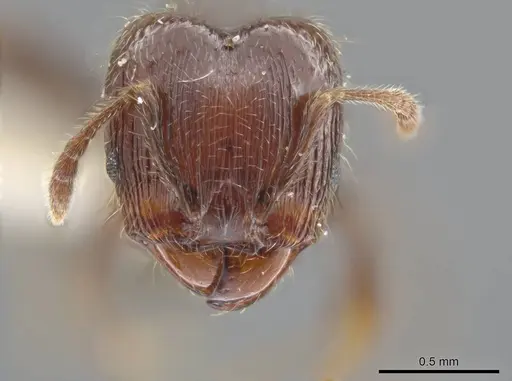
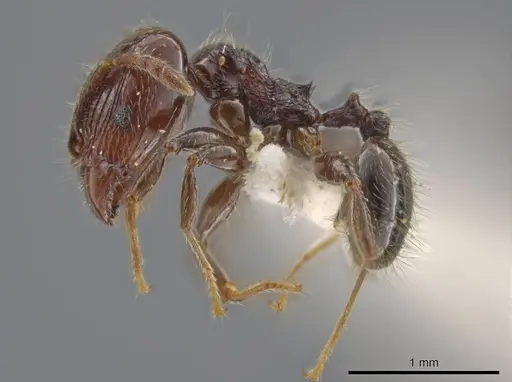
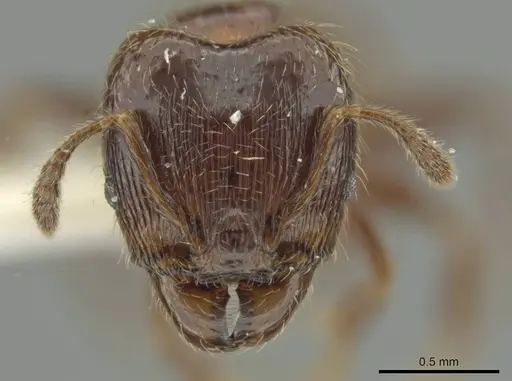
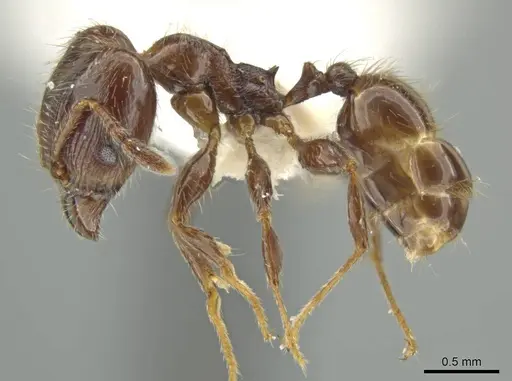
Pheidole umphreyi is a small Neotropical ant species native to Costa Rica and Panama, recently discovered also in Colombia. The species was described in 2003 by Edward O. Wilson and named after its collector, field biologist Gary J. Umphrey. Major workers reach about 1.08mm head width and feature a distinctive bicolored head, a brownish yellow strip runs across the anterior portion of the head capsule, contrasting with the darker brown remaining head. Minor workers are smaller at around 0.56mm head width and also show bicolored heads. The species was first discovered nesting under bark and within rotting wood of a large log in a coffee plantation in Panama, with winged queens present during collection in June. This species belongs to the Pheidole genus, known for having two distinct worker castes, majors (soldiers) and minors (workers).
Quick Summary
- Difficulty: Unknown, no captive husbandry data available
- Origin & Habitat: Neotropical region: Costa Rica, Panama, and recently documented in Colombia. Found in coffee plantations and tropical forest habitats, nesting under bark and in rotting wood[1].
- Colony Type: Colony structure is unconfirmed. Pheidole species are typically monogyne (single queen) but some can be polygyne. Further research needed.
- Size & Growth:
- Queen: Unconfirmed, likely around 5-7mm based on genus patterns
- Worker: Major workers: 1.08mm HW. Minor workers: 0.56mm HW.
- Colony: Unknown, typical Pheidole colonies reach hundreds to low thousands of workers
- Growth: Unknown, estimated moderate based on genus patterns
- Development: Unconfirmed, estimated 6-10 weeks based on typical Pheidole development (Development time is estimated from related species in the genus. Pheidole species typically have relatively rapid development compared to larger ants.)
- Antkeeping:
- Temperature: Based on its Neotropical origin (Costa Rica, Panama), this species likely prefers warm conditions around 24-28°C. Provide a temperature gradient allowing ants to self-regulate.
- Humidity: Based on natural nesting in rotting wood and coffee plantation habitat, this species likely requires moderate to high humidity (60-80%). Keep nest substrate moist but not waterlogged.
- Diapause: Unlikely, as a Neotropical species from lowland tropical areas, they probably do not require a diapause period. Year-round activity is expected.
- Nesting: In nature, they nest under bark and in rotting wood. In captivity, they likely would do well in wood-based or plaster nests that retain moisture. Y-tong (AAC) nests or naturalistic setups with rotting wood pieces would mimic their natural conditions. Avoid completely dry setups.
- Behavior: Pheidole species are known for their polymorphic worker caste, major workers (soldiers) defend the colony and process hard food, while minor workers handle most tasks including foraging and brood care. This species is likely not aggressive toward keepers due to its small size. Escape risk is moderate, use standard mesh barriers. They likely forage for seeds, small insects, and tend honeydew-producing insects.
- Common Issues: No captive husbandry data exists, this is an essentially unknown species in the antkeeping hobby, Small colony size at founding makes colonies vulnerable to stress, Rotting wood nesting preference means they need humid, wood-based housing which can mold if ventilation is poor, Wild-caught colonies may carry parasites or diseases that can cause captive failures, Lack of species-specific care information means keepers must rely on general Pheidole husbandry
Nest Preferences
In the wild, Pheidole umphreyi was discovered nesting under bark and within the still-firm rotting wood of a large log in a coffee plantation in Panama. This indicates a preference for humid, wood-based nesting sites. For captive care, provide a nest that mimics these conditions, either a naturalistic setup with pieces of rotting wood, a Y-tong (AAC) formicarium with moisture-retaining substrate, or a plaster nest kept consistently humid. The nest should have chambers scaled to their small size. Avoid completely dry setups as this species likely depends on moisture for brood development. Some ventilation is necessary to prevent mold, but excessive airflow will dry out the nest. [1]
Feeding and Diet
While specific feeding data for P. umphreyi does not exist, Pheidole species are generalist omnivores. They typically consume small insects (dead or alive), seeds, and honeydew from aphids and scale insects. In captivity, offer a varied diet including small live prey like fruit flies or pinhead crickets, protein sources such as mealworms or commercial ant protein gels, and sugar sources like honey water or sugar water. Minor workers will handle most foraging and food processing, while major workers (soldiers) can help break down larger food items. Feed protein 2-3 times per week and provide constant access to sugar water. Remove uneaten prey after 24-48 hours to prevent mold.
Temperature and Care
As a Neotropical species from Costa Rica and Panama, this ant requires warm temperatures. Aim for 24-28°C in the nest area, with a slight gradient allowing workers to move between warmer and cooler zones. Room temperature may be sufficient if your home stays in this range. If needed, use a heating cable on one side of the nest, place it on top of the nest rather than underneath to avoid excessive drying. Do not provide hibernation, this species does not experience cold winters in its native range. Maintain year-round activity with consistent warmth. Monitor for signs of stress (workers clustering excessively, brood development slowing) which may indicate temperature issues.
Behavior and Colony Structure
Pheidole umphreyi displays the characteristic dimorphic worker caste of the genus, major workers (soldiers) with larger heads and minor workers (workers) with smaller heads. This polymorphism is functional: major workers defend the colony, process hard seeds and large prey, and may help with nest maintenance, while minor workers handle most daily tasks including foraging, brood care, and tending the queen. Colonies likely start with a single claustral queen who seals herself in to raise the first brood alone. The first workers (nanitics) will be smaller than normal workers. As the colony grows, larger major workers will be produced. This species is not known to be aggressive toward humans and poses no danger due to its tiny size.
Frequently Asked Questions
How long does it take for Pheidole umphreyi to produce first workers?
The exact timeline is unconfirmed for this species. Based on typical Pheidole development patterns, expect first workers (nanitics) approximately 6-10 weeks after the queen lays eggs, assuming optimal temperature around 24-28°C. The queen will remain sealed in her founding chamber until the first workers emerge.
What do Pheidole umphreyi ants eat?
While not specifically studied, Pheidole species are generalist omnivores. Offer small live prey (fruit flies, pinhead crickets), protein sources (mealworms, commercial protein gels), and sugar water or honey. They will likely accept a varied diet similar to other Pheidole species.
Can I keep Pheidole umphreyi in a test tube?
Test tubes can work for founding colonies, but given this species' preference for rotting wood nesting, you may need to transition them to a more suitable nest (Y-tong, plaster, or naturalistic with wood) once the colony grows. The small colony size at founding makes test tubes manageable.
What temperature do Pheidole umphreyi ants need?
As a Neotropical species from Costa Rica and Panama, keep them warm at 24-28°C. A temperature gradient is ideal so workers can self-regulate. Avoid temperatures below 20°C for extended periods.
Do Pheidole umphreyi ants need hibernation?
No, as a tropical species from regions without cold winters, they do not require hibernation. Maintain warm, consistent temperatures year-round.
How big do Pheidole umphreyi colonies get?
The maximum colony size is unconfirmed for this species, but typical Pheidole colonies reach hundreds to low thousands of workers. The dimorphic caste system (majors and minors) becomes more pronounced as the colony grows.
Are Pheidole umphreyi good for beginners?
This species cannot be recommended for beginners at this time due to complete lack of captive husbandry data. There is no established care information in the antkeeping hobby. If you are experienced with Pheidole species generally, you may attempt to keep them using general Pheidole husbandry principles.
What humidity do Pheidole umphreyi ants need?
Based on their natural nesting in rotting wood, they likely require moderate to high humidity (60-80%). Keep the nest substrate consistently moist but not waterlogged. Allow some drying between waterings to prevent mold.
When should I move Pheidole umphreyi to a formicarium?
Keep them in the founding setup (test tube or small container) until the colony reaches at least 20-30 workers. Once the colony is established and growing, you can move them to a more elaborate setup if needed, but only do so if they are clearly outgrowing their current space.
Can I keep multiple Pheidole umphreyi queens together?
The colony structure is unconfirmed for this species. Most Pheidole species are monogyne (single queen), but some can be polygynous. Combining unrelated queens is not recommended without species-specific data, as fighting and colony failure may result.
Why is there no care information for Pheidole umphreyi?
This is a recently described species (2003) that has never been kept in captivity by the antkeeping hobby. It is known only from a few wild specimens collected in Costa Rica, Panama, and Colombia. No captive breeding or husbandry records exist.
References

This caresheet is licensed under CC BY-SA 4.0 .
CASENT0636802
View on AntWeb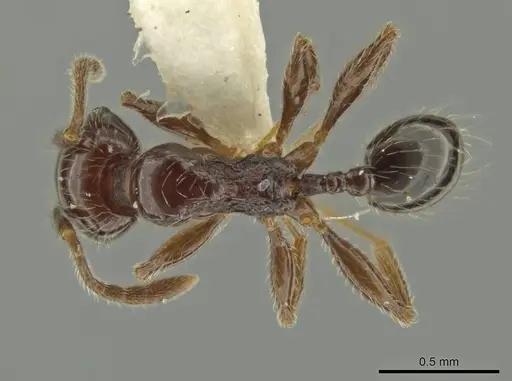
CASENT0644964
View on AntWeb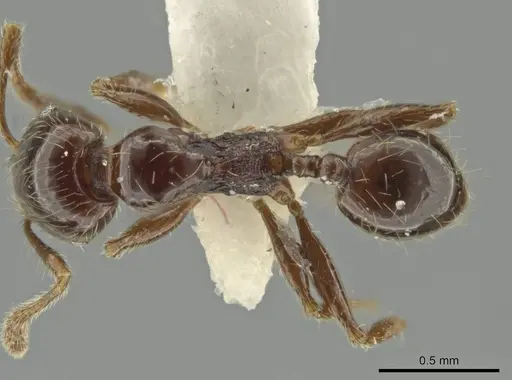
INBIOCRI002279629
View on AntWeb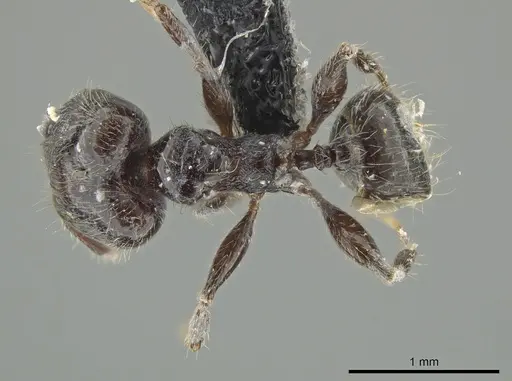
INBIOCRI002279630
View on AntWeb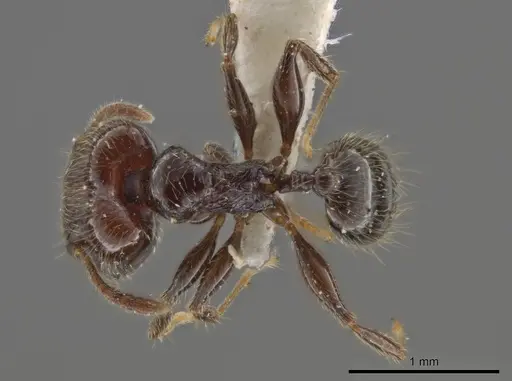
JTLC000016565
View on AntWeb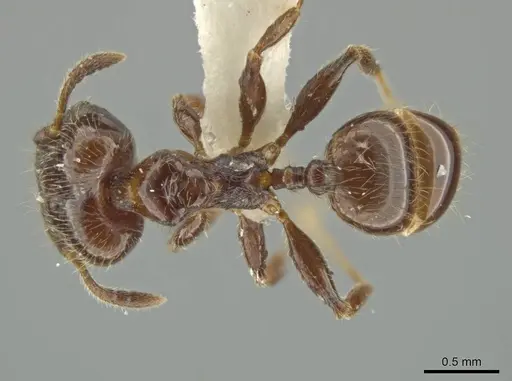
Literature
Loading...Loading products...