

Pheidole ulothrix
- Scientific Name
- Pheidole ulothrix
- Tribe
- Attini
- Subfamily
- Myrmicinae
- Author
- Wilson, 2003
- Distribution
- Found in 3 countries
Pheidole ulothrix Overview
Pheidole ulothrix is an ant species of the genus Pheidole. It is primarily documented in 3 countries , including Costa Rica, Ecuador, Panama. Detailed taxonomic data and occurrence records can be further explored via authoritative databases such as AntWeb or the Global Biodiversity Information Facility (GBIF).
Pheidole ulothrix
Pheidole ulothrix is a medium-sized tropical ant native to the wet forests of Costa Rica and Panama. The species gets its scientific name 'ulothrix' from the Greek word for 'woolly haired', a reference to the curved, subrecumbent hairs that cover the mesosome (middle body section) of major workers [1]. Majors are light brown with enlarged heads, while minors are yellow. This is a classic 'big-headed' ant, the soldiers have dramatically enlarged heads for seed-crushing and colony defense. The species was described by E.O. Wilson in 2003 from specimens collected in Braulio Carillo National Park at around 500m elevation [1].
Quick Summary
- Difficulty: Medium
- Origin & Habitat: Wet tropical forests of Costa Rica and Panama, Atlantic slope region [1]. Found in lowland tropical rainforest at moderate elevations around 500m.
- Colony Type: Likely monogyne (single queen colonies) based on typical Pheidole patterns. Colony structure is not specifically documented for this species.
- Colony: Monogyne
- Founding: Claustral
- Size & Growth:
- Queen: Unconfirmed, typical Pheidole queens are 6-9mm
- Worker: Majors: 3.5-4mm (HW 0.98mm), Minors: 2mm (HW 0.50mm) [1]
- Colony: Unknown for this specific species, typical Pheidole colonies reach several hundred to a few thousand workers
- Growth: Moderate, inferred from genus patterns
- Development: 6-8 weeks, estimated based on typical tropical Pheidole development at warm temperatures (Development time is estimated as this species has not been specifically studied. Tropical Pheidole typically develop faster than temperate species.)
- Antkeeping:
- Temperature: Keep warm at 24-28°C. As a tropical species from Costa Rica, they need consistent warmth. A heating cable on one side of the nest creates a suitable gradient.
- Humidity: High humidity, think damp rainforest floor. Keep nest substrate consistently moist but not waterlogged. Provide a water tube for drinking water.
- Diapause: No, as a tropical species, they do not require hibernation. Maintain warm conditions year-round.
- Nesting: In the wild they nest in soil and rotting wood in forest floor habitats. In captivity, a Y-tong (AAC) nest or plaster nest with good humidity retention works well. Avoid dry setups.
- Behavior: Typical Pheidole behavior, majors (soldiers) guard the nest and help process seeds, while minors handle most foraging and brood care. They are not aggressive toward keepers but majors can give a mild sting. They are active foragers and will collect seeds and protein. Escape risk is moderate, standard barrier methods work well.
- Common Issues: tropical species needs consistent warmth, cold drafts can stress or kill colonies, high humidity is essential, dry conditions cause colony decline, small colony founding can be slow, patience is needed during claustral founding, majors develop later than minors, don't be alarmed if early workers are all minor, wild-caught colonies may carry parasites that affect captive survival
Housing and Nest Setup
Pheidole ulothrix does well in setups that retain humidity while providing foraging space. A Y-tong (AAC) nest works excellently, the acrylic chambers hold humidity well and allow you to observe colony activity. Alternatively, a plaster or earth nest provides more natural conditions. Connect the nest to an outworld (foraging area) of moderate size. Because majors can crack seeds, the outworld should have some depth for substrate if you plan to offer seeds. Use standard escape prevention, a barrier of fluon around the rim of the outworld works well for this species.
Feeding and Diet
Pheidole ants are omnivorous with a strong preference for seeds. Offer a seed mix (millet, chia, flax, cracked sunflower seeds) as a staple, the majors will use their enlarged heads to crack and process seeds for the colony. Protein is also essential, offer small insects like fruit flies, pinhead crickets, or mealworms. They will also accept sugar water or honey as an energy source. Feed seeds continuously and protein 2-3 times per week. Remove uneaten seeds periodically to prevent mold.
Temperature and Humidity
As a tropical species from Costa Rica, Pheidole ulothrix needs warm, humid conditions. Maintain temperatures between 24-28°C, use a heating cable under one side of the nest if your room is cooler. Humidity should be high, the nest substrate should feel consistently damp but not soggy. A water tube connected to the nest helps maintain humidity and provides drinking water. Avoid placing the setup near air conditioning or windows with cold drafts. Sudden temperature drops can stress or kill colonies.
Colony Development
A newly mated queen will seal herself in a claustral chamber and lay eggs. She lives entirely on her stored fat reserves until the first workers emerge, this is called claustral founding. The first workers (nanitics) are typically smaller than normal workers. In Pheidole, the majors (soldiers) develop later in the colony's life cycle, often appearing after the colony reaches several dozen workers. Colony growth is moderate, expect several months before you see significant numbers. Once established, colonies can grow to several thousand workers over a few years.
Behavior and Defense
This species shows typical Pheidole behavior. Minor workers handle most tasks, foraging, caring for brood, and maintaining the nest. Major workers (soldiers) have enlarged heads with powerful mandibles for cracking seeds and defending the colony. They are not particularly aggressive toward humans but will defend if threatened. The majors can deliver a mild sting if handled roughly. Workers are active foragers that will readily explore the outworld for food. They communicate through chemical trails and can recruit nestmates to good food sources.
Frequently Asked Questions
How long does it take for Pheidole ulothrix to raise first workers?
Expect 6-8 weeks from egg to first worker at warm temperatures (around 26°C). This is typical for tropical Pheidole species. The queen will remain sealed in her chamber until the first workers emerge.
What do I feed Pheidole ulothrix?
Offer a mix of seeds (millet, chia, cracked sunflower) as a staple food. They also need protein, small insects like fruit flies, pinhead crickets, or mealworms work well. You can also offer occasional sugar water or honey for energy.
What temperature do Pheidole ulothrix need?
Keep them warm at 24-28°C. As a tropical species from Costa Rica, they need consistent warmth. A heating cable under part of the nest can help maintain proper temperatures.
Do they need hibernation?
No, they do not require hibernation. As a tropical species, maintain warm conditions year-round. Do not expose them to cold temperatures.
How big do Pheidole ulothrix colonies get?
Colony size is not specifically documented for this species, but typical Pheidole colonies reach several hundred to a few thousand workers over a few years.
Can I keep multiple queens together?
Not recommended. Pheidole are typically single-queen (monogyne) species. Combining unrelated queens has not been studied for this species and may result in fighting.
When do major workers appear?
Majors develop later in the colony's growth. They typically appear after the colony reaches 30-50 workers. The distinctive enlarged heads make them easy to identify.
What humidity level do they need?
High humidity, keep the nest substrate consistently moist but not waterlogged. Think damp rainforest floor conditions. A water tube in the setup helps maintain humidity.
Are Pheidole ulothrix good for beginners?
They are rated as medium difficulty. The main challenges are maintaining proper tropical warmth and humidity. If you have experience with other Pheidole species or tropical ants, this is a manageable species.
References

This caresheet is licensed under CC BY-SA 4.0 .
CASENT0635538
View on AntWeb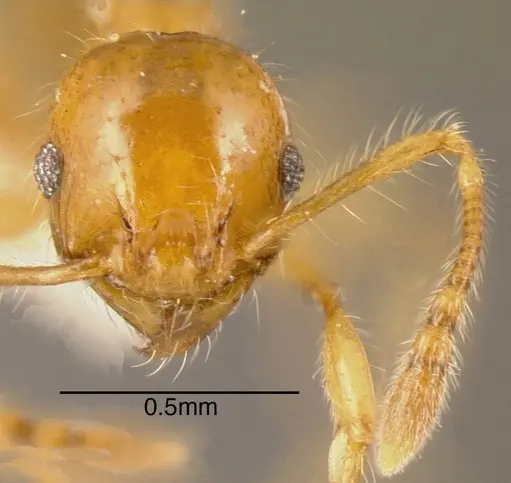
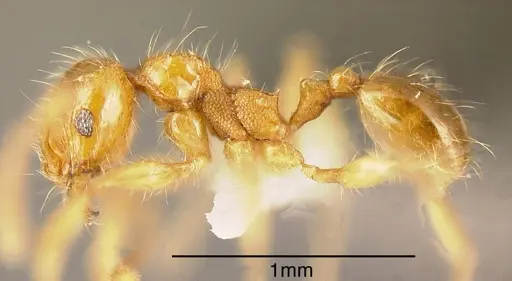
INBIOCRI002279936
View on AntWeb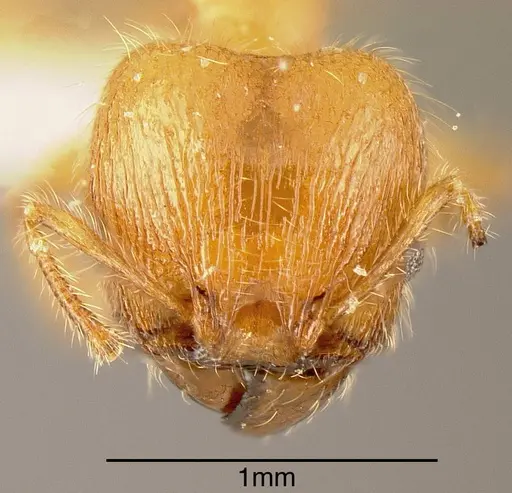
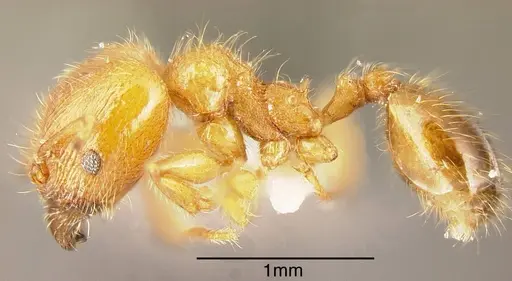
Literature
Loading...Loading products...