
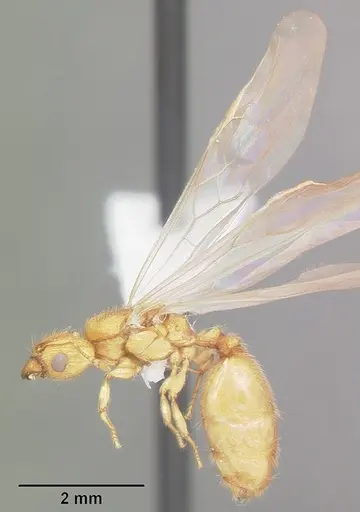
Pheidole tysoni shows a June to August flight window. Peak activity occurs in July, with nuptial flights distributed across 3 months.
Pheidole tysoni
- Scientific Name
- Pheidole tysoni
- Tribe
- Attini
- Subfamily
- Myrmicinae
- Author
- Forel, 1901
- Common Name
- Tyson's Big-headed Ant
- Distribution
- Found in 2 countries
- Nuptial Flight
- from June to August, peaking in July
AI Identifiable
try →
Pheidole tysoni Overview
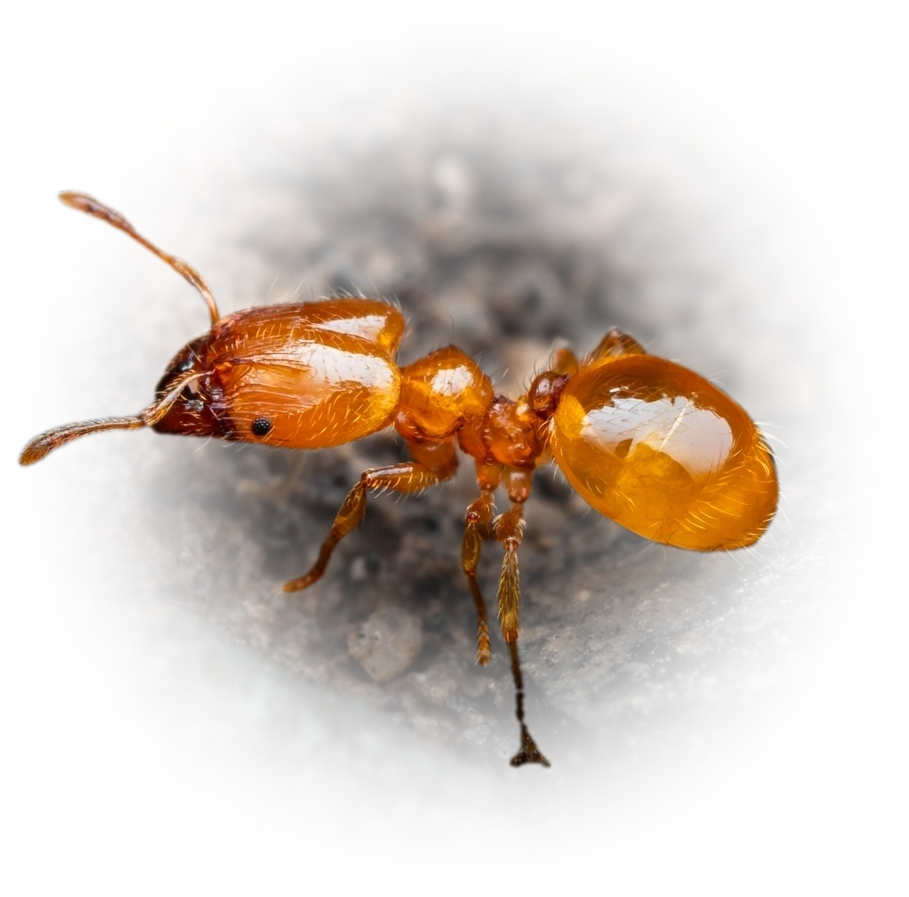
Pheidole tysoni (commonly known as the Tyson's Big-headed Ant) is an ant species of the genus Pheidole. It is primarily documented in 2 countries , including Mexico, United States of America. Detailed taxonomic data and occurrence records can be further explored via authoritative databases such as AntWeb or the Global Biodiversity Information Facility (GBIF).
The nuptial flight of Pheidole tysoni is a significant biological event, typically occurring from June to August, peaking in July. During this time, winged queens and males leave the nest to mate and establish new colonies.
Pheidole tysoni - "Tyson's Big-headed Ant"
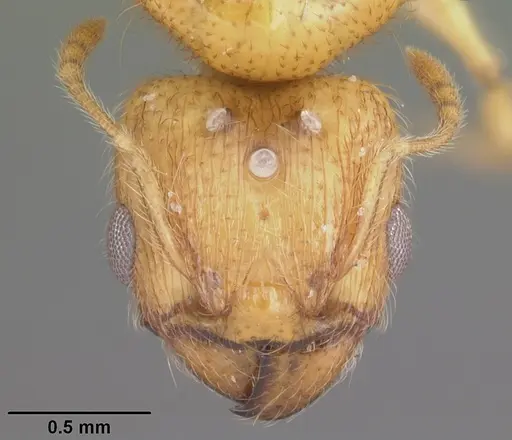
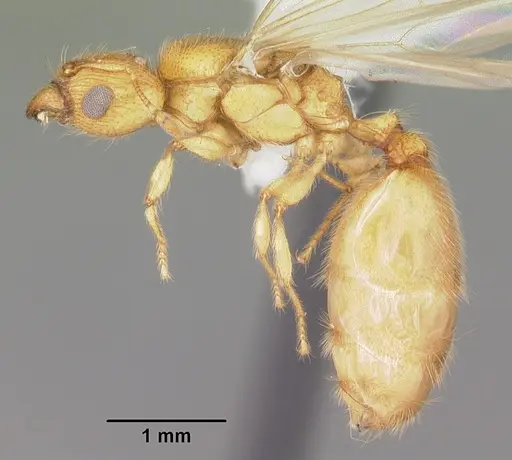
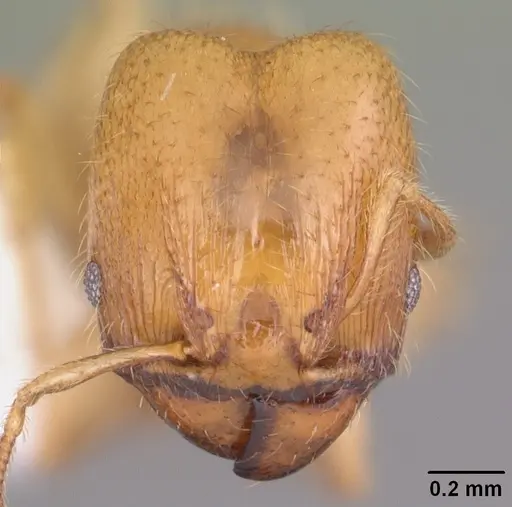
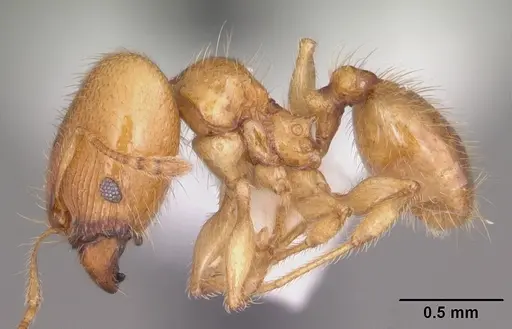
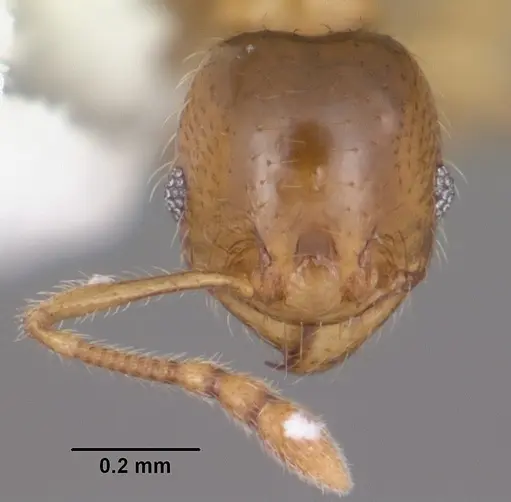
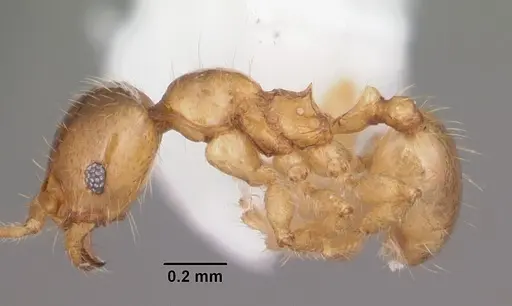
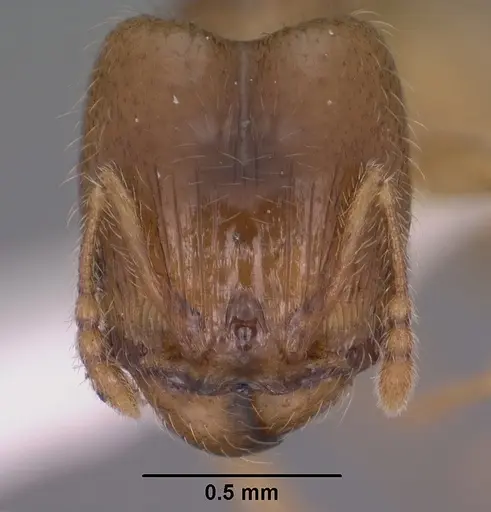
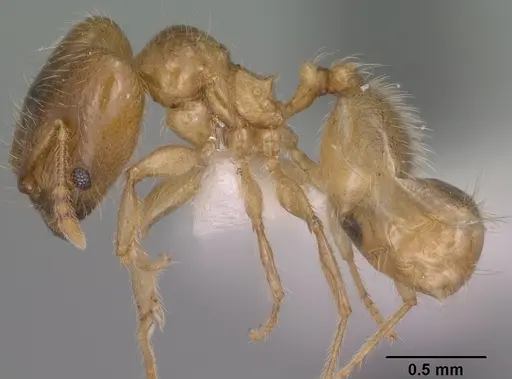
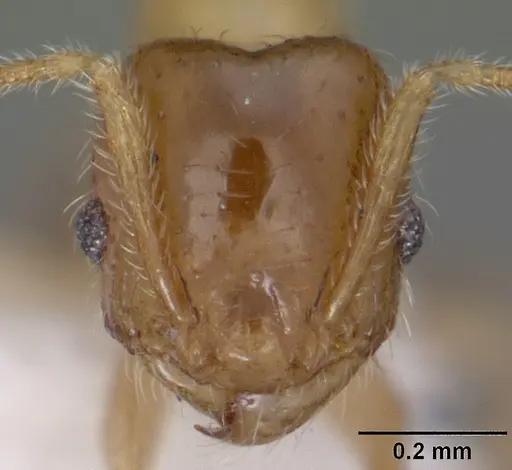
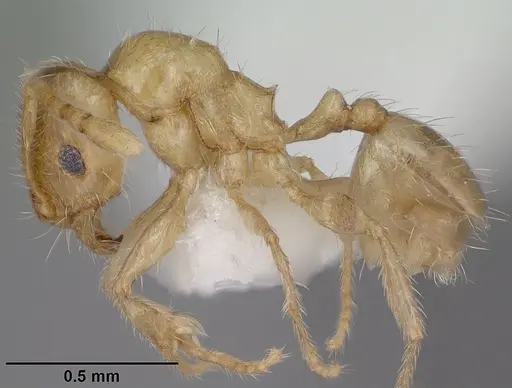
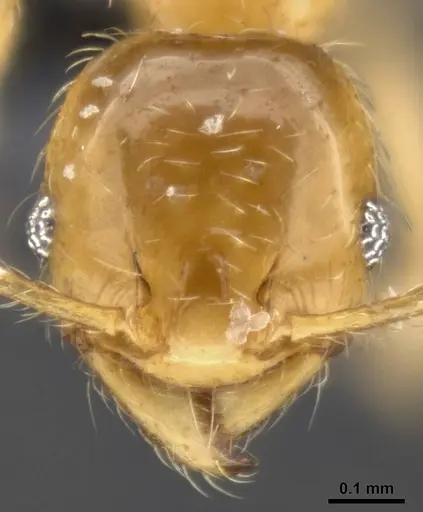
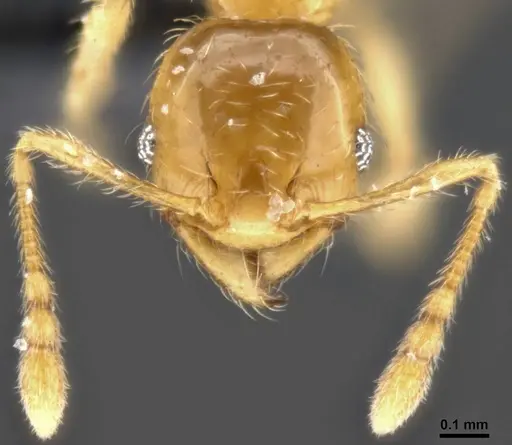
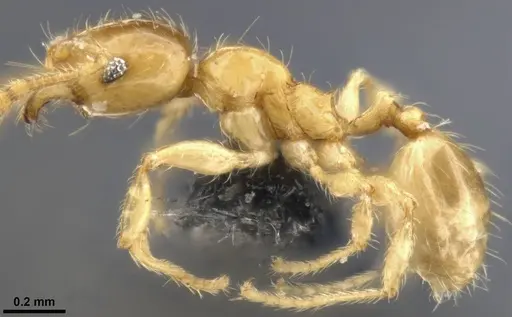
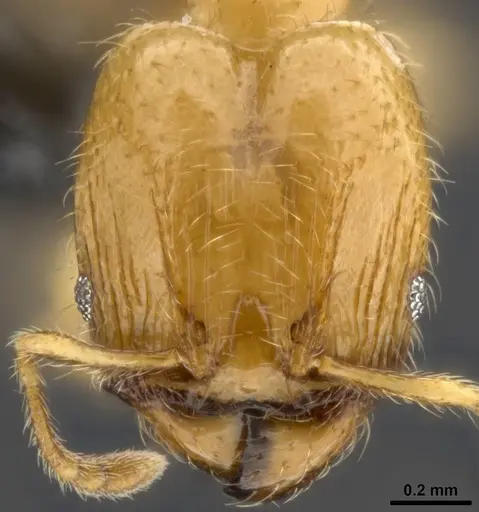
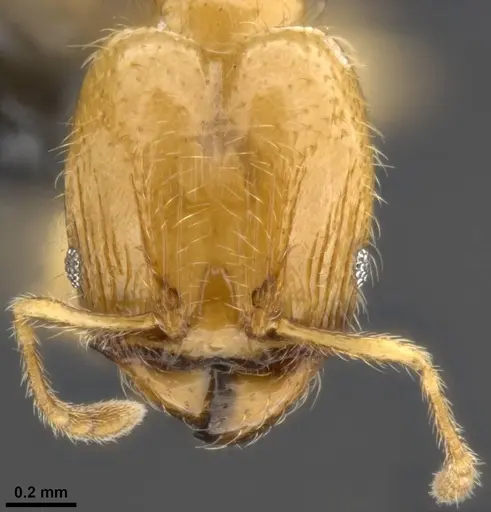
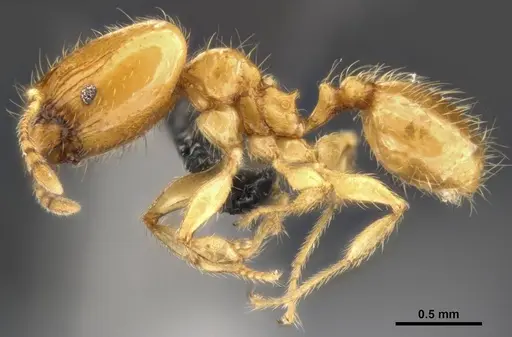
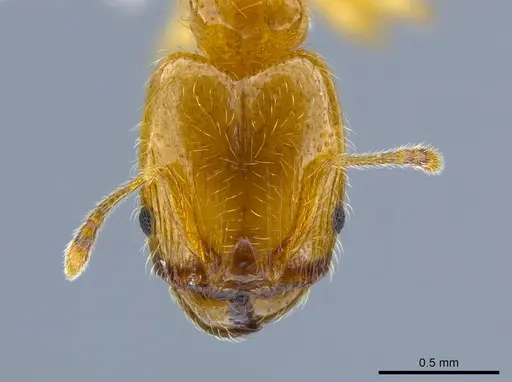
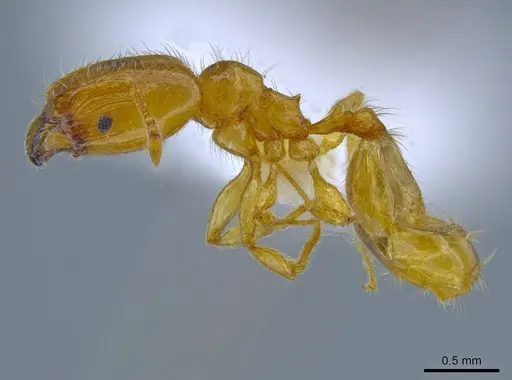
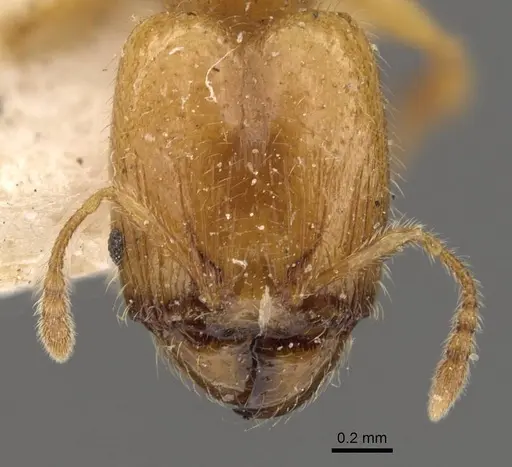
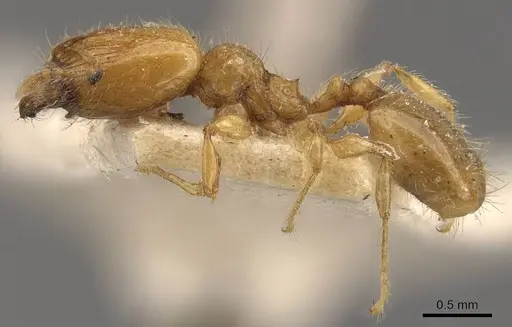
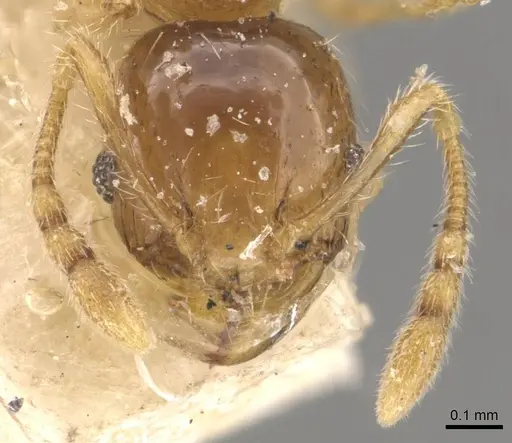
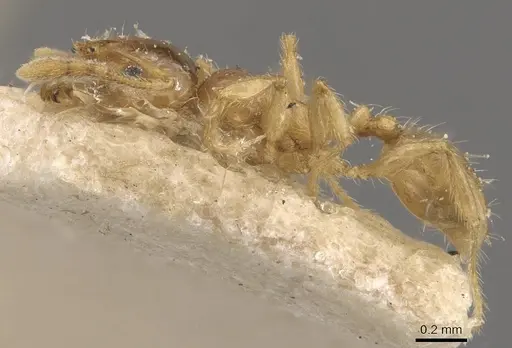
Pheidole tysoni is a small, shiny yellow ant native to eastern North America. Major workers measure 3.5-3.7mm and minor workers are tiny at 1.8-2.0mm, so small they resemble thief ants at first glance [1]. The species gets its name from M. Tyson, whose farm was near the original collection site in North Carolina. They belong to the flavens group and are distinguished by their nearly complete lack of body sculpturing, their smooth, glossy yellow-brown bodies are almost entirely free of the ridges and pits common in other Pheidole species [2]. This ant has a disjunct distribution, found from New York south to Georgia and west to Ohio and Louisiana, with isolated populations in Texas, Arizona, and Mexico [3][1].
Quick Summary
- Difficulty: Easy
- Origin & Habitat: Eastern North America, found in open areas like dry fields, meadows, prairie remnants, and open wooded areas with sandy or poor soils. Often nests under stones in shaded areas [1][4].
- Colony Type: Monogyne (single queen) colonies with small colony sizes, typically under 100 workers based on documented colony observations [1][5].
- Colony: Monogyne
- Founding: Claustral
- Size & Growth:
- Queen: Approximately 5-6mm (estimated from genus patterns)
- Worker: Major: 3.5-3.7mm, Minor: 1.8-2.0mm [1]
- Colony: Small colonies, likely under 100 workers [1]
- Growth: Moderate, estimated based on typical Pheidole development
- Development: 6-8 weeks (estimated based on typical Pheidole patterns) (Development time is not directly documented for this species, estimates based on genus-level data for similar small Pheidole species.)
- Antkeeping:
- Temperature: Keep at room temperature (20-24°C). This is a temperate species that can tolerate typical indoor conditions. A slight gradient is beneficial but not required.
- Humidity: Prefers dry to moderate conditions, they naturally inhabit xeric (dry) open areas and prairies. Keep the nest substrate lightly moist but allow it to dry between waterings. Avoid damp, stagnant conditions.
- Diapause: Yes, as a temperate species, they benefit from a winter rest period. Reduce temperature to around 10-15°C for 2-3 months during winter.
- Nesting: Soil nests in captivity work well. They naturally nest under stones in the wild, so a naturalistic setup with a soil chamber or a Y-tong/plaster nest with dry to moderately moist substrate is ideal. Avoid overly humid setups.
- Behavior: These are peaceful, non-aggressive ants that focus on seed harvesting and tending aphids. Workers are small and may be overlooked due to their tiny size. They are not known for stinging and pose no danger to keepers. Their small size means they can escape through tiny gaps, use fine mesh barriers. They are ground-nesting and rarely climb, making escape prevention straightforward if using proper barriers.
- Common Issues: parasitic fungus infection, Myrmicinosporidium durum is a known parasite that can kill colonies, especially in late summer and fall, watch for discolored workers [6], escape through tiny gaps, minors are only 1.8-2.0mm and can squeeze through standard test tube openings, use fine mesh barriers, small colony vulnerability, colonies stay small and can be wiped out by stress or improper conditions, avoid disturbing them during founding, overheating risk, being from open, dry habitats, they prefer cooler conditions than tropical ants, keep away from direct heat sources, wild-caught colonies may have parasites, always quarantine and monitor new colonies for signs of disease
Nuptial Flight Activity Analysis 70 observations
Flight Activity by Hour 70 observations
Pheidole tysoni nuptial flight activity peaks around 07:00 during the morning. Activity is spread across a 23-hour window (01:00–23:00). A secondary activity peak occurs around 05:00. Times may be influenced by human observation patterns.
Nest Preferences
In the wild, Pheidole tysoni nests in soil, often under stones in shaded locations. They've been found in pure sandy soil in New York pine barrens, clayey residential lawn soil, and under stones in open oak-juniper-pinyon woodlands in Arizona and Texas [4]. The soil type varies from loam to fine sand. Nests are typically shallow to moderate in depth. For captive care, a naturalistic setup with a soil chamber works best. You can also use Y-tong (acrylic) nests with a moderately dry substrate. Avoid overly humid conditions, these ants prefer drier nest environments than many other species. A thin layer of substrate that can dry out between waterings mimics their natural prairie and open woodland habitat.
Feeding and Diet
Pheidole tysoni is primarily a seed harvester, seeds are occasionally found in their nests in the wild. Workers also tend aphids and collect floral nectar from low herbaceous plants [1]. In captivity, offer a varied diet including small seeds (millet, grass seeds), protein sources (small insects like fruit flies, tiny crickets), and sugar water or honey. They are not aggressive predators like some Pheidole species, their diet leans toward seeds and honeydew. Feed seeds continuously and offer protein 2-3 times per week. Sugar water should be available at all times. Remove uneaten seeds and prey to prevent mold.
Temperature and Seasonal Care
This is a temperate species native to eastern North America. Keep them at room temperature (20-24°C), they do well in typical indoor conditions and don't require heating. Being from open, dry habitats, they prefer cooler conditions than tropical ants and should be kept away from direct heat sources or heating cables. During winter, they benefit from a diapause (hibernation) period. Reduce temperature to 10-15°C for 2-3 months, typically from late fall to early spring. This mimics their natural seasonal cycle and helps maintain colony health. Do not feed during hibernation but ensure a small water source is available. [1]
Colony Structure and Growth
Pheidole tysoni forms small monogyne colonies with a single queen. Colonies documented in the wild are described as small, typically under 100 workers [1]. This is characteristic of the species and differs from some other Pheidole that can form large colonies. The colony grows moderately, expect several months to a year to reach 50+ workers. Major workers develop once the colony reaches a certain size, serving as the soldiers of the colony. The founding queen seals herself in a claustral chamber and raises her first nanitic workers alone on stored body fat. Be patient during founding, it can take 6-8 weeks for the first workers (nanitics) to emerge.
Health Concerns and Parasites
A significant concern for this species is the parasitic fungus Myrmicinosporidium durum, which has been documented infecting Pheidole tysoni workers in the USA [6]. This fungus is visible through the ant's integument as spores. Infected workers may appear normal but can spread the infection to the colony. The parasite is typically acquired from the environment and can be carried over from immature stages. Infected queens may still participate in nuptial flights and maintain fertility, potentially spreading the parasite to new colonies. Watch for unusually colored or behaving workers, especially in late summer and fall when infections are most commonly observed [6]. If you suspect parasite issues, isolate the colony and consult experienced keepers.
Behavior and Temperament
These are peaceful, ground-dwelling ants that are not aggressive and pose no danger to keepers. Workers are small and forage primarily on the ground surface. They are not climbers and rarely venture far from their nest. Their small size (minors are only 1.8-2.0mm) means they can escape through tiny gaps, always use fine mesh barriers and check that test tube setups are properly sealed. They are not territorial or defensive, making them easy to observe. Workers can be overlooked due to their tiny size, but they are active foragers. They use chemical trails to recruit nestmates to food sources, similar to other Pheidole species. [1]
Frequently Asked Questions
How long does it take for Pheidole tysoni to produce first workers?
Expect 6-8 weeks from egg to first worker under optimal conditions. This is an estimate based on typical Pheidole development patterns, as specific development data is not documented for this species. The queen will remain sealed in her founding chamber until her nanitic workers emerge.
Can I keep multiple Pheidole tysoni queens together?
No, this is a monogyne (single-queen) species. Multiple unrelated queens will fight. Only keep one queen per colony. If you find a colony in the wild, it will have only one reproductive queen.
What do Pheidole tysoni eat?
They are seed harvesters that also accept sugar (honey water) and small insects. Offer small seeds like millet, grass seeds, or commercial ant seeds, along with protein (fruit flies, tiny crickets) and constant access to sugar water. They also tend aphids in the wild, so honeydew substitutes work well.
How big do Pheidole tysoni colonies get?
They remain small, typically under 100 workers even in mature colonies. This is characteristic of the species and differs from some other Pheidole that can form large colonies. Don't expect massive colony sizes.
Do Pheidole tysoni need hibernation?
Yes, as a temperate species they benefit from a winter rest period. Reduce temperature to 10-15°C for 2-3 months during winter (typically late fall to early spring). Do not feed during this period but ensure a small water source is available.
What is the best nest type for Pheidole tysoni?
They do well in naturalistic setups with soil or in Y-tong/plaster nests with dry to moderately moist substrate. They naturally nest under stones in the wild, so a setup with a stone or flat surface works well. Avoid overly humid conditions, they prefer drier environments.
Why are my Pheidole tysoni dying?
Common causes include: parasitic fungus (Myrmicinosporidium durum) which can kill colonies, especially in late summer/fall, over-humid conditions, they prefer dry habitats, escape through tiny gaps due to their very small size, and stress from disturbing the colony during founding. Monitor for unusual worker appearance and ensure proper escape prevention.
Are Pheidole tysoni good for beginners?
Yes, they are considered easy to keep due to their tolerance of room temperature, small colony size, and non-aggressive nature. However, their tiny size requires good escape prevention, and the risk of parasitic fungus infection should be monitored.
When should I move Pheidole tysoni to a formicarium?
Wait until the colony has at least 20-30 workers and is actively foraging. For small colonies, a test tube setup works fine. Move to a formicarium or larger setup when the colony outgrows its initial container or when you want to observe more natural behavior. They prefer dry conditions, so avoid overly humid formicarium designs.
References

This caresheet is licensed under CC BY-SA 4.0 .
CASENT0104425
View on AntWeb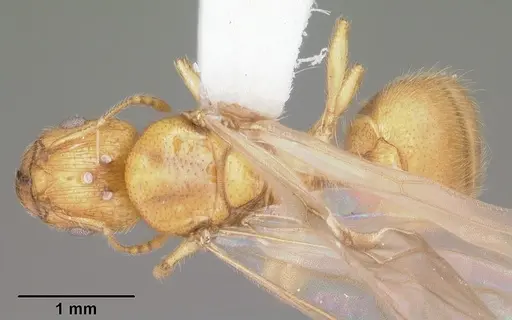
CASENT0104426
View on AntWeb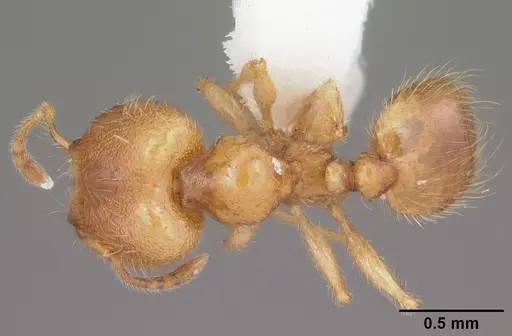
CASENT0104427
View on AntWeb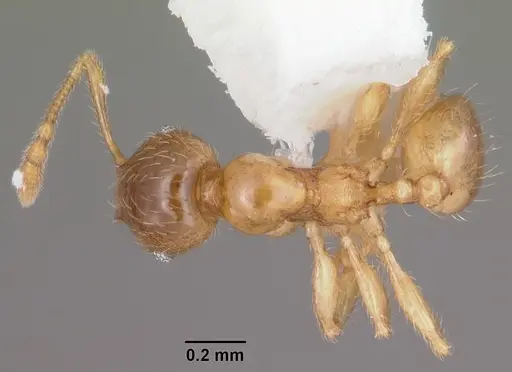
CASENT0104453
View on AntWeb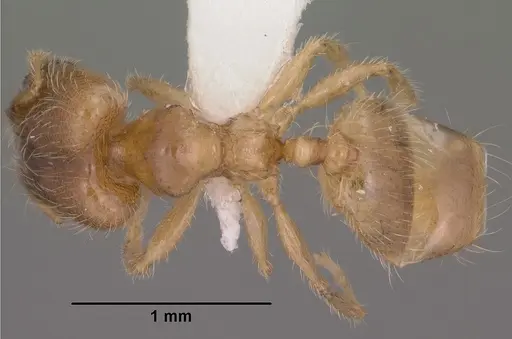
CASENT0104454
View on AntWeb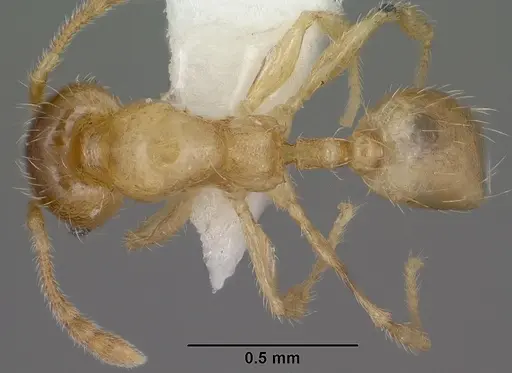
CASENT0282942
View on AntWeb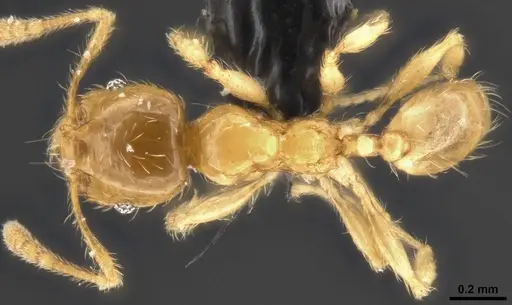
CASENT0282947
View on AntWeb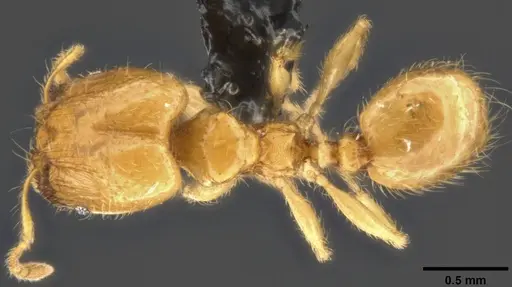
CASENT0619970
View on AntWeb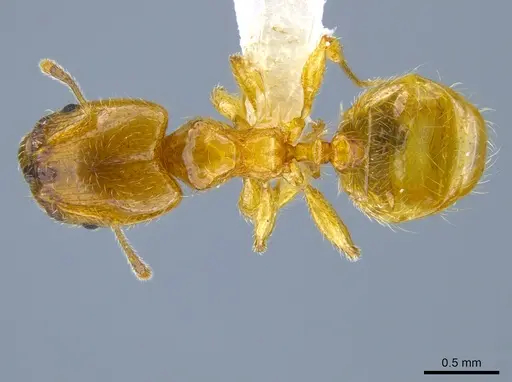
CASENT0908242
View on AntWeb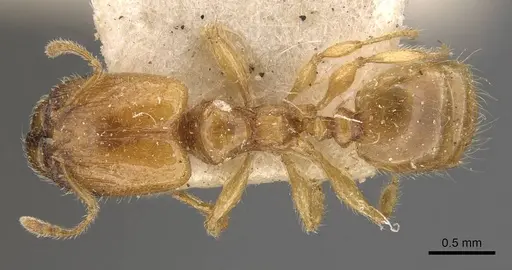
CASENT0908243
View on AntWeb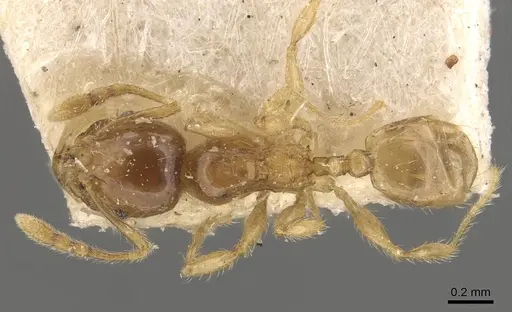
Literature
Loading...Loading products...