

Pheidole tumida
- Scientific Name
- Pheidole tumida
- Tribe
- Attini
- Subfamily
- Myrmicinae
- Author
- Eguchi, 2008
- Distribution
- Found in 3 countries
Pheidole tumida Overview
Pheidole tumida is an ant species of the genus Pheidole. It is primarily documented in 3 countries , including China, Lao People's Democratic Republic, Viet Nam. Detailed taxonomic data and occurrence records can be further explored via authoritative databases such as AntWeb or the Global Biodiversity Information Facility (GBIF).
Pheidole tumida
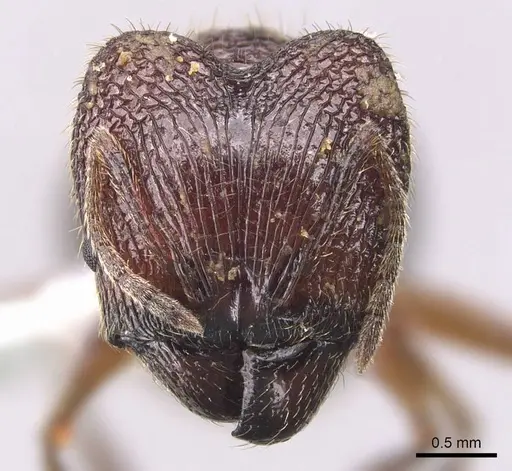
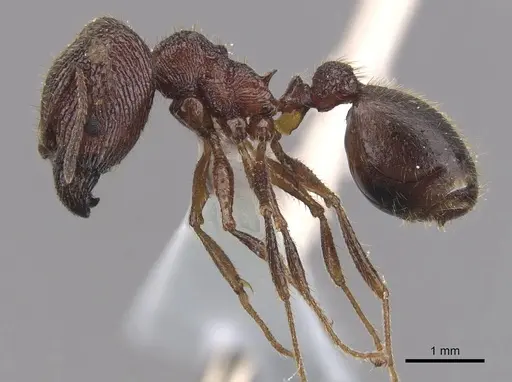
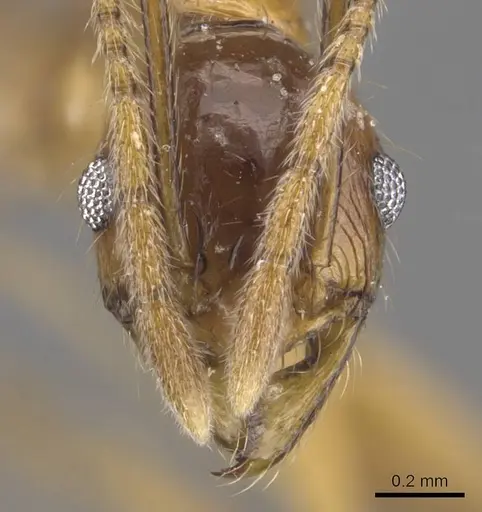
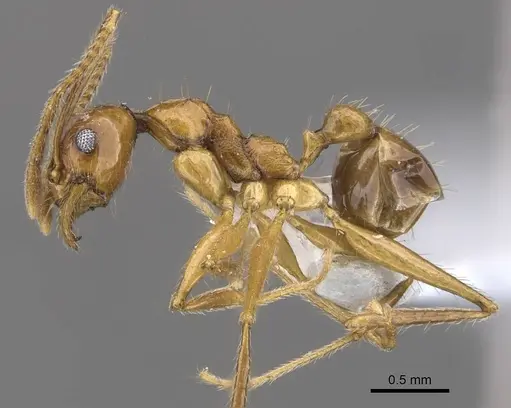
Pheidole tumida is a small to medium-sized ant species native to Southeast Asia, described by Eguchi in 2008. Major workers measure 1.6-2.0mm with a distinctive massive postpetiole (the segment between the waist and abdomen) and a lobate subpetiolar process, while minor workers are tiny at just 0.6-0.8mm with largely smooth and shiny bodies. The species is characterized by a conspicuous mound or prominence on the rear slope of the promesonotal dome (the middle body section) in both castes. This species is closely related to Pheidole nodus and was recently described, making it a relatively new addition to the antkeeping hobby. They inhabit forest edges and well-developed forests across the Indo-Chinese and Indo-Malayan regions, nesting in soil and rotting logs.
Quick Summary
- Difficulty: Medium
- Origin & Habitat: Native to Southeast Asia including Vietnam, Laos, southern China (Yunnan, Hainan), and Macau. Found in forest edges, well-developed forests, and even rubber plantations at elevations of 552-840m. Nests in soil and rotting logs [1][2].
- Colony Type: Single-queen colonies (monogyne), Pheidole species typically have one queen per colony
- Colony: Monogyne
- Founding: Claustral
- Size & Growth:
- Queen: Not directly measured in available literature, estimated 6-8mm based on genus patterns
- Worker: Major: 1.6-2.0mm, Minor: 0.6-0.8mm [1]
- Colony: Estimated 500-2000 workers based on typical Pheidole colony sizes
- Growth: Moderate, typical for Pheidole genus
- Development: Estimated 6-8 weeks at optimal temperature based on related Pheidole species (Development time is inferred from genus patterns as species-specific data is not available)
- Antkeeping:
- Temperature: Keep at 24-28°C (tropical species from Southeast Asia). A slight gradient allowing cooler areas around 22°C is beneficial [2].
- Humidity: Requires moderate to high humidity (60-80%). Keep nest substrate consistently moist but not waterlogged. Forest-dwelling species needs damp conditions [1].
- Diapause: Likely minimal or no true diapause given tropical distribution, may reduce activity during cooler months but probably does not require hibernation
- Nesting: Natural nesting in soil and rotting logs. In captivity, a naturalistic setup with soil substrate or a Y-tong/plaster nest works well. Provide moisture through a water reservoir or regular misting
- Behavior: Pheidole tumida is a generalist forager that hunts for small insects and tends aphids for honeydew. Like other Pheidole species, they have major workers (soldiers) with enlarged heads that help process seeds and defend the colony. They are not particularly aggressive but will defend their nest vigorously. Minor workers are tiny and can squeeze through small gaps, escape prevention should be moderate to good. They are found across multiple strata including ground, subterranean, and occasionally arboreal levels [3].
- Common Issues: colonies may fail if humidity drops too low, forest species needs consistent moisture, tiny minor workers can escape through standard test tube setups, use fine mesh barriers, slow founding period may cause beginners to abandon, claustral queens need patience, limited availability in antkeeping trade since species was only described in 2008, wild-caught colonies may carry parasites that can decimate captive colonies
Housing and Nest Setup
Pheidole tumida can be kept in various setups depending on colony size. For founding colonies, a standard test tube setup works well, fill a test tube one-third with water, plug with a cotton ball, and place the queen in the tube. The queen will seal herself into a chamber and raise her first brood there. As the colony grows to 50+ workers, consider moving to a naturalistic formicarium with soil substrate, or a Y-tong/plaster nest that allows you to maintain humidity. Since they naturally nest in soil and rotting logs, a dirt-based setup mimics their natural environment best. Provide a foraging area connected to the nest where you can offer food. [1][2]
Feeding and Diet
Pheidole tumida is omnivorous like most Pheidole species. They will readily accept protein sources including small insects (fruit flies, pinhead crickets, mealworms), and they also collect honeydew from aphids. Offer a mix of protein and carbohydrates. Feed small prey items 2-3 times per week, and provide a constant source of sugar water or honey. Major workers can handle larger prey items and even small seeds, which they process with their powerful mandibles. Remove uneaten prey after 24-48 hours to prevent mold. [1]
Temperature and Humidity
As a tropical species from Southeast Asia, Pheidole tumida prefers warmer temperatures in the range of 24-28°C. They can tolerate slightly cooler conditions down to around 22°C but may become less active. Avoid temperatures below 20°C for extended periods. Humidity needs are moderate to high, aim for 60-80% relative humidity. The nest area should have consistently moist substrate without being waterlogged. You can achieve this by using a water reservoir connected to the nest or by misting regularly. A small water tube or gel works well for maintaining humidity in test tube setups. [2][1]
Colony Development
A newly mated queen will seal herself into a claustral chamber and lay her first eggs. She survives entirely on her stored fat reserves until the first workers emerge (nanitics). This founding period typically takes 4-6 weeks, though it can vary with temperature. The first workers (nanitics) are usually smaller than normal workers. After the nanitics emerge, the queen stops foraging and is fed by workers. The colony will grow gradually at first, then accelerate as the worker population increases. Pheidole colonies can reach several thousand workers over several years. Major workers (soldiers) typically appear once the colony reaches several hundred workers.
Behavior and Defense
Pheidole tumida has two worker castes: minor workers (foragers and general workers) and major workers (soldiers) with enlarged heads. The majors defend the colony and help process large food items. When threatened, workers will swarm out to defend the nest. They possess a stinger but primarily rely on their numbers and biting. The species is not considered particularly aggressive toward humans but will defend their nest territory. Minor workers are very small and can escape through tiny gaps, ensure your setup has proper barriers. [1][3]
Frequently Asked Questions
How long does it take for Pheidole tumida first workers to emerge?
First workers (nanitics) typically emerge in 4-6 weeks after the queen lays eggs, assuming temperatures around 26-28°C. Cooler temperatures will slow development.
What do Pheidole tumida ants eat?
They are omnivorous, offer small insects (fruit flies, pinhead crickets, mealworms) for protein and sugar water or honey for carbohydrates. They will also tend aphids for honeydew.
Are Pheidole tumida ants good for beginners?
They are rated as medium difficulty. They require warm temperatures and moderate to high humidity, which may require more attention than hardy temperate species. Their small size also requires good escape prevention.
Do Pheidole tumida ants need hibernation?
Probably not, as a tropical species from Southeast Asia, they likely do not require a true diapause. However, they may reduce activity during cooler months.
How big do Pheidole tumida colonies get?
Based on typical Pheidole patterns, colonies can reach 500-2000 workers over several years. Major workers appear once the colony is established.
Can I keep multiple Pheidole tumida queens together?
Pheidole tumida is monogyne (single-queen), combining unrelated queens is not recommended and would likely result in fighting.
What temperature is ideal for Pheidole tumida?
Keep them at 24-28°C. They are from tropical Southeast Asia and need warmth. A slight gradient allowing cooler areas around 22°C is beneficial.
Why are my Pheidole tumida workers dying?
Common causes include low humidity (they need 60-80%), temperatures below 20°C, mold from overwatering, or escape through tiny gaps. Check your setup parameters.
When should I move my colony to a formicarium?
Move to a larger setup once the colony reaches 50-100 workers and the test tube is becoming crowded. A naturalistic setup with soil works well for this species.
References

This caresheet is licensed under CC BY-SA 4.0 .
CASENT0905873
View on AntWeb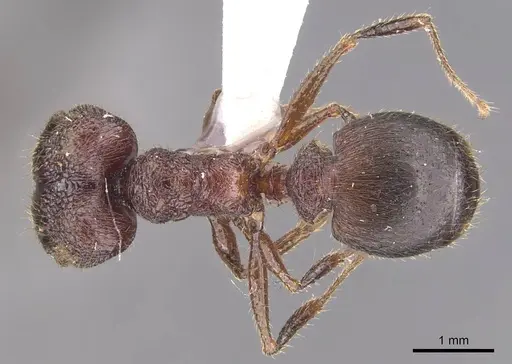
CASENT0905874
View on AntWeb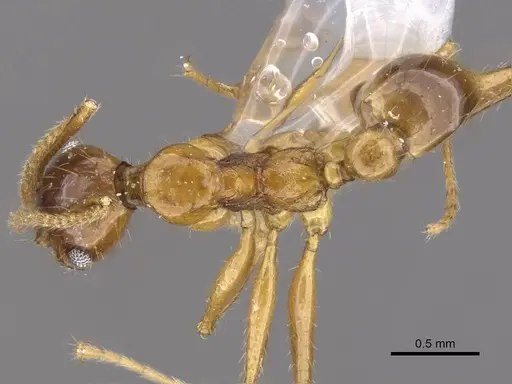
Literature
Loading...Loading products...