

Pheidole truncula
- Scientific Name
- Pheidole truncula
- Tribe
- Attini
- Subfamily
- Myrmicinae
- Author
- Wilson, 2003
- Distribution
- Found in 1 countries
Pheidole truncula Overview
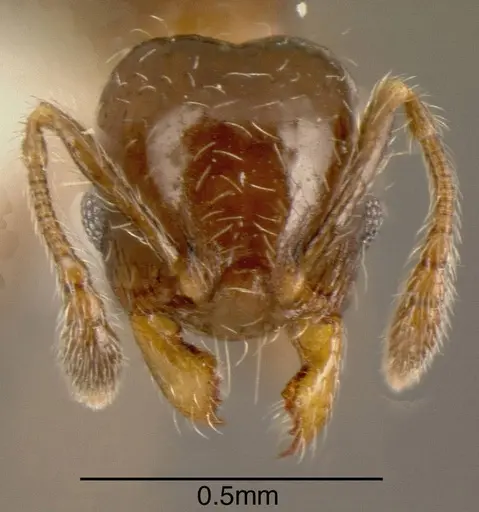
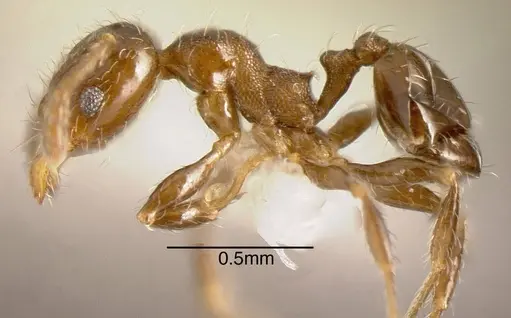
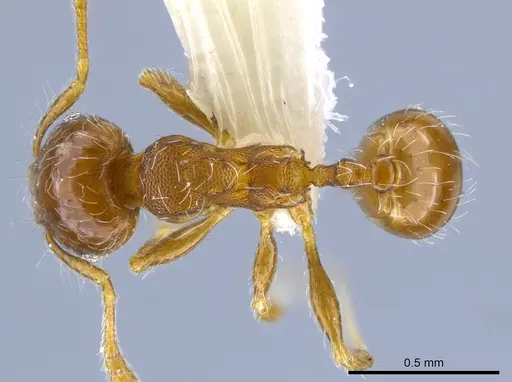
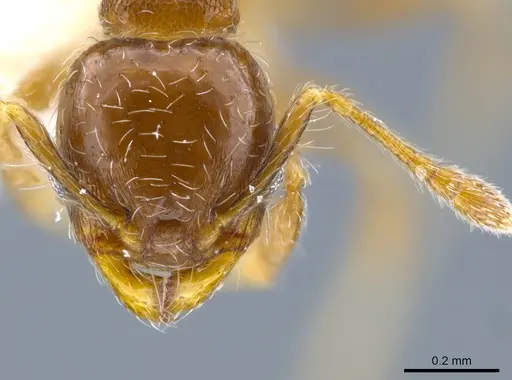
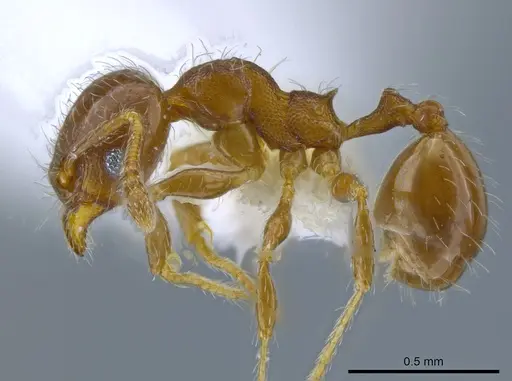
Pheidole truncula is an ant species of the genus Pheidole. It is primarily documented in 1 countries , including Costa Rica. Detailed taxonomic data and occurrence records can be further explored via authoritative databases such as AntWeb or the Global Biodiversity Information Facility (GBIF).
Pheidole truncula
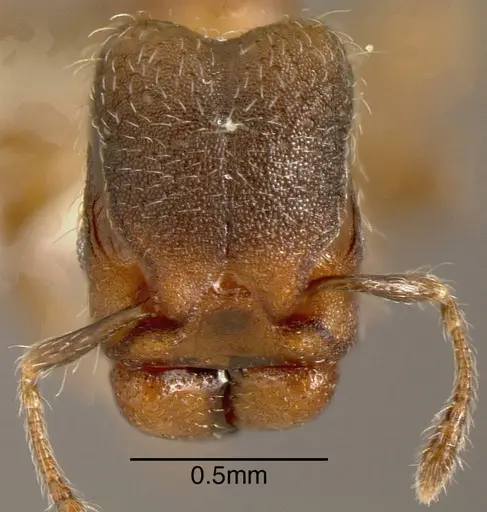
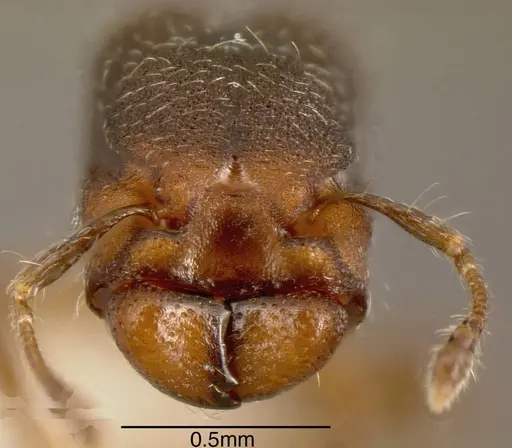
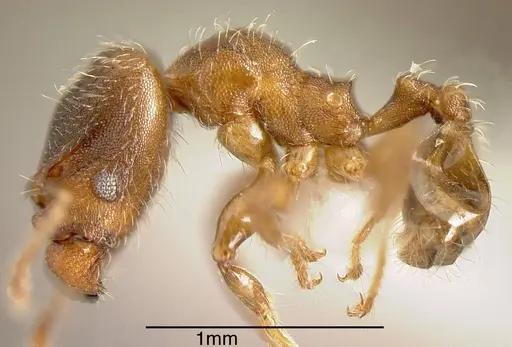
Pheidole truncula is a small ant species belonging to the genus Pheidole, known for their distinctive caste system with major workers (soldiers) that have enlarged heads for seed processing. Workers are tiny at 2-3mm, while majors measure around 4-5mm. Queens are estimated at 7-9mm based on typical genus dimensions. The species is native to Central and South America, where colonies nest in soil, under stones, or in decaying wood in tropical and subtropical habitats. Like all Pheidole, they have a polymorphic worker caste, small minor workers handle most tasks while majors specialize in seed crushing and colony defense. Colonies can grow large, potentially reaching several thousand workers over time [1].
Quick Summary
- Difficulty: Medium
- Origin & Habitat: Native to Central and South America. In the wild, colonies nest in soil, under stones, and in rotting wood in tropical and subtropical habitats [1].
- Colony Type: Likely monogyne (single queen) based on typical genus patterns. Pheidole colonies typically have one founding queen that establishes the colony alone. Some species in the genus can have multiple queens, but this varies by species.
- Colony: Monogyne
- Founding: Claustral
- Size & Growth:
- Queen: Estimated 7-9mm based on typical Pheidole queen dimensions [1].
- Worker: 2-3mm for minor workers,4-5mm for major workers [1].
- Colony: Likely reaches several thousand workers at maturity based on genus patterns [1].
- Growth: Moderate, Pheidole colonies typically grow steadily but not rapidly. Expect 6-12 months to first major workers.
- Development: Estimated 6-10 weeks from egg to first minor worker at optimal temperature (around 24-26°C), based on typical Pheidole development [1]. (First workers (nanitics) are typically minor workers. Major workers appear later, usually after the colony reaches several dozen workers.)
- Antkeeping:
- Temperature: Keep at 22-28°C. A temperature gradient around 24-26°C in the nest area works well. They prefer warm conditions typical of their tropical origin [1].
- Humidity: Moderate humidity, around 50-70%. Keep the nest substrate slightly moist but allow some drying between waterings. Avoid waterlogged conditions [1].
- Diapause: Likely not required, as a tropical/subtropical species, they probably don't need a true hibernation. However, a slight cooling period (15-18°C) during winter months may be beneficial if you're mimicking natural seasons [1].
- Nesting: Test tubes work well for founding colonies. Once established (50+ workers), they do well in Y-tong nests, acrylic formicariums, or naturalistic setups with soil. They prefer dark, secure nesting sites. Provide a moisture gradient so ants can choose their preferred humidity zone [1].
- Behavior: Pheidole truncula is generally calm and not aggressive toward keepers. They are escape artists due to their small size, use fine mesh and tight-fitting barriers. Majors are specialized for seed processing and will crack open seeds that minors cannot manage. They are primarily granivorous but also accept protein sources like small insects. Foraging activity is moderate, they will recruit nestmates to good food sources. majors can deliver a mild sting if handled roughly, but they are not considered dangerous [1].
- Common Issues: escape prevention is critical due to their tiny size, they can squeeze through remarkably small gaps, colonies may decline if fed only seeds without adequate protein, offer insects regularly, test tube setups can flood if water reservoirs are overfilled, use proper founding setup, slow initial growth causes some keepers to overfeed, leading to mold problems, majors may appear alarming due to size but they are not aggressive defenders
Nest Preferences and Housing
Pheidole truncula can be started in a simple test tube setup. Fill a test tube one-third with water, plug with a cotton ball, then add the queen. She will seal herself in the dry end and remain there until her first workers emerge. Once the colony reaches 30-50 workers, you can move them to a proper formicarium. Y-tong nests work excellently for Pheidole, the narrow chambers provide security and the acrylic allows you to observe colony growth. Naturalistic setups with soil and decorative elements also work well. Whatever you choose, ensure darkness in the nest chamber and provide a moisture gradient so ants can self-regulate their humidity [1].
Feeding and Diet
Pheidole truncula is primarily granivorous, they love seeds. Offer millet, chia, flax, or commercial ant seed mixes. However, seeds alone are insufficient for colony health. Provide protein sources 2-3 times per week: small fruit flies, pinhead crickets, mealworms, or other appropriately-sized insects. Minor workers cannot crack large seeds themselves, they recruit majors who use their powerful mandibles to process them. Sugar water or honey can be offered occasionally but is not a primary food source for this species. Remove uneaten seeds and insects before they mold [1].
Temperature and Seasonal Care
Maintain temperatures between 22-28°C for optimal colony development. A heating cable on one side of the nest creates a temperature gradient that ants can regulate themselves. Avoid temperatures below 18°C for extended periods. As a tropical species, they don't require true hibernation, but a slight winter cooldown to 15-18°C may simulate natural seasonal changes if desired. This species does not have a documented diapause requirement. Room temperature (20-24°C) in most homes is acceptable, though warmer conditions accelerate brood development [1].
Behavior and Colony Dynamics
Pheidole colonies are fascinating to watch due to their polymorphism. Minor workers handle foraging, brood care, and most daily tasks. Major workers (soldiers) specialize in seed crushing, defense, and food processing. When you offer a large seed, minors will recruit majors who take over the crushing task. This species is not aggressive and majors rarely sting unless directly threatened. Colonies grow steadily, expect 6-12 months to first workers, then 1-2 years to reach significant numbers. The colony will naturally balance its minor-to-major ratio based on current needs [1].
Frequently Asked Questions
How long does it take for Pheidole truncula to produce first workers?
First workers (nanitics) typically emerge 6-10 weeks after the queen lays eggs, assuming temperatures around 24-26°C. These initial workers are small minors and will begin foraging to support the growing colony [1].
Can I keep multiple Pheidole truncula queens together?
Not recommended. While some Pheidole species can be polygynous, combining unrelated foundress queens typically results in fighting. It's best to start with a single queen per colony [1].
What do Pheidole truncula eat?
They are primarily granivorous, offer various seeds like millet, chia, or flax. They also need regular protein from small insects like fruit flies, pinhead crickets, or mealworms. Remove uneaten food promptly to prevent mold [1].
Are Pheidole truncula good for beginners?
They are moderate difficulty, easier than some exotic species but requiring more attention than common Lasius. Their small size and escape risk make them better suited for keepers who already have some experience with test tube setups [1].
When should I move Pheidole truncula from a test tube to a formicarium?
Move them once the colony reaches 30-50 workers or when the test tube shows signs of stress (ants avoiding the water chamber, condensation problems). A Y-tong or acrylic nest works well for the transition [1].
How big do Pheidole truncula colonies get?
Mature colonies can reach several thousand workers. The development of major soldiers typically increases as the colony grows, often becoming prominent once the colony exceeds 100 workers [1].
Do Pheidole truncula need hibernation?
Probably not, as a tropical/subtropical species, they don't require true hibernation. A slight temperature reduction during winter months (15-18°C) may be beneficial but is not mandatory [1].
Why are my Pheidole truncula dying?
Common causes include: escape-related losses (check all barriers), mold from overfeeding or poor ventilation, temperature extremes (too cold or too hot), and insufficient protein in their diet. Review your setup and feeding schedule [1].
References

This caresheet is licensed under CC BY-SA 4.0 .
Literature
Loading...Loading products...