

Pheidole triplex
- Scientific Name
- Pheidole triplex
- Tribe
- Attini
- Subfamily
- Myrmicinae
- Author
- Wilson, 2003
- Distribution
- Found in 2 countries
Pheidole triplex Overview
Pheidole triplex is an ant species of the genus Pheidole. It is primarily documented in 2 countries , including Ecuador, Trinidad and Tobago. Detailed taxonomic data and occurrence records can be further explored via authoritative databases such as AntWeb or the Global Biodiversity Information Facility (GBIF).
Pheidole triplex
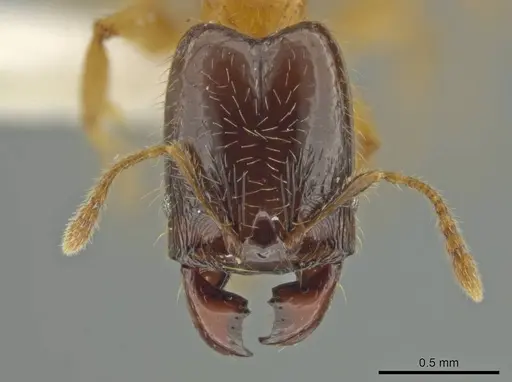
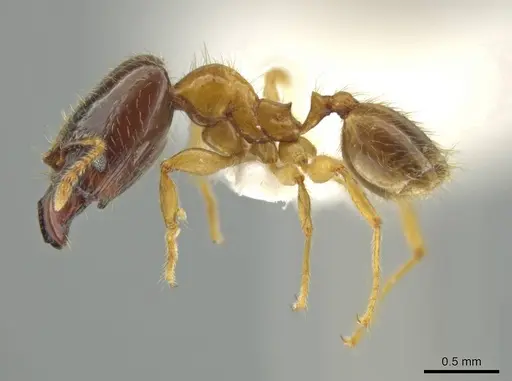
Pheidole triplex is a small Neotropical ant species native to Trinidad and Tobago and Ecuador. The species is named 'triplex' for its striking tricolored major workers, they have a medium brown head and mandibles, a yellow mesosoma (middle body), waist, and legs, and a light brown abdomen (gaster). Minor workers are a uniform clear yellow. This is a dimorphic species with distinct major and minor worker castes: majors have the characteristic large, square heads of Pheidole species, while minors are tiny at just 0.42mm head width. The type colony was discovered in mature montane rainforest at 550-650m elevation, nesting beneath a rock in clay soil with a seed cache present. This suggests they are seed-harvesting ants that nest in shaded, humid forest floor environments.
Quick Summary
- Difficulty: Medium
- Origin & Habitat: Trinidad and Tobago and Ecuador. The type locality is Aripo Ridge in the Arima Valley, Trinidad, at 550-650m elevation in mature montane rainforest. They nest beneath rocks in clay soil. This is a flood-intolerant species found in low-frequency populations in Amazonian Ecuador [1].
- Colony Type: Likely monogyne (single queen) based on typical Pheidole colony structure. Pheidole species typically have one queen per colony, though some can be polygynous. No specific data on colony structure for this species.
- Colony: Monogyne
- Founding: Claustral
- Size & Growth:
- Queen: Not directly measured, estimate 5-7mm based on genus Pheidole patterns
- Worker: Major: 0.80mm HW (head width), Minor: 0.42mm HW
- Colony: Unknown for this species, typical Pheidole colonies can reach several thousand workers
- Growth: Moderate, inferred from typical Pheidole development patterns
- Development: Estimated 6-8 weeks at optimal tropical temperatures (25-28°C) based on genus-level Pheidole data (Development time is estimated from related Pheidole species, direct measurements for P. triplex are not available. Tropical species typically develop faster than temperate ones.)
- Antkeeping:
- Temperature: Keep at 24-28°C. As a tropical species from Trinidad, they prefer warm conditions. A gentle gradient with a heating cable on one side of the nest allows workers to regulate their temperature [2].
- Humidity: High humidity required, they nest in clay soil in rainforest habitats. Keep the nest substrate consistently moist but not waterlogged. Provide a water tube for drinking access.
- Diapause: Likely minimal or no true diapause, as a tropical species from Trinidad, they probably do not require hibernation. However, slight temperature reduction during winter months may be beneficial.
- Nesting: Natural nesting is under rocks in clay soil in humid, shaded forest floor. In captivity, a naturalistic setup with moist soil or a Y-tong/plaster nest works well. They prefer tight, enclosed chambers that retain humidity.
- Behavior: Pheidole triplex is a ground-foraging species typical of the genus. They are seed harvesters (as evidenced by the seed cache found in the type colony) and likely also forage for small insects and honeydew. Major workers defend the nest and help process large food items, while minors handle most foraging. They are not particularly aggressive but will defend if threatened. Escape prevention should be good, they are small but not extreme escape artists like some tiny ants. However, standard barrier precautions are still recommended.
- Common Issues: flood intolerance, this species cannot survive flooding, so keep nest areas dry and avoid water flooding into the nest, high humidity requirement, drying out can kill colonies, monitor substrate moisture regularly, infrequent species, may be harder to find and establish from wild-caught queens, slow colony establishment, Pheidole can take time to build numbers, patience is needed, seed cache behavior, they may store seeds in the nest, so avoid disturbing the nest chamber too often
Nest Preferences and Housing
In the wild, Pheidole triplex nests beneath rocks in clay soil within mature montane rainforest. The type colony was found at 550-650m elevation in Trinidad, nesting in humid, shaded conditions under a rock with a seed cache present. This tells us they prefer enclosed, humid nest sites that stay relatively stable in temperature and moisture. For captive care, a naturalistic setup with moist soil or a Y-tong/plaster nest works well. The nest material should retain humidity without becoming waterlogged. Avoid test tube setups unless you can maintain humidity, these ants need the damp conditions of their forest floor habitat. A small water tube should be provided for drinking access, as they will need moisture beyond what the substrate provides. [1][2]
Feeding and Diet
Pheidole triplex is a seed-harvesting ant, the seed cache found in the type colony confirms this. Like other Pheidole species, they are generalist foragers that collect seeds and also hunt small insects and tend aphids for honeydew. In captivity, offer a varied diet: small seeds (millet, chia, flax), small insects (fruit flies, pinhead crickets, mealworms), and sugar sources (honey water, sugar water). Major workers help process larger food items that minors cannot handle alone. Feed protein sources 2-3 times per week and keep sugar water available constantly. Remove uneaten seeds and prey after 2-3 days to prevent mold. [1][2]
Temperature and Seasonal Care
As a tropical species from Trinidad, Pheidole triplex prefers warm conditions around 24-28°C. They are found in montane rainforest at moderate elevation, which suggests they can tolerate slightly cooler temperatures than lowland tropical ants, but warmth is still important for colony activity and brood development. A heating cable on one side of the nest creates a temperature gradient allowing workers to choose their comfort zone. This species is flood-intolerant [1], so ensure the nest area stays moist but never has standing water. Regarding diapause: as a tropical species, they likely do not require true hibernation. However, a slight reduction in temperature during winter months (dropping to around 20-22°C) may help simulate seasonal changes and encourage natural colony cycles.
Behavior and Colony Structure
Pheidole triplex is a dimorphic species with distinct major and minor worker castes. Major workers have the characteristic large, square heads of Pheidole species, which house powerful muscles for seed processing and defense. Minor workers are tiny and handle most foraging and brood care. This division of labor is efficient: minors scout for food and bring it back, while majors defend the nest and help break down large seeds or prey. They are ground-foraging ants that likely use chemical trails to recruit nestmates to food sources. They are not particularly aggressive toward keepers but will bite if the nest is threatened. Colonies probably reach several thousand workers over time, typical of the Pheidole genus. [1][2]
Frequently Asked Questions
How long does it take for Pheidole triplex to produce first workers?
Expect first workers (nanitics) around 6-8 weeks after the queen lays eggs, assuming temperatures around 25-28°C. This is an estimate based on typical Pheidole development, direct development data for P. triplex is not available. The first workers will be smaller than normal minors but should begin foraging quickly.
What do Pheidole triplex ants eat?
They are seed harvesters that also eat small insects and sugar sources. Offer small seeds like millet or chia, small insects like fruit flies or pinhead crickets, and keep honey water or sugar water available. Remove uneaten food after 2-3 days to prevent mold.
Can I keep Pheidole triplex in a test tube setup?
Test tubes are not ideal for this species. They require high humidity and nest in soil in the wild. A naturalistic setup with moist substrate or a Y-tong/plaster nest works better. If using test tubes, you must maintain high humidity and provide a water tube, but monitoring moisture is difficult.
Are Pheidole triplex good for beginners?
This species is rated Medium difficulty. They have specific humidity requirements (high humidity, flood intolerant) and can be harder to find than common species. If you have experience keeping tropical ants and can maintain humid conditions, they can be rewarding.
How big do Pheidole triplex colonies get?
Colony size is not documented for this specific species, but typical Pheidole colonies reach several thousand workers over several years. They are dimorphic with majors and minors, so you'll see size variation in the worker force.
Do Pheidole triplex need hibernation?
As a tropical species from Trinidad, they likely do not require true hibernation. A slight temperature reduction during winter (to around 20-22°C) may be beneficial, but full diapause is not necessary.
Why are my Pheidole triplex dying?
Common causes include: drying out (they need high humidity), flooding or waterlogged nest material (they are flood-intolerant), or temperatures too low. Check that the substrate stays moist but not wet, temperatures are in the 24-28°C range, and there is adequate ventilation without drafts.
When should I move Pheidole triplex to a formicarium?
Wait until the colony has at least 50-100 workers before moving to a larger formicarium. Starting in a founding setup (like a test tube with moist cotton or a small soil container), then transitioning to a Y-tong or plaster nest once the colony is established works well.
Can I keep multiple Pheidole triplex queens together?
Pheidole species are typically monogyne (single queen). Combining unrelated queens is not recommended and often results in fighting. If you catch a founding queen, keep her alone until she establishes her first workers.
References

This caresheet is licensed under CC BY-SA 4.0 .
CASENT0645884
View on AntWeb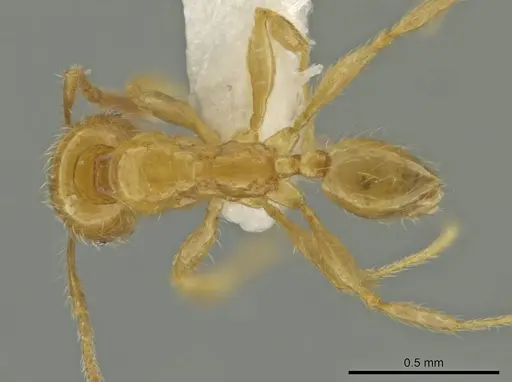
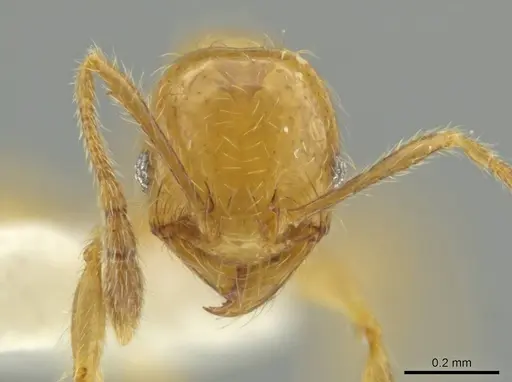
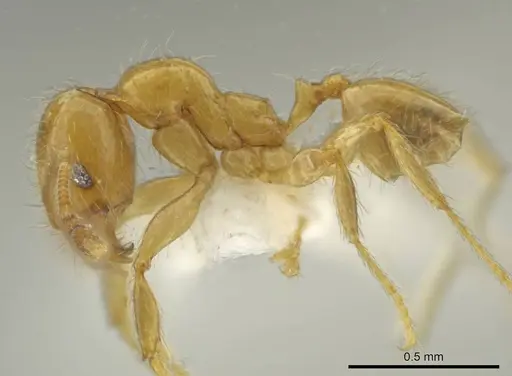
JTLC000016561
View on AntWeb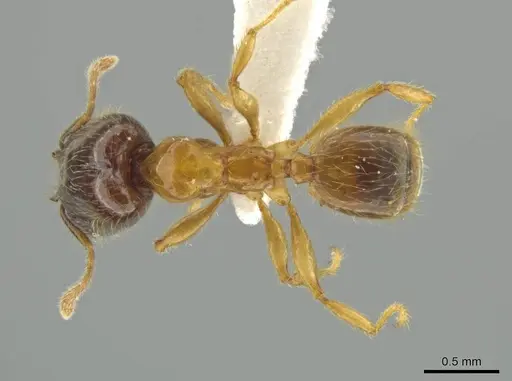
Literature
Loading...Loading products...