

Pheidole transversostriata
- Scientific Name
- Pheidole transversostriata
- Tribe
- Attini
- Subfamily
- Myrmicinae
- Author
- Mayr, 1887
- Distribution
- Found in 5 countries
Pheidole transversostriata Overview
Pheidole transversostriata is an ant species of the genus Pheidole. It is primarily documented in 5 countries , including Brazil, Colombia, Costa Rica. Detailed taxonomic data and occurrence records can be further explored via authoritative databases such as AntWeb or the Global Biodiversity Information Facility (GBIF).
Pheidole transversostriata
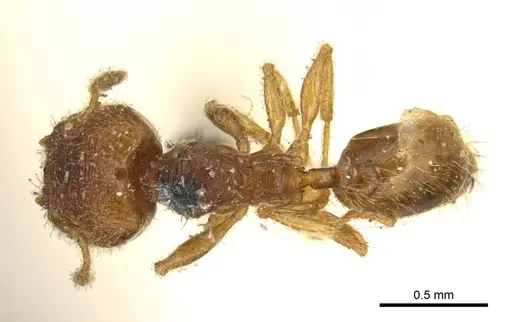
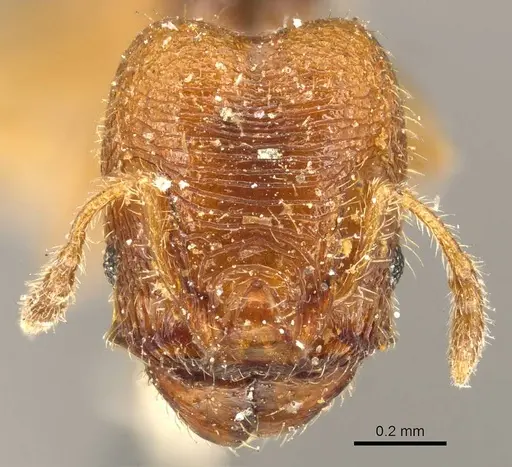
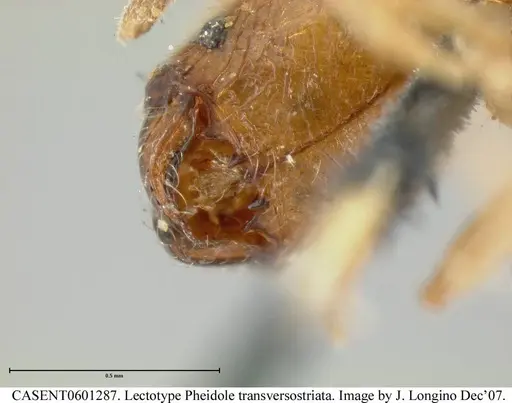
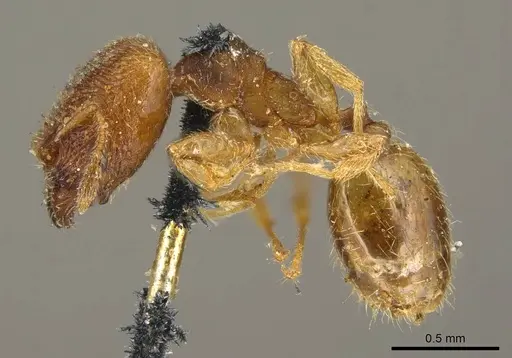
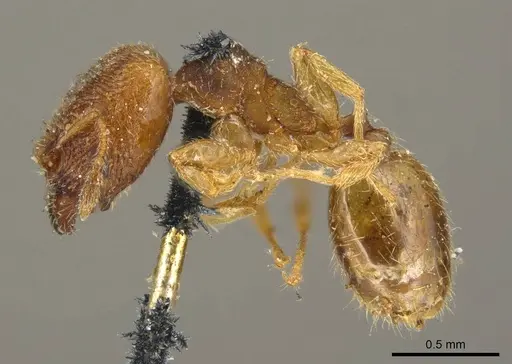
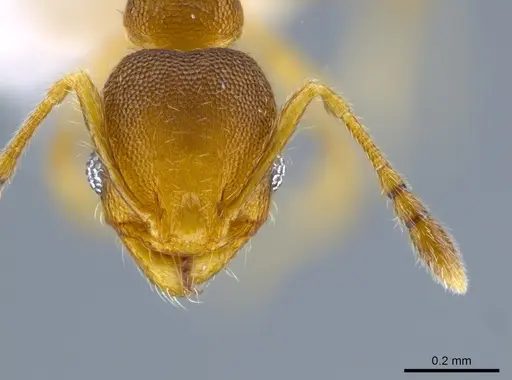
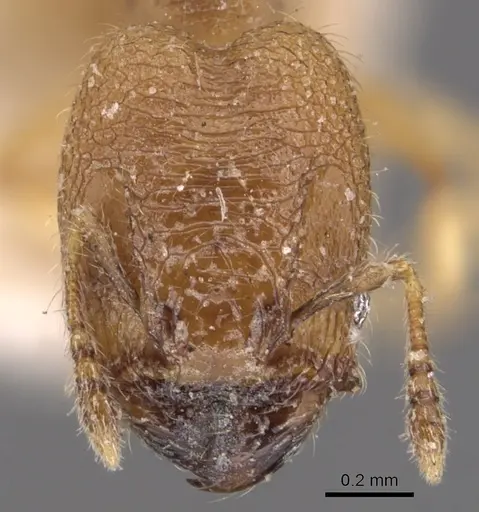
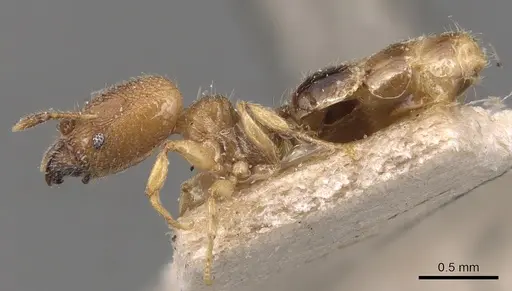
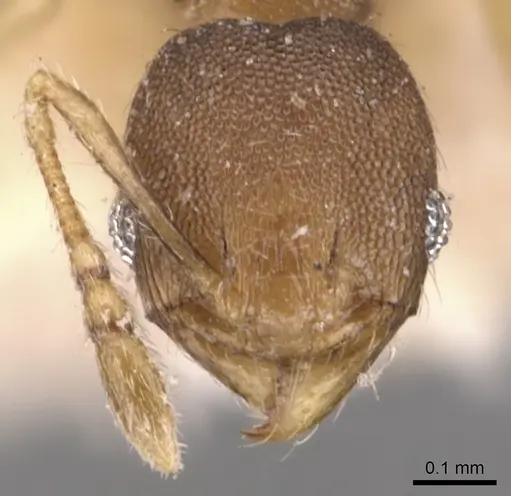
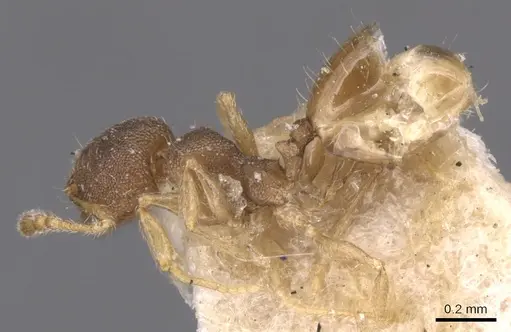
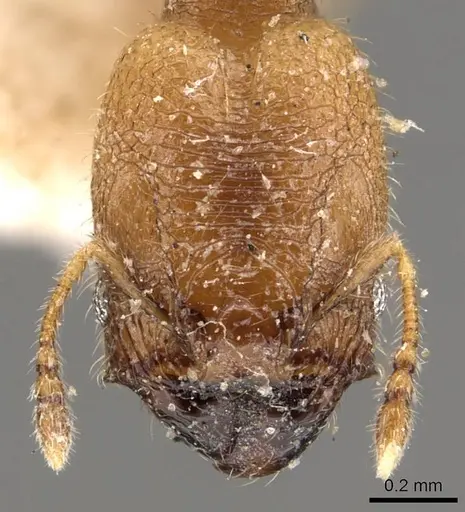
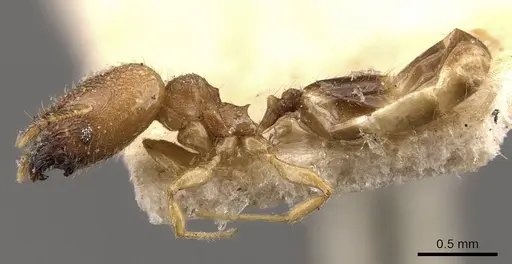
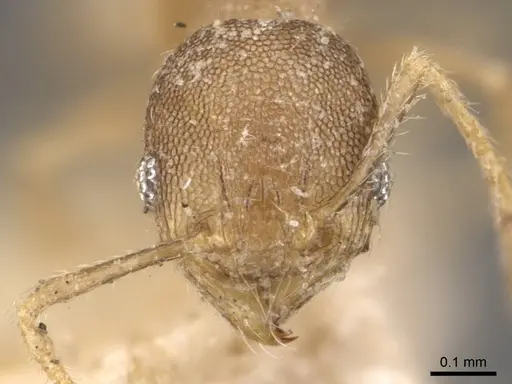
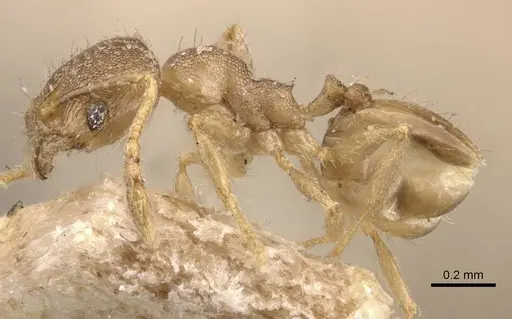
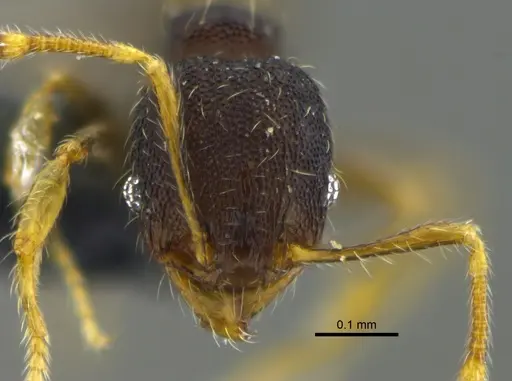
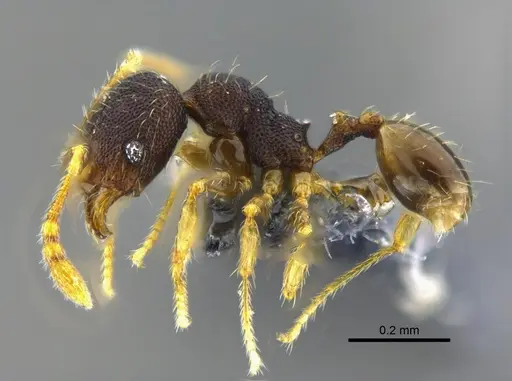
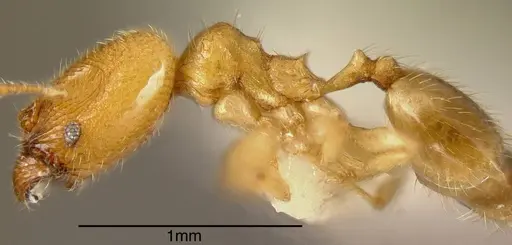
Pheidole transversostriata is a small Neotropical ant species known for its distinctive major workers (soldiers) featuring a ladder-like pattern of transverse carinae on their heads. Majors measure around 0.64-0.66mm head width, while minor workers are much smaller at 0.40-0.42mm. The species displays a yellowish-brown coloration, with majors having a slightly lighter head and darker gaster. This ant is widely distributed across the Neotropical region from the Caribbean islands through northern South America to Brazil, where it inhabits both seasonal dry forests and evergreen tropical forests. Workers forage on the forest floor and are easily attracted to baits, while the soldiers remain underground (hypogeous). The species was previously known as Pheidole transversostriata before being synonymized.
Quick Summary
- Difficulty: Medium
- Origin & Habitat: Neotropical region, found in Barbados, Brazil, Colombia, Costa Rica, Ecuador, French Guiana, Guyana, Nicaragua, Suriname, Trinidad and Tobago, and Venezuela. Inhabits seasonal dry forest and evergreen forest, nesting in soil in open areas of leaf litter or under dry trunks and branches [1][2].
- Colony Type: Colony structure is not well documented in scientific literature. As a Pheidole species, it likely forms monogyne (single-queen) colonies, which is typical for the genus.
- Founding: Claustral
- Size & Growth:
- Queen: Not directly measured in available literature, estimated based on genus patterns at 5-7mm
- Worker: Minor workers: 0.40-0.44mm head width [1], Major workers: 0.64-0.66mm head width [1]
- Colony: Unknown, likely moderate colony size typical of Pheidole species (several hundred workers)
- Growth: Moderate, inferred from related Pheidole species
- Development: Estimated 6-8 weeks at optimal tropical temperatures based on genus patterns (Development time is inferred from typical Pheidole genus patterns, specific data for this species is unavailable)
- Antkeeping:
- Temperature: Keep at 24-28°C, this is a tropical species from lowland Neotropical forests. Room temperature (22-26°C) is suitable, with a slight heat gradient preferred [1].
- Humidity: Moderate to high humidity (60-80%), they inhabit forest floor environments in both dry and wet forests. Keep the nest substrate consistently moist but not waterlogged.
- Diapause: No, as a tropical species, they do not require hibernation. However, slight seasonal slowing may occur in cooler months.
- Nesting: Soil-nesting species that prefers naturalistic setups with moist substrate. A Y-tong or plaster nest with chambers scaled to their small size works well. They nest in soil under leaf litter, dry wood, or stones in the wild, a layer of substrate for tunneling is essential [1].
- Behavior: Workers are active foragers on the forest floor and easily recruited to food baits. The species shows typical Pheidole behavior with minor workers handling most foraging tasks while major workers (soldiers) remain in the nest for defense and seed processing. They are not aggressive but will defend the nest if threatened. Escape risk is moderate, their small size requires fine mesh barriers, but they are not strong climbers.
- Common Issues: tropical species is sensitive to temperature drops below 20°C, keep warm, small colony size means slow growth, patience required during founding phase, soldiers stay underground so you may not see majors until colony is established, wild-caught colonies may have parasites that can devastate captive colonies, tiny nest entrances in wild suggest they prefer tight, secure nesting spaces
Housing and Nest Setup
Pheidole transversostriata is a soil-nesting species that requires a naturalistic or semi-naturalistic setup with a substrate layer for tunneling. In the wild, they nest in soil under leaf litter, dry trunks, or branches, with excessively small nest entrances [1]. For captive care, a Y-tong (acrylic) nest with a dirt chamber or a plaster formicarium with moist substrate works well. The nest should have tight chambers scaled to their tiny size, minor workers are only about 0.4mm, so passages should be narrow and secure. A test tube setup can work for founding colonies if provided with a moist cotton and covered with dark material for the first few weeks. Because they are tropical, avoid any temperature drops below 22°C.
Feeding and Diet
Like most Pheidole species, these ants are omnivorous foragers that readily accept protein and sugar sources. Workers are easily attracted to baits in the wild [1], so they should accept typical ant foods including sugar water, honey, fruit, and protein sources like small insects (fruit flies, pinhead crickets, mealworms). In their natural habitat in tropical forests, they likely forage for small arthropods and tend aphids for honeydew. Feed protein sources 2-3 times per week and keep a sugar water constant. Remove uneaten food after 24-48 hours to prevent mold.
Temperature and Seasonal Care
As a Neotropical species from lowland forests, Pheidole transversostriata requires warm conditions year-round. Keep the nest area at 24-28°C, this mimics their natural tropical environment from Costa Rica to Brazil. They are found in both seasonal dry forest and evergreen forest [2], so they can tolerate some variation but should never be allowed to get cold. A heating cable on one side of the nest can create a gentle gradient if your room temperature runs cool. Unlike temperate species, they do not require hibernation or diapause. However, activity may slow slightly during cooler months in captivity.
Behavior and Colony Dynamics
This species exhibits typical Pheidole colony structure with distinct minor and major (soldier) castes. The major workers have distinctive transverse carinae on their heads forming a ladder-like pattern, this is how they got their name 'transversostriata' (transversely lined) [1]. Workers forage on the forest floor and are easily recruited to food sources, while soldiers are hypogeous (remain underground) and rarely seen outside the nest. This is a rare species in the wild [3], which may mean they are sensitive to environmental changes. Colonies likely grow moderately, expect several months before you see major workers appear, as soldiers are typically produced once the colony reaches a certain size.
Growth and Development
Specific development timeline data is not available for this species, but it follows typical Pheidole patterns. Queens are likely claustral, they seal themselves in a chamber and raise the first brood alone without foraging. The first workers (nanitics) will be smaller than mature workers. Expect 6-8 weeks from egg to first worker at optimal temperatures (around 26°C). Colony growth is moderate, it may take 6-12 months to reach 50-100 workers. Major workers typically appear once the colony is established and has sufficient resources. This is a slow-growing species compared to some faster Pheidole, so patience is required during the founding phase.
Frequently Asked Questions
How long does it take for Pheidole transversostriata to produce first workers?
Based on typical Pheidole development, expect 6-8 weeks from egg to first worker at optimal tropical temperatures (24-28°C). The exact timeline is not scientifically documented for this species, but genus patterns suggest this timeframe.
What do Pheidole transversostriata ants eat?
They are omnivorous foragers. Offer protein sources like small insects (fruit flies, pinhead crickets, mealworms) 2-3 times per week, and keep sugar water or honey available constantly. They easily recruit to baits in the wild.
Do Pheidole transversostriata ants need hibernation?
No, this is a tropical Neotropical species that does not require hibernation. Keep them warm year-round at 24-28°C. They come from lowland forests in Costa Rica, Brazil, and the Caribbean where temperatures remain warm.
Are Pheidole transversostriata good for beginners?
This is a medium-difficulty species. They are more challenging than common temperate ants because they require warm temperatures year-round and are sensitive to cold. They are also considered rare in the wild. Expect slower growth than species like Lasius or Camponotus. Not the best choice for a first ant, but manageable for those with some experience.
When will I see major workers in my Pheidole transversostriata colony?
Major workers (soldiers) typically appear once the colony reaches moderate size, often after several months of growth. In the wild, soldiers are hypogeous (stay underground) [1], so you may not see them until the colony is well-established with 50+ workers.
What size colony do Pheidole transversostriata reach?
Colony size is not well documented, but typical Pheidole species reach several hundred workers. This is considered a rare species in the wild [3], so large colonies may be uncommon even in nature.
Can I keep multiple queens together?
Not recommended, there is no documented evidence for pleometrosis (multiple-queen founding) in this species. Like most Pheidole, they likely form single-queen colonies. Keep only one queen per setup.
What temperature is ideal for Pheidole transversostriata?
Keep them at 24-28°C. This is a tropical lowland species from Neotropical forests. Room temperature in most homes is suitable, but avoid temperatures below 22°C. A slight heat gradient in the nest is beneficial.
Why are my Pheidole transversostriata dying?
The most common causes are: temperature too low (below 20°C), improper humidity (too dry or waterlogged), or stress from wild-caught origins. This is a rare species that may be sensitive to captive conditions. Ensure warm, stable temperatures and appropriate humidity. Wild-caught colonies may also carry parasites.
What type of nest should I use?
Use a naturalistic setup with a soil or digging chamber, or a Y-tong with a dirt insert. They nest in soil under leaf litter in the wild with very small entrances [1]. A plaster formicarium with a moist chamber also works well for this soil-nesting species.
References

This caresheet is licensed under CC BY-SA 4.0 .
CASENT0601287
View on AntWeb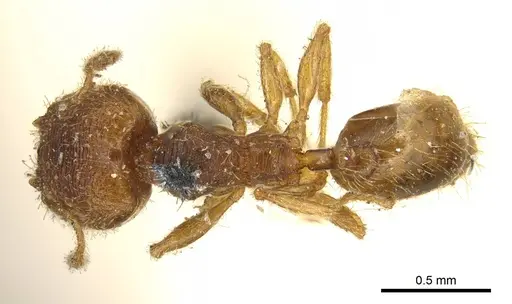
CASENT0619444
View on AntWeb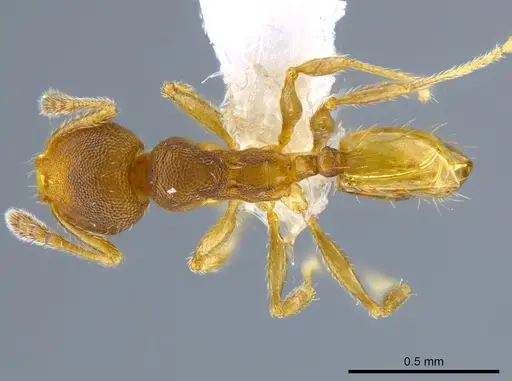
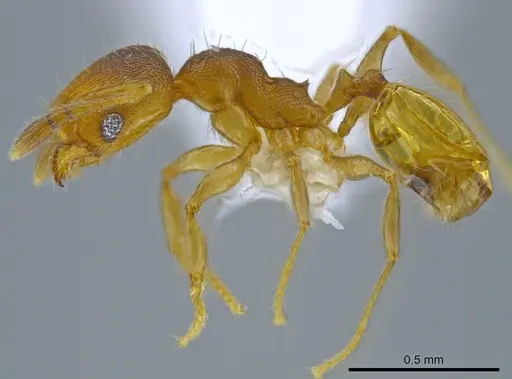
CASENT0635522
View on AntWeb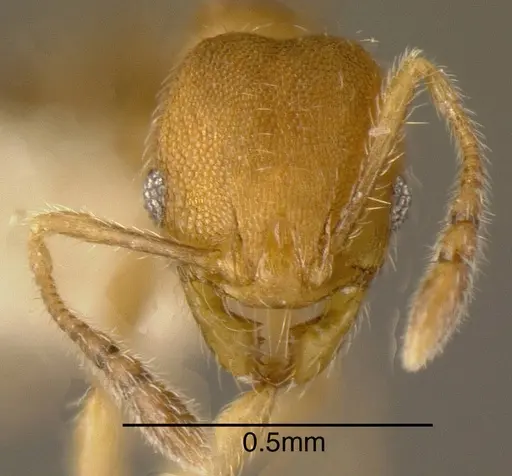
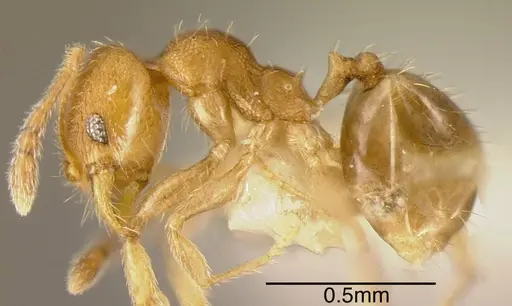
CASENT0904447
View on AntWeb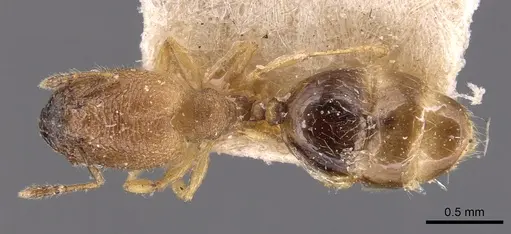
CASENT0904448
View on AntWeb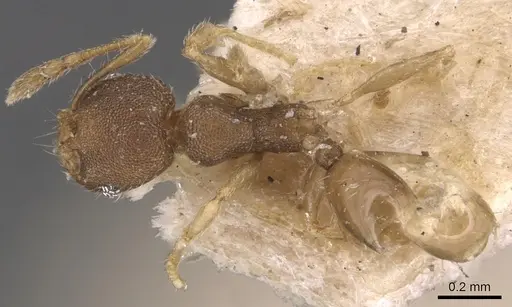
CASENT0908300
View on AntWeb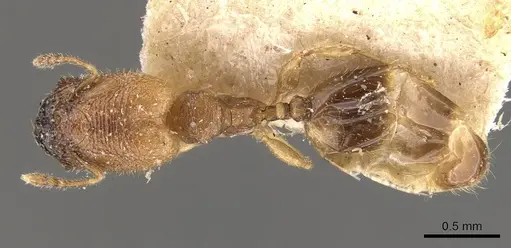
CASENT0908301
View on AntWeb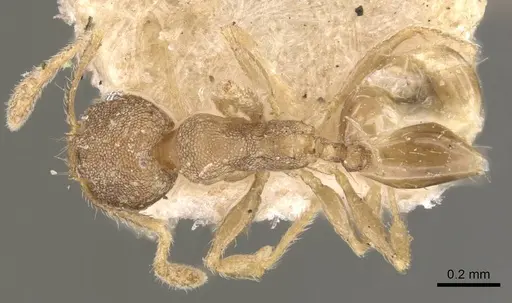
CBUMAGENT42027
View on AntWeb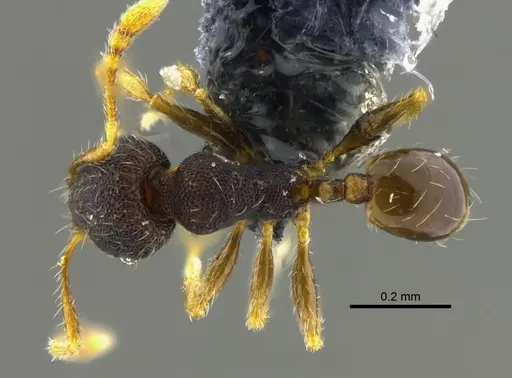
INBIOCRI002279609
View on AntWeb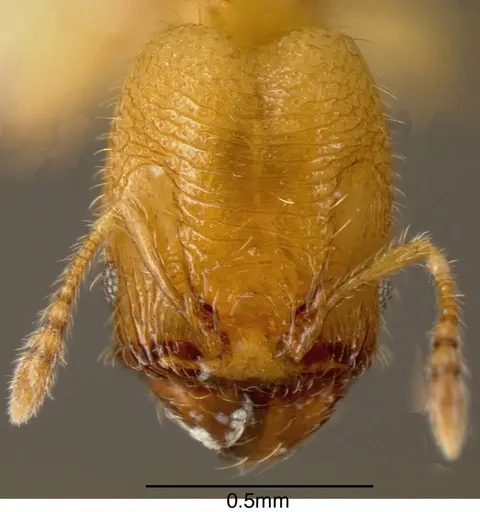
Literature
Loading...Loading products...