

Pheidole tolteca
- Scientific Name
- Pheidole tolteca
- Tribe
- Attini
- Subfamily
- Myrmicinae
- Author
- Forel, 1901
- Distribution
- Found in 1 countries
Pheidole tolteca Overview
Pheidole tolteca is an ant species of the genus Pheidole. It is primarily documented in 1 countries , including Mexico. Detailed taxonomic data and occurrence records can be further explored via authoritative databases such as AntWeb or the Global Biodiversity Information Facility (GBIF).
Pheidole tolteca
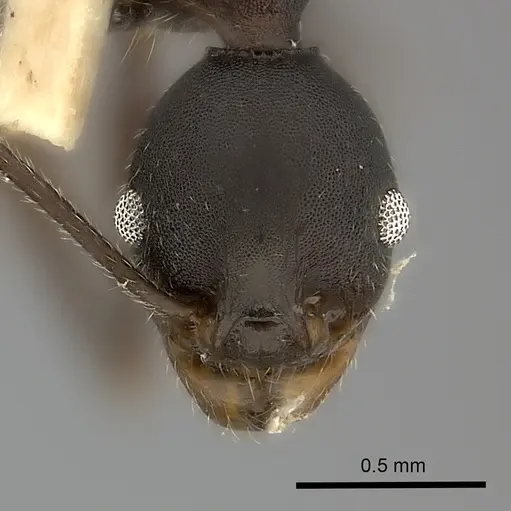
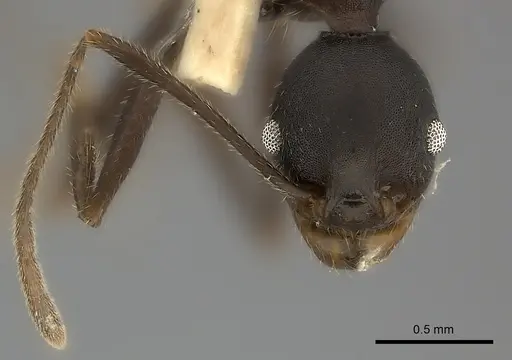
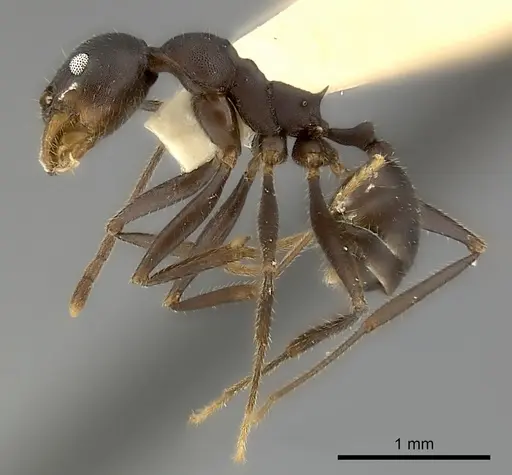
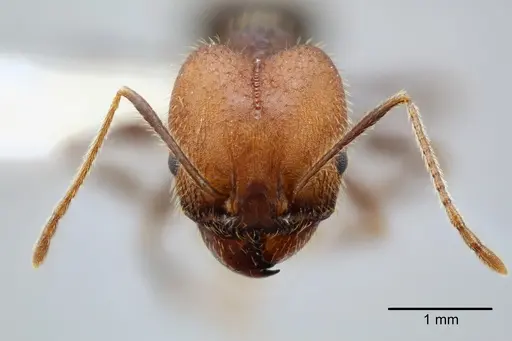
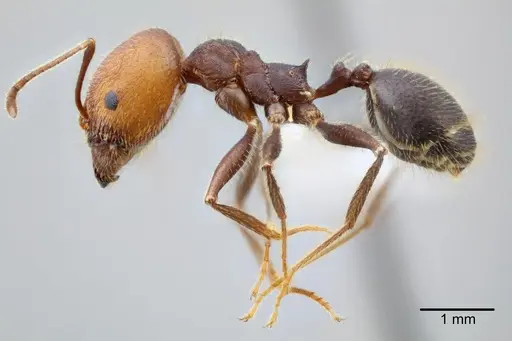
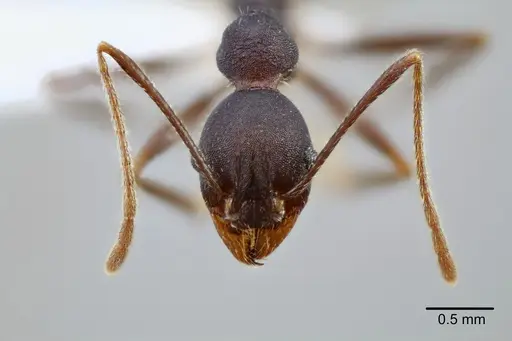
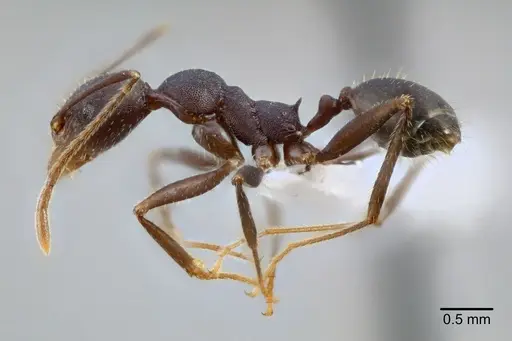
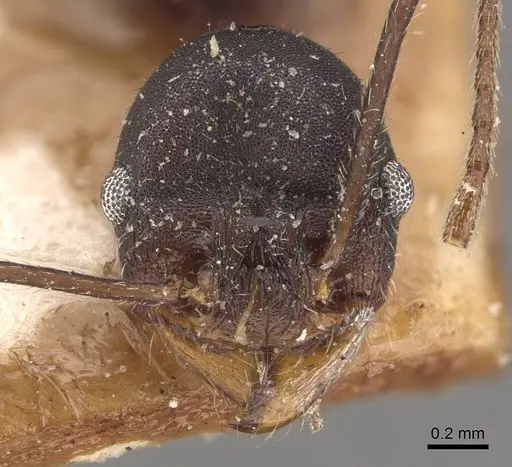
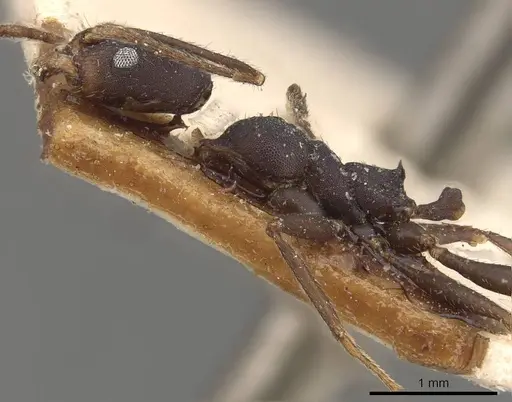
Pheidole tolteca is a striking Mexican ant species known for its dramatic size difference between major and minor workers. Major workers have large, reddish-brown heads with a distinctive rugoreticulum pattern, while minor workers are smaller and uniformly brown. This species belongs to the fallax group and is endemic to central and southern Mexico, where it inhabits tropical scrub, deciduous forest, and pine forest areas at elevations between 1,500 and 2,400 meters [1]. One of the most fascinating traits of this species is its defensive mechanism: major workers can release a transparent sticky substance from their gaster when threatened, a behavior also documented in related species like P. bicostricta and P. vistana [1].
Quick Summary
- Difficulty: Medium
- Origin & Habitat: Endemic to central and southern Mexico, specifically found in Morelos (Cuernavaca, Cuautla), Michoacán, Guerrero, and Puebla. They inhabit tropical scrub, tropical deciduous forest, and pine forest at elevations of 1,500-2,400 meters [1]. Workers have been collected in urban areas inside houses, suggesting they can adapt to human-modified environments.
- Colony Type: Single-queen colonies (monogyne). Pheidole colonies typically have one founding queen that establishes the colony alone.
- Colony: Monogyne
- Founding: Claustral
- Size & Growth:
- Queen: Approximately 6-8mm (estimated based on genus patterns)
- Worker: Major workers: 1.72mm head width,1.82mm head length. Minor workers: 0.86mm head width,1.06mm head length [1].
- Colony: Likely reaches several hundred to over a thousand workers based on typical Pheidole colony sizes
- Growth: Moderate
- Development: 6-10 weeks (estimated based on typical Pheidole development) (Development time is temperature-dependent. Warmer conditions within safe ranges will speed up development.)
- Antkeeping:
- Temperature: Keep nest area at 22-26°C. This species comes from mid-elevation Mexican habitats with moderate temperatures. A heating cable on one side creates a gradient allowing ants to self-regulate.
- Humidity: Moderate humidity around 50-60%. Provide a water tube for drinking moisture. The natural habitat includes both dry scrub and more humid forest areas, so they tolerate a range of conditions.
- Diapause: Yes. Based on temperate Mexican distribution, colonies likely benefit from a winter rest period of 2-3 months at reduced temperatures (10-15°C).
- Nesting: Y-tong (AAC) nests or plaster nests work well. In the wild, they nest in soil and rotting wood. Provide a nest with chambers sized appropriately for their major workers.
- Behavior: Pheidole tolteca is generally calm and not aggressive toward keepers. Major workers serve as soldiers and defenders, while minor workers handle foraging and brood care. The sticky substance they release when handled is a defensive adaptation, it can entangle predators but poses no danger to humans. They are active foragers that search for seeds and protein. Escape risk is moderate, standard barriers work well for their size.
- Common Issues: colonies may decline if kept too cold, maintain warm temperatures year-round except during hibernation, major workers can get stuck in moist substrates, keep nesting area relatively dry, slow initial growth during founding phase can lead to overfeeding, resist the urge to overfeed new colonies, sticky substance from majors can make a mess in formicariums, handle gently and avoid squeezing majors
Housing and Nest Setup
Pheidole tolteca adapts well to various captive setups. Y-tong (acrylic) nests work excellently because they provide smooth walls that majors can navigate. Plaster nests are also suitable and help maintain stable humidity. For the outworld, use a simple container with a secure lid, these ants aren't strong climbers but can escape through small gaps. Provide a shallow water tube with a cotton wick for drinking moisture. Since they come from mid-elevation Mexican habitats, room temperature is often suitable, though a slight heat gradient helps during active growth periods. Keep nesting areas darker to mimic their natural underground chambers. [1]
Feeding and Diet
Pheidole tolteca is an omnivorous seed harvester with typical Myrmicinae dietary preferences. Offer a mix of protein and carbohydrates. Good protein sources include small insects like fruit flies, pinhead crickets, and mealworms. They readily accept seeds, especially small grass seeds or bird seed mixes. Sugar water, honey, or diluted jam provides carbohydrates. Feed protein 2-3 times per week, and keep a sugar source available at all times. Remove uneaten food after 24-48 hours to prevent mold. During founding, the claustral queen needs no food, she survives entirely on stored fat reserves until her first nanitic workers emerge.
Temperature and Seasonal Care
Maintain the nest area at 22-26°C for optimal brood development. This species originates from Mexican habitats at 1,500-2,400m elevation, where temperatures are moderate year-round. A small heating cable placed on one side of the nest creates a temperature gradient that ants can use to self-regulate. During winter, reduce temperatures to 10-15°C for 2-3 months to simulate natural seasonal cycles. This hibernation period helps maintain colony health and may trigger reproductive behavior in spring. Do not cool suddenly, reduce temperature gradually over 1-2 weeks. [1]
Behavior and Defense
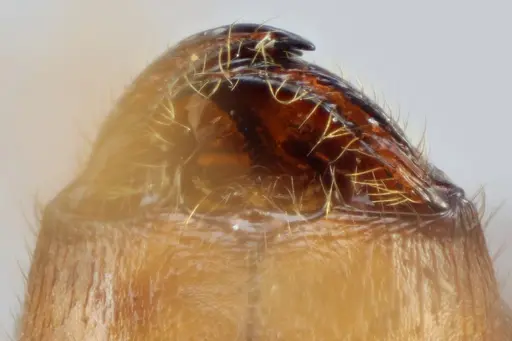
This species has a fascinating defensive mechanism: major workers can release a transparent sticky substance from their gaster when threatened or handled. This substance, produced by hypertrophied pygidial glands, is used in related species to entangle predators and prey by grasping appendages and pulling backwards. While this behavior hasn't been directly observed killing prey in P. tolteca, it serves as an effective deterrent. When handling these ants, be gentle and avoid squeezing the majors. This sticky secretion is not dangerous to humans but can make a mess in formicariums. The colony's division of labor is clear: minor workers handle most tasks including foraging, while major workers defend the nest and help process larger food items. [1]
Colony Growth and Development
Pheidole colonies grow gradually during the founding phase. A newly mated queen will seal herself in a small chamber and lay eggs. She feeds the first brood from her own body reserves until nanitic (first) workers emerge. These initial workers are smaller than normal workers but immediately begin foraging for food to feed subsequent broods. Colony growth accelerates once the first workers are established. Expect 6-10 weeks from egg to first worker under optimal conditions. Major workers appear as the colony grows, they develop from normal worker larvae when the colony reaches sufficient size, a phenomenon called polymorphic caste development. A healthy colony can eventually reach several hundred to over a thousand workers.
Frequently Asked Questions
How long does it take for Pheidole tolteca to raise first workers?
Expect 6-10 weeks from egg to first worker at optimal temperature (22-26°C). The claustral queen seals herself in and raises the first brood alone using stored fat reserves. Once nanitic workers emerge, growth accelerates as they begin foraging.
What do Pheidole tolteca ants eat?
They are omnivorous seed harvesters. Offer small insects (fruit flies, pinhead crickets, mealworms) for protein 2-3 times weekly. Seeds (grass seeds, bird seed) are readily accepted. Keep sugar water or honey available constantly. Remove uneaten food after 24-48 hours.
What temperature do Pheidole tolteca need?
Keep the nest at 22-26°C. They come from mid-elevation Mexican habitats where temperatures are moderate. A slight heat gradient using a heating cable on one side of the nest helps with temperature regulation.
Do Pheidole tolteca need hibernation?
Yes. Based on their Mexican temperate distribution, colonies benefit from a winter rest period. Reduce temperatures to 10-15°C for 2-3 months during winter. Lower temperature gradually over 1-2 weeks.
How big do Pheidole tolteca colonies get?
Based on typical Pheidole patterns, colonies likely reach several hundred to over a thousand workers. The dramatic size difference between major and minor workers becomes more pronounced as the colony grows.
Can I keep multiple Pheidole tolteca queens together?
No. This species is monogyne, single-queen colonies. Multiple unrelated queens will fight. Only keep one queen per colony.
What makes Pheidole tolteca special?
Their most unique trait is the sticky defensive secretion released by major workers. They also have dramatic polymorphism between major and minor workers, with majors having distinctive reddish-brown heads. They are endemic to central and southern Mexico.
Is Pheidole tolteca good for beginners?
They are intermediate in difficulty. They are more forgiving than tropical species but require attention to temperature and seasonal cycles. Their interesting polymorphism and defensive behavior make them rewarding to keep.
When should I move Pheidole tolteca to a formicarium?
Move them when they outgrow their founding setup or when the test tube becomes crowded. This is typically when the colony reaches 30-50 workers. Make sure the formicarium has appropriately sized chambers and good escape prevention.
References

This caresheet is licensed under CC BY-SA 4.0 .
CASENT0217905
View on AntWeb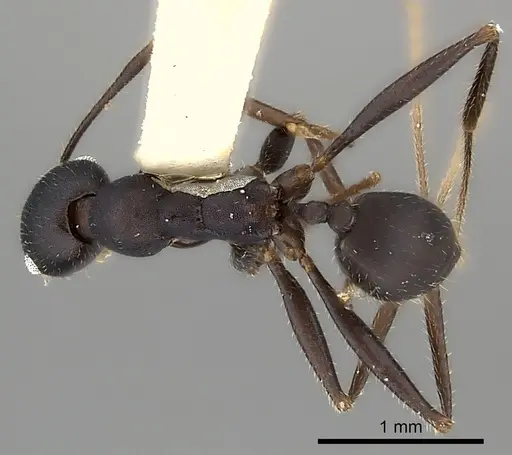
CASENT0649660
View on AntWeb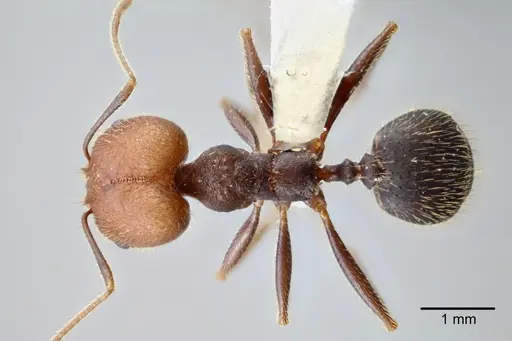
CASENT0649661
View on AntWeb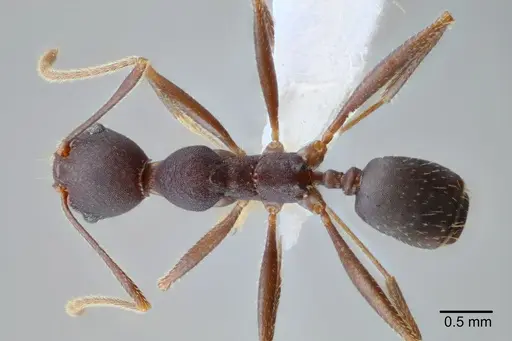
CASENT0908121
View on AntWeb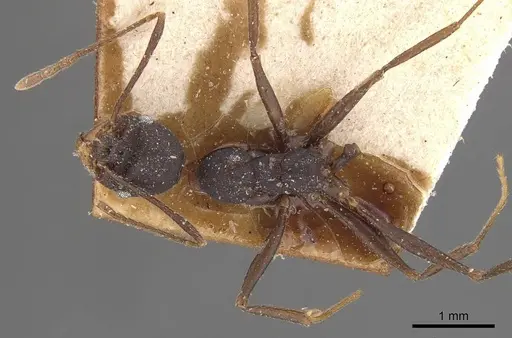
Literature
Loading...Loading products...