

Pheidole titanis
- Scientific Name
- Pheidole titanis
- Tribe
- Attini
- Subfamily
- Myrmicinae
- Author
- Wheeler, 1903
- Common Name
- Titan Big-headed Ant
- Distribution
- Found in 2 countries
Pheidole titanis Overview
Pheidole titanis (commonly known as the Titan Big-headed Ant) is an ant species of the genus Pheidole. It is primarily documented in 2 countries , including Mexico, United States of America. Detailed taxonomic data and occurrence records can be further explored via authoritative databases such as AntWeb or the Global Biodiversity Information Facility (GBIF).
Pheidole titanis - "Titan Big-headed Ant"
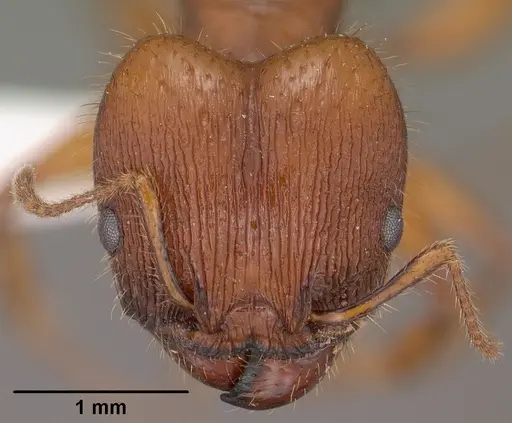
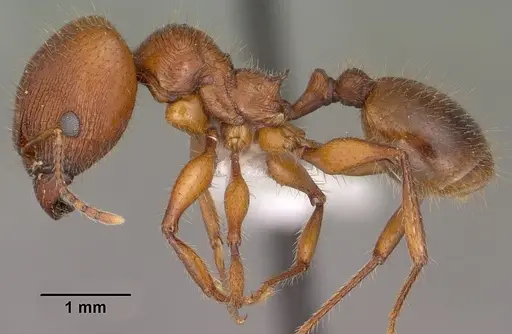
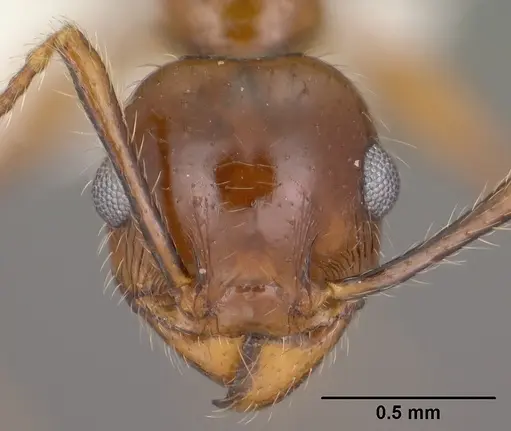
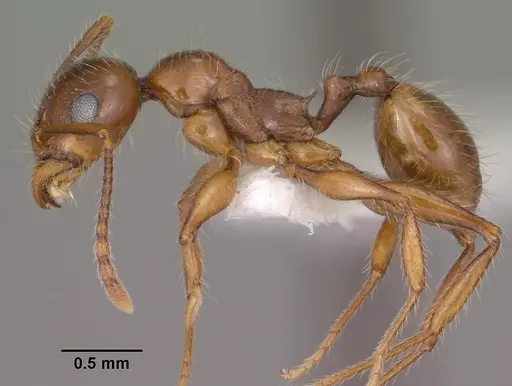
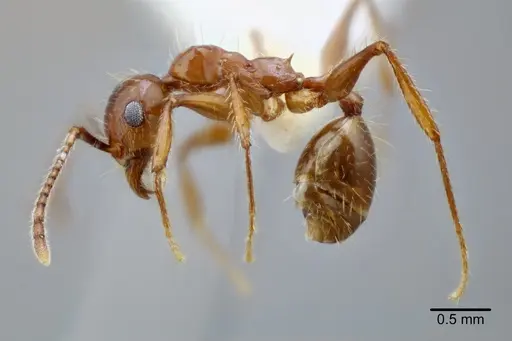
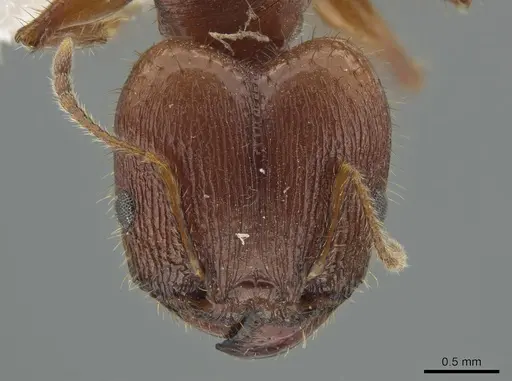
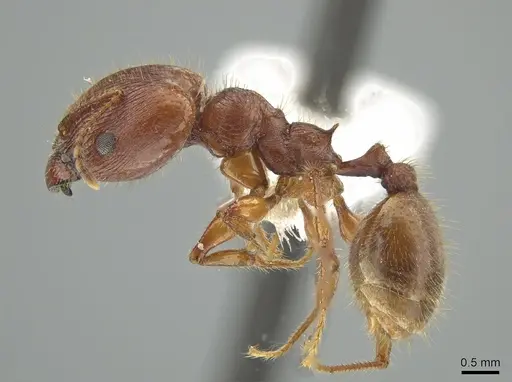
Pheidole titanis is a striking big-headed ant known for its extremely large major workers, reaching 7-8mm in length, earning its name from the mythical titans. Minors are considerably smaller at 4-4.5mm. The species ranges from western Texas through southern Arizona into Jalisco, Mexico, inhabiting desert scrub and deciduous thorn forest environments. Colonies nest under large boulders and stones, often near streams in canyon areas. What makes this species remarkable is its specialized predatory behavior, it is a dedicated termite hunter, launching coordinated raids with 200-2000 workers to overwhelm termite foraging columns[1].
Quick Summary
- Difficulty: Medium
- Origin & Habitat: Western Texas, southern Arizona, and Jalisco, Mexico. Found in desert scrub and deciduous thorn forest, nesting under stones near streams in canyons[1].
- Colony Type: Monogyne (single queen colonies). Colonies contain both major and minor workers, this species shows extreme worker polymorphism with majors significantly larger than minors [2].
- Colony: Monogyne
- Founding: Claustral
- Size & Growth:
- Queen: Unconfirmed, likely 10-12mm based on genus patterns
- Worker: Majors 7-8mm, Minors 4-4.5mm
- Colony: Colonies can reach several thousand workers based on raid sizes of 200-2000 majors and minors observed foraging
- Growth: Moderate, estimated 6-10 weeks from egg to first worker based on typical Pheidole development
- Development: 6-10 weeks (estimated based on genus patterns) (Development time is estimated from related Pheidole species, specific data for P. titanis is not available)
- Antkeeping:
- Temperature: Keep at 24-30°C. This species is adapted to desert and canyon environments, so warmer temperatures are appropriate. A heating cable on one side of the nest creates a gradient allowing workers to self-regulate [1].
- Humidity: Moderate humidity around 40-60%. These ants inhabit arid to semi-arid regions, so avoid overly damp conditions. Provide a water tube but keep the nest substrate relatively dry [1].
- Diapause: Yes, a winter diapause period is recommended. Reduce temperature to 15-18°C for 2-3 months during winter months to simulate natural seasonal cycle [1].
- Nesting: Naturalistic setup with stones or compact soil works best, mimicking their natural under-stone nesting preference. Y-tong or plaster nests with chambers scaled to their medium size are also suitable. Provide a dry, stable environment [1].
- Behavior: This species is highly active and aggressive when hunting. Workers are termitophagous, they specialize in hunting termites and will launch coordinated raids on termite colonies. Scouts find termite foraging columns and recruit massive raiding parties (200-2000 ants) that encircle and overwhelm the prey. They have a dimorphic worker caste system with distinct majors and minors. Workers and soldiers will seek cover when threatened by parasitic phorid flies[3]. Escape risk is moderate, use standard barrier methods but they are not particularly prone to escaping like some tiny species.
- Common Issues: specialized diet, colonies often fail because keepers don't provide enough live termite prey or equivalent protein sources, overheating risk, desert origin means they tolerate heat but can desicate quickly if humidity is too low, phorid fly parasitism, wild-caught colonies may carry parasites that affect foraging behavior, slow colony establishment, large raid parties require a well-established colony first, leading to impatient keepers abandoning setups
Housing and Nest Setup
Pheidole titanis nests naturally under stones in desert and canyon environments, often near streams. For captivity, a naturalistic setup with a layer of compact soil and flat stones on top works well, this mimics their natural nesting sites. Alternatively, Y-tong (acrylic) nests or plaster nests with medium-sized chambers work fine. The key is providing a dry, stable environment since they come from arid habitats. A test tube setup can work for founding colonies, but transfer to a more spacious formicarium once the colony reaches 50+ workers. Always provide an outworld for foraging, these ants need space to conduct their raids [1].
Feeding and Diet - The Termite Specialist
This is the most critical aspect of keeping P. titanis successfully. They are specialized termite predators in the wild, attacking Nasutitermes and other termite species. In captivity, you must provide live termite prey, this is not optional. Offer live termites (Reticulitermes or Zootermopsis work well), other small live insects (fruit flies, small crickets), or experiment with frozen termites. They will avidly snatch prey from tweezers, showing intense hunting behavior. Feed protein-rich prey 2-3 times per week for established colonies. Sugar water or honey can be offered occasionally but is not their primary food source, they are predators, not sugar-seekers. A well-fed colony will show regular raiding behavior in the outworld[4].
Temperature and Seasonal Care
Keep colonies at 24-30°C, with a warmer zone around 28°C being ideal. These desert ants tolerate higher temperatures well but need access to moisture. Use a heating cable on one side of the nest (placed on top of the nest material, not underneath, to avoid evaporation issues) to create a temperature gradient. During winter, implement a diapause period, reduce temperatures to 15-18°C for 2-3 months. This mimics their natural seasonal cycle in desert canyon environments. Do not feed during diapause but ensure water is available. Resume normal temperatures and feeding in spring [1].
Behavior and Defense
Pheidole titanis exhibits remarkable coordinated hunting behavior. Scout ants locate termite foraging columns and return to recruit nestmates. Within hours, a raiding force of 200-2000 majors and minors assembles and marches to the prey. The raid encircles the termites, with each ant seizing individual prey and returning along a chemical recruitment trail. This is fascinating to observe, the organized swarm is unlike typical ant foraging. They also show defensive behavior against parasitic phorid flies (Apocephalus sp.), seeking cover when these parasites attack[3]. Majors serve as soldiers and can deliver a painful bite with their large mandibles, though they lack a stinger.
Colony Growth and Development
Colonies start with a claustral queen who seals herself in and raises the first brood alone. The first workers (nanitics) will be smaller but the colony quickly produces normal-sized workers. P. titanis has extreme worker polymorphism, majors can be nearly twice the size of minors. Expect 6-10 weeks for first workers based on genus patterns. Growth is moderate, a healthy colony can reach several thousand workers over several years. The presence of large majors indicates a well-established colony. Colonies in the wild have been found with thousands of workers conducting large-scale raids[2].
Frequently Asked Questions
Can I keep Pheidole titanis in a test tube?
Yes, test tubes work for founding colonies. However, transfer to a larger formicarium (naturalistic setup or Y-tong) once the colony reaches 50+ workers, as they need space for foraging raids.
What do Pheidole titanis eat?
They are specialized termite predators. You must provide live termites or other small live insects. Frozen termites, fruit flies, and small crickets may be accepted. They are not reliable sugar-water drinkers, protein is their primary food need.
How long until first workers in Pheidole titanis?
Expect 6-10 weeks from egg to first worker at optimal temperature (around 28°C). This is estimated based on typical Pheidole development patterns.
Are Pheidole titanis good for beginners?
Medium difficulty, the main challenge is providing their specialized diet of live termites or equivalent protein. If you can source live termite prey regularly, they are otherwise straightforward to keep.
Do Pheidole titanis need hibernation?
Yes, a winter diapause is recommended. Reduce temperature to 15-18°C for 2-3 months during winter. Do not feed during this period but ensure water is available.
How big do Pheidole titanis colonies get?
Colonies can reach several thousand workers. Large raids of 200-2000 majors and minors have been observed in the wild.
When should I move my colony to a formicarium?
Move from test tube to formicarium when the colony reaches 30-50 workers. They need an outworld for foraging and conducting their characteristic raids.
Why is my Pheidole titanis colony dying?
The most common cause is insufficient protein, they need live termite prey or equivalent. Also check temperature (should be 24-30°C), humidity (not too wet), and ensure they are not being attacked by phorid flies if wild-caught.
Can I keep multiple queens together?
No, P. titanis is monogyne, single queen colonies. Multiple unrelated queens will fight. Only one queen per colony.
References

This caresheet is licensed under CC BY-SA 4.0 .
CASENT0104449
View on AntWeb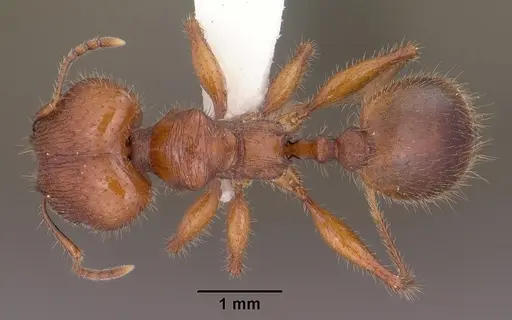
CASENT0104450
View on AntWeb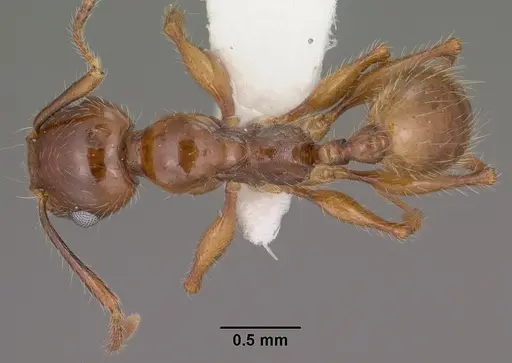
CASENT0649712
View on AntWeb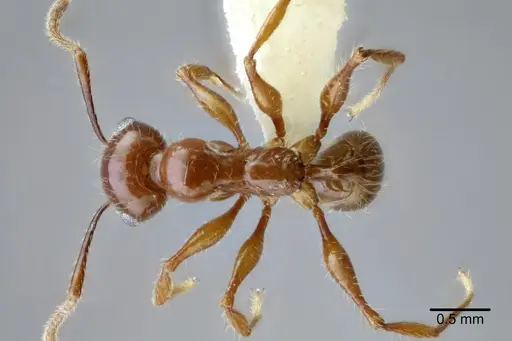
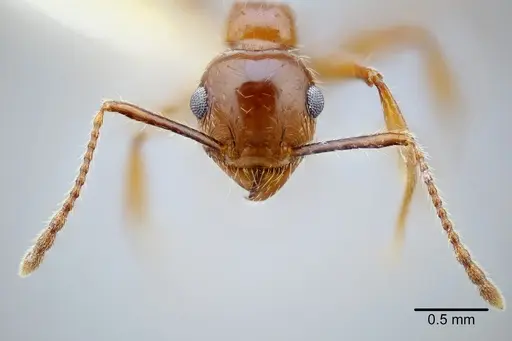
JTLC000008175
View on AntWeb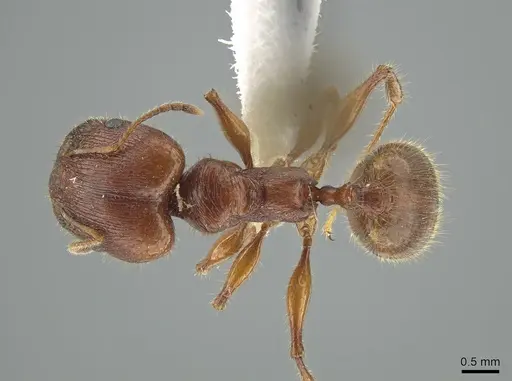
Literature
Loading...Loading products...