

Pheidole tigris
- Scientific Name
- Pheidole tigris
- Tribe
- Attini
- Subfamily
- Myrmicinae
- Author
- Wilson, 2003
- Distribution
- Found in 3 countries
Pheidole tigris Overview
Pheidole tigris is an ant species of the genus Pheidole. It is primarily documented in 3 countries , including Colombia, Mexico, Panama. Detailed taxonomic data and occurrence records can be further explored via authoritative databases such as AntWeb or the Global Biodiversity Information Facility (GBIF).
Pheidole tigris
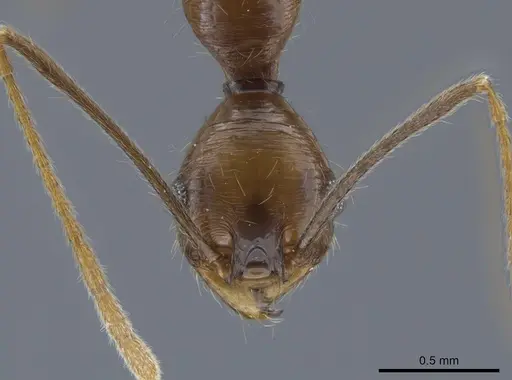
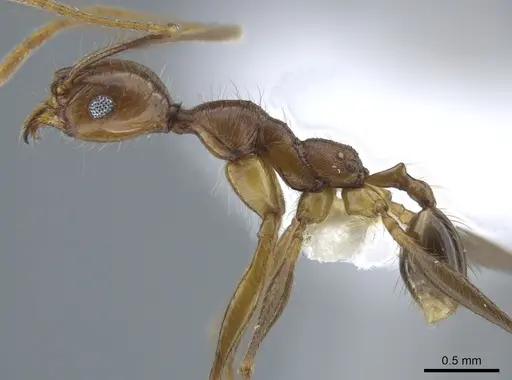
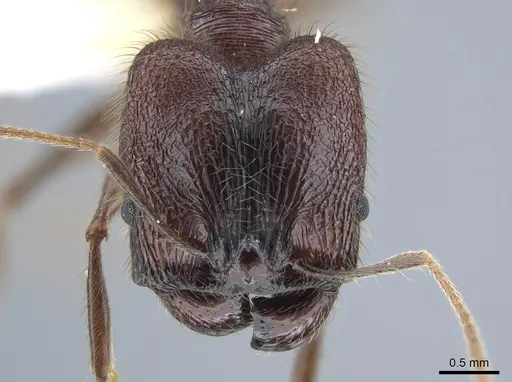
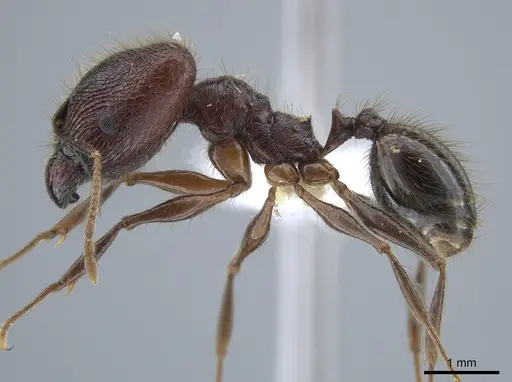
Pheidole tigris is a large and visually striking ant species native to the Chocó region of Colombia. The major workers are easily recognized by their bright orange coloration and distinctive transverse carinulae (grooved ridges) covering most of their head and mesosoma, giving them a tiger-striped appearance, hence the species name 'tigris' meaning tiger. Major workers have an enlarged head measuring 2.16mm in head width, while minor workers are smaller at 0.61mm and uniformly yellow [1]. This species belongs to the fallax group and is only known from the Chocó department of Colombia, where it nests in rotting logs within bamboo forest [2]. The presence of a seed cache in the type colony suggests these ants are seed harvesters, a common trait in the genus Pheidole.
Quick Summary
- Difficulty: Medium
- Origin & Habitat: Chocó, Colombia, tropical rainforest region, nesting in rotting logs within spring bamboo (Guadua) forest [2][3]
- Colony Type: Likely single-queen colonies based on typical Pheidole patterns, though colony structure is unconfirmed for this species
- Colony: Monogyne
- Founding: Claustral
- Size & Growth:
- Queen: Unconfirmed, no queen measurements documented
- Worker: Major: 2.16mm HW, Minor: 0.61mm HW [1]
- Colony: Unknown, no colony size data available
- Growth: Moderate, inferred from typical Pheidole development
- Development: Estimated 6-8 weeks based on typical Pheidole genus patterns at tropical temperatures (Direct development data unavailable, estimate based on related species in the genus)
- Antkeeping:
- Temperature: Keep at 24-28°C, they are a tropical species from the Chocó region [2]
- Humidity: High humidity preferred (70-80%), match their rainforest origin. Keep nest substrate consistently moist but not waterlogged
- Diapause: No, tropical species from Colombia does not require hibernation
- Nesting: Naturalistic setup with rotting wood or a Y-tong/plaster nest works well. They naturally nest in rotting logs [2]
- Behavior: Major workers are defensive and will guard the colony, while minor workers handle foraging and brood care. As seed harvesters, they collect and store seeds, the type colony had a seed cache present [2]. They are active foragers and will readily take protein sources. Escape prevention is important because minor workers are small (0.61mm) and can slip through standard barriers. majors are larger but the combination of castes means good barrier maintenance is necessary.
- Common Issues: escape prevention is critical due to tiny minor workers, use fine mesh and tight-fitting lids, tropical humidity requirements can lead to mold if ventilation is poor, limited distribution data means exact care requirements are estimates, wild-caught colonies may have parasites that affect survival in captivity, slow founding period may cause keepers to over-interfere with the nest
Housing and Nest Setup
Pheidole tigris naturally nests in rotting wood within humid tropical forests [2]. For captivity, a Y-tong (acrylic) nest or plaster nest with good moisture retention works well. The nest should have chambers sized appropriately for their colony size, major workers are relatively large (2.16mm head width) but minor workers are tiny (0.61mm), so avoid overly large open spaces. Provide a water reservoir connected to the nest for humidity. An outworld for foraging allows them to hunt and collect food. Since they naturally had a seed cache, you might include a small dry area in the outworld where they can store seeds.
Feeding and Diet
The type colony was found with a seed cache, confirming that Pheidole tigris is a seed-harvesting species [2]. In captivity, offer a mix of seeds (grass seeds, millet, cracked sunflower seeds) as a staple food source. They also need protein, offer small insects like fruit flies, pinhead crickets, or mealworms. Sugar water or honey can be accepted occasionally. Feed seeds continuously and protein 2-3 times per week, adjusting based on colony size. Remove uneaten seeds periodically to prevent mold.
Temperature and Humidity
As a tropical species from Colombia's Chocó region, Pheidole tigris requires warm and humid conditions. Keep temperatures in the range of 24-28°C. A heating cable on one side of the nest creates a gentle gradient, allowing ants to choose their preferred temperature. Humidity should be high (70-80%), the nest substrate should feel consistently moist but not waterlogged. Mist the nest occasionally and ensure the water reservoir is filled. Avoid placing the nest near air conditioning or drafty areas that could cause temperature swings. [2]
Colony Development and Growth
Pheidole colonies grow through the production of major and minor workers. The genus is known for its polymorphism, major workers develop from larvae that receive more food and have specialized roles as defenders and seed processors. Expect the first workers (nanitics) to appear around 6-8 weeks after the queen lays eggs, though this is an estimate based on typical Pheidole development since no specific data exists for this species. Growth rate is moderate, colonies will expand gradually over months. The presence of males in the type colony (collected June) suggests reproduction occurs during the wet season [2].
Behavior and Defense
This species shows the typical Pheidole caste system with distinct major and minor workers. Major workers have enlarged heads with powerful mandibles for seed processing and colony defense. When disturbed, majors will guard the nest entrance while minors evacuate the brood. Minor workers handle most foraging and brood care. They are not particularly aggressive toward humans but will defend vigorously if their nest is threatened. The species is a seed harvester, so you'll see them actively collecting and storing seeds in the outworld. [1][2]
Frequently Asked Questions
How long does it take for Pheidole tigris to produce first workers?
Based on typical Pheidole development patterns, expect first workers (nanitics) around 6-8 weeks after the queen lays eggs at optimal tropical temperatures (24-28°C). This is an estimate since no specific development data exists for this species.
What do Pheidole tigris ants eat?
They are seed harvesters, offer various seeds like grass seeds, millet, and cracked sunflower seeds as a staple. Supplement with protein sources like small insects (fruit flies, pinhead crickets, mealworms) 2-3 times per week. Occasional sugar water or honey is also accepted.
Do Pheidole tigris ants need hibernation?
No. As a tropical species from Colombia's Chocó region, they do not require hibernation or winter cooling. Keep them warm year-round at 24-28°C.
Are Pheidole tigris good for beginners?
This species is rated Medium difficulty. While visually striking, they have specific humidity and temperature needs typical of tropical ants. The main challenge is maintaining proper humidity without causing mold, and ensuring escape prevention for their tiny minor workers.
How big do Pheidole tigris colonies get?
Colony size data is unavailable for this species. Based on typical Pheidole genus patterns, colonies likely reach several hundred workers over time. The genus is known for large colonies with distinct major and minor castes.
What temperature should I keep Pheidole tigris at?
Keep them at 24-28°C. As a tropical species from Colombia's Chocó region, they require warm conditions year-round. A heating cable on one side of the nest creates a gradient for them to regulate their temperature.
Can I keep multiple Pheidole tigris queens together?
This is not recommended. While some Pheidole species can be polygynous (multiple queens), there is no data on this for P. tigris. Combining unrelated queens typically leads to fighting. Start with a single queen colony.
Why are my Pheidole tigris escaping?
Minor workers are very small (0.61mm) and can squeeze through tiny gaps. Use fine mesh barriers, tight-fitting lids, and apply fluon or petroleum jelly to barrier edges. Check all connections between the nest and outworld regularly.
When should I move Pheidole tigris to a formicarium?
Keep them in a founding setup (test tube or small nest) for the first few months until the colony has 30-50 workers. Once the colony outgrows the founding setup and you see workers frequently foraging in the outworld, you can transition to a larger formicarium or naturalistic setup.
References

This caresheet is licensed under CC BY-SA 4.0 .
CASENT0633656
View on AntWeb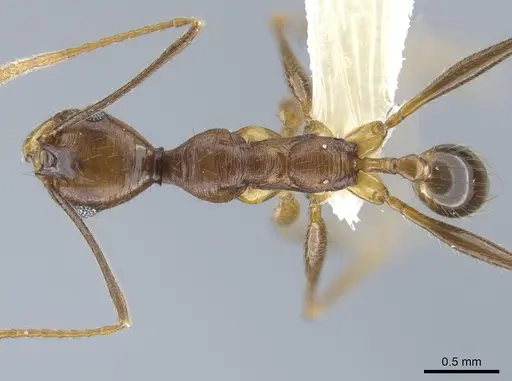
CASENT0633658
View on AntWeb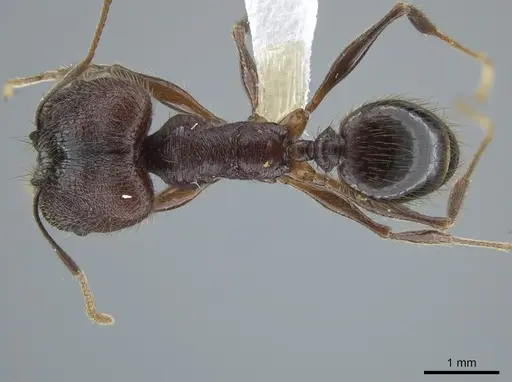
Literature
Loading...Loading products...