

Pheidole tetrica
- Scientific Name
- Pheidole tetrica
- Tribe
- Attini
- Subfamily
- Myrmicinae
- Author
- Forel, 1913
- Distribution
- Found in 1 countries
Pheidole tetrica Overview
Pheidole tetrica is an ant species of the genus Pheidole. It is primarily documented in 1 countries , including Brazil. Detailed taxonomic data and occurrence records can be further explored via authoritative databases such as AntWeb or the Global Biodiversity Information Facility (GBIF).
Pheidole tetrica
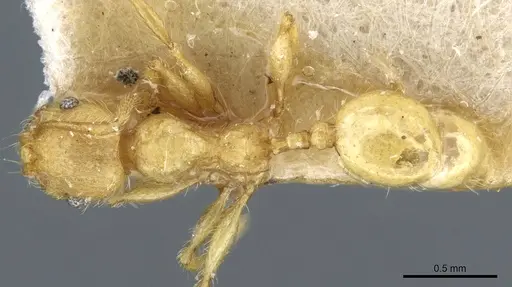
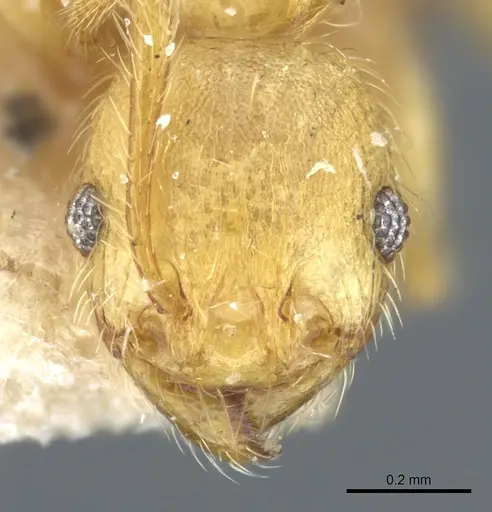
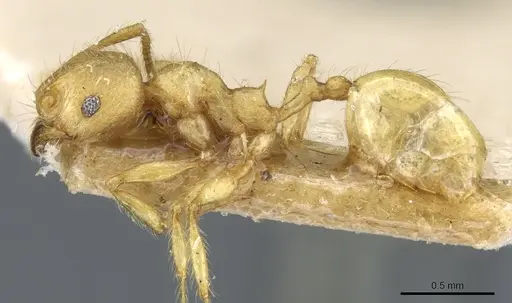
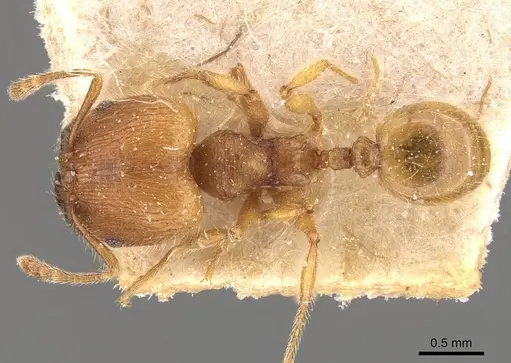
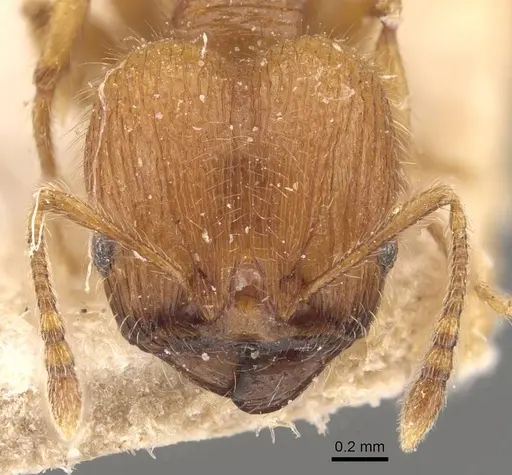
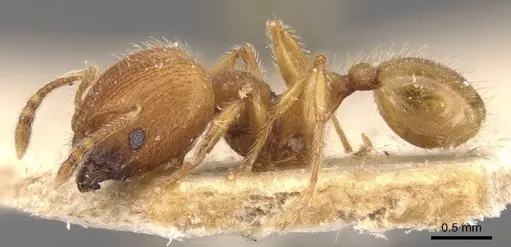
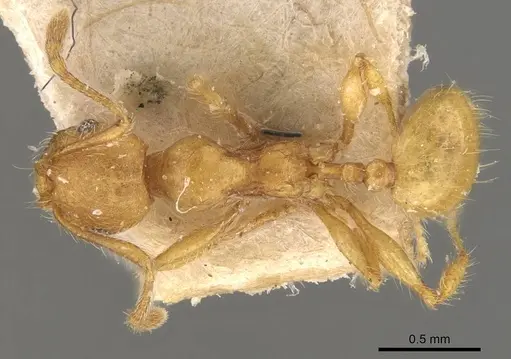
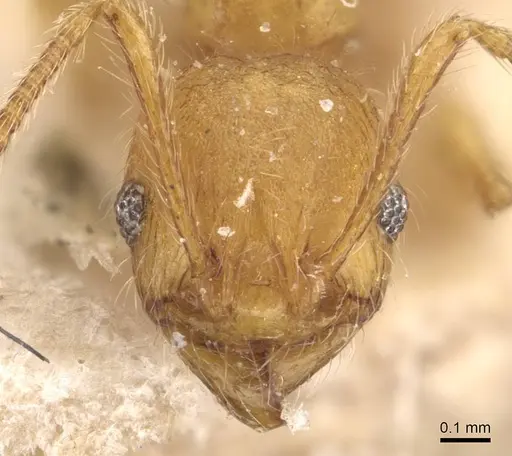
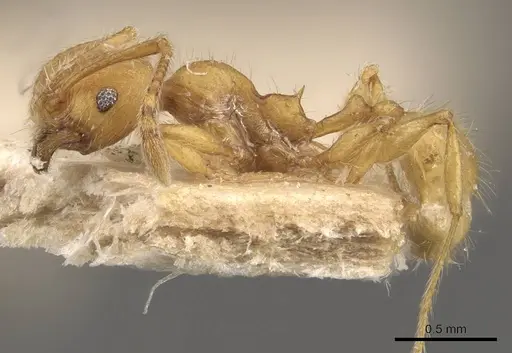
Pheidole tetrica is a small ant species native to southern Brazil, specifically found in the states of Santa Catarina and São Paulo. The species was first described by Forel in 1913 and later redescribed by Wilson in 2003. Major workers have the characteristic large heads that give Pheidole their common name 'big-headed ants, ' measuring about 1.08mm in head width, while minor workers are much smaller at around 0.52mm. Both castes are a uniform yellow color with a faint reddish tinge. The major workers have distinctive carinulae (ridge-like structures) covering the dorsal surface of the head, and the pronotum has 'wraparound' carinulae that circle around to the lower lateral margin. This species is part of the Attini tribe, which includes the famous leafcutter ants, though Pheidole species are typically seed-harvesters rather than fungus growers.
Quick Summary
- Difficulty: Unknown, likely Easy to Medium based on genus
- Origin & Habitat: Southern Brazil (Santa Catarina and São Paulo states) in the Neotropical region [1]
- Colony Type: Unconfirmed, likely polygynous like most Pheidole species, but no specific data available for this species
- Size & Growth:
- Queen: Unknown, not measured in type material [2]
- Worker: Major: 1.08mm HW, Minor: 0.52mm HW [1]
- Colony: Unknown, no colony size data available
- Growth: Unknown, likely moderate like other Pheidole species
- Development: Unknown, estimated 6-10 weeks based on related Neotropical Pheidole species (No direct development data exists for this species. Estimates based on typical Pheidole genus patterns for tropical/subtropical species.)
- Antkeeping:
- Temperature: Keep warm, around 24-28°C, based on native Brazilian habitat [1]
- Humidity: Moderate humidity preferred, typical for Neotropical species
- Diapause: Likely minimal or no true diapause, southern Brazil is subtropical with mild winters
- Nesting: Likely soil-nesting like other Pheidole species, test tubes work well for founding, larger colonies need spacious formicaria
- Behavior: Pheidole species are generally non-aggressive and focus on seed harvesting and collecting small insects. Major workers use their large heads to crack seeds. They are not known for stinging and pose no danger to keepers. Escape risk is moderate, minors can fit through small gaps but majors are larger.
- Common Issues: no biological data exists, all care recommendations are genus-level estimates, colony may fail if temperature is too cool, keep warm, wild-caught colonies may have parasites, quarantine and observe new colonies, slow growth can frustrate beginners, patience is needed, test tube setups work for founding but colonies will need space as they grow
Appearance and Identification
Pheidole tetrica is a distinctive small ant species. Major workers have the characteristic large, square-ish heads that define the genus Pheidole, measuring about 1.08mm in head width. The head is completely covered with carinulae (fine ridges) except for the frontal triangle and midclypeus area. The pronotum has unique 'wraparound' carinulae that circle around the dorsum to travel along the lower lateral margin. Minor workers are much smaller at around 0.52mm head width and have widely spaced carinulae covering most of the dorsal head surface including the occiput. Both castes are a uniform yellow color with a faint reddish tinge, making them appear almost golden in good lighting. The propodeal spine on majors is almost half as long as the propodeal basal face and stands nearly vertical to it. This species can be distinguished from similar Pheidole species by these carinulae patterns and the specific body proportions. [1][2]
Natural History and Distribution
Pheidole tetrica is endemic to southern Brazil, specifically found in the states of Santa Catarina and São Paulo. The type locality is Ibirama in Santa Catarina. This region has a subtropical climate with warm summers and mild winters. The species was originally described by Forel in 1913 and later redescribed by Wilson in 2003 as part of a comprehensive review of the genus. The natural nesting habits are unknown, but most Pheidole species nest in soil, often under stones or in decaying wood. As members of the tribe Attini, they likely forage for seeds and small insects, though detailed foraging behavior has not been documented for this specific species. [1][2]
Housing and Nesting
For keeping Pheidole tetrica, start with a standard test tube setup for the founding queen. Use a test tube filled with water, stopped with a cotton ball, providing a humid chamber for egg-laying. Once the colony reaches 20-30 workers, consider moving them to a small formicarium. Y-tong (acrylic) nests work well for Pheidole species because they allow you to observe the colony while providing appropriate chamber sizes. You can also use plaster nests or naturalistic setups with soil. Since we don't know their exact nesting preferences, providing options is helpful, some slightly damp areas and some drier areas lets the ants choose. Ensure the outworld (foraging area) is escape-proof using fluon or similar barriers. Pheidole minors are small enough to potentially escape through tiny gaps, so check all connections carefully.
Feeding and Diet
Like other Pheidole species, P. tetrica is likely a generalist forager that collects seeds and small insects. Offer a varied diet including: seeds (millet, chia, flax work well), small insects like fruit flies or pinhead crickets, and occasional sugar sources like honey water or sugar water. Protein is important for brood development, offer insects at least twice weekly. Seeds can be provided constantly as they store them. Remove uneaten seeds periodically to prevent mold. Since this species is from Brazil, they may have preferences for tropical seed types, but common hobby seeds are likely accepted. Observe your colony's preferences and adjust accordingly.
Temperature and Seasonal Care
Pheidole tetrica comes from southern Brazil, which has a subtropical climate. Keep the nest area at around 24-28°C for optimal activity and brood development. A heating cable on one side of the nest can create a gentle gradient. Room temperature in most homes should be adequate if it falls in this range. Unlike temperate species, they likely do not require a true hibernation period. However, they may slow down slightly during winter months if room temperatures drop. Monitor colony activity, if workers become less active and cluster together, a slight temperature reduction may be appropriate, but do not cool them below around 18°C. Maintain moderate humidity in the nest, not saturated but not dry either. [1]
Colony Development and Growth
The development timeline for Pheidole tetrica is not documented in scientific literature. Based on typical Pheidole genus patterns for Neotropical species, expect 6-10 weeks from egg to first worker (nanitic) at optimal temperature. The founding queen will lay eggs while sealed in her test tube chamber. She feeds the larvae from her own body reserves until the first workers emerge. These first workers (nanitics) are typically smaller than normal workers. After the first workers emerge, the colony enters a growth phase. Pheidole colonies can grow to several hundred or even a few thousand workers over time, though the maximum size for this specific species is unknown. Growth rate is likely moderate, not the fastest but steady with proper feeding.
Behavior and Temperament
Pheidole species are generally calm and non-aggressive. Majors use their large heads to crack seeds and process larger food items, while minors handle most foraging and brood care. They are not defensive and rarely sting, making them safe for antkeepers of all experience levels. Workers communicate using chemical trails to guide nestmates to food sources. When threatened, they may retreat rather than attack. The majors are primarily specialized for food processing rather than defense. They are active foragers that will explore their outworld regularly. Escape prevention is important because minors are small enough to slip through small gaps, though not as tiny as some other genera.
Frequently Asked Questions
How long does it take for Pheidole tetrica to have first workers?
The exact timeline is unknown, but based on related Pheidole species, expect first workers (nanitics) in 6-10 weeks after the queen lays eggs. This depends on temperature, warmer conditions (around 26°C) speed development, while cooler temperatures slow it down.
What do Pheidole tetrica ants eat?
Like other Pheidole species, they likely eat seeds and small insects. Offer a mix of seeds (millet, chia, flax), protein sources (fruit flies, small crickets), and occasional sugar (honey water). Remove uneaten food to prevent mold.
What temperature do Pheidole tetrica ants need?
Keep them warm at 24-28°C. This matches their native Brazilian habitat. A heating cable on part of the nest can help maintain optimal temperature if your room is cooler.
Are Pheidole tetrica ants good for beginners?
While this species has not been commonly kept in the hobby and has no documented biology, Pheidole species in general are considered good for beginners due to their calm temperament and relatively simple care requirements.
How big do Pheidole tetrica colonies get?
The maximum colony size is unknown for this species. Based on related Pheidole species, colonies likely reach several hundred to a few thousand workers over time.
Can I keep multiple Pheidole tetrica queens together?
The colony structure is unconfirmed for this species. Many Pheidole species are polygynous (multiple queens), but combining unrelated foundress queens is risky and not recommended unless you have experience with multi-queen setups.
What size nest do I need for Pheidole tetrica?
Start with a test tube for the founding queen. Once the colony reaches 20-30 workers, upgrade to a small formicarium or Y-tong nest. They will need more space as they grow, so plan for future expansion.
Does Pheidole tetrica need hibernation?
Likely no true hibernation is required. Southern Brazil has mild winters, so a slight temperature reduction in winter may be appropriate but not a full diapause like temperate species require.
Why is no information available about Pheidole tetrica biology?
This species is poorly studied in the scientific literature. The AntWiki entry explicitly states 'Nothing is known about the biology of tetrica.' All care recommendations are based on typical Pheidole genus behavior rather than species-specific research.
References

This caresheet is licensed under CC BY-SA 4.0 .
Literature
Loading...Loading products...