

Pheidole termitophila
- Scientific Name
- Pheidole termitophila
- Tribe
- Attini
- Subfamily
- Myrmicinae
- Author
- Forel, 1904
- Distribution
- Found in 1 countries
Pheidole termitophila Overview
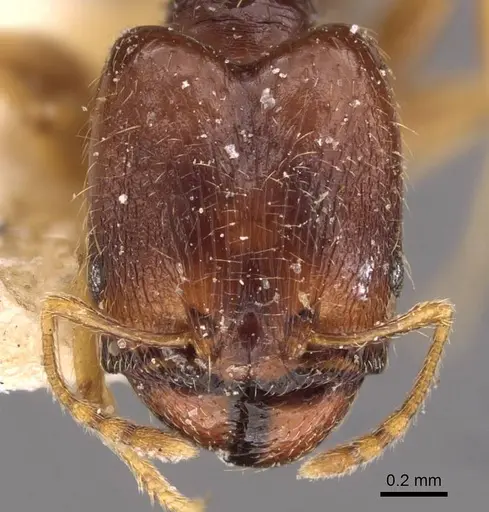
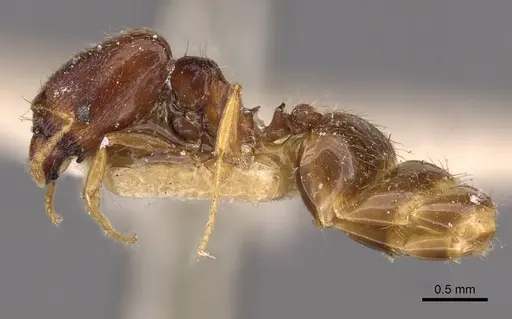
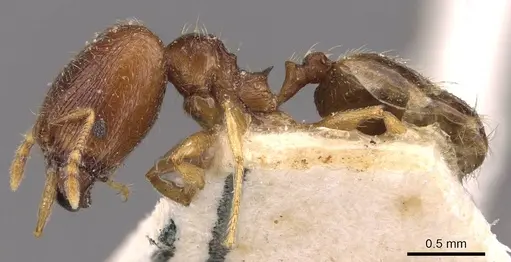
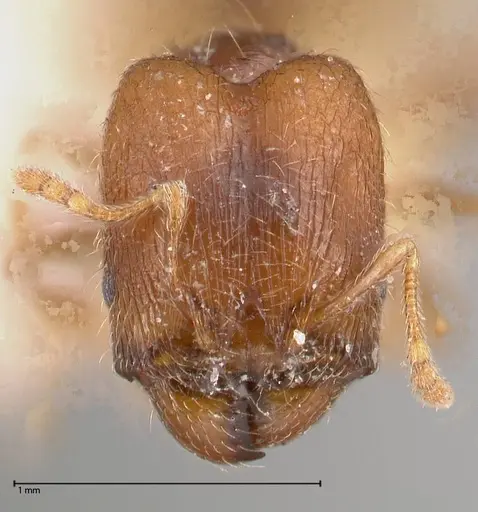
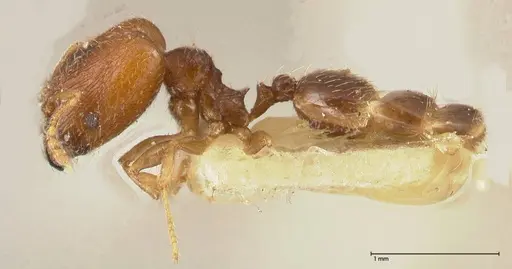
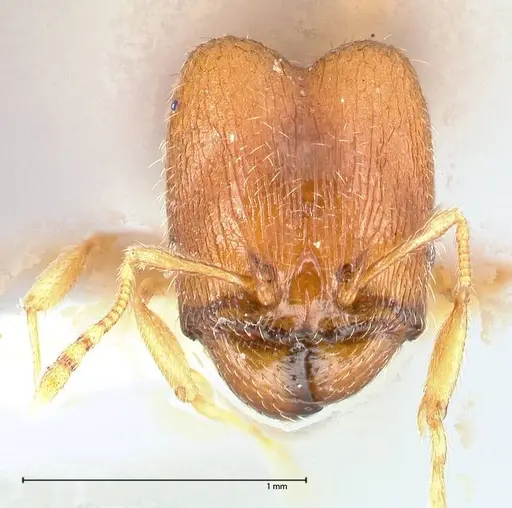
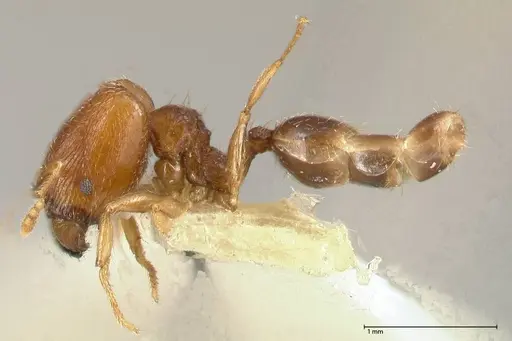
Pheidole termitophila is an ant species of the genus Pheidole. It is primarily documented in 1 countries , including Cameroon. Detailed taxonomic data and occurrence records can be further explored via authoritative databases such as AntWeb or the Global Biodiversity Information Facility (GBIF).
Pheidole termitophila
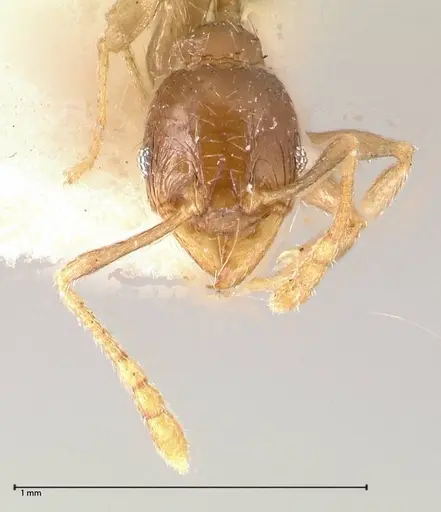
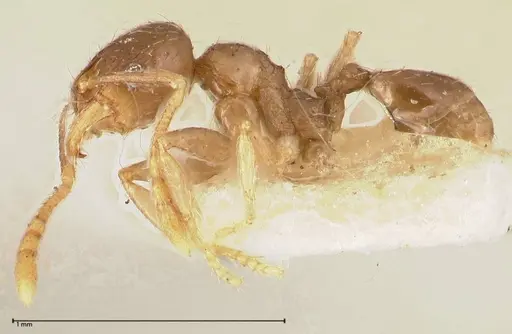
Pheidole termitophila is a ground-nesting ant species native to the Afrotropical region, found across countries including Sudan, Mali, Senegal, Benin, Guinea, and Liberia [1]. This species is part of the genus Pheidole, known for having two distinct worker castes: smaller minor workers and larger major workers (soldiers) with notably enlarged heads. The type location is South Sudan, and the species is known from across the Sahel region [2]. In Benin, these ants have been recorded in mango orchards, where they nest in the ground [1]. This is a relatively understudied species in the scientific literature, with limited specific data on its biology and behavior.
Quick Summary
- Difficulty: Unknown, likely Medium based on genus patterns
- Origin & Habitat: Afrotropical region, ground nesting in savanna and agricultural areas across the Sahel zone (Mali, Senegal, Sudan) and West African countries (Benin, Guinea, Liberia) [1][2]. Found nesting in soil in both natural and disturbed areas including hotel grounds and mango orchards.
- Colony Type: Likely monogyne (single queen) based on typical Pheidole patterns. Colony structure is not directly documented for this species.
- Colony: Monogyne
- Founding: Claustral
- Size & Growth:
- Queen: Estimated 8-10mm based on genus Pheidole queen size range
- Worker: Minor workers: 2-3mm, Major workers: 4-6mm based on typical Pheidole dimorphism [2]
- Colony: Unknown for this specific species, likely several hundred to a few thousand workers based on genus patterns
- Growth: Unknown, likely moderate like most Pheidole species
- Development: Estimated 6-8 weeks based on typical Pheidole development at optimal temperature (Development time is not documented for this species, estimate based on genus-level data for related species)
- Antkeeping:
- Temperature: Based on Sahel origin (hot tropical to subtropical), keep at 24-28°C. Provide a gentle gradient allowing workers to self-regulate.
- Humidity: Moderate, they nest in ground soil so keep substrate moist but not waterlogged. Allow some drying between waterings.
- Diapause: Likely reduced activity during dry season rather than true hibernation, maintain stable temperatures year-round
- Nesting: Ground-nesting species, will do well in test tube setups for founding, then transition to naturalistic or Y-tong nests with soil substrate. Provide digging space for majors.
- Behavior: Pheidole species are known for their dimorphic workers, majors (soldiers) have enlarged heads for seed-crushing and colony defense. This species shows typical Pheidole foraging patterns, with minors typically handling food collection while majors defend the nest [2]. They are ground-nesting and likely form moderate-sized colonies. Escape risk is moderate, use standard barrier methods.
- Common Issues: limited species-specific data means care requirements are estimates based on genus patterns, major workers require space for their larger bodies, avoid overly narrow tubes or passages, ground-nesting behavior means they need substrate depth for proper colony function, colony size is unknown so growth expectations may not be accurate
Housing and Nest Setup
Pheidole termitophila is a ground-nesting species that naturally lives in soil cavities. For founding colonies, a standard test tube setup works well, fill one end with water reservoir backed by cotton, providing humidity while giving the queen a dark, secure chamber to lay her eggs. Once the colony reaches 20-30 workers, consider transitioning to a naturalistic setup with a soil chamber or a Y-tong/plaster nest that allows for digging. The major workers in Pheidole species have notably larger heads than minors, so ensure passages and chambers are spacious enough for them to move freely. A small outworld area for foraging completes the setup. [2][1]
Feeding and Diet
Pheidole ants are typically omnivorous with a tendency toward seed-eating, though many species also hunt insects. In captivity, offer a varied diet: protein sources like small insects (fruit flies, pinhead crickets, mealworms) and seeds appropriate to their size. Sugar water, honey, or commercial ant nectar can be offered as an energy source. Observe your colony's preferences, some Pheidole species favor protein early in their growth cycle while others readily accept seeds. Remove uneaten food after 24-48 hours to prevent mold. Feed every 2-3 days for established colonies, adjusting based on consumption rates.
Temperature and Humidity
Given this species' origin across the Sahel and West Africa, it prefers warm conditions. Aim for temperatures between 24-28°C during the active season. A heating cable on one side of the nest creates a gradient allowing ants to self-regulate. Place the heating on top of the nest material to avoid excessive evaporation. For humidity, keep the nesting area moderately moist, the substrate should feel damp but not soggy. These ants nest in soil in the wild, so they tolerate some moisture variation. Monitor for condensation, which can indicate too much humidity. [1]
Colony Development
Pheidole colonies grow through a distinct caste system. The queen lays eggs that develop into either minor workers (the smaller, more numerous foragers) or major workers (soldiers with enlarged heads). Major workers typically appear once the colony is established and has sufficient resources. The first workers, called nanitics, are often smaller than normal workers. Development from egg to worker likely takes 6-8 weeks at optimal temperature, though this is not documented specifically for P. termitophila. Growth rate is moderate, expect the colony to expand gradually over months rather than explosively.
Behavior and Defense
Like other Pheidole species, this ant has two worker castes with different roles. Minor workers handle most tasks: foraging, caring for brood, and maintaining the nest. Major workers (soldiers) defend the colony with their powerful jaws and may assist with seed-crushing or processing larger prey. When threatened, majors can deliver a painful bite. In the wild, foragers have been observed near other ant species' nests [2], suggesting typical competitive foraging behavior. The colony will likely show increased activity and defensive behavior when the nest is disturbed.
Frequently Asked Questions
How long does it take for Pheidole termitophila to have first workers?
Based on typical Pheidole development, expect first workers (nanitics) approximately 6-8 weeks after the queen lays eggs, assuming temperatures around 24-28°C. This is an estimate as specific development data for this species is not documented.
What do Pheidole termitophila ants eat?
Pheidole species are omnivorous. Offer small insects like fruit flies or pinhead crickets for protein, along with seeds appropriate to their size. They also accept sugar water, honey, or commercial ant nectar. Vary the diet to see what your colony prefers.
Can I keep Pheidole termitophila in a test tube?
Yes, test tubes work well for founding colonies. Use a standard test tube with a water reservoir at one end, backed by cotton. The queen will seal herself in a chamber and raise her first brood there. Once the colony reaches 20-30 workers, consider moving to a larger setup with soil or a naturalistic formicarium.
How big do Pheidole termitophila colonies get?
The maximum colony size is not documented for this specific species. Based on typical Pheidole patterns, colonies likely reach several hundred to a few thousand workers. Growth is moderate over months to years.
What temperature do Pheidole termitophila ants need?
Keep them warm at 24-28°C. This species originates from the hot Sahel and West African regions, so they prefer warmer conditions. A heating cable on part of the nest creates a temperature gradient they can regulate themselves.
Are Pheidole termitophila good for beginners?
This species is not well-documented in the antkeeping hobby, so there is limited practical keeper experience. Based on genus patterns, they are likely manageable for intermediate keepers. However, the lack of species-specific data means some care aspects are estimates rather than proven requirements.
Do Pheidole termitophila need hibernation?
Based on their tropical/subtropical origin, true hibernation is unlikely. They may show reduced activity during the dry season in the wild, but in captivity, maintain stable warm temperatures year-round. A slight temperature reduction (a few degrees) during winter may be appropriate but is not required.
When should I move my colony to a formicarium?
Move from test tube to a larger setup once the colony reaches 20-30 workers and the test tube becomes crowded. A naturalistic setup with soil or a Y-tong nest with digging medium works well for this ground-nesting species.
What makes Pheidole termitophila different from other ants?
Like all Pheidole species, they have two distinct worker castes: small minor workers and large major workers with enlarged heads used for defense and seed processing. This dimorphism is their most distinctive feature. They are also ground-nesting ants found in African savanna and agricultural areas.
References

This caresheet is licensed under CC BY-SA 4.0 .
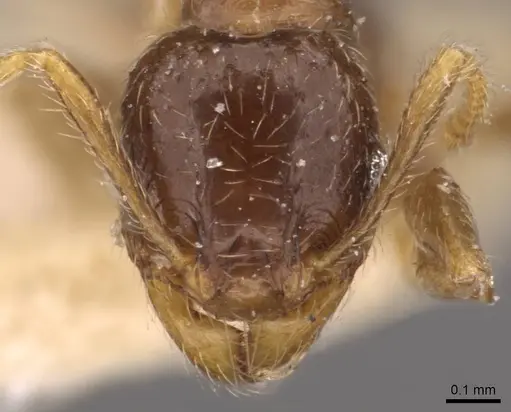
CASENT0907853
View on AntWeb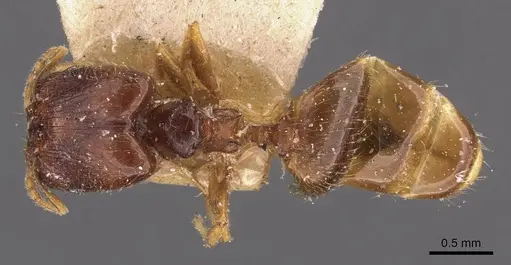
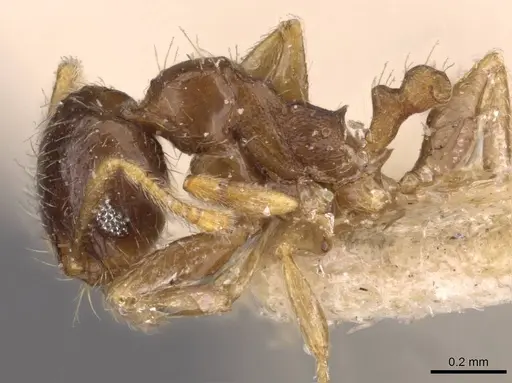
CASENT0907854
View on AntWeb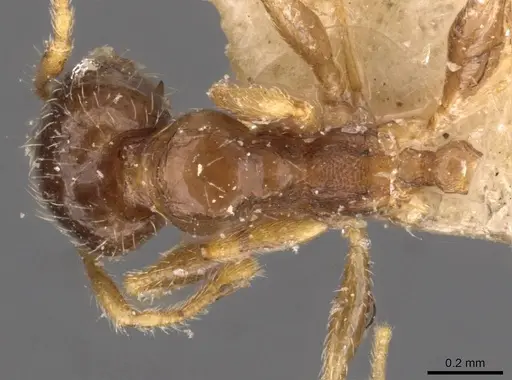
CASENT0907855
View on AntWeb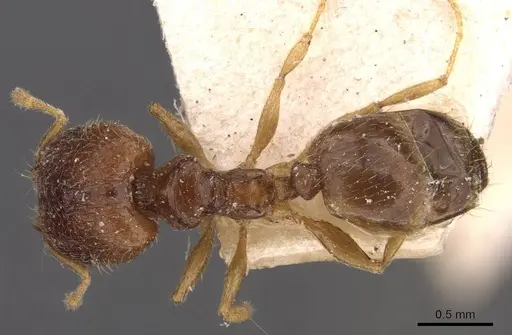
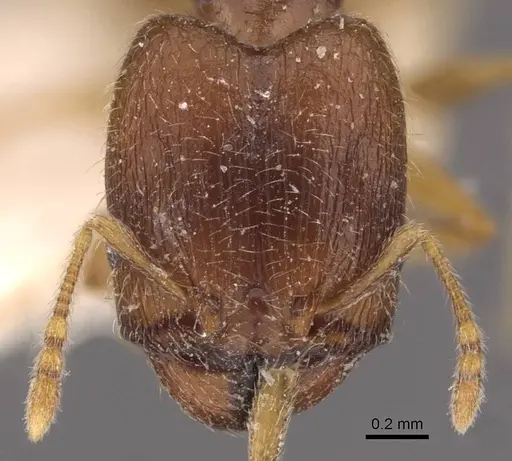
FOCOL0615
View on AntWeb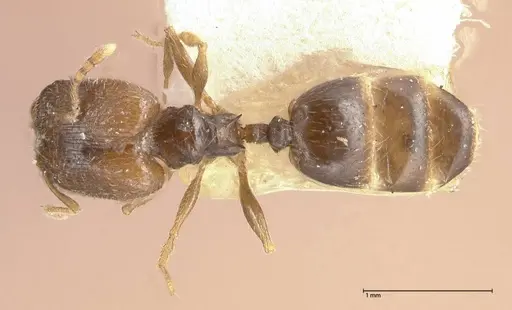
FOCOL0616
View on AntWeb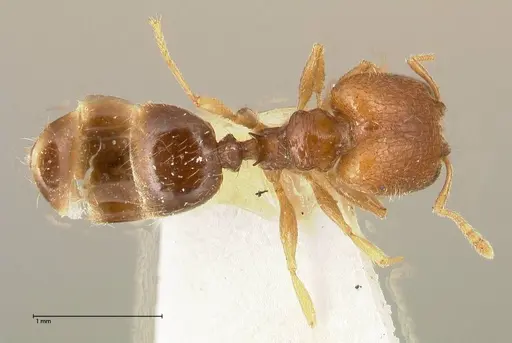
FOCOL0617
View on AntWeb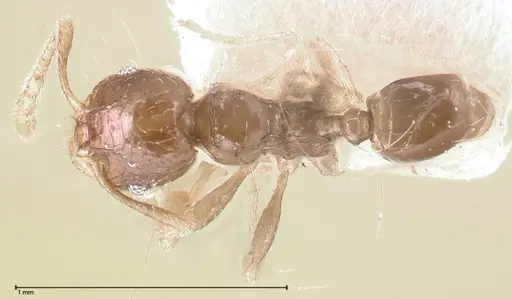
Literature
Loading...Loading products...