

Pheidole tenuinodis
- Scientific Name
- Pheidole tenuinodis
- Tribe
- Attini
- Subfamily
- Myrmicinae
- Author
- Mayr, 1901
- Common Name
- Narrow-gutted House ant
- Distribution
- Found in 5 countries
Pheidole tenuinodis Overview
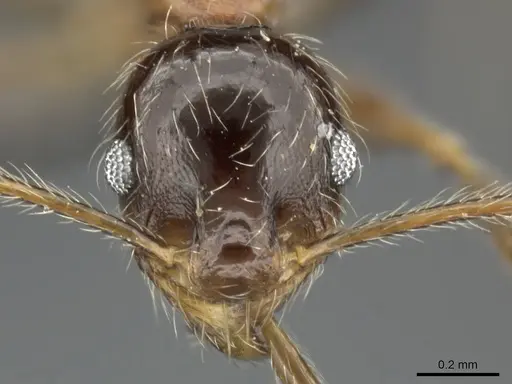
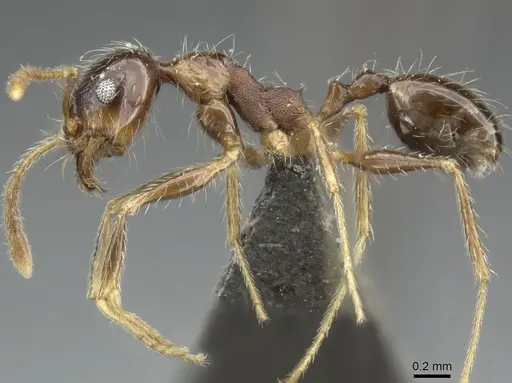
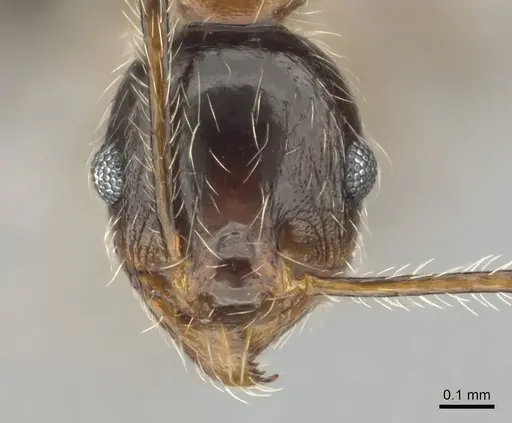
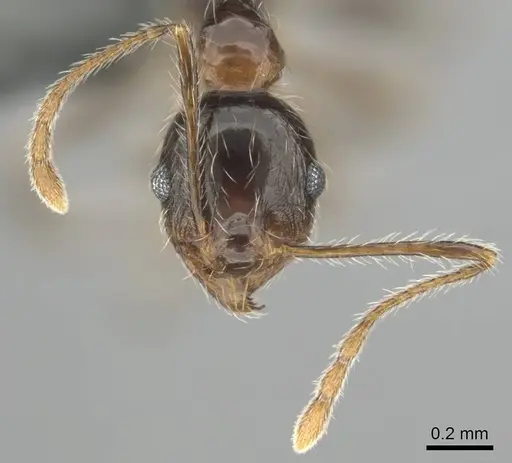
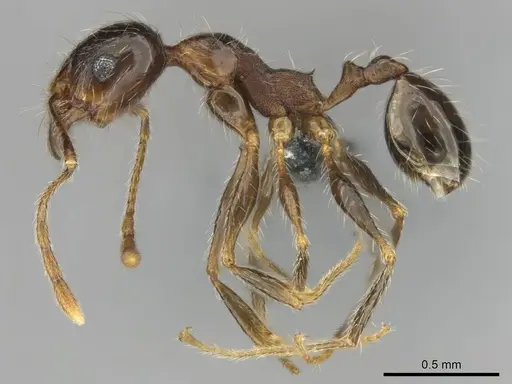
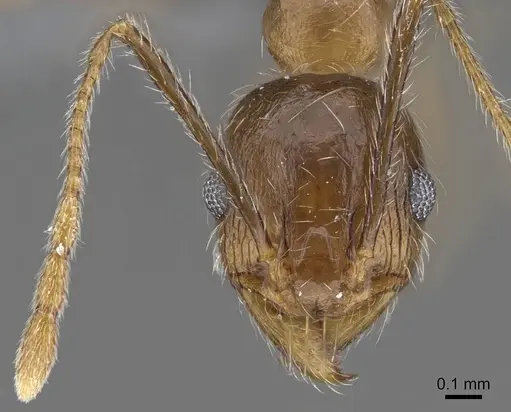
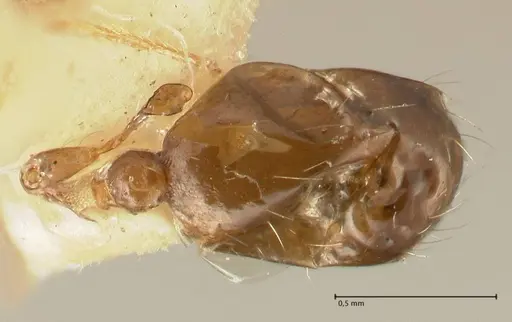
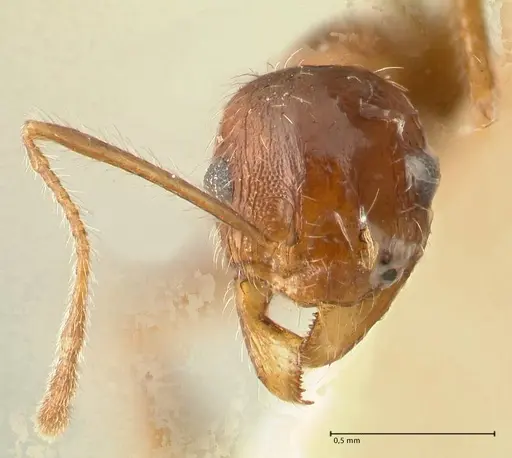
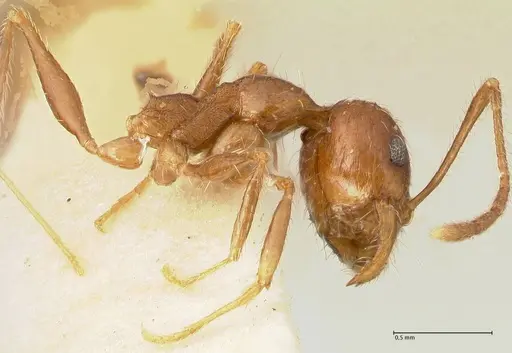
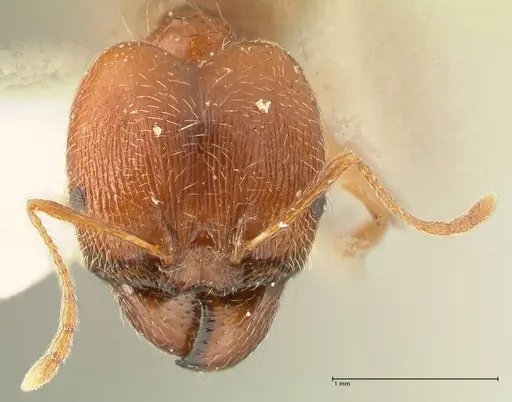
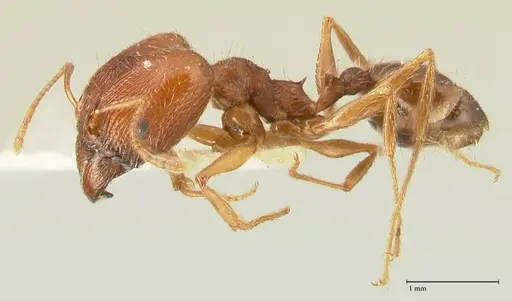
Pheidole tenuinodis (commonly known as the Narrow-gutted House ant) is an ant species of the genus Pheidole. It is primarily documented in 5 countries , including Cameroon, Mozambique, Namibia. Detailed taxonomic data and occurrence records can be further explored via authoritative databases such as AntWeb or the Global Biodiversity Information Facility (GBIF).
Pheidole tenuinodis - "Narrow-gutted House ant"
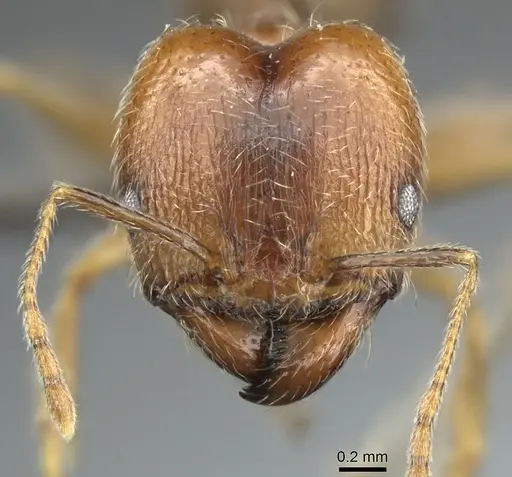
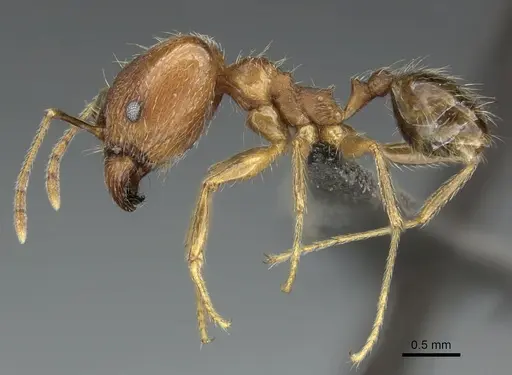
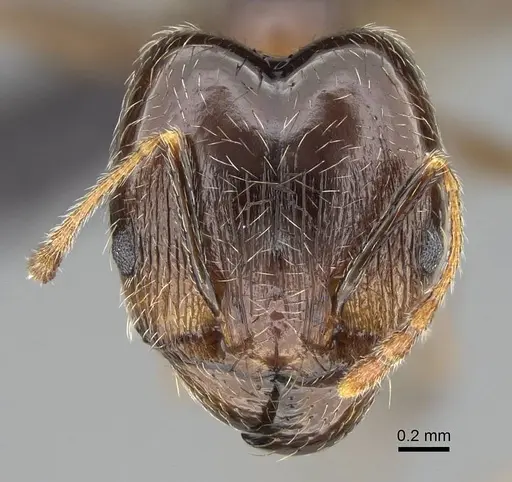
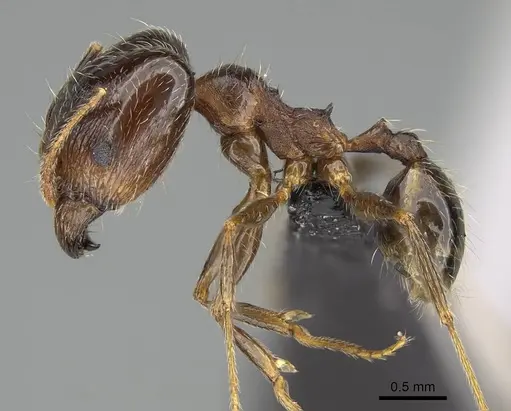
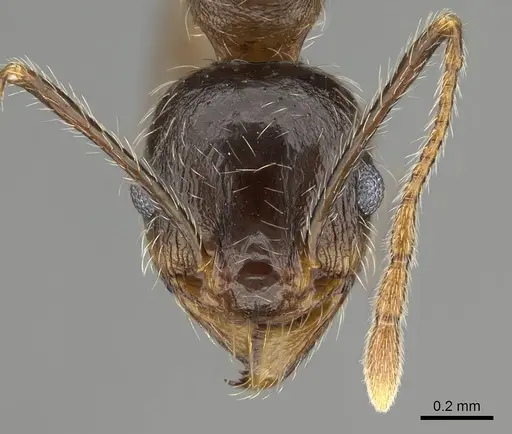
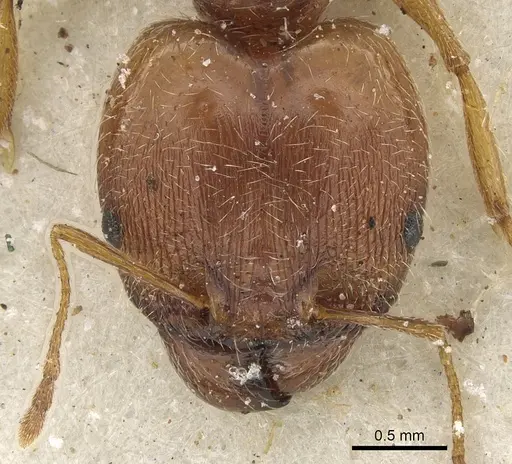
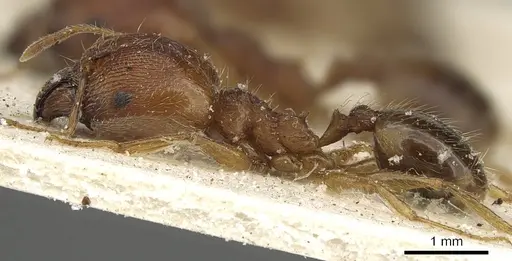
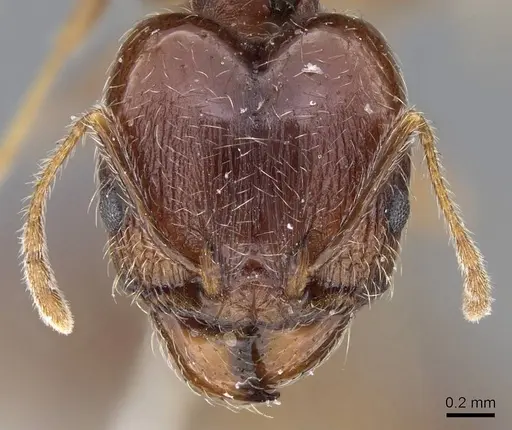
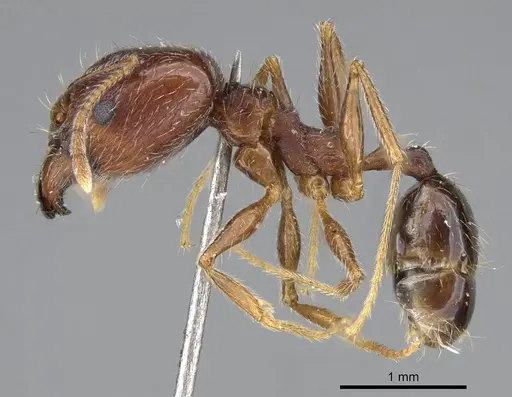
Pheidole tenuinodis is a small African ant species native to eastern and southern Africa, including countries like Benin, Cameroon, Namibia, South Africa, and the Democratic Republic of Congo [1]. Workers measure 3.2-3.9mm in length and display the characteristic Pheidole dimorphism with distinct minor workers and larger major workers (soldiers) [2]. The species is ground-nesting and thrives in diverse habitats ranging from savannah and saltpans to mango orchards and urban environments [3][4].
This species is notably adaptable and behaviorally dominant in its native range. Studies in Namibia found P. tenuinodis to be a co-dominant ant species in saltpan habitats, monopolizing 72% of baits in some areas [3]. It commonly nests in cavities between tree trunks and has been recorded attending hemipterans (aphids and scale insects) for honeydew, making it a regular presence in agricultural settings [4]. The species is also known to enter homes in urban areas of Cameroon, where it's considered a household pest [5].
Quick Summary
- Difficulty: Easy
- Origin & Habitat: Eastern and southern Africa including Benin, Cameroon, DR Congo, Namibia, South Africa, and Togo. Ground-nesting species found in savannah, saltpan, desert, and agricultural habitats including mango orchards and cocoa farms [3][4][1].
- Colony Type: Colony structure is not well-documented in scientific literature. Pheidole species typically have single-queen (monogyne) colonies, though some species can have multiple queens. The presence of ergatoid (wingless) replacement reproductives is possible but not confirmed for this specific species.
- Size & Growth:
- Queen: Estimated 7-9mm based on genus typical size, not directly measured in available literature
- Worker: 3.2-3.9mm (minor workers) [2]
- Colony: Likely several hundred to a few thousand workers based on genus patterns, specific colony size data unavailable
- Growth: Moderate, typical for Pheidole species
- Development: Estimated 6-8 weeks at optimal temperature based on genus patterns for Pheidole species in tropical climates (Development time is inferred from related species, direct measurements not available for this species)
Nest Preferences and Housing
Pheidole tenuinodis is a ground-nesting species that naturally nests in cavities in soil, between tree roots, and in rotting wood [4]. In captivity, they adapt well to various nest types. Y-tong (acrylic) nests work excellently because they provide dark, secure chambers and allow you to observe colony activity. Plaster nests are also suitable and help maintain stable humidity levels. Since they are ground-nesting, provide a connection to an outworld with a layer of substrate (soil or sand) where they can exhibit natural tunneling behavior if desired. The colony will use the outworld for foraging and the nest for brood-rearing. Avoid tall, open spaces in the nest, they prefer compact, snug chambers typical of Pheidole species.
Feeding and Diet
In the wild, Pheidole tenuinodis is an omnivorous forager that attends hemipterans (aphids and scale insects) for honeydew and collects protein from small insects [4]. They are also known to scavenge and may exploit human food resources, which explains their presence in homes in Cameroon [5]. In captivity, offer a varied diet: sugar water or honey as a constant energy source, and protein sources like mealworms, fruit flies, or small crickets 2-3 times per week. Pheidole majors can handle larger prey items than minors, so don't worry about crushing food too small. Remove uneaten protein after 24-48 hours to prevent mold. Their active foraging means they typically consume food quickly.
Temperature and Seasonal Care
As a species native to tropical and subtropical Africa, Pheidole tenuinodis prefers warm conditions. Keep nest temperatures between 24-28°C for optimal brood development [6]. A heating cable placed on one side of the nest creates a temperature gradient that allows the colony to self-regulate. Avoid temperatures above 35°C as this can be lethal. During winter, a slight reduction to room temperature (around 20-22°C) is acceptable and may naturally slow colony activity, but true hibernation is not required. The species shows activity during both day and night in the wild [2], so consistent lighting conditions are fine. Monitor for signs of heat stress (workers clustering away from heat sources) and adjust accordingly.
Behavior and Colony Dynamics
Pheidole tenuinodis displays typical Pheidole colony structure with distinct castes: numerous minor workers for general tasks and larger major workers (soldiers) for defense and food processing. Studies show this species can be behaviorally dominant in its native habitat, successfully monopolizing food resources in competitive situations [3]. Workers are active foragers that will scout the outworld for food and recruit nestmates through chemical signals. The presence of majors becomes more pronounced as the colony grows. This species is not aggressive toward keepers but majors may attempt to defend the colony if threatened. Their small size and nocturnal activity patterns mean they are best observed in the evening or with indirect lighting.
Frequently Asked Questions
How long does it take for Pheidole tenuinodis to produce first workers?
Based on typical Pheidole development in tropical climates, expect first workers (nanitics) approximately 6-8 weeks after the queen lays eggs. This is an estimate since specific development data for this species is not available. The first workers will be smaller than mature workers but will immediately begin helping with colony tasks.
Can I keep multiple Pheidole tenuinodis queens together?
Not recommended. While specific data for this species is lacking, Pheidole species typically form single-queen colonies. Combining unrelated queens usually results in fighting. If you capture a founding queen, house her alone until she establishes her first workers.
What should I feed my Pheidole tenuinodis colony?
Offer a balanced diet: constant access to sugar water or honey for energy, and protein sources like mealworms, fruit flies, or small crickets 2-3 times per week. They will also attend aphids if present in their setup. Remove uneaten protein after 24-48 hours to prevent mold.
Are Pheidole tenuinodis good for beginners?
Yes, this species is considered easy to keep. They are adaptable to various nest types, accept common ant foods, and don't require hibernation. The main challenges are escape prevention due to their small size and providing appropriate warm temperatures. With basic antkeeping knowledge, this species should thrive.
How big do Pheidole tenuinodis colonies get?
Based on typical Pheidole colony sizes, expect colonies to reach several hundred to a few thousand workers over time. Growth rate is moderate, major workers become more common as the colony expands. Specific maximum colony size data is not available for this species.
Do they need a hibernation period?
No, hibernation is not required. As an African species from tropical and subtropical regions, they do not experience prolonged cold in their natural habitat. A slight seasonal temperature reduction is acceptable but not necessary for colony health.
Why are my Pheidole tenuinodis escaping?
Their small size (under 4mm) means they can squeeze through remarkably tiny gaps. Use fine mesh (at least 0.5mm) on all ventilation holes and ensure lid seals are tight. Apply fluon or similar barrier gel to the edges of the outworld to prevent escapes.
When should I move my colony to a formicarium?
Move them when the test tube setup becomes crowded or when you see workers actively tunneling in the outworld. For Pheidole tenuinodis, this is typically when the colony reaches 30-50 workers. Ensure the formicarium has appropriately sized chambers, Pheidole prefer snug, compact spaces.
References

This caresheet is licensed under CC BY-SA 4.0 .
CASENT0235968
View on AntWeb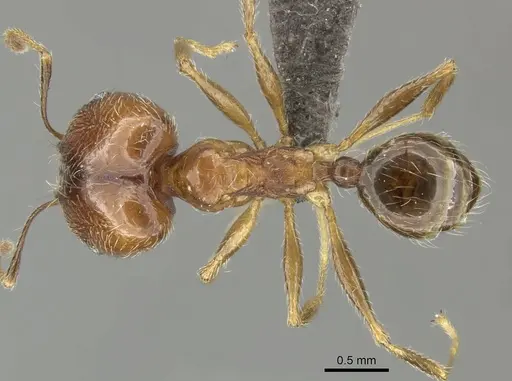
CASENT0235969
View on AntWeb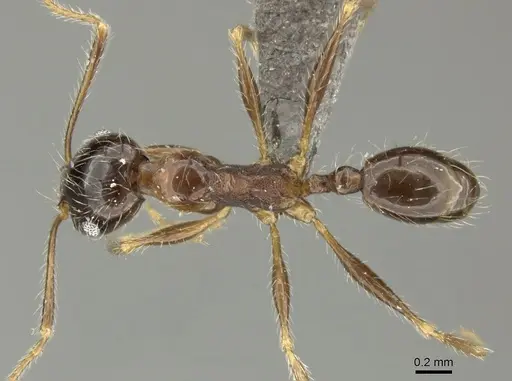
CASENT0252721
View on AntWeb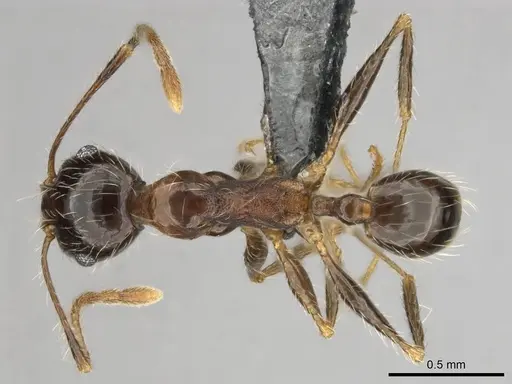
CASENT0785978
View on AntWeb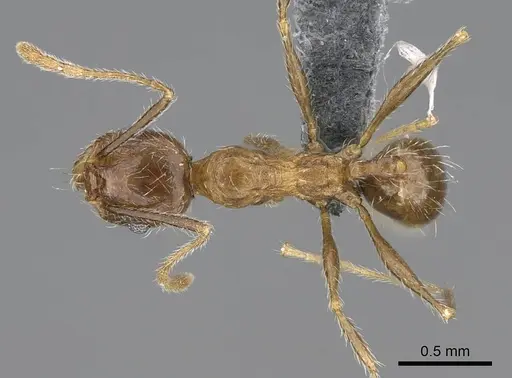
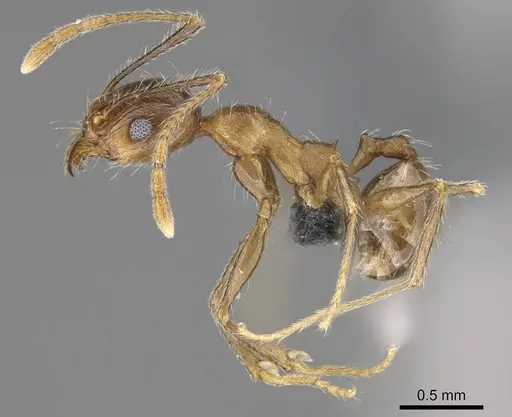
CASENT0785979
View on AntWeb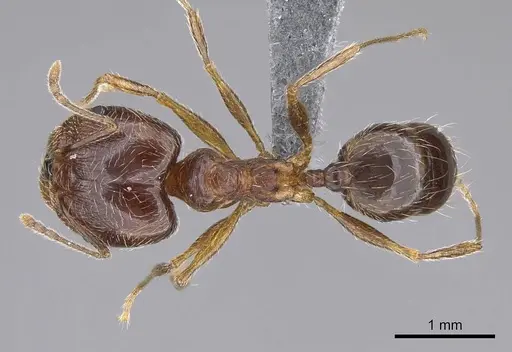
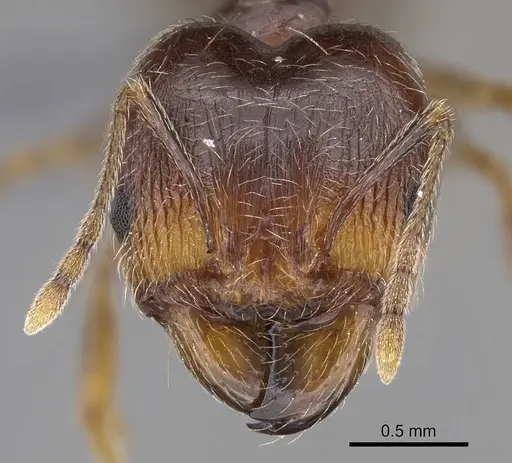
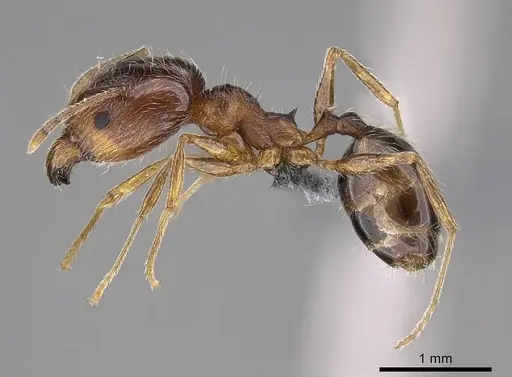
CASENT0785980
View on AntWeb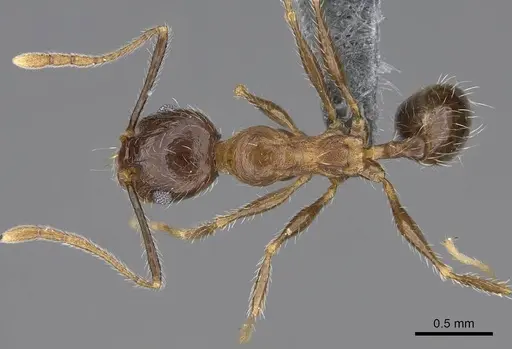
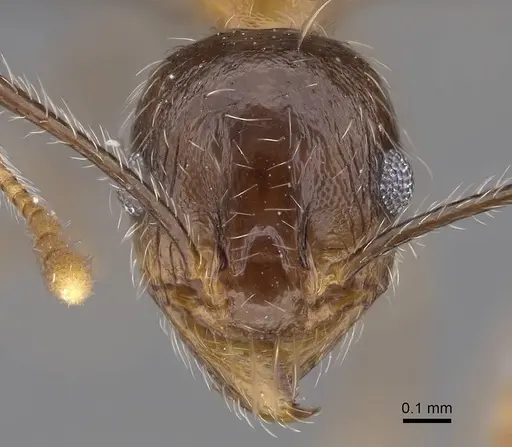
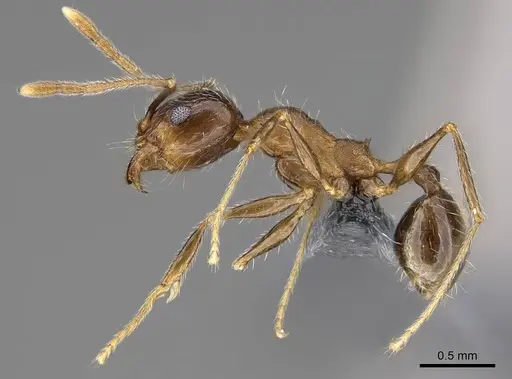
CASENT0822227
View on AntWeb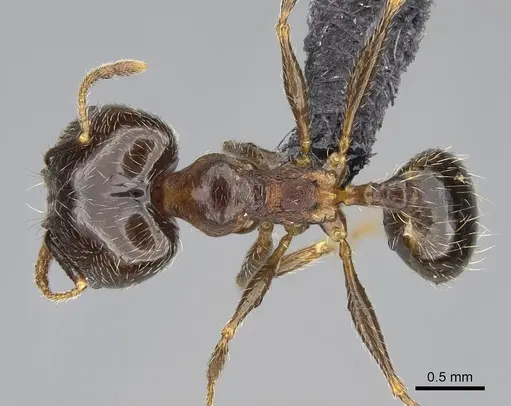
CASENT0822228
View on AntWeb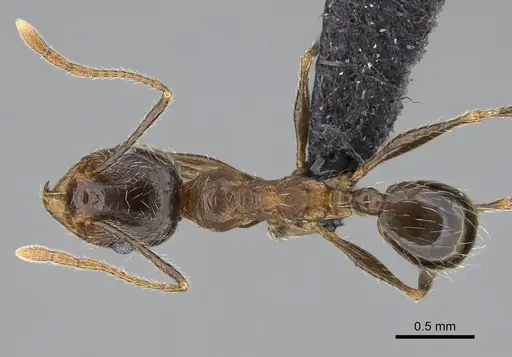
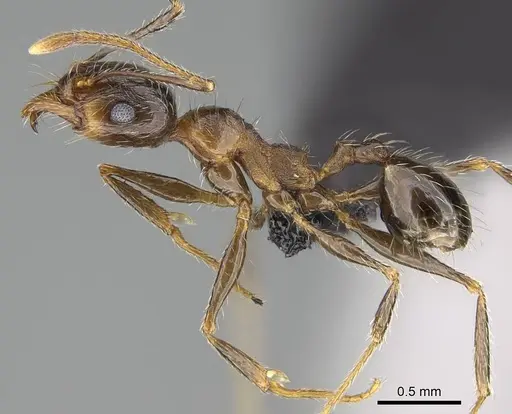
CASENT0901302
View on AntWeb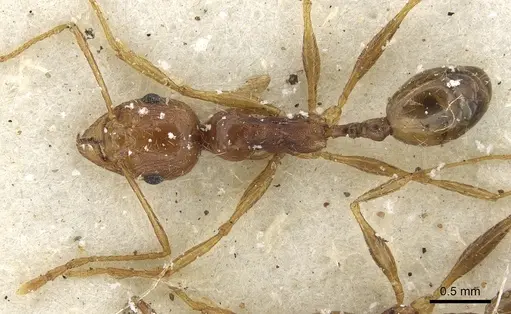
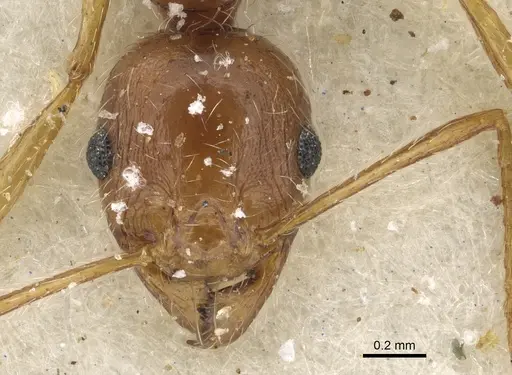
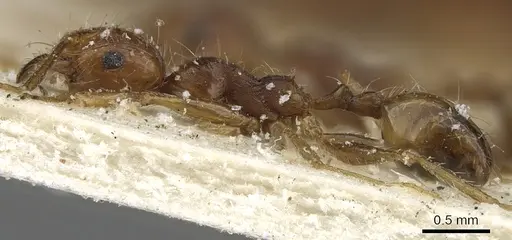
CASENT0901303
View on AntWeb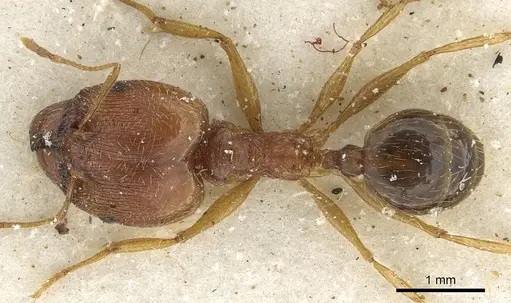
CASENT0907801
View on AntWeb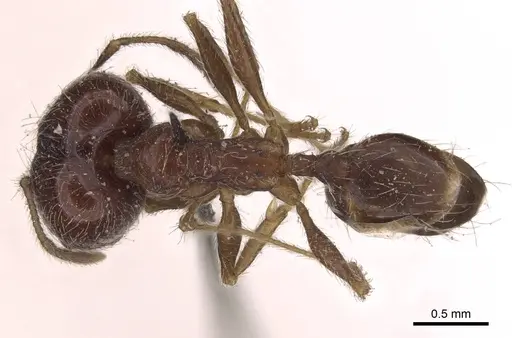
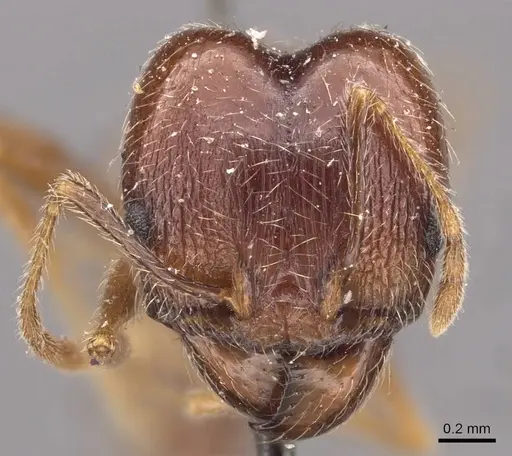
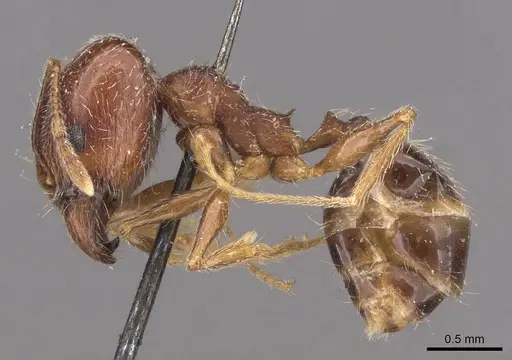
CASENT0907802
View on AntWeb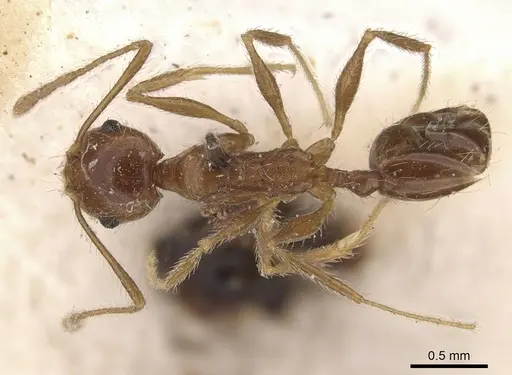
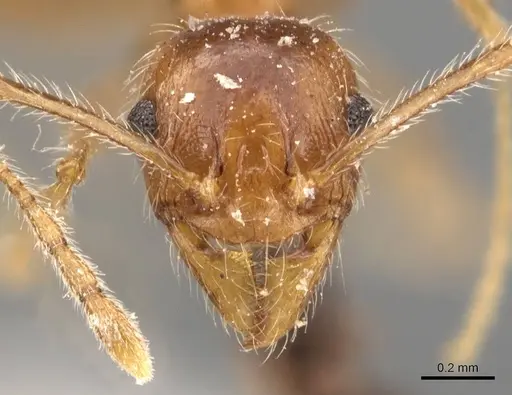
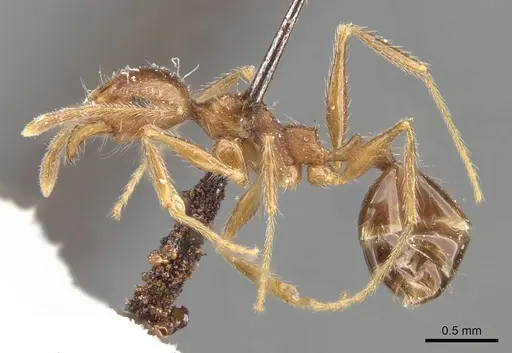
CASENT0922203
View on AntWeb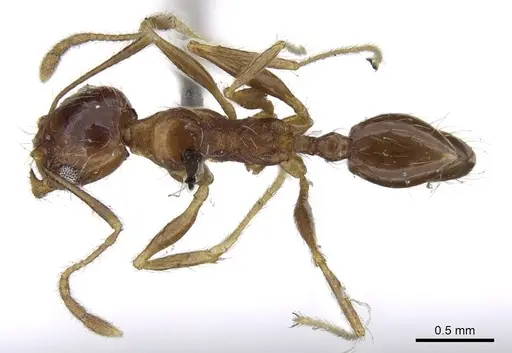
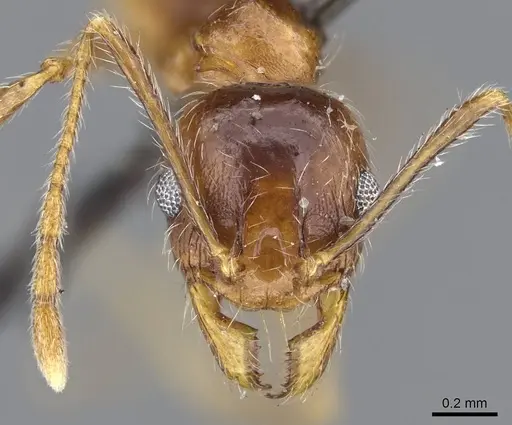
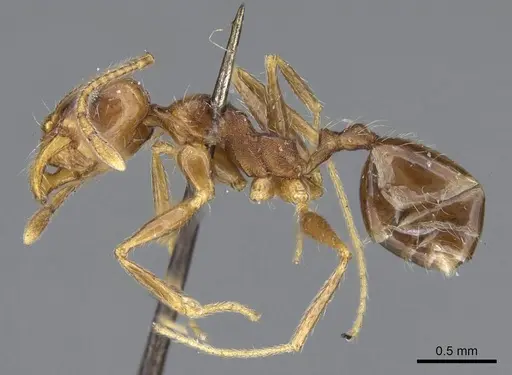
CASENT0922204
View on AntWeb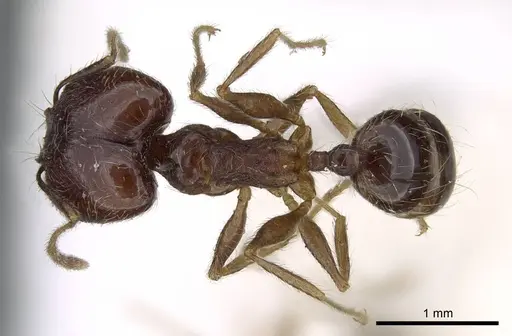
FOCOL1354
View on AntWeb
FOCOL1355
View on AntWeb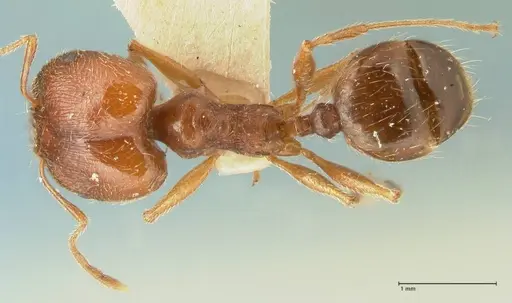
Literature
Loading...Loading products...