

Pheidole tenuicephala
- Scientific Name
- Pheidole tenuicephala
- Tribe
- Attini
- Subfamily
- Myrmicinae
- Author
- Longino, 2009
- Distribution
- Found in 1 countries
Pheidole tenuicephala Overview
Pheidole tenuicephala is an ant species of the genus Pheidole. It is primarily documented in 1 countries , including Costa Rica. Detailed taxonomic data and occurrence records can be further explored via authoritative databases such as AntWeb or the Global Biodiversity Information Facility (GBIF).
Pheidole tenuicephala
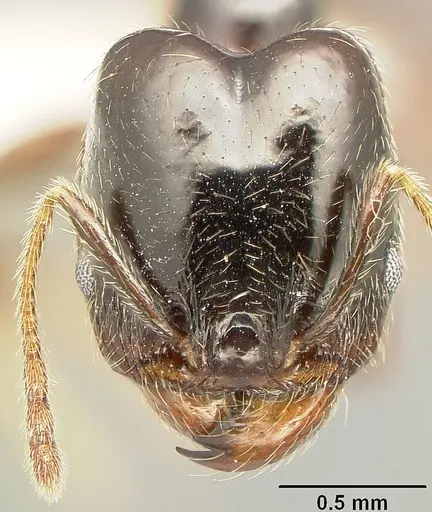
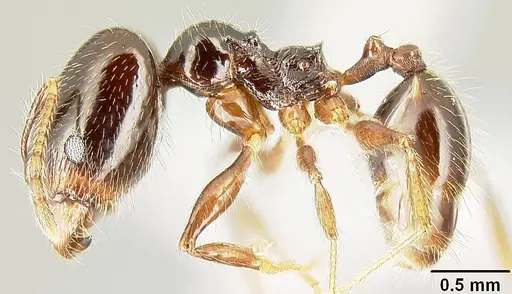
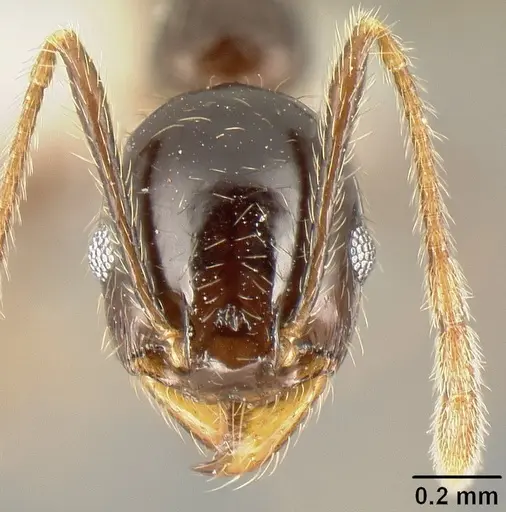
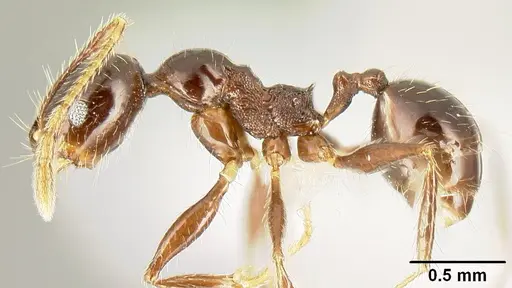
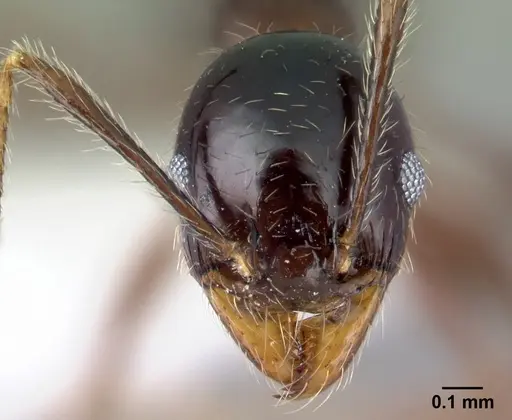
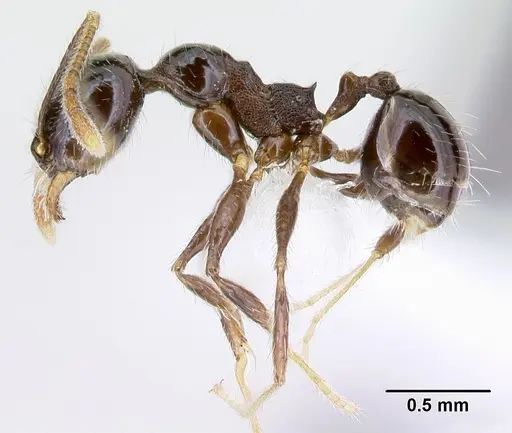
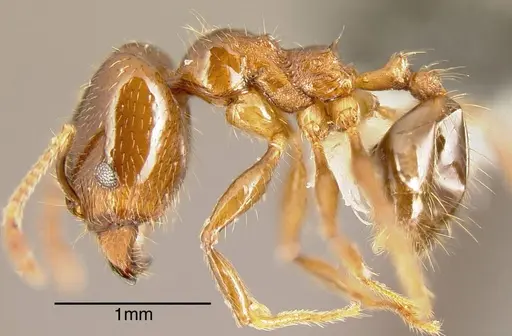
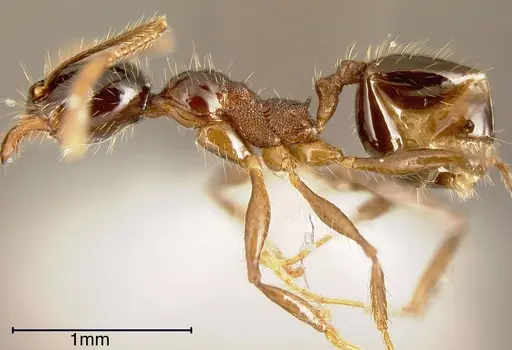
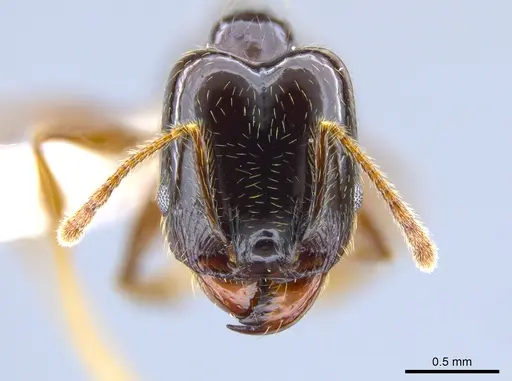
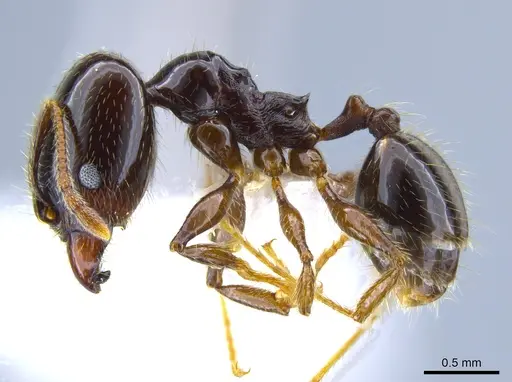
Pheidole tenuicephala is a small ant species native to the cloud forests of Costa Rica. As with all Pheidole species, they have two worker castes: minor workers are tiny at 0.68-0.76mm, while major workers (soldiers) have the characteristic enlarged heads that give this genus its 'big-headed ant' common name. Major workers measure 1.20-1.30mm with notably narrow heads that are highly distinctive within their species group. They are dark reddish-brown in color. This species is a narrow elevation specialist found only at mid-elevations (800-1400m) in the Cordillera Volcánica Central and Cordillera de Tilarán mountain ranges. Colonies are typically found nesting beneath stones in moist cloud forest areas. Minor and major workers forage together and recruit aggressively to food sources like cookie baits, making them easy to observe in the wild.
Quick Summary
- Difficulty: Medium
- Origin & Habitat: Cloud forests of Costa Rica at elevations of 800-1400m in the Cordillera Volcánica Central and Cordillera de Tilarán [1][2]. Nests are found beneath stones in moist forest areas like Monteverde's lower Bajo del Tigre [1].
- Colony Type: Single-queen colonies (monogyne) typical of the genus Pheidole. Colonies likely contain one founding queen that establishes the nest alone.
- Colony: Monogyne
- Founding: Claustral
- Size & Growth:
- Queen: Undocumented in original description, estimated 5-7mm based on genus patterns
- Worker: Minor workers: 0.68-0.76mm, Major workers: 1.20-1.30mm [2]
- Colony: Unknown for this specific species, typical Pheidole colonies reach several hundred to a few thousand workers
- Growth: Moderate, inferred from genus patterns
- Development: Estimated 6-8 weeks based on typical Pheidole development at warm temperatures (Development time is estimated from related species, direct measurements not available for this species)
- Antkeeping:
- Temperature: Keep at 20-24°C. As a cloud forest species from moderate elevations, they prefer cooler temperatures than tropical lowland ants. Avoid overheating, room temperature or slightly warm conditions work well [1].
- Humidity: High humidity required. Cloud forest origin means they need consistently moist substrate, keep nesting area damp but not waterlogged. Provide a water tube and ensure the nest material stays moist [1].
- Diapause: Unknown for this species. As a Costa Rican cloud forest ant, they may not require true hibernation but may slow down during cooler dry seasons. Monitor colony activity and reduce feeding if they become less active.
- Nesting: In captivity, they do well in test tubes (for founding) and acrylic or plaster nests. The key is keeping the nest material consistently moist. They naturally nest under stones in damp soil, so a naturalistic setup with moist substrate also works well. Avoid dry, heated nests.
- Behavior: These ants are active foragers with both minor and major workers actively recruiting to food sources. Major workers serve as defenders and help process larger prey. They are not aggressive toward keepers but will defend the nest if threatened. Minor workers are small (under 1mm) so escape prevention should focus on sealing any gaps larger than 1mm. They are diurnal foragers, actively searching during daylight hours when food is discovered.
- Common Issues: high humidity is critical, colonies can fail if kept too dry, small minor workers can escape through standard test tube cotton if not properly sealed, cloud forest origin means they can overheat easily, keep away from direct heat sources, slow founding phase, new colonies may take months to produce first workers, patience is required, wild-caught colonies may carry parasites that can decimate captive colonies
Nest Preferences
In the wild, Pheidole tenuicephala nests beneath stones in moist cloud forest soil. The nest location beneath stones provides consistent moisture and temperature stability. For captive care, they do well in test tubes during founding (as with most Pheidole), then can be moved to acrylic nests or plaster formicaria. The critical factor is maintaining substrate moisture, the nest material should feel damp to the touch. A water tube connected to the nest helps maintain humidity. Naturalistic setups with a layer of moist soil and a flat stone on top also mimic their natural conditions well. Avoid very dry environments or nests placed near heat sources that would dry out the substrate. [1]
Feeding and Diet
In the wild, both minor and major workers recruit to cookie baits, showing they readily accept sugary foods. They are generalist foragers that likely eat honeydew, nectar, and small insects in nature. For captive colonies, offer a mix of protein and sugar sources. Sugar water, honey, or diluted jam works well as an energy source. For protein, offer small insects like fruit flies, small crickets, or mealworms. Major workers can tackle larger prey items with their powerful jaws. Feed protein 2-3 times per week and keep a sugar source constantly available. Remove uneaten food after 24-48 hours to prevent mold. Young colonies (founding queens) do not need food until first workers emerge, the queen lives entirely on her stored fat reserves. [1]
Temperature and Care
As a cloud forest species from moderate elevations (800-1400m), Pheidole tenuicephala prefers cooler temperatures than typical tropical ants. Keep the nest at 20-24°C, room temperature is often ideal. Avoid placing nests on heating mats or in direct sunlight, as overheating can kill colonies. They are adapted to the stable, mild conditions of cloud forests where temperatures rarely extremes. If your room is cooler than 20°C, a very gentle heat gradient (one corner slightly warm) can help, but ensure they can move to cooler areas. Temperature affects development speed, warmer temperatures within the safe range speed up brood development, while cooler temperatures slow it down. [1]
Behavior and Colony Structure
Pheidole species are known for their two-worker caste system. Minor workers handle most tasks including foraging, nursing brood, and maintaining the nest. Major workers (sometimes called soldiers) have enlarged heads and powerful mandibles used for defense, processing large food items, and seed processing. In Pheidole tenuicephala, both castes forage together and recruit nestmates to food sources through chemical trails. When you place food near a colony, you'll see minor workers arrive first, followed by increasing numbers as the recruitment chemical (pheromone) builds up. Major workers typically stay near the nest entrance or food processing areas rather than foraging far from the nest. This species is not particularly aggressive but will bite if threatened. Their small size makes them harmless to humans. [1]
Growth and Development
A newly mated queen will dig a small chamber and seal herself inside (claustral founding). She lays eggs and tends to the larvae entirely alone, surviving on her stored fat reserves. This founding phase typically lasts 4-8 weeks depending on temperature. The first workers (called nanitics) are usually smaller than normal workers since the queen has limited resources. Once nanitics emerge, the colony enters a growth phase where the queen focuses on egg-laying while workers take over all other tasks. Growth rate is moderate, you can expect the colony to reach 50-100 workers within the first year under good conditions. Pheidole colonies can eventually grow to several thousand workers, though this takes several years. The key to successful founding is patience, do not disturb the queen during this vulnerable phase.
Frequently Asked Questions
How long does it take for Pheidole tenuicephala to produce first workers?
From egg to first worker typically takes 6-8 weeks at optimal temperatures (around 22-24°C). This is an estimate based on related Pheidole species, as specific development data for P. tenuicephala is not available. The queen will remain sealed in her chamber until workers emerge, so avoid disturbing her during this time.
What do Pheidole tenuicephala ants eat?
They accept a varied diet including sugar sources (honey, sugar water, jam) and protein (small insects like fruit flies, crickets, mealworms). In the wild, both minor and major workers recruit to cookie baits, showing they are generalist foragers. Offer protein 2-3 times per week and keep sugar water constantly available.
Are Pheidole tenuicephala ants good for beginners?
They are rated as medium difficulty. The main challenges are maintaining high humidity (critical for this cloud forest species) and having patience during the slow founding phase. If you can keep a nest consistently moist and wait several months for first workers, they are rewarding to keep. Their small size and preference for cooler temperatures require some attention to setup.
What temperature is best for Pheidole tenuicephala?
Keep them at 20-24°C. As a cloud forest species from moderate elevations in Costa Rica, they prefer cooler conditions than typical tropical ants. Room temperature is often ideal. Avoid heating mats or direct sunlight, as overheating can be fatal.
How big do Pheidole tenuicephala colonies get?
Specific data is not available for this species, but typical Pheidole colonies reach several hundred to a few thousand workers over several years. The major workers (soldiers) make up a small percentage of the workforce, with minor workers being far more numerous.
Can I keep multiple Pheidole tenuicephala queens together?
Pheidole is typically monogyne (single queen). Combining unrelated queens is not recommended as they will likely fight. Only keep one queen per colony unless you are attempting pleometrosis (founding with multiple queens), which has higher failure rates.
When should I move Pheidole tenuicephala from a test tube to a formicarium?
Move them when the test tube becomes crowded or the water reservoir is depleted. For Pheidole, this is typically when the colony reaches 50-100 workers. Ensure the new nest can maintain humidity, acrylic nests with water chambers or plaster nests work well. Always provide a connection to a foraging area.
Do Pheidole tenuicephala ants need hibernation?
As a Costa Rican cloud forest species, they likely do not require true hibernation. However, they may slow down during cooler periods. If your room temperature drops significantly in winter, you might reduce feeding and keep them in a cooler area of your home. Do not refrigerate them, they are not adapted to freezing temperatures.
Why are my Pheidole tenuicephala dying?
The most common causes are: too dry conditions (cloud forest ants need moist substrate), overheating (keep away from heat sources), or disturbance during founding (queens need peace to establish). Also check for escape gaps, minor workers are tiny and can squeeze through small openings. If the colony was wild-caught, parasites may be the issue.
References

This caresheet is licensed under CC BY-SA 4.0 .
CASENT0609054
View on AntWeb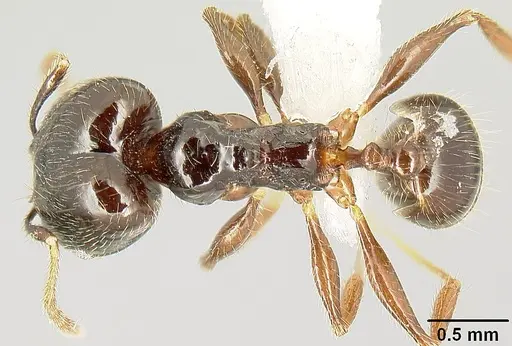
CASENT0609055
View on AntWeb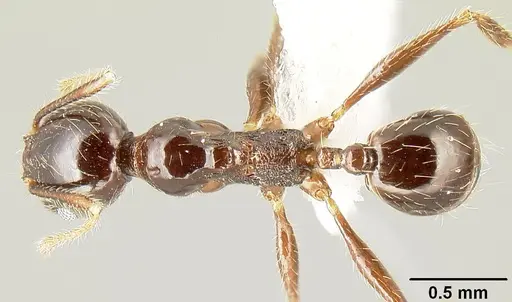
CASENT0609056
View on AntWeb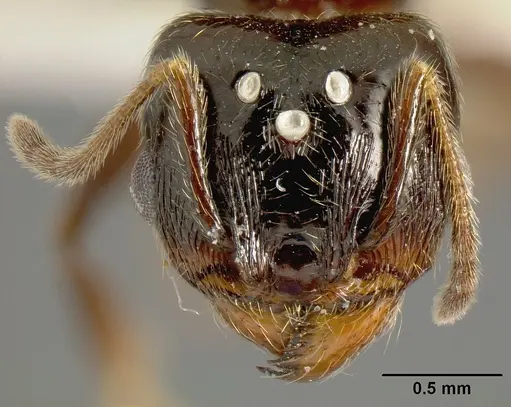
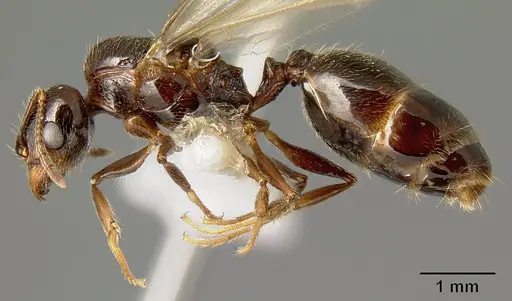
CASENT0609057
View on AntWeb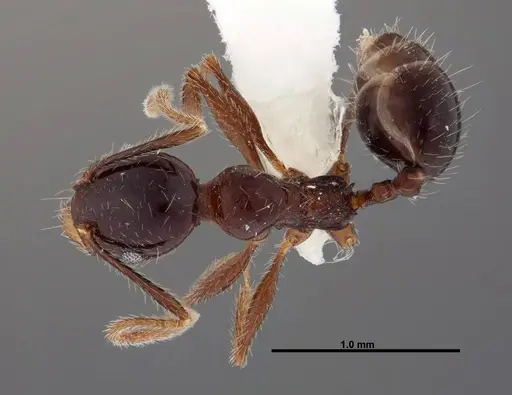
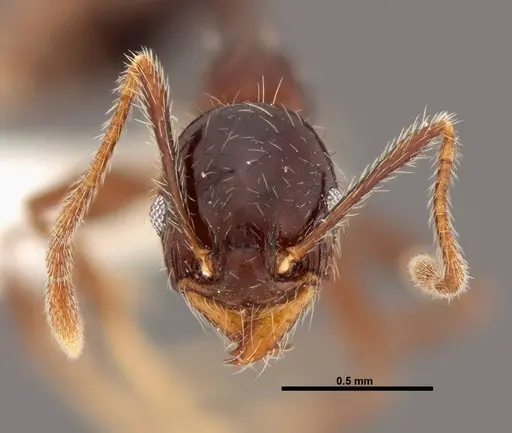
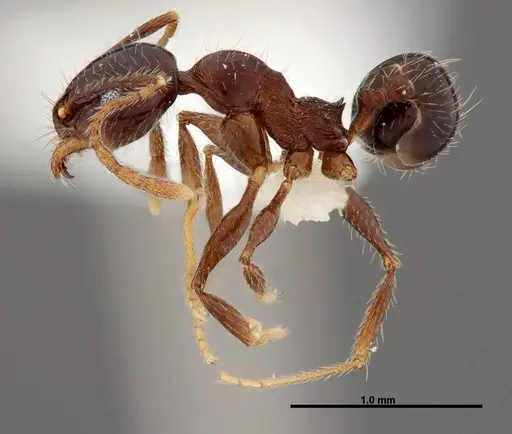
CASENT0609060
View on AntWeb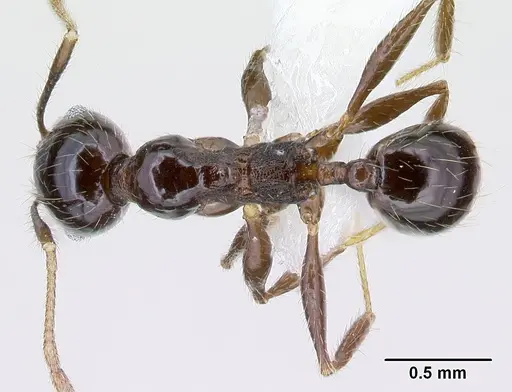
CASENT0609069
View on AntWeb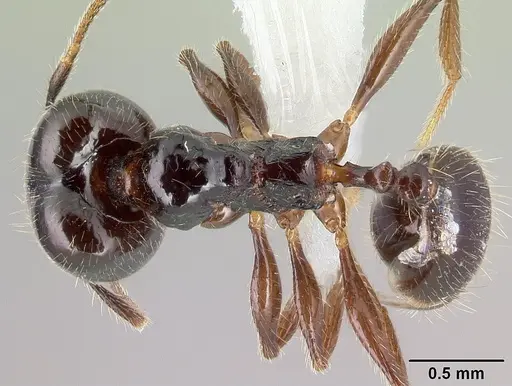
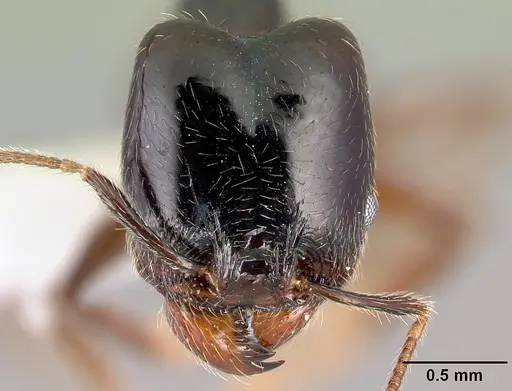
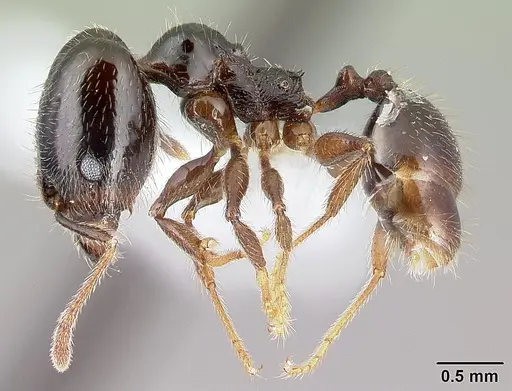
CASENT0609073
View on AntWeb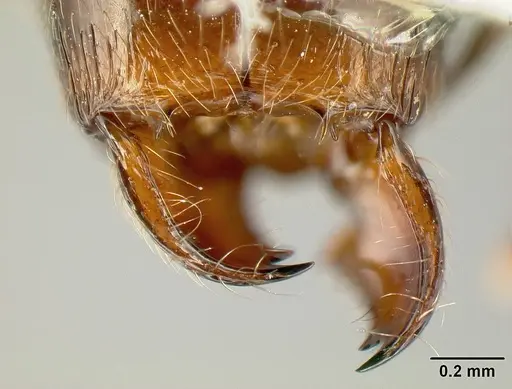
CASENT0635546
View on AntWeb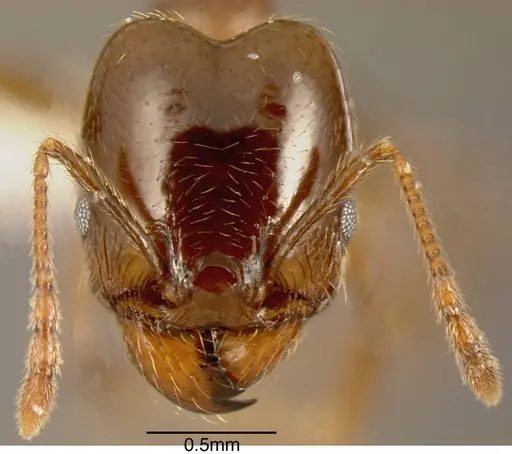
CASENT0635547
View on AntWeb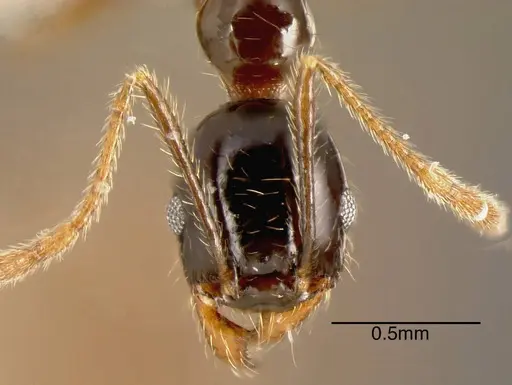
CASENT0635760
View on AntWeb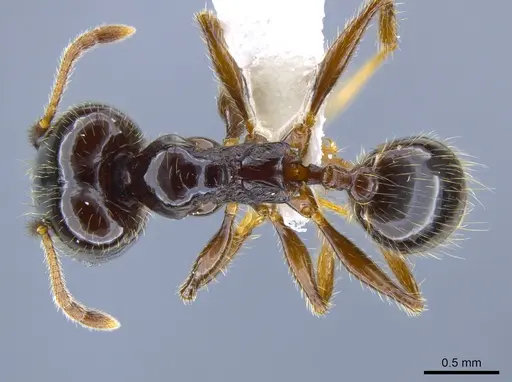
Literature
Loading...Loading products...