

Pheidole tasmaniensis
- Scientific Name
- Pheidole tasmaniensis
- Tribe
- Attini
- Subfamily
- Myrmicinae
- Author
- Mayr, 1866
- Distribution
- Found in 1 countries
Pheidole tasmaniensis Overview
Pheidole tasmaniensis is an ant species of the genus Pheidole. It is primarily documented in 1 countries , including Australia. Detailed taxonomic data and occurrence records can be further explored via authoritative databases such as AntWeb or the Global Biodiversity Information Facility (GBIF).
Pheidole tasmaniensis
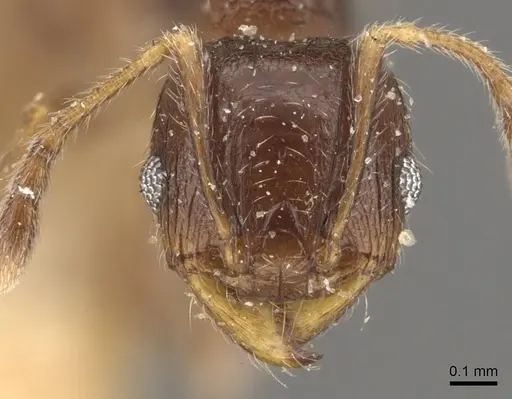
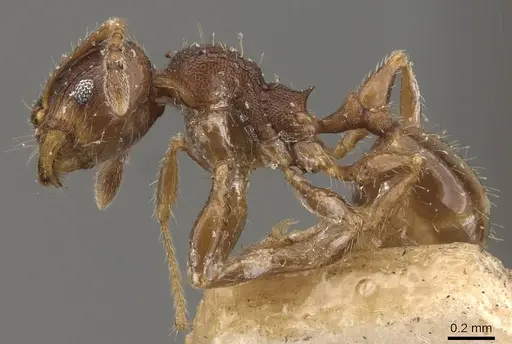
Pheidole tasmaniensis is a small to medium-sized ant species native to Tasmania and mainland Australia. As with other Pheidole species, they are known for their distinctive caste system: workers come in two sizes, smaller minor workers and larger major workers (soldiers) with enlarged heads used for seed processing and colony defense. Soldiers measure 3.4-4.4mm, while minor workers are smaller. The body is reddish-yellow to reddish in color, with the abdomen often appearing darker from above [1]. This species is part of the Attini tribe, which includes the famous leaf-cutter ants and other fungus-growing species, though Pheidole tasmaniensis is not a fungus cultivator itself.
This species is particularly interesting as an Australian native that has been documented as a host for the parasitic beetle Pheidoliphila minuta, a member of the Chlamydopsinae subfamily that specializes in parasitizing ant colonies [1]. While not as commonly kept as some other Pheidole species, they make an engaging species for antkeepers interested in Australian natives, with their visible size polymorphism and active foraging behavior.
Quick Summary
- Difficulty: Easy
- Origin & Habitat: Tasmania and mainland Australia. This species is native to the Australasian region, specifically found in Tasmania and across southern Australia. They inhabit various terrestrial habitats, typically nesting in soil or under stones in temperate to subtropical environments.
- Colony Type: Likely monogyne (single queen colonies) based on typical Pheidole patterns, though colony structure has not been specifically documented for this species. The genus Pheidole typically forms single-queen colonies with distinct major and minor worker castes.
- Colony: Monogyne
- Founding: Claustral
- Size & Growth:
- Queen: Estimated 6-8mm based on typical Pheidole queen dimensions
- Worker: Minor workers: 2-3mm, Major workers (soldiers): 3.4-4.4mm [1]
- Colony: Likely several hundred to a few thousand workers based on typical Pheidole colony sizes
- Growth: Moderate, Pheidole species typically grow at a steady pace with distinct major workers appearing once the colony reaches moderate size
- Development: Estimated 6-8 weeks at optimal temperature based on typical Myrmicinae development (Development time is estimated from genus-level data since species-specific timing has not been documented. Expect first workers (nanitics) to emerge smaller than normal minor workers.)
- Antkeeping:
- Temperature: Keep at 20-26°C. Australian temperate species can tolerate room temperature in most homes. A slight heat gradient is beneficial but not required.
- Humidity: Moderate humidity around 50-70%. These ants do best with a moist nest chamber but not waterlogged conditions. Provide a water tube as usual but monitor for excess condensation.
- Diapause: Yes, as a Tasmanian species, they likely require a winter rest period. Reduce temperature to 10-15°C for 2-3 months during winter months (Australian winter: June-August in the Southern Hemisphere).
- Nesting: Test tubes work well for founding colonies. Established colonies can be kept in Y-tong nests, acrylic formicariums, or naturalistic setups with soil. They adapt readily to various nest types.
- Behavior: Active foragers with a generalist diet. Major workers (soldiers) use their enlarged heads to process seeds and defend the colony. They are not particularly aggressive toward keepers but will defend if threatened. Escape risk is moderate, standard barriers work well but ensure enclosures are secure. They forage actively and will discover food quickly.
- Common Issues: colonies may fail if kept too cold during winter, ensure proper hibernation conditions, overfeeding can lead to mold in nest chambers, remove uneaten food promptly, minor workers are small and can escape through standard barrier gaps if not careful, founding colonies are vulnerable to disturbance, minimize vibrations and light exposure, parasitic beetles (Pheidoliphila minuta) have been documented in wild colonies, quarantine new additions
Housing and Nest Setup
Pheidole tasmaniensis adapts well to various captive setups. For founding colonies, a standard test tube setup works perfectly, fill the tube one-third with water, plug with cotton, and place the queen in the tube. Cover with a dark cloth for the first few days to reduce stress. Once workers emerge (usually 4-8 weeks), you can continue in the test tube or transition to a small formicarium.
For established colonies, Y-tong (AAC) nests work well, as do acrylic nests with chambers sized appropriately for their body size. These ants are not particularly fussy about nest materials, they will dig in soil-based naturalistic setups or accept pre-formed chambers in acrylic/plaster. Ensure the nest has at least one moist chamber and one drier chamber so the ants can self-regulate humidity. A simple outworld for foraging completes the setup.
Feeding and Diet
Pheidole tasmaniensis is a generalist feeder, like most Pheidole species. In captivity, they readily accept protein sources such as small insects (fruit flies, small crickets, mealworms), and will also consume seeds, the major workers are specifically adapted for seed processing with their enlarged heads. Offer sugar water, honey, or diluted honey water as a constant carbohydrate source.
Feed protein 2-3 times per week, adjusting based on colony size. Remove any uneaten prey after 24 hours to prevent mold. Seeds can be offered occasionally, especially for larger colonies with major workers. Fresh water should always be available. This species is not a specialized feeder, so experimentation with different protein sources is encouraged to find what your colony prefers.
Temperature and Seasonal Care
As a species native to Tasmania and southern Australia, Pheidole tasmaniensis experiences cooler temperatures than many tropical ant species. Keep the colony at 20-26°C during the active season (roughly September through May in the Southern Hemisphere). Room temperature in most homes falls within this range.
During winter (June-August), reduce temperatures to 10-15°C to simulate their natural seasonal cycle. This hibernation period is important for colony health and may trigger reproductive behavior in spring. If your home stays warm year-round, consider placing the colony in a cooler location during winter months. Do not feed during deep hibernation, but ensure a small water source remains available.
Colony Growth and Development
Pheidole species are known for their distinct caste system, with major workers (soldiers) appearing as the colony grows. The first generation of workers (nanitics) are typically smaller than normal workers. As the colony expands, larger major workers will begin to appear, these are the ants with the characteristic enlarged heads.
Major workers serve primarily for seed processing and colony defense. You can expect to see major workers once the colony reaches roughly 50-100 workers. Growth rate is moderate, a well-fed colony might reach several hundred workers within a year or two. The colony will continue growing as long as conditions are suitable and the queen remains healthy and laying eggs.
Behavior and Observation
One of the most engaging aspects of keeping Pheidole tasmaniensis is observing the caste system in action. Minor workers handle most day-to-day tasks: foraging, caring for brood, and maintaining the nest. Major workers specialize in processing hard seeds and defending the colony against threats.
These ants are relatively calm and not prone to excessive biting or stinging. They are active foragers and will quickly discover food placed in the outworld. The majors can be quite striking with their enlarged heads, making them visually distinctive. They do not form supercolonies and typically maintain a single nest site. Standard escape prevention measures are sufficient, though the minor workers are small enough that gaps should be minimized.
Frequently Asked Questions
How long does it take for Pheidole tasmaniensis to have first workers?
Expect first workers (nanitics) to emerge 6-8 weeks after the queen lays eggs, assuming temperatures around 24°C. This is estimated from typical Myrmicinae development since species-specific timing has not been documented.
Do Pheidole tasmaniensis ants need hibernation?
Yes, as a Tasmanian species, they require a winter rest period. Reduce temperatures to 10-15°C for 2-3 months during winter (June-August in the Southern Hemisphere).
What do I feed Pheidole tasmaniensis?
They are generalist feeders. Offer small insects (fruit flies, mealworms, small crickets) as protein 2-3 times weekly, and provide constant access to sugar water or honey. They will also process seeds with their major workers.
Are Pheidole tasmaniensis good for beginners?
Yes, this species is considered easy to keep. They are tolerant of varying conditions, not overly aggressive, and adapt well to captive setups. Their caste system also provides educational observation opportunities.
How big do Pheidole tasmaniensis colonies get?
Based on typical Pheidole patterns, colonies likely reach several hundred to a few thousand workers. Maximum size is not specifically documented for this species.
Can I keep multiple queens together?
Pheidole tasmaniensis is likely monogyne (single queen). Combining unrelated queens is not recommended as they would likely fight. Only one queen per colony is standard for this species.
When should I move my colony to a formicarium?
Move from test tube to a formicarium once the colony reaches 50-100 workers and the test tube becomes crowded. Ensure the new setup has appropriate chamber sizes and humidity control.
What makes Pheidole tasmaniensis different from other ants?
This species has a distinct caste system with major workers (soldiers) that have enlarged heads for seed processing. It is also native to Australia and has been documented as a host for parasitic beetles.
Why are my Pheidole tasmaniensis dying?
Common causes include: temperatures too cold (especially during hibernation), excessive humidity leading to mold, disturbance during founding, or inadequate protein. Check that conditions match their moderate temperature and humidity needs.
References

This caresheet is licensed under CC BY-SA 4.0 .
CASENT0908058
View on AntWeb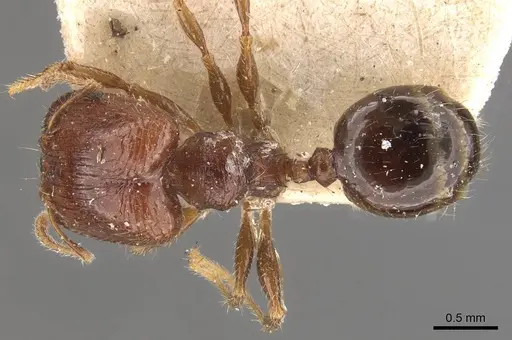
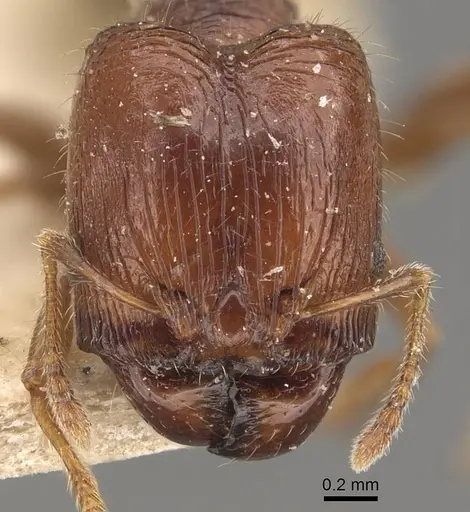
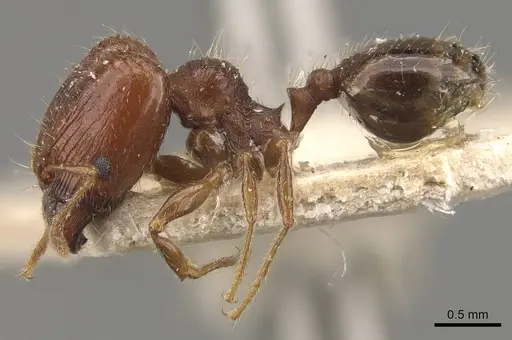
CASENT0908059
View on AntWeb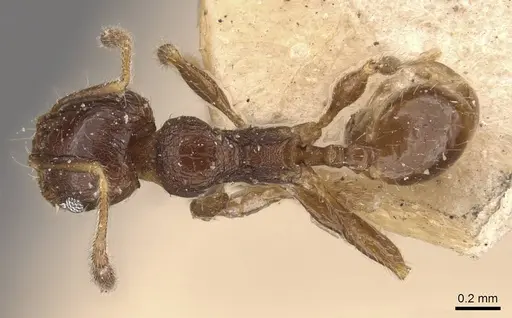
Literature
Loading...Loading products...