

Pheidole tanyscapa
- Scientific Name
- Pheidole tanyscapa
- Tribe
- Attini
- Subfamily
- Myrmicinae
- Author
- Wilson, 2003
- Distribution
- Found in 3 countries
Pheidole tanyscapa Overview
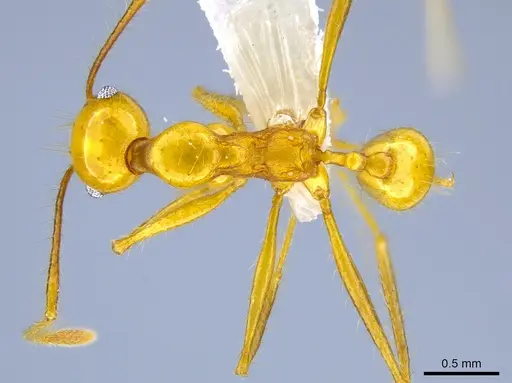
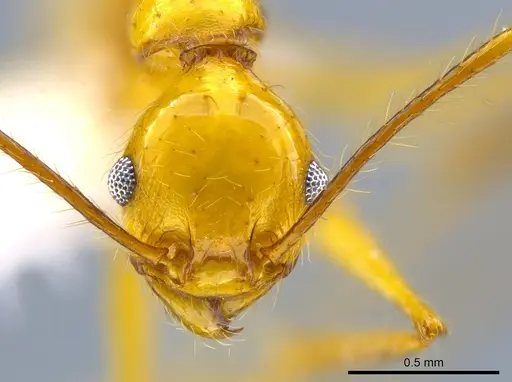
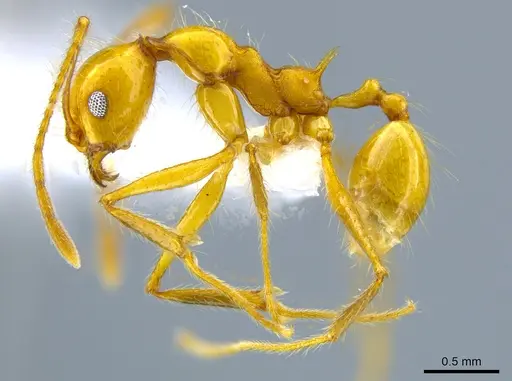
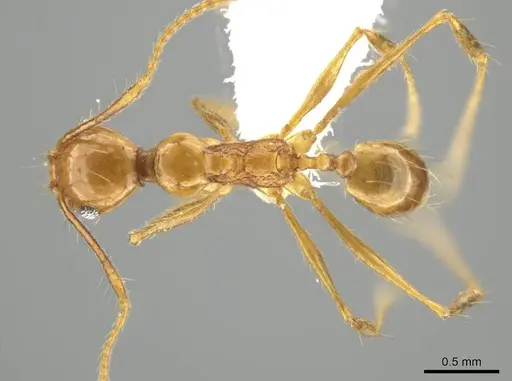
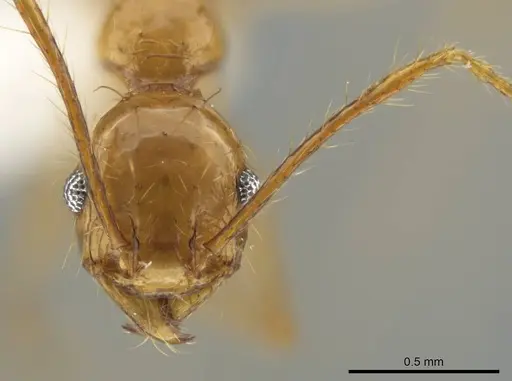
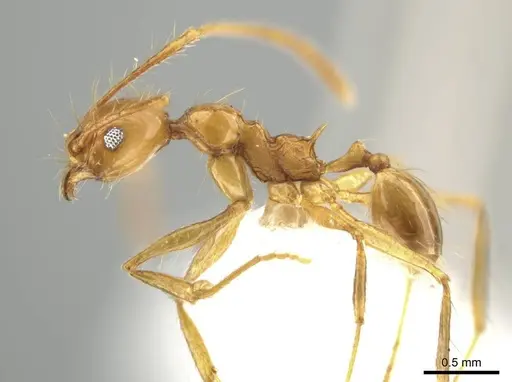
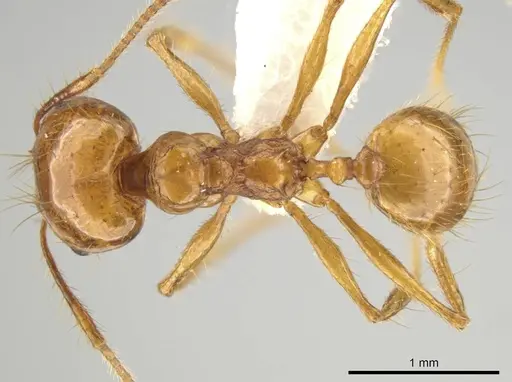
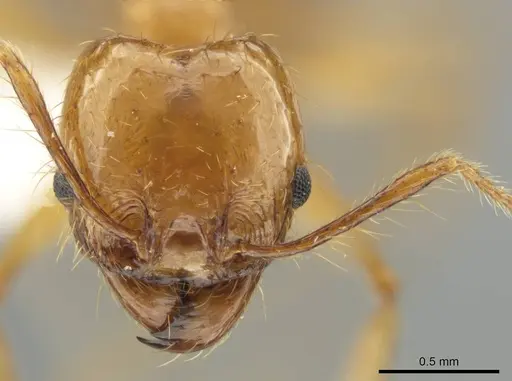
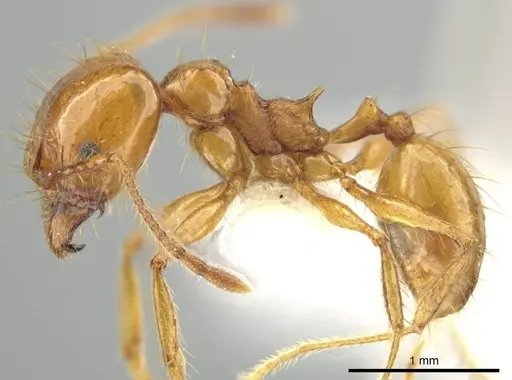
Pheidole tanyscapa is an ant species of the genus Pheidole. It is primarily documented in 3 countries , including Costa Rica, Nicaragua, Panama. Detailed taxonomic data and occurrence records can be further explored via authoritative databases such as AntWeb or the Global Biodiversity Information Facility (GBIF).
Pheidole tanyscapa
Pheidole tanyscapa is a small ant species native to Costa Rica, belonging to the Myrmicinae subfamily. These ants are typical members of the genus Pheidole, known for their distinctive two-worker caste system: minor workers handle most tasks while major workers (soldiers) have enlarged heads for defense and seed processing. The species is part of the diverse Costa Rican ant fauna documented in regional inventories [1]. As a tropical species from Costa Rica, they inhabit warm, humid forest environments where they nest in soil or under objects on the forest floor.
Quick Summary
- Difficulty: Easy
- Origin & Habitat: Costa Rica, tropical forest habitats in lowland to mid-elevation areas
- Colony Type: Likely monogyne (single queen colonies) based on typical Pheidole colony structure
- Colony: Monogyne
- Founding: Claustral
- Size & Growth:
- Queen: Estimated 7-9mm based on genus Pheidole patterns
- Worker: Minor workers 2-3mm, major workers 3-5mm based on genus patterns
- Colony: Estimated up to several thousand workers typical of Pheidole species
- Growth: Moderate, typical for tropical Myrmicinae
- Development: Estimated 6-8 weeks at tropical temperatures (25-28°C) based on related Pheidole species (Development time is estimated from genus-level data for tropical Pheidole species, actual timing may vary)
- Antkeeping:
- Temperature: Keep at 24-28°C, tropical species requiring warm conditions. A heating cable on one side of the nest creates a suitable gradient.
- Humidity: Maintain moderate to high humidity (60-80%). Keep the nest substrate moist but not waterlogged. Mist occasionally and provide a water tube.
- Diapause: No, as a tropical species from Costa Rica, they do not require hibernation. Keep them warm year-round.
- Nesting: Use a test tube setup for founding colonies. Later transfer to a Y-tong (AAC) nest or plaster formicarium with moist substrate. They do well in nests that retain humidity.
- Behavior: Pheidole tanyscapa is generally peaceful and not aggressive toward keepers. Major workers use their enlarged heads to defend the colony and process seeds. They are active foragers that search for seeds, protein sources, and sugar. Escape risk is moderate, standard barriers work well for this size. They are primarily nocturnal or crepuscular in activity patterns.
- Common Issues: mold growth in the nest due to tropical humidity requirements, ensure proper ventilation, overheating from excessive heating, keep temperatures below 30°C, colonies may stall if protein sources are insufficient, offer varied diet, test tube flooding if water reservoir is too large, use appropriate tube size
Nest Preferences
In the wild, Pheidole tanyscapa nests in soil or under objects on the forest floor in Costa Rica's tropical environments. For captive care, start colonies in a simple test tube setup with a water reservoir. The tube should have cotton separating the water from the ants, keeping the substrate lightly moist. Once the colony reaches 20-30 workers, you can transfer them to a Y-tong (AAC) nest or a plaster formicarium. These nests hold humidity well, which matches what this tropical species needs. Avoid dry setups, they need consistent moisture in the nest area.
Feeding and Diet
Pheidole species are typically granivorous, meaning they eat seeds, but they also readily accept protein and sugar. Feed your colony a mix of seeds (millet, chia, flax seeds crushed slightly), protein (small insects like fruit flies, mealworms, or cricket pieces), and sugar sources (honey water or sugar water). Offer seeds constantly as they're a natural part of their diet. Protein should be offered 2-3 times per week, especially when the colony has brood to feed. Remove uneaten protein after 24 hours to prevent mold. Sugar water can be provided in a small container changed every 2-3 days.
Temperature and Care
As a Costa Rican tropical species, Pheidole tanyscapa needs warm temperatures between 24-28°C. Room temperature may be sufficient if your home stays in this range, otherwise use a heating cable on one side of the nest to create a warm zone around 26°C. Never let temperatures exceed 30°C as this can stress or kill the colony. Since they come from a humid tropical environment, maintain moderate humidity around 60-80% in the nest. A moist substrate that doesn't dry out quickly works best. They do not need hibernation, keep them warm year-round.
Behavior and Colony Structure
Pheidole tanyscapa has the characteristic two-caste system of the genus: minor workers handle foraging, nursing, and most daily tasks, while major workers (soldiers) defend the colony and process larger food items like seeds. The colony will grow slowly at first during the claustral founding phase, then accelerate once the first workers (nanitics) emerge. Majors typically appear later in colony development. These ants are not aggressive and rarely sting. They are most active during evening and night hours. Standard escape prevention with fluon on container edges works well for this species.
Frequently Asked Questions
How long does it take for Pheidole tanyscapa to get first workers?
Expect first workers (nanitics) in about 6-8 weeks after the queen lays eggs, assuming temperatures around 25-28°C. This is based on typical Pheidole development patterns, actual timing may vary slightly.
Can I keep multiple Pheidole tanyscapa queens together?
Not recommended. Pheidole species are typically monogyne (single queen colonies). Combining unrelated queens usually results in fighting. If you catch multiple founding queens, house them separately.
What do Pheidole tanyscapa ants eat?
They accept a varied diet including seeds (crushed slightly), small insects for protein, and sugar sources like honey water or sugar water. Seeds should be available constantly, protein 2-3 times per week.
Are Pheidole tanyscapa good for beginners?
Yes, they are considered easy to keep. They are resilient, accept varied foods, and have straightforward temperature needs. Their main requirements are warmth and maintained humidity.
When should I move my Pheidole tanyscapa colony to a formicarium?
Move them once the colony reaches 20-30 workers in a test tube. A Y-tong (AAC) nest or plaster formicarium works well. Make sure the new nest has moist substrate and can maintain humidity.
Do Pheidole tanyscapa need hibernation?
No. As a tropical species from Costa Rica, they do not require hibernation. Keep them warm year-round at 24-28°C.
How big do Pheidole tanyscapa colonies get?
Mature colonies can reach several thousand workers, which is typical for Pheidole species. The presence of major workers increases as the colony grows.
Why is my Pheidole tanyscapa colony not growing?
Check that temperatures are warm enough (24-28°C), humidity is adequate, and the queen is still laying eggs. Poor nutrition can also slow growth, ensure protein is offered regularly. Colonies naturally grow slowly at first.
References

This caresheet is licensed under CC BY-SA 4.0 .
Literature
Loading...Loading products...