

Pheidole tambopatae
- Scientific Name
- Pheidole tambopatae
- Tribe
- Attini
- Subfamily
- Myrmicinae
- Author
- Wilson, 2003
- Distribution
- Found in 1 countries
Pheidole tambopatae Overview
Pheidole tambopatae is an ant species of the genus Pheidole. It is primarily documented in 1 countries , including Peru. Detailed taxonomic data and occurrence records can be further explored via authoritative databases such as AntWeb or the Global Biodiversity Information Facility (GBIF).
Pheidole tambopatae
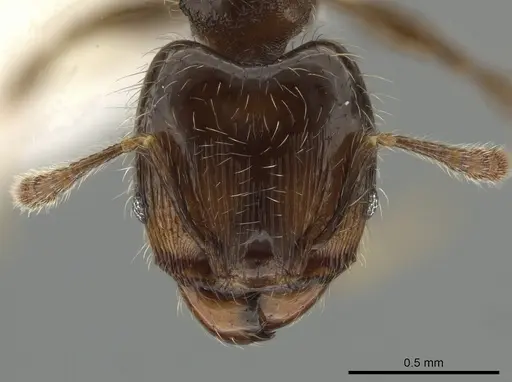
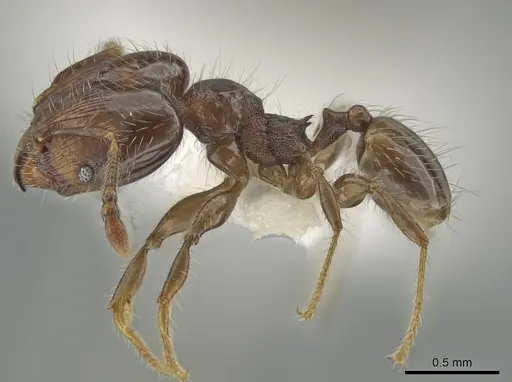
Pheidole tambopatae is a medium-sized Neotropical ant known for its striking bicolored appearance. Majors (soldiers) measure about 0.84mm in head width with a chunky build, while minors are roughly half that size at 0.44mm [1]. The species displays an unusual color pattern: the major worker has a very light brown occiput, front of the head, sides of the mesosoma, and all of the waist and legs, while the rest of the body is medium to dark brown. Minors show a similar pattern with light brown on the head, mesosoma, waist, and the first two-thirds of the abdomen [1]. This species was described from Peru's Tambopata region and is also found in Colombia and northern Brazil [1].
Quick Summary
- Difficulty: Medium
- Origin & Habitat: Tropical forests of Peru, Colombia, and Brazil. In the wild, colonies have been found nesting beneath tree bark in treefall clearings and in spiny bamboo (Guadua) groves [2]. This indicates they prefer humid, shaded microhabitats with access to decaying wood.
- Colony Type: Likely single-queen colonies based on typical Pheidole patterns. Colony size is unconfirmed but related species often reach several hundred workers.
- Colony: Monogyne
- Founding: Claustral
- Size & Growth:
- Queen: Undescribed in original description, estimated 6-8mm based on genus patterns
- Worker: Major: 0.84mm HW [1], Minor: 0.44mm HW [1]
- Colony: Unknown, likely several hundred workers based on typical Pheidole growth
- Growth: Moderate, inferred from genus patterns
- Development: Estimated 6-8 weeks at tropical temperatures (25-28°C) based on related species (Development time is estimated, no direct study exists for this species. Tropical Pheidole species typically develop faster than temperate species.)
- Antkeeping:
- Temperature: Keep at 24-28°C, these are tropical ants from the Amazon basin. A gentle heat gradient allows them to regulate their temperature
- Humidity: High humidity (70-85%), their natural habitat is tropical rainforest. Keep the nest substrate consistently moist but not waterlogged
- Diapause: No, being a tropical species, they do not require hibernation. Maintain warm conditions year-round
- Nesting: Provide a humid nest with moist substrate. Y-tong (AAC) nests or plaster nests work well. The key is maintaining high humidity while allowing some ventilation to prevent mold. Naturalistic setups with rotting wood or cork bark simulate their natural nesting sites under tree bark
- Behavior: Pheidole tambopatae is a generalist forager typical of the genus. Majors (soldiers) defend the colony and help process large food items, while minors handle most foraging and brood care. They are not particularly aggressive but will defend if threatened. Their small minor workers (0.44mm) mean escape prevention should be taken seriously, they can squeeze through small gaps. They likely forage in columns and accept a varied diet including small insects, seeds, and honeydew/sugar sources.
- Common Issues: high humidity management is critical, too wet causes mold, too dry stresses the colony, escape prevention must be excellent given their tiny minor workers at just 0.44mm, slow growth compared to faster-developing genera may frustrate beginners, tropical species are sensitive to temperature drops, keep away from cold drafts, wild-caught colonies may carry parasites that can devastate captive colonies
Housing and Nest Setup
Pheidole tambopatae requires high humidity to thrive. Y-tong (AAC) nests or plaster nests work well because they hold moisture consistently. Keep one side of the nest slightly moist by connecting a water reservoir. The outworld should have a small water tower or gel water source for drinking, plus a protein food dish. For the founding stage, a standard test tube setup with a cotton-plugged water reservoir works fine, just keep it in a warm, humid location away from direct sunlight. Once the colony reaches 20-30 workers, you can move them to a proper formicarium. The key is maintaining that tropical humidity (70-85%) without letting the nest become stagnant, some ventilation helps prevent mold problems.
Feeding and Diet
Like most Pheidole species, these ants are generalist feeders. Offer protein sources like small crickets, mealworms, or other small insects twice weekly. They also readily accept sugar water, honey, or diluted nectar. Pheidole are known seed collectors in the wild, so offering tiny seed fragments can provide enrichment. Remove any uneaten protein within 24-48 hours to prevent mold. For colonies under 50 workers, offer very small prey items, a single fruit fly or tiny cricket piece goes a long way. Sugar should be available constantly in a small test tube or bottle cap.
Temperature and Seasonal Care
Being a tropical species from the Amazon basin, these ants need warm conditions year-round. Maintain temperatures between 24-28°C (75-82°F). A small heating cable on one side of the nest creates a temperature gradient they can choose from. Avoid any temperature drops below 20°C, this can slow their metabolism and potentially harm the colony. There is no hibernation requirement for this species. Room temperature in most homes (around 22-24°C) is acceptable, but you may need to add gentle heating to reach the optimal range. Watch for workers clustering near heat sources, this indicates they want it warmer.
Growth and Development
The development timeline for this specific species has not been studied, so estimates come from related Pheidole species. At optimal tropical temperatures (25-28°C), expect eggs to develop into workers in approximately 6-8 weeks. The first workers (nanitics) will be smaller than normal workers but should quickly be replaced by properly-sized minors. Major workers (soldiers) typically appear when the colony reaches around 50-100 workers. Pheidole colonies can live for several years with proper care, with queens potentially living 10-15 years. Growth is moderate, don't expect the explosive growth you might see in some Crematogaster or Tapinoma species.
Behavior and Colony Dynamics
Pheidole tambopatae shows the typical caste system of the genus: small minors handle most daily tasks (foraging, brood care, nest maintenance) while large-headed majors defend the colony and help process large food items. Majors are not the primary foragers but will emerge when large prey is discovered or when the colony feels threatened. They forage in columns rather than as scattered individuals, which makes for entertaining observation. The colony will establish defined trails to food sources. Unlike some aggressive ant species, Pheidole generally focus on their own activities and are not particularly territorial outside their nest area.
Frequently Asked Questions
How long does it take for Pheidole tambopatae to produce first workers?
Based on related species, expect 6-8 weeks from egg to first worker at optimal temperatures (25-28°C). This is an estimate since this specific species hasn't been studied. The first workers will be nanitics (smaller than normal) but the colony should quickly produce properly-sized workers.
What do Pheidole tambopatae ants eat?
They are generalists. Offer small insects (fruit flies, pinhead crickets, mealworms) as protein twice weekly, and keep sugar water or honey available constantly. They may also accept tiny seeds as an enrichment food.
Do Pheidole tambopatae ants need hibernation?
No. As a tropical species from the Amazon basin, they do not require hibernation. Keep them warm year-round at 24-28°C.
Are Pheidole tambopatae good for beginners?
They are rated Medium difficulty. The main challenges are maintaining high humidity and keeping them warm. If you can provide a humid, tropical environment, they are manageable. Their small size does require good escape prevention.
How big do Pheidole tambopatae colonies get?
Colony size is not documented for this species, but related Pheidole species typically reach several hundred workers. With a healthy queen, the colony can live for many years.
What temperature is ideal for Pheidole tambopatae?
Keep them at 24-28°C (75-82°F). This is warmer than most room temperatures, so you may need a small heating cable or heat mat on one side of the nest.
Can I keep multiple queens together?
Pheidole are typically single-queen colonies. While not specifically studied for this species, combining unrelated queens is not recommended based on typical genus behavior.
When should I move my colony to a formicarium?
Wait until you have at least 20-30 workers and the founding chamber is becoming crowded. A test tube setup is fine for the founding stage, but a proper formicarium with humidity control helps once the colony grows.
Why are my Pheidole tambopatae dying?
Common causes include: temperature too low (below 20°C), humidity wrong (too dry or waterlogged), mold from poor ventilation, or stress from too much disturbance. Check these parameters first before worrying about disease.
References

This caresheet is licensed under CC BY-SA 4.0 .
CASENT0642968
View on AntWeb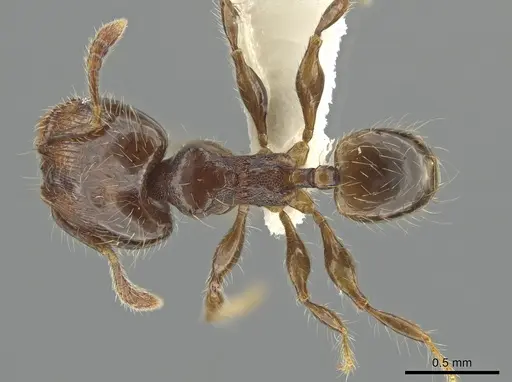
Literature
Loading...Loading products...