

Pheidole synarmata
- Scientific Name
- Pheidole synarmata
- Tribe
- Attini
- Subfamily
- Myrmicinae
- Author
- Wilson, 2003
- Distribution
- Found in 5 countries
Pheidole synarmata Overview
Pheidole synarmata is an ant species of the genus Pheidole. It is primarily documented in 5 countries , including Brazil, Colombia, Costa Rica. Detailed taxonomic data and occurrence records can be further explored via authoritative databases such as AntWeb or the Global Biodiversity Information Facility (GBIF).
Pheidole synarmata
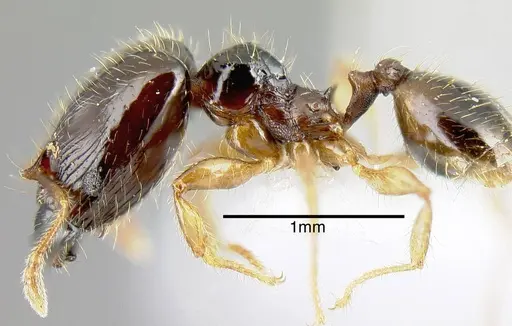
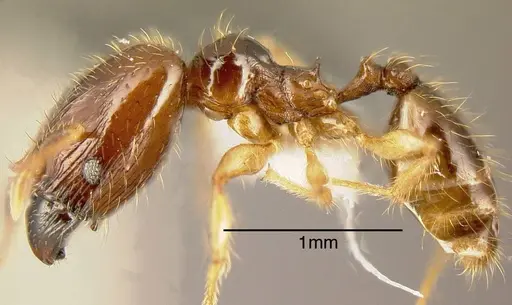
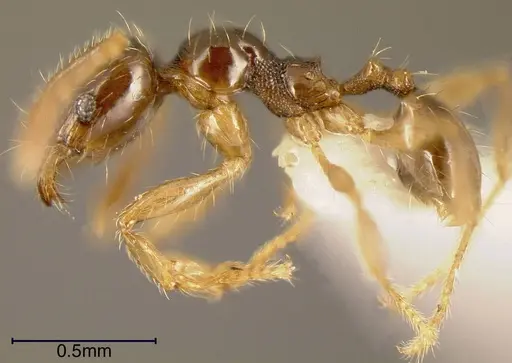
Pheidole synarmata is a Neotropical big-headed ant species described from Guyana in 2003. The species belongs to the tristis group and is known for its distinctive morphology: majors have an elongated head with a spine-like projection extending from the frontal lobe, while both castes feature a smooth, glossy body in uniform yellow coloration. Majors measure approximately 0.92mm in head width, while minors are around 0.46mm. This species has been recorded across a wide geographic range spanning Central America (Honduras, El Salvador, Nicaragua, Costa Rica) through northern South America (Colombia, Venezuela, Guyana, French Guiana, Brazil). In Brazil, it has been documented in multiple states including Pará, Maranhão, Bahia, and Paraná, typically found in leaf-litter sampling from tropical rainforests and forest edge habitats. Nothing is specifically known about the biology of this species, but like other Pheidole, it likely nests in soil or rotting wood and maintains a diet of seeds and small insects.
Quick Summary
- Difficulty: Unknown
- Origin & Habitat: Neotropical distribution spanning Central America (Honduras, El Salvador, Nicaragua, Costa Rica) to northern South America (Colombia, Venezuela, Guyana, French Guiana, Brazil). Found in leaf-litter of tropical rainforests and forest edge habitats, typically collected using Winkler extractors and pitfall traps [1][2][3].
- Colony Type: Colony structure is unconfirmed. Like other Pheidole, likely monogyne (single queen colony) based on genus patterns.
- Colony: Monogyne
- Founding: Claustral
- Size & Growth:
- Queen: Undescribed, queen measurements not available in scientific literature
- Worker: Major: 0.92mm HW [2], Minor: 0.46mm HW [2]
- Colony: Unknown, no colony size data exists for this species
- Growth: Unknown
- Development: Unconfirmed, no direct development data exists. Based on typical Pheidole patterns in tropical conditions, estimate 4-8 weeks from egg to first worker at optimal temperature. (This is a rough estimate based on genus-level data for tropical Pheidole species, not species-specific measurements.)
- Antkeeping:
- Temperature: No specific data exists. As a Neotropical species from tropical forests, likely prefers warm conditions around 24-28°C. Start in this range and observe colony activity, if workers cluster near heat, increase slightly, if they avoid heated areas, reduce temperature.
- Humidity: No specific data exists. Based on collection in leaf-litter rainforest habitats, likely requires moderate to high humidity (60-80%). Keep the nest substrate consistently moist but not waterlogged, with some drier areas available for ants to regulate their own conditions.
- Diapause: Unknown, no research on overwintering or seasonal behavior. As a tropical species, may not require a true diapause, but may show reduced activity during cooler or drier periods.
- Nesting: No specific nesting data exists. Based on typical Pheidole ecology and collection from leaf-litter, likely nests in soil, under stones, or in rotting wood. In captivity, a Y-tong (AAC) nest or plaster nest with moisture chambers works well. Provide a test tube setup for founding colonies with access to an outworld.
- Behavior: No specific behavioral studies exist for this species. Based on genus patterns, Pheidole ants are generally non-aggressive but will defend their nest vigorously if threatened. Majors (soldiers) use their enlarged heads to block nest entrances and crush seeds. Workers are active foragers that search for seeds and small insects. Escape risk is moderate, these are small ants but not extremely tiny, so standard escape prevention measures (fluon barriers) should be adequate. Foraging style is generalist omnivore, similar to other Pheidole species.
- Common Issues: no species-specific biological data exists, all care recommendations are estimates based on genus patterns, founding colonies may be difficult since nothing is known about their founding behavior, wild-caught colonies may have parasites or diseases since they come from leaf-litter habitats, humidity control may be challenging, tropical forest species need consistent moisture without flooding, slow growth may frustrate beginners, this species appears to grow slowly based on limited data
Species Identification and Morphology
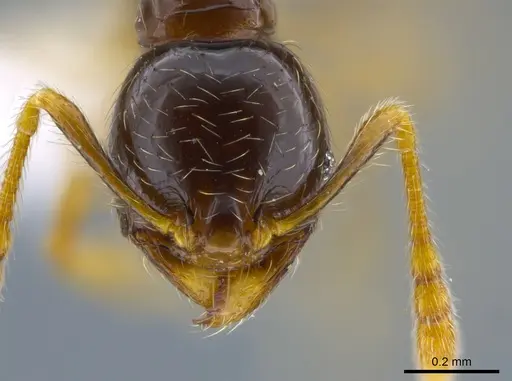
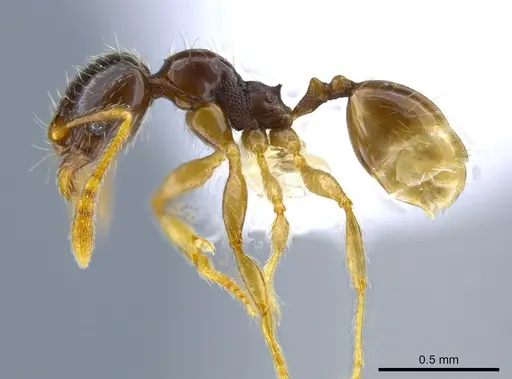
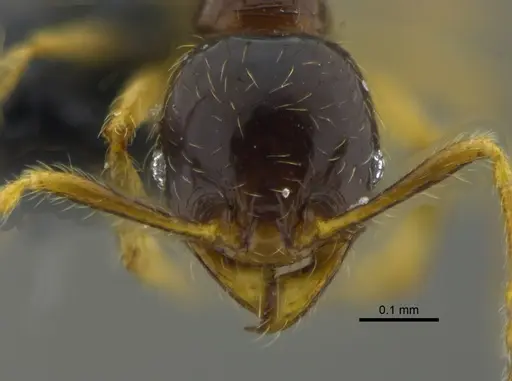
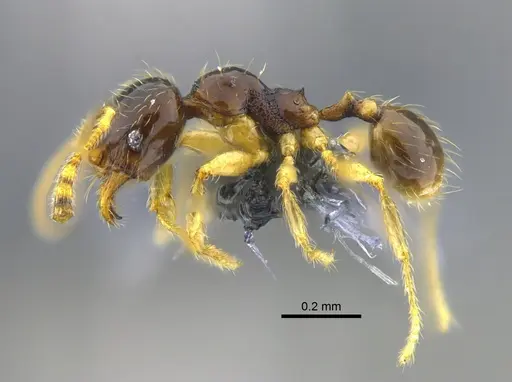
Pheidole synarmata is a distinctive species within the tristis group. The major workers have an elongated head with a unique spine-like projection extending vertically from the frontal lobe, this is a key identifying feature. Their promesonotum (the fused pro- and mesonotum) forms a large, bulbous, smoothly semicircular outline. The body is predominantly smooth and glossy with a uniform medium yellow coloration. Minor workers are smaller with a broad, concave occiput (back of head) lacking a nuchal collar, and they share the smooth, glossy body texture in a lighter yellow color. The major measures approximately 0.92mm in head width while the minor is about 0.46mm. This species can be distinguished from similar species in the subarmata complex by the combination of the spine-like frontal projection and the smooth, shiny body surface. [2]
Distribution and Habitat
This species has a broad Neotropical distribution spanning Central America through northern South America. It has been confirmed in Honduras, El Salvador, Nicaragua, Costa Rica, Colombia, Venezuela, Guyana, French Guiana, and Brazil. In Brazil specifically, records exist from Pará, Maranhão, Bahia, Piauí, and Paraná states. In Colombia, it has been found in the departments of Caldas, Risaralda, Valle del Cauca, Cauca, Huila, and Meta. The species appears to be associated with leaf-litter in tropical rainforest environments, where it is typically collected using Winkler extractors (a method for extracting ants from leaf-litter samples) and pitfall traps. Studies in French Guiana found it in various forest types including liana forest, plateau forest, transition forest, and inselberg forest, suggesting some habitat flexibility. [1][2][3]
Nest Preferences and Housing
No specific nesting data exists for this species, but like other Pheidole, it likely nests in soil, under stones, or in rotting wood in its natural habitat. For captive care, provide a test tube setup for founding colonies, fill a test tube one-third with water, plug with cotton, and place the queen in a dark area. Once the colony reaches 20-30 workers, you can transition to a Y-tong (AAC) nest or plaster formicarium. These ants need moisture, so choose a nest material that retains water well. Provide an outworld (foraging area) connected to the nest with tubing. Since this is a leaf-litter species, include some substrate or debris in the outworld to give foragers something to explore. Escape prevention is important, apply fluon or similar barrier to the edges of the outworld.
Feeding and Diet
No specific dietary studies exist for this species, but Pheidole genus members are typically generalist omnivores that eat seeds, small insects, and honeydew. In captivity, offer a varied diet including: protein sources like small crickets, mealworms, or fruit flies (offer these 1-2 times per week), seeds (millet, chia, or grass seeds are readily accepted by many Pheidole species), and sugar sources like honey water or sugar water (offer in a small container like a test tube cap, replace every 2-3 days). Remove uneaten prey after 24 hours to prevent mold. Since this is a tropical species, ensure fresh water is always available. Start with small amounts and observe what the colony prefers, some Pheidole species favor seeds while others prefer protein.
Temperature and Seasonal Care
No specific temperature data exists for this species. As a Neotropical ant from tropical rainforests, it likely prefers warm, stable conditions in the range of 24-28°C. In captivity, room temperature in this range works well, if your home is cooler, use a heating cable on one side of the nest to create a gentle gradient. Place the heating element on top of the nest, not underneath, to avoid drying out the substrate. Watch colony behavior: if workers cluster near the heated area, the colony is too cold, if they avoid the heated side entirely, it's too warm. Regarding diapause: as a tropical species, it likely does not require a true hibernation period, but may show reduced activity during cooler months. Do not force hibernation unless you observe clear seasonal slowing.
Behavior and Colony Dynamics
No specific behavioral studies exist for this species, but Pheidole ants typically show characteristic behaviors. Colonies contain distinct worker castes: minor workers handle most tasks including foraging, brood care, and nest maintenance, while major workers (soldiers) use their enlarged heads to block nest entrances, crush seeds, and defend the colony. Pheidole synarmata majors have the distinctive spine-like frontal projection which may serve a defensive or sensory function. Foraging occurs primarily at night or during cooler parts of the day in the wild. In captivity, workers will explore the outworld in search of food. The species is not known to be particularly aggressive toward keepers but will defend the nest if threatened. Colonies likely grow gradually over time, expect several months to reach significant numbers. [2]
Challenges and Limitations
This is one of the least-studied ant species in captivity, and the complete absence of biological data means all care recommendations are estimates based on genus-level patterns. You should expect a learning curve and be prepared to experiment with conditions. Founding colonies may be challenging since we don't know exactly what triggers successful claustral founding in this species. Consider keeping multiple founding attempts to improve success odds. Wild-caught colonies from leaf-litter sampling may carry parasites or pathogens that can cause colony losses. Quarantine new colonies and monitor for signs of illness. Growth is likely slow, don't expect rapid expansion. Patience is essential with poorly-documented species like this one.
Frequently Asked Questions
How long does it take for Pheidole synarmata to produce first workers?
This is unconfirmed, no species-specific development data exists. Based on typical tropical Pheidole patterns, expect approximately 4-8 weeks from egg to first worker at optimal temperature (around 24-28°C). The first workers (nanitics) will likely be smaller than normal workers.
What do Pheidole synarmata ants eat?
No species-specific dietary data exists. Based on genus patterns, offer a varied diet including small insects (crickets, fruit flies, mealworms), seeds (millet, chia), and sugar sources (honey water, sugar water). Remove uneaten food after 24 hours to prevent mold.
What temperature should I keep Pheidole synarmata at?
No specific data exists. As a Neotropical rainforest species, start around 24-28°C and adjust based on colony behavior. If workers cluster near heat, increase slightly, if they avoid heated areas, reduce temperature.
Do Pheidole synarmata ants need hibernation?
Unknown, no research on seasonal behavior exists. As a tropical species, a true diapause is likely not required, but the colony may show reduced activity during cooler periods. Do not force hibernation unless you observe clear seasonal slowing.
What size colony does Pheidole synarmata reach?
Unknown, no colony size data exists for this species. Based on typical Pheidole genus patterns, colonies likely reach several hundred to a few thousand workers over time, but this is an estimate.
Can I keep multiple Pheidole synarmata queens together?
No data exists on colony founding behavior for this species. Based on typical Pheidole patterns, single-queen colonies are most common. Do not combine unrelated foundress queens unless you have specific evidence they can found together.
Are Pheidole synarmata good for beginners?
This species is not recommended for beginners due to the complete lack of species-specific biological data. All care must be based on genus estimates, which may not accurately reflect this species' needs. If you're experienced with Pheidole genus and comfortable experimenting, this can be an interesting species to keep.
What nest type is best for Pheidole synarmata?
No specific nesting data exists. Based on typical Pheidole ecology, use a test tube for founding, then transition to a Y-tong (AAC) or plaster nest with moisture retention. Provide consistent humidity and a connected outworld for foraging.
Why is my Pheidole synarmata colony dying?
Without species-specific data, colony failures are difficult to diagnose. Common issues include: incorrect humidity (too dry or too wet), temperature stress, mold from overfeeding, or parasites from wild-caught colonies. Review your basic care parameters and adjust gradually. Consider that wild-caught colonies may carry diseases.
References

This caresheet is licensed under CC BY-SA 4.0 .
CASENT0619706
View on AntWeb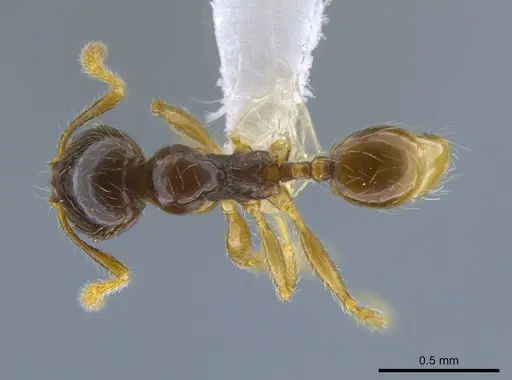
CBUMAGENT42010
View on AntWeb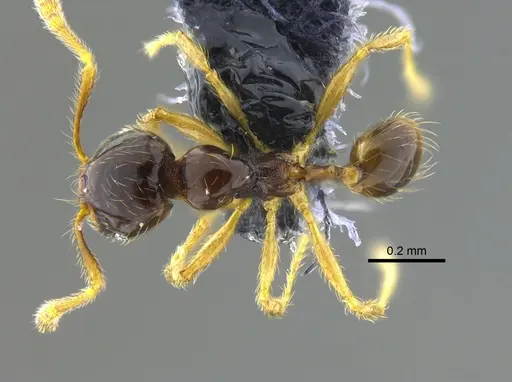
INB0003687547
View on AntWeb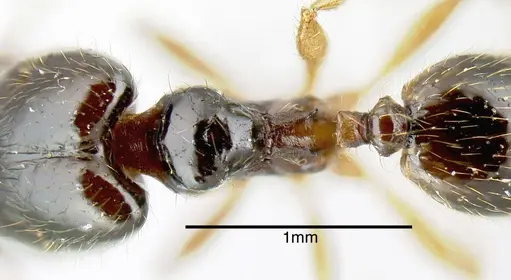
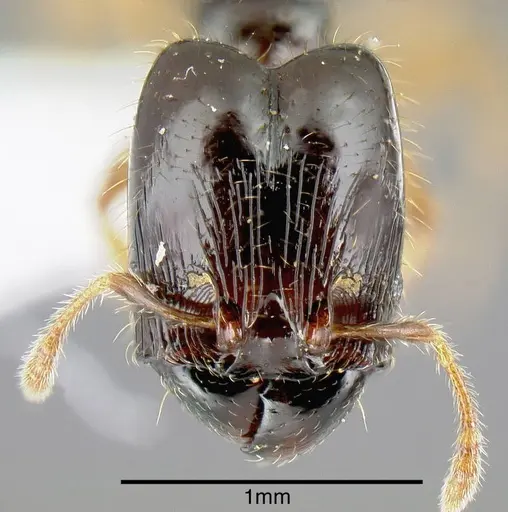
INBIOCRI002728510
View on AntWeb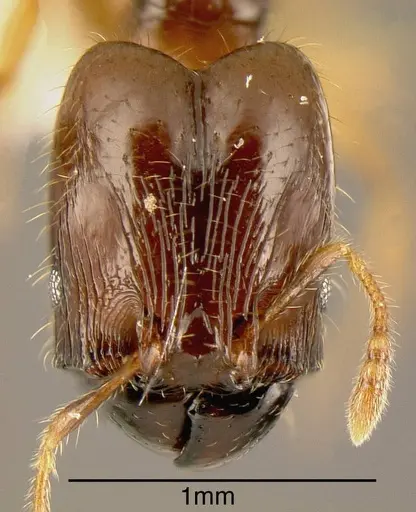
INBIOCRI002728547
View on AntWeb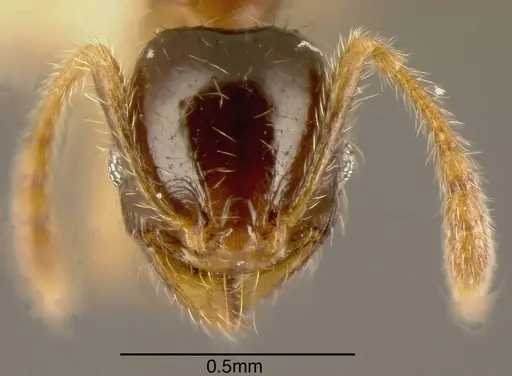
Literature
Loading...Loading products...