

Pheidole synanthropica
- Scientific Name
- Pheidole synanthropica
- Tribe
- Attini
- Subfamily
- Myrmicinae
- Author
- Longino, 2009
- Distribution
- Found in 4 countries
Pheidole synanthropica Overview
Pheidole synanthropica is an ant species of the genus Pheidole. It is primarily documented in 4 countries , including Costa Rica, Honduras, Mexico. Detailed taxonomic data and occurrence records can be further explored via authoritative databases such as AntWeb or the Global Biodiversity Information Facility (GBIF).
Pheidole synanthropica
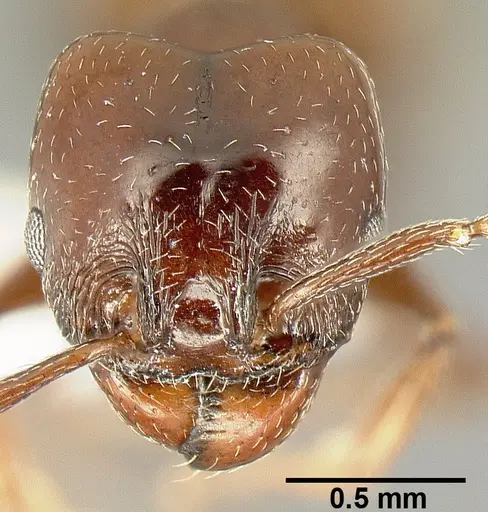
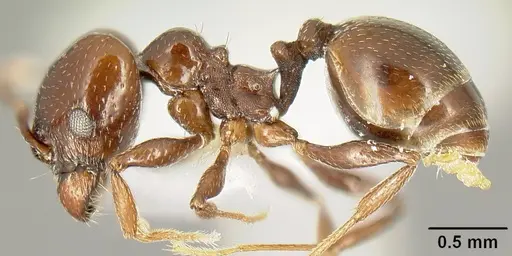
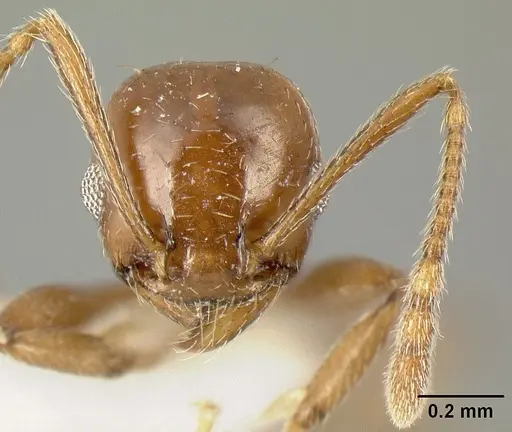
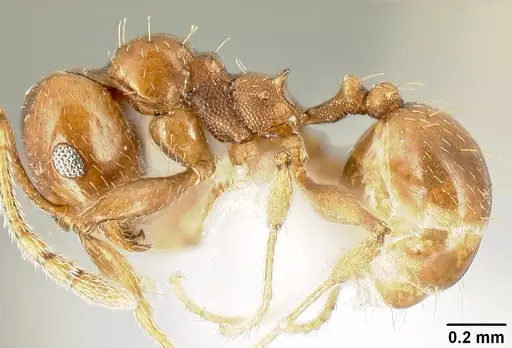
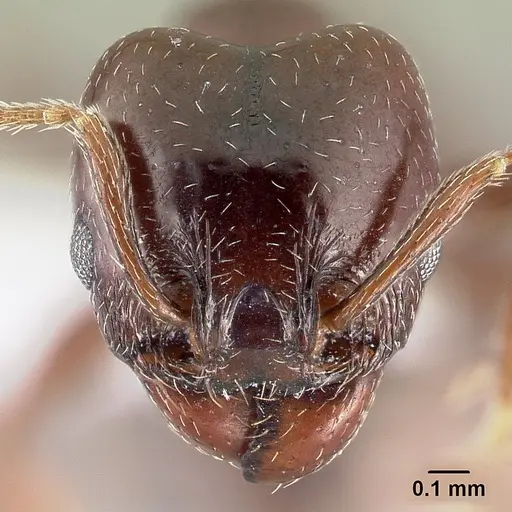
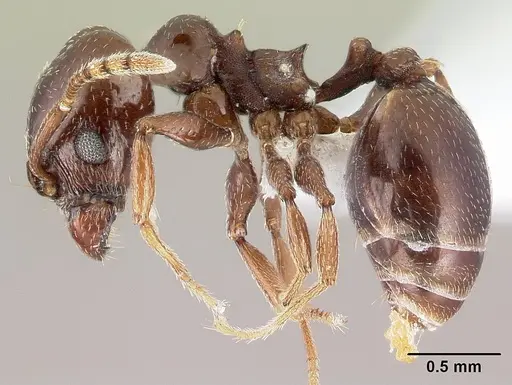
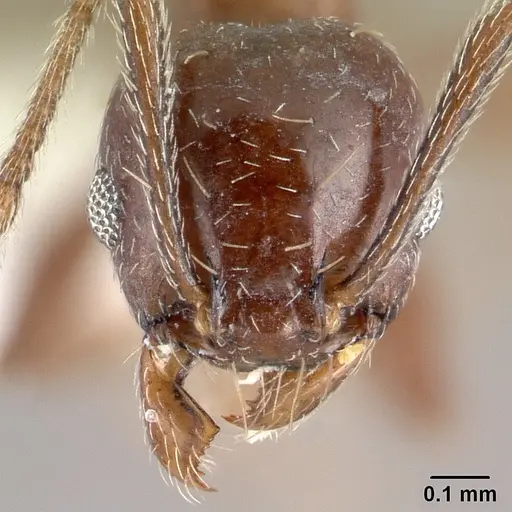
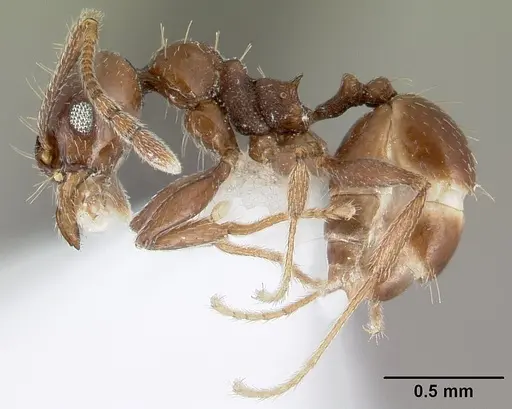
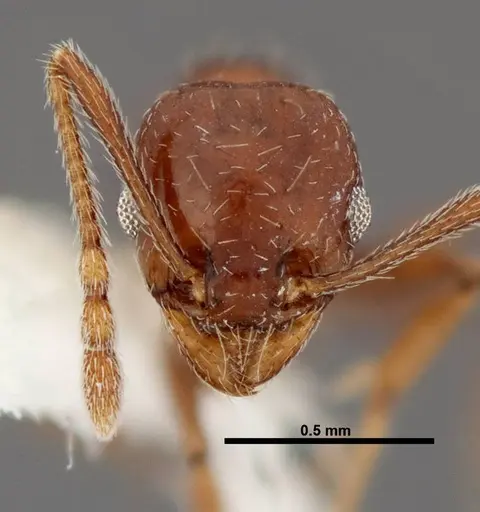
Pheidole synanthropica is a small but aggressive ant species native to Central America, ranging from Costa Rica to southern Mexico. Workers come in two sizes: minor workers at 0.56-0.66mm and major workers (soldiers) at 0.88-1.03mm, both with a brown coloration [1]. This species is remarkably adaptable to human-disturbed environments, its name literally means 'living with humans', and thrives in city parks, lawns, and coffee farms where other ants struggle [2][1]. In the wild, they nest in the soil but forage vigorously both on the ground and up into coffee plants, making them effective pest controllers [3][4].
What makes P. synanthropica particularly interesting is its role as a major predator of the coffee berry borer, one of the world's most damaging coffee pests. They actively hunt these beetles and carry them back to their nests, providing natural pest control for coffee farmers [4]. Their competitive dominance allows them to quickly discover and defend food sources, often forming dense populations with 40 or more colonies per 400 square meters in suitable habitat [3].
Quick Summary
- Difficulty: Easy
- Origin & Habitat: Central America (Costa Rica to Mexico/Chiapas). Found in highly disturbed, synanthropic habitats like city parks, lawns, and coffee farms. Also occurs in seasonally dry open habitats [2][1].
- Colony Type: Colony structure is unconfirmed. Pheidole species are commonly polygynous (multiple queens), but specific data for P. synanthropica is lacking.
- Size & Growth:
- Queen: Undocumented in original description
- Worker: Minor: 0.56-0.66mm, Major: 0.88-1.03mm [1]
- Colony: Likely hundreds to low thousands based on related species and observed field densities [3]
- Growth: Moderate
- Development: Unknown, estimated 6-8 weeks based on typical Pheidole development at warm temperatures (No specific development data exists for this species. Estimates based on genus-level patterns for tropical Pheidole species.)
- Antkeeping:
- Temperature: Keep at 22-28°C. As a tropical lowland species from Costa Rica and Mexico, they prefer warm conditions. A heating cable on one side of the nest creates a comfortable gradient
- Humidity: Moderate, they inhabit seasonally dry areas but also coffee farms. Keep nest substrate lightly moist, allowing some drying between waterings. Provide a water tube for drinking water
- Diapause: No, being a tropical species, they do not require hibernation. Activity may slow slightly during cooler months but no true diapause is needed
- Nesting: Ground-nesting species. In captivity, they do well in Y-tong nests, plaster nests, or naturalistic setups with soil substrate. They need enough depth to accommodate their colony and foraging space [3]
- Behavior: Pheidole synanthropica is aggressive and competitive. They quickly discover food sources and vigorously defend them against other ant species [5]. They forage both on the ground and in vegetation (they've been observed in coffee plants up to 1.5m from their nest entrance) [3]. Major workers (soldiers) have large heads and can deliver a bite, though their sting is not medically significant. They are active foragers and will readily take protein foods. Escape risk is moderate, they're not tiny ants but can squeeze through small gaps, so standard barrier precautions apply. They are diurnal and highly active during daylight hours.
- Common Issues: colonies may decline if kept too cold, maintain warm temperatures year-round, population crashes can occur rapidly if conditions deteriorate (thousands of nests disappeared in the wild after pesticide use) [4], overfeeding can lead to mold in nest setups, remove uneaten protein promptly, they are aggressive toward other ants, keep them separated from other colonies, ground-nesting means they need proper substrate depth and moisture management
Housing and Nest Setup
Pheidole synanthropica does well in various captive setups. Y-tong (acrylic) nests work excellently, the chambers should be appropriately scaled to their minor worker size (0.5-0.7mm). Plaster nests or naturalistic setups with soil substrate are also suitable, as this is a ground-nesting species. They need enough vertical space for their brood chambers and foraging area. A test tube setup works for founding colonies, use a cotton-plugged water tube and provide a dark founding chamber. When the colony reaches 20-30 workers, consider moving to a larger formicarium. They do not require special lighting but do well with a day/night cycle. Escape prevention is important, while not tiny, they are agile and can squeeze through small gaps. Use Fluon on container rims and ensure any connections between outworld and nest are secure.
Feeding and Diet
As a predatory ant species, P. synanthropica needs protein-rich foods. They readily accept small insects like fruit flies, pinhead crickets, mealworms, and other small arthropods. In the wild, they are major predators of the coffee berry borer and other small insects [4]. They also collect honeydew and will take sugar water or honey as an energy source. Feed protein 2-3 times per week, adjusting based on colony size and brood development. Remove uneaten prey after 24 hours to prevent mold. A constant sugar source (honey water or sugar water) should be available. Fresh water should always be accessible.
Temperature and Seasonal Care
Being a tropical species from Costa Rica and Mexico, P. synanthropica needs warm temperatures. Keep the nest area at 22-28°C, with a slight gradient allowing workers to choose their preferred temperature. A heating cable under or beside the nest works well, place it on top of acrylic nests to warm the chambers gently. They do not require hibernation or diapause. During cooler months, ensure your room stays within their acceptable range, activity will slow if temperatures drop below 20°C. They are active year-round in their native habitat. Avoid temperature fluctuations and drafts.
Behavior and Colony Dynamics
This species is known for its competitive dominance. In coffee farms, they quickly discover baits and aggressively defend them against other ant species, often completely dominating high-density sites [3][5]. They have broad foraging capacity, traveling up to 1.5 meters from their nest entrance and foraging both on the ground and in vegetation [3]. Colonies contain both minor and major workers (soldiers). Major workers have enlarged heads for defense and food processing. They are diurnal foragers. When threatened, majors can deliver a noticeable bite, though they are not dangerous to humans. The colony will grow over time, with new majors produced as the colony reaches larger sizes.
Growth and Development
Specific development data for P. synanthropica is not documented in scientific literature. Based on typical Pheidole patterns, expect 6-8 weeks from egg to first worker (nanitics) at optimal temperatures. The founding queen will lay eggs and tend the brood alone until the first workers emerge, this is claustral founding, where she survives on stored fat reserves. Once the first nanitics arrive, the colony enters a growth phase. Growth rate is moderate, colonies likely reach several hundred workers over 1-2 years under good conditions. The presence of major workers typically increases as the colony grows, as these soldiers are produced in response to colony needs.
Frequently Asked Questions
How long does it take for Pheidole synanthropica to produce first workers?
The exact timeline is unconfirmed, but based on typical Pheidole development, expect 6-8 weeks from egg to first worker at warm temperatures (24-26°C).
What do Pheidole synanthropica ants eat?
They are predatory ants that need protein. Feed small insects like fruit flies, pinhead crickets, or mealworms 2-3 times per week. They also accept sugar water or honey and need constant access to fresh water.
Do Pheidole synanthropica ants need hibernation?
No. As a tropical species from Costa Rica and Mexico, they do not require hibernation. Keep them warm year-round at 22-28°C.
Are Pheidole synanthropica ants aggressive?
Yes. They are highly competitive and aggressive toward other ant species. They quickly discover and vigorously defend food sources. They can bite but are not dangerous to humans.
How big do Pheidole synanthropica colonies get?
Exact maximum is unknown, but based on related species and field observations showing dense populations, colonies likely reach several hundred to low thousands of workers.
What temperature do Pheidole synanthropica ants need?
Keep them warm at 22-28°C. As a tropical lowland species, they prefer consistent warmth. A heating cable can provide a temperature gradient.
Can I keep multiple Pheidole synanthropica queens together?
Combining unrelated queens has not been documented for this species. Pheidole species are often polygynous (multiple queens), but it is not recommended to combine unrelated foundresses as they may fight.
Are Pheidole synanthropica good for beginners?
Yes. They are relatively hardy and adaptable, having evolved to thrive in human-disturbed environments. Their moderate size and straightforward care requirements make them suitable for intermediate antkeepers.
References

This caresheet is licensed under CC BY-SA 4.0 .
CASENT0609037
View on AntWeb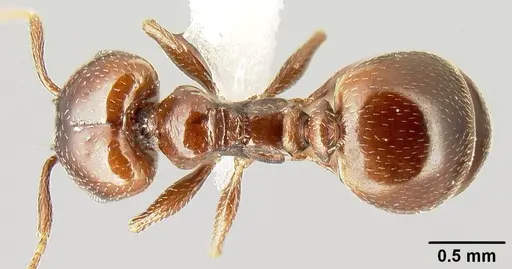
CASENT0609038
View on AntWeb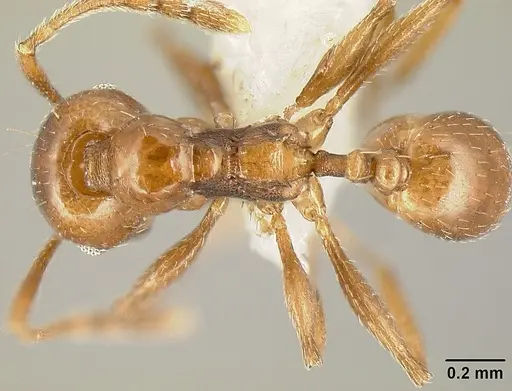
CASENT0609039
View on AntWeb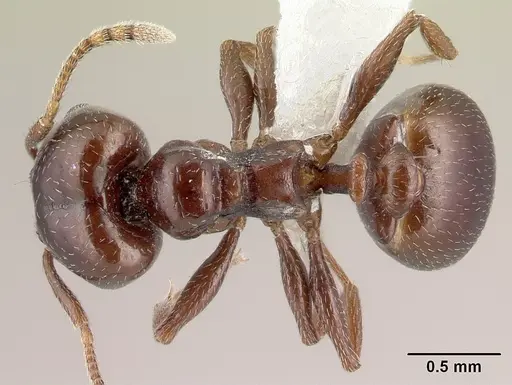
CASENT0609048
View on AntWeb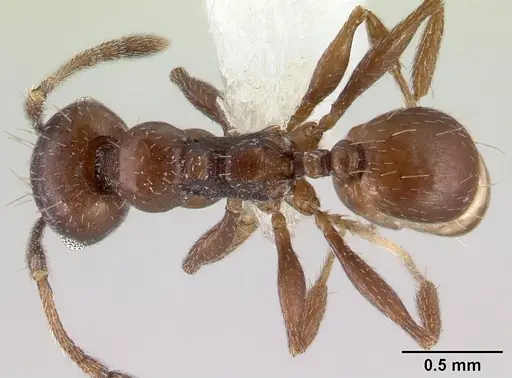
CASENT0609050
View on AntWeb
CASENT0609053
View on AntWeb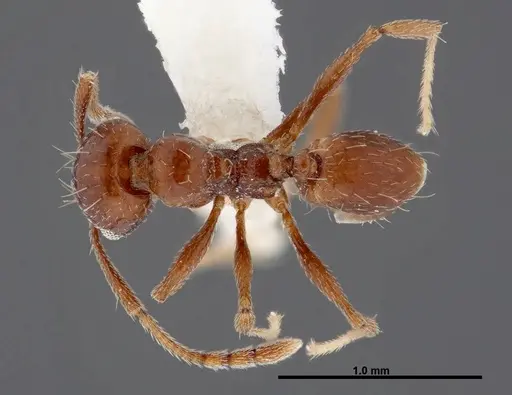
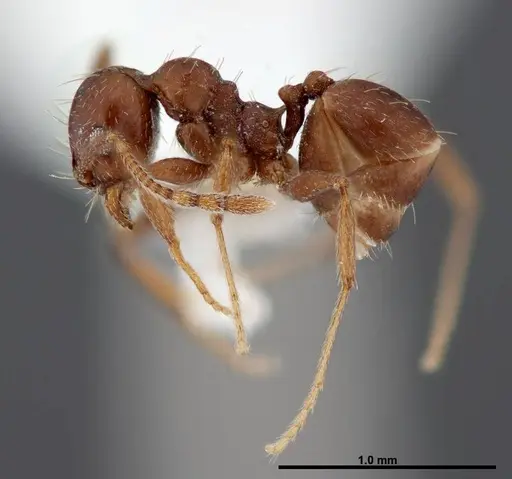
CASENT0618514
View on AntWeb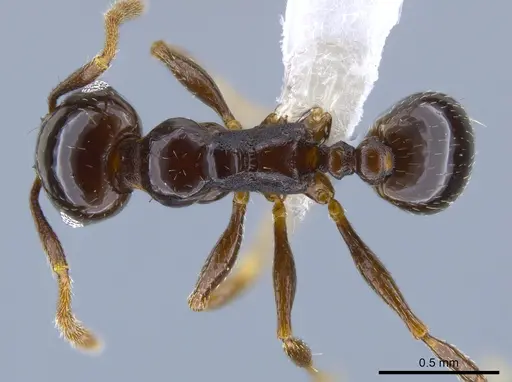
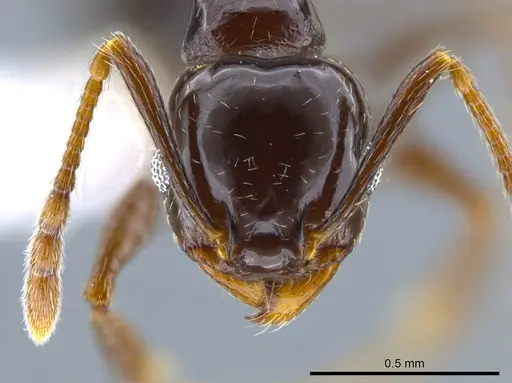
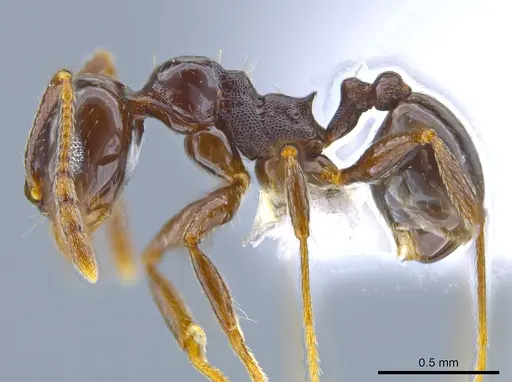
CASENT0635541
View on AntWeb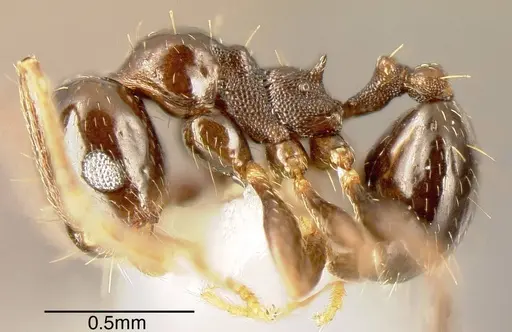
CASENT0635542
View on AntWeb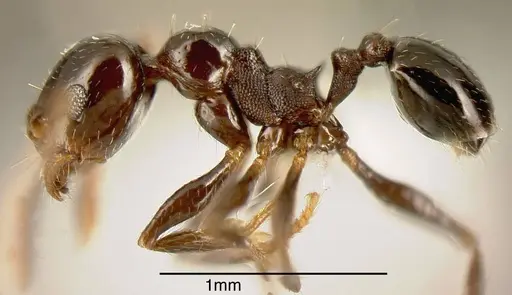
Literature
Loading...Loading products...