

Pheidole sykesii
- Scientific Name
- Pheidole sykesii
- Tribe
- Attini
- Subfamily
- Myrmicinae
- Author
- Forel, 1902
- Common Name
- Indian harvester ant
- Distribution
- Found in 1 countries
Pheidole sykesii Overview
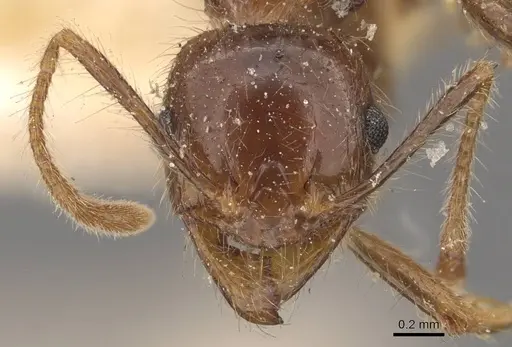
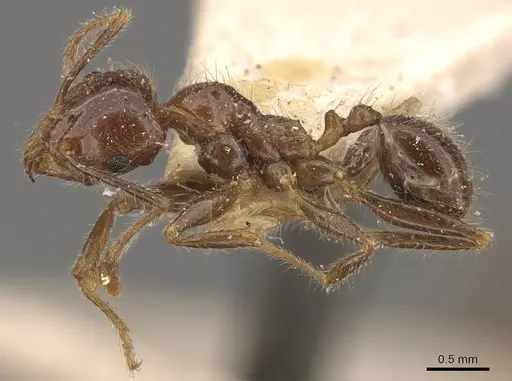
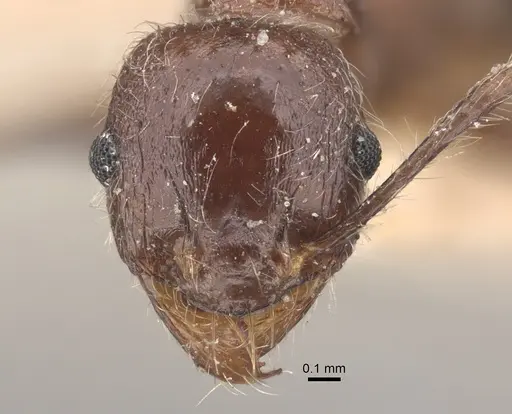
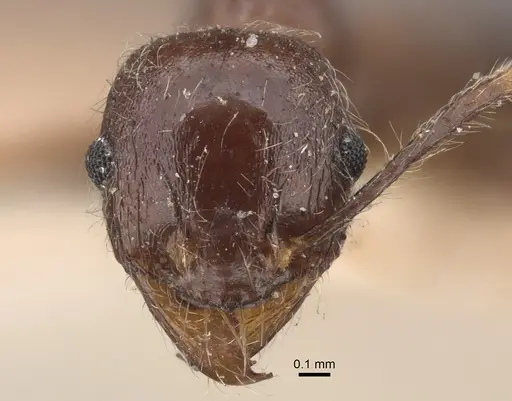
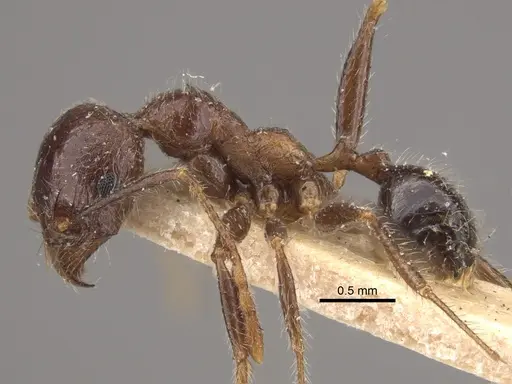
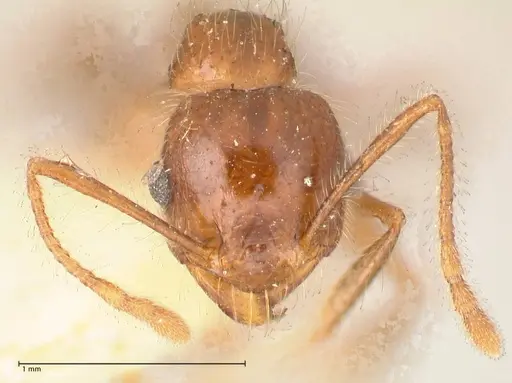
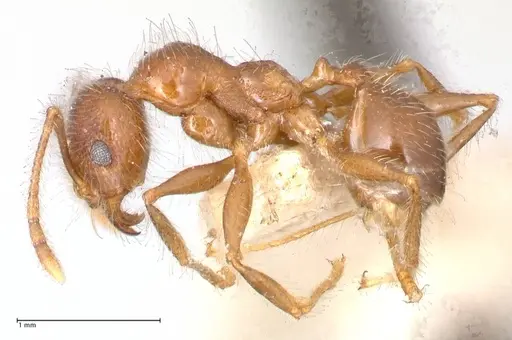
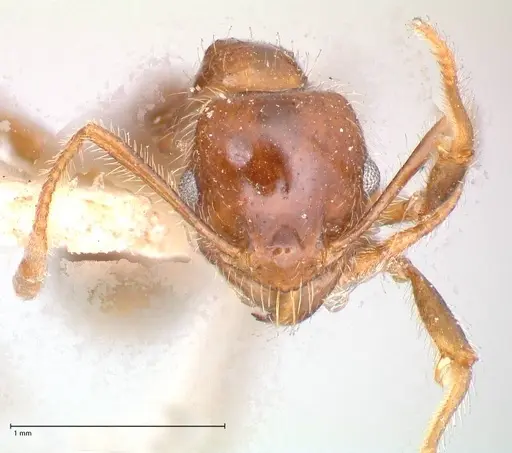
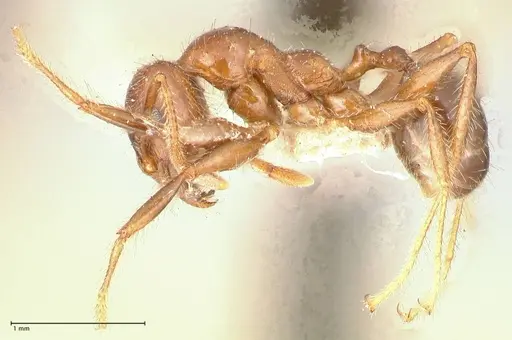
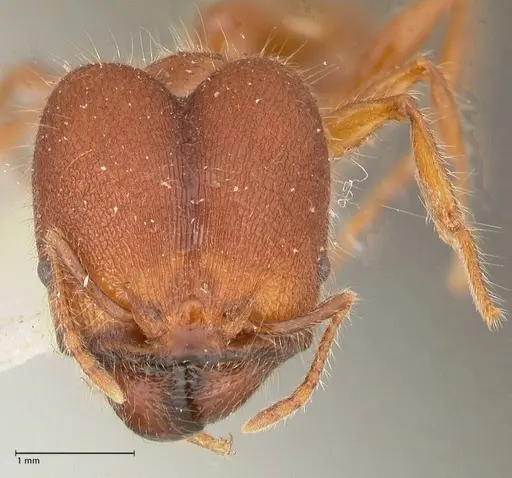
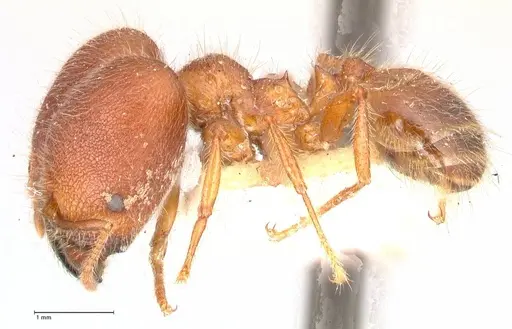
Pheidole sykesii (commonly known as the Indian harvester ant) is an ant species of the genus Pheidole. It is primarily documented in 1 countries , including India. Detailed taxonomic data and occurrence records can be further explored via authoritative databases such as AntWeb or the Global Biodiversity Information Facility (GBIF).
Pheidole sykesii - "Indian harvester ant"
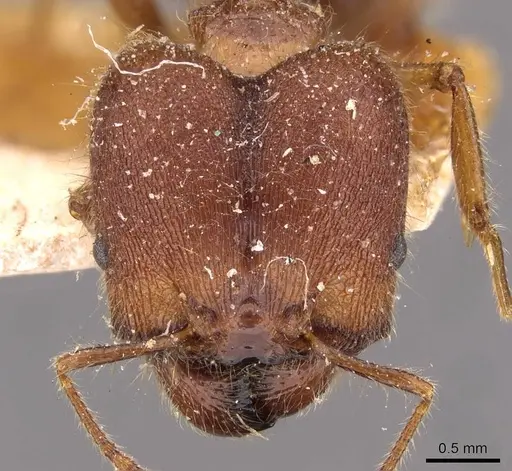
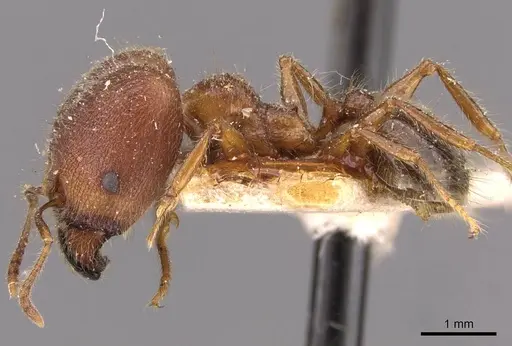
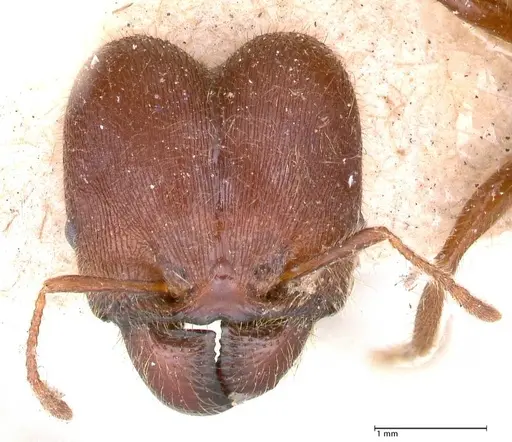
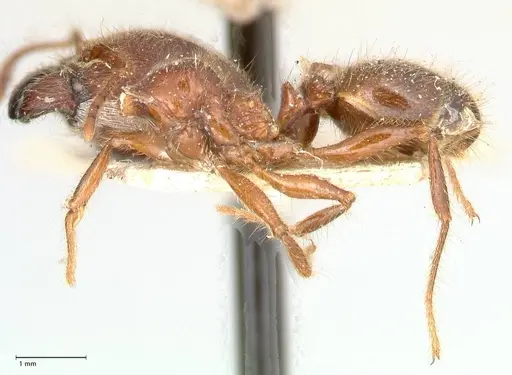
Pheidole sykesii is a large ant species endemic to India, known for its remarkable nest architecture. These ants build elaborate nests featuring concentric soil walls around a central entrance, with the walls arranged in rings that prevent rainwater from flooding the nest chambers [1]. The outer rings decrease in height, creating a slope-directed design where the uphill half of each ring stands higher than the downhill side, an engineering feat that channels water away from the nest [1]. Workers are polymorphic, with larger major workers (soldiers) and smaller minor workers, typical of the genus Pheidole. This species is found across multiple Indian states including Karnataka, Maharashtra, West Bengal, Assam, Sikkim, and Arunachal Pradesh [2].
Quick Summary
- Difficulty: Medium
- Origin & Habitat: India, endemic species found across multiple states in the Indomalayan region, from the Himalayan foothills (Arunachal Pradesh, Sikkim) to western ghats (Karnataka) and eastern plains (West Bengal, Assam) [2]. In their natural habitat, they construct nests in soil with their characteristic concentric ring structures that manage water drainage.
- Colony Type: Likely monogyne (single queen) based on typical Pheidole patterns. Polygyny has not been documented for this species.
- Colony: Monogyne
- Founding: Claustral
- Size & Growth:
- Queen: Estimated 10-14mm based on genus patterns for large Pheidole species
- Worker: Minor workers: 3-5mm, Major workers: 6-10mm, estimated from genus morphology
- Colony: Likely several thousand workers based on typical Pheidole colony development
- Growth: Moderate, estimated from genus patterns
- Development: 8-12 weeks estimated based on related Pheidole species at optimal temperature (Development time is estimated from genus-level data since species-specific research is unavailable)
- Antkeeping:
- Temperature: Keep at 24-28°C, they are a tropical Indian species that prefers warm conditions. A heating cable on one side of the nest creates a gradient allowing workers to self-regulate.
- Humidity: Moderate humidity around 50-70%. The nest architecture suggests they evolved to handle water management, but avoid overly wet conditions that could cause mold.
- Diapause: Unlikely required, being a tropical/subtropical Indian species, they probably do not need a true hibernation. However, a slight cool period during winter months (reducing to 18-20°C for 2-3 months) may simulate natural seasonal slowdown.
- Nesting: Best kept in a Y-tong (AAC) nest or plaster formicarium with soil area. They prefer ground-nesting setups with some compact soil or sand for tunnel construction. The nest should have chambers deep enough to accommodate their granary behavior.
- Behavior: These ants are generally peaceful but will defend their nest vigorously. Major workers (soldiers) use their large heads to crush seeds and defend the colony. They are granivorous by nature, storing seeds and grain in specialized chambers within their nests, but also accept protein sources like insects. Foraging occurs primarily at night or during cooler parts of the day in captivity. Escape risk is moderate, major workers are too large for standard test tube escapes, but ensure all connections are secure.
- Common Issues: mold growth in nest if humidity is too high without adequate ventilation, colonies may decline if protein sources are insufficient, they need regular insect feeding, major workers may crush and cache too much food leading to waste if overfed, wild-caught colonies may carry parasites that cause colony decline, slow initial growth during founding phase can lead to beginner impatience and overfeeding
Nest Architecture and Housing
Pheidole sykesii is famous for its extraordinary nest-building behavior in the wild. These ants construct concentric soil walls arranged in rings around a central entrance, with each successive ring decreasing in height. This design effectively channels rainwater away from the central nest chambers, preventing flooding during India's monsoon season [1]. The chambers beneath store either grain (seeds) or brood (eggs, larvae, pupae), with narrow passageways that trap air to create a water barrier [1]. In captivity, replicate this by providing a nest with multiple chambers and some compact substrate area. A Y-tong (AAC) nest works well, or a plaster formicarium with a soil section where they can exhibit natural tunnel-building behavior. The key is providing enough depth for chamber construction while maintaining stable humidity.
Feeding and Diet
Pheidole sykesii is granivorous, they actively collect and store seeds and grain in their nests, a behavior reflected in their common name as 'harvester ants.' In the wild, they maintain specialized chambers for seed storage [1]. In captivity, offer a mix of seeds (grass seeds, millet, cracked sunflower hearts) as a staple, supplemented with protein-rich foods like small insects (fruit flies, mealworms, crickets) twice weekly. Sugar water or honey can be offered occasionally but is not a primary food source for this species. Major workers use their large, powerful mandibles to crush seeds for the colony. Feed seeds continuously and protein 2-3 times per week, adjusting based on colony size and consumption rates.
Temperature and Seasonal Care
As an Indian endemic found across diverse climates from the Himalayan foothills to the western ghats, Pheidole sykesii prefers warm conditions. Maintain nest temperatures between 24-28°C for optimal brood development. A small heating cable placed on one end of the nest creates a temperature gradient, allowing ants to regulate their own exposure. During winter months in temperate climates, you can reduce temperatures to 18-20°C for 2-3 months to simulate a mild seasonal slowdown, but a true hibernation or diapause is not required for this tropical species. Monitor colony activity, if workers become sluggish and cluster together, they may be too cool. Avoid temperatures below 15°C for extended periods. [2]
Colony Development and Growth
Pheidole colonies grow through a polymorphic workforce system. Queens lay eggs that develop into larvae, then pupate, emerging as either minor workers (foragers and nurses) or major workers (soldiers and seed processors). The first generation (nanitics) is typically smaller but develops quickly. As the colony matures, larger majors appear and take on defensive and food-processing roles. A mature colony can contain several thousand workers with a significant proportion being majors. Growth rate is moderate, expect 6-12 months from founding to a colony of 100+ workers under optimal conditions. The key to healthy growth is consistent feeding (especially protein during brood development), appropriate temperature, and maintaining stable humidity without mold issues.
Behavior and Defense
These ants are not particularly aggressive toward humans but will defend their nest vigorously if threatened. Major workers (soldiers) serve as the primary defenders, using their large mandibles to bite. They also produce formic acid as a chemical defense. Foraging typically occurs at night or during cooler hours, reflecting their natural behavior in hot Indian conditions. In captivity, you may observe majors processing seeds while minors handle brood care and foraging. The colony maintains clear division of labor, minors handle most tasks while majors specialize in defense and heavy-duty food processing. Watch for escape attempts during feeding time, while not excellent climbers, they will explore any gaps in the enclosure.
Frequently Asked Questions
How long does it take for Pheidole sykesii to raise first workers?
Expect 8-12 weeks from egg to first worker under optimal conditions (24-28°C). This is estimated from related Pheidole species since specific development data for P. sykesii is not available. The claustral queen will seal herself in and raise the first brood alone without foraging.
What do Pheidole sykesii ants eat?
They are granivorous ants that store seeds and grain. Offer a mix of small seeds (millet, grass seeds, cracked sunflower hearts) as a staple food. Supplement with protein sources like small insects (fruit flies, mealworms, crickets) 2-3 times per week. Occasional sugar water or honey can be offered but is not essential.
Can I keep multiple Pheidole sykesii queens together?
Not recommended. This species is likely monogyne (single queen) based on typical Pheidole patterns. Combining unrelated queens typically results in fighting, with one queen killing the other. If you capture a founding queen, house her alone until her first workers emerge.
What temperature do Pheidole sykesii need?
Keep them warm at 24-28°C. As an Indian species, they prefer tropical temperatures. A heating cable on one end of the nest creates a gradient. They can tolerate brief temperature drops but should not be kept below 15°C for extended periods.
Are Pheidole sykesii good for beginners?
They are rated as medium difficulty. The main challenges are providing appropriate warmth, managing humidity to prevent mold, and understanding their granivorous diet. They are fascinating to watch due to their polymorphic caste system and seed-storing behavior. Beginners should be prepared for the relatively slow founding phase.
When should I move Pheidole sykesii to a formicarium?
Keep founding colonies in a test tube setup until they have 30-50 workers. Once the test tube becomes crowded or the water reservoir is depleted, transfer to a proper nest setup. A Y-tong or plaster formicarium with some soil area works well for this ground-nesting species.
Do Pheidole sykesii need hibernation?
Probably not, being a tropical Indian species, they likely do not require true hibernation. However, a mild cool period (18-20°C for 2-3 months during winter) may benefit the colony by simulating natural seasonal cycles. Monitor your colony's activity level and adjust accordingly.
Why are my Pheidole sykesii dying?
Common causes include: mold from excessive humidity, temperatures too low (below 20°C slows metabolism and can kill colonies), insufficient protein leading to brood death, or parasites from wild-caught colonies. Check temperature, humidity, and food quality first. If the colony was wild-caught, parasites are a common issue.
How big do Pheidole sykesii colonies get?
Mature colonies likely reach several thousand workers, typical of larger Pheidole species. The colony will develop a significant population of major workers (soldiers) that can make up 20-30% of the workforce. Full maturity takes 1-2 years under optimal conditions.
References

This caresheet is licensed under CC BY-SA 4.0 .
CASENT0907966
View on AntWeb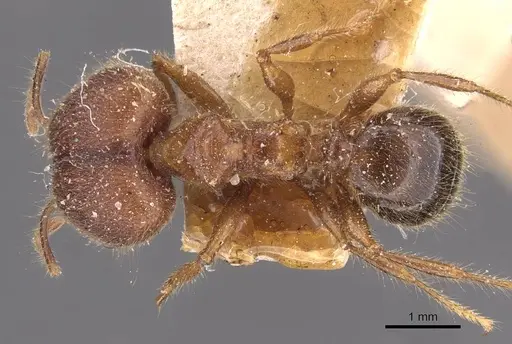
CASENT0907967
View on AntWeb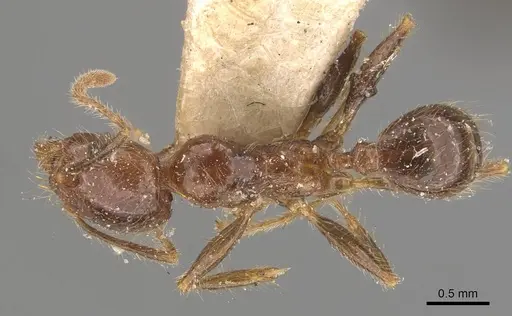
CASENT0917791
View on AntWeb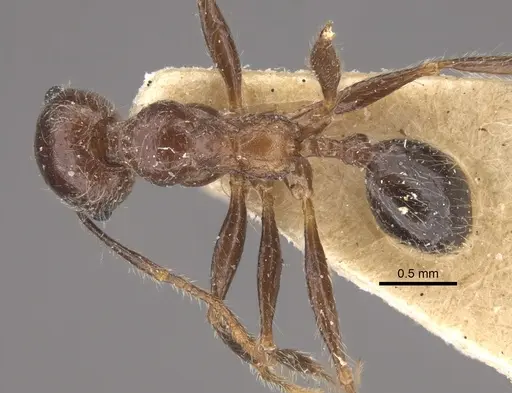
FOCOL0621-1
View on AntWeb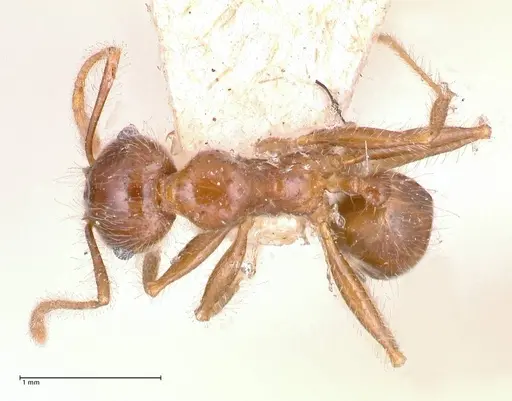
FOCOL0621-2
View on AntWeb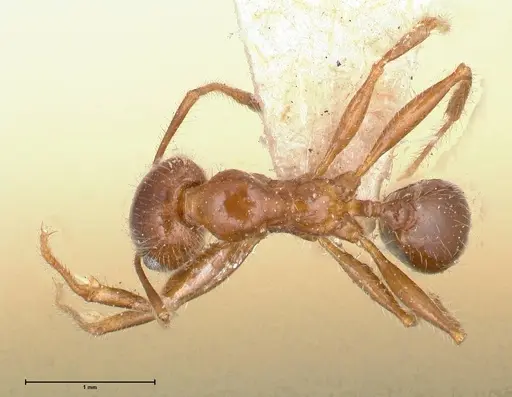
FOCOL0621-3
View on AntWeb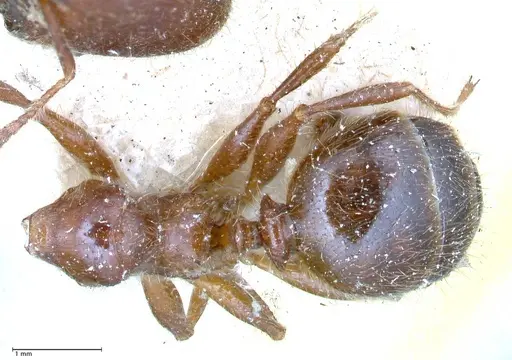
FOCOL0622
View on AntWeb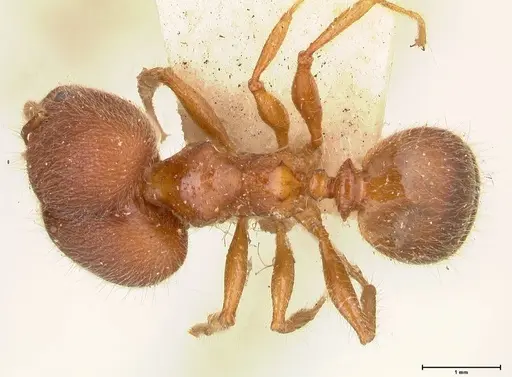
Literature
Loading...Loading products...