

Pheidole susannae
- Scientific Name
- Pheidole susannae
- Tribe
- Attini
- Subfamily
- Myrmicinae
- Author
- Forel, 1886
- Distribution
- Found in 9 countries
Pheidole susannae Overview
Pheidole susannae is an ant species of the genus Pheidole. It is primarily documented in 9 countries , including Brazil, Colombia, Costa Rica. Detailed taxonomic data and occurrence records can be further explored via authoritative databases such as AntWeb or the Global Biodiversity Information Facility (GBIF).
Pheidole susannae
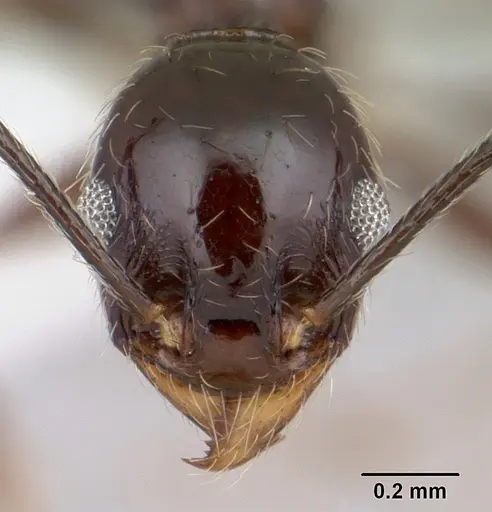
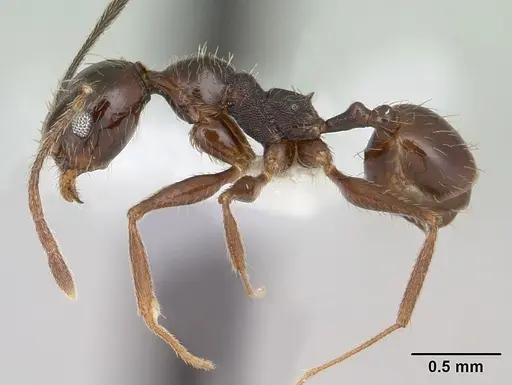
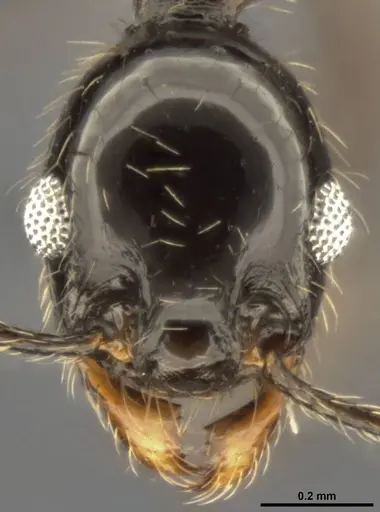
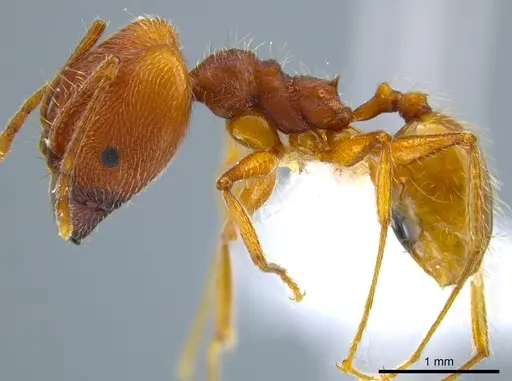
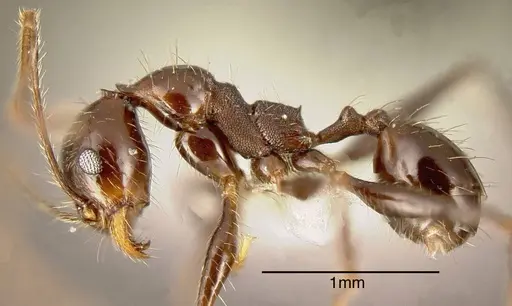
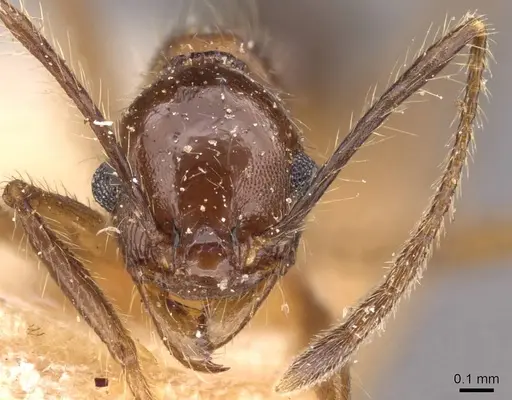
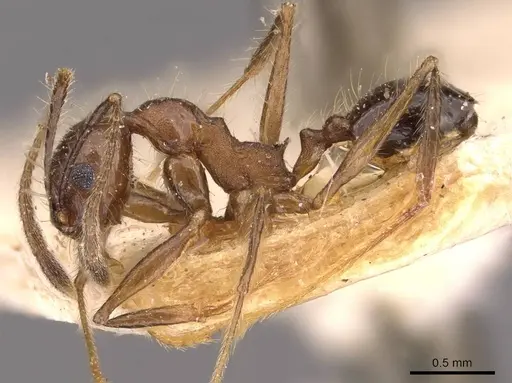
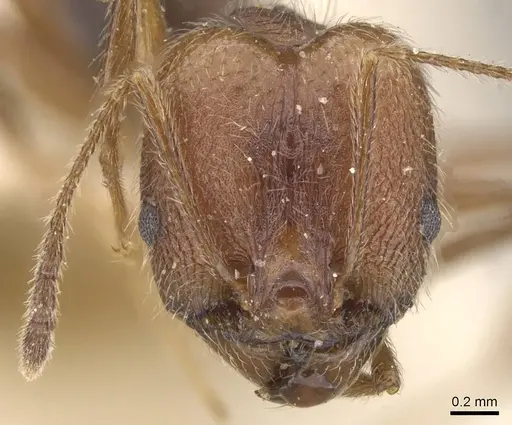
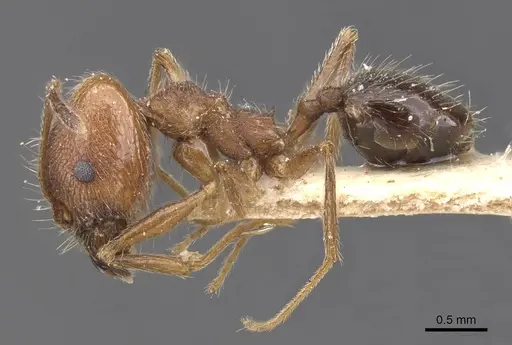
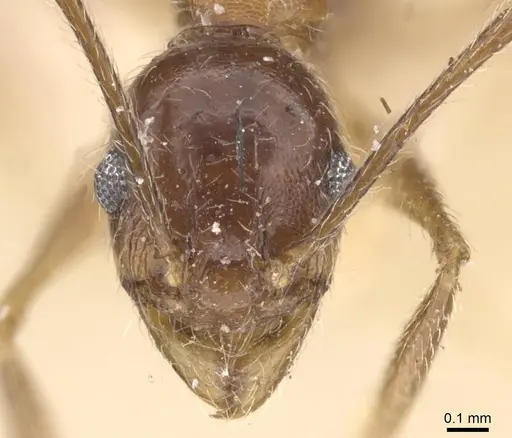
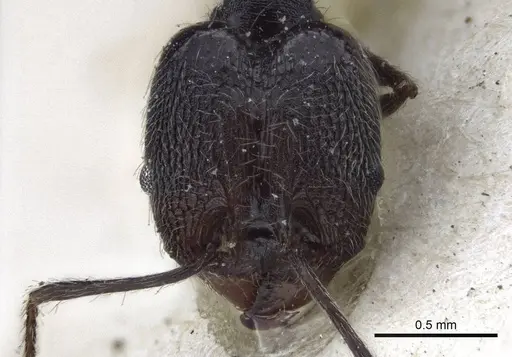
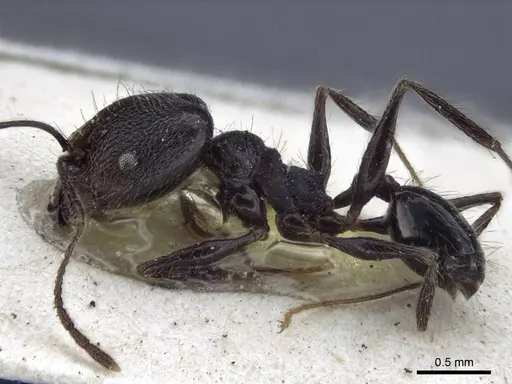
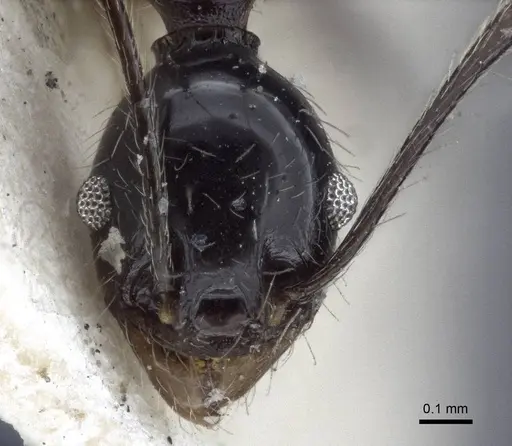
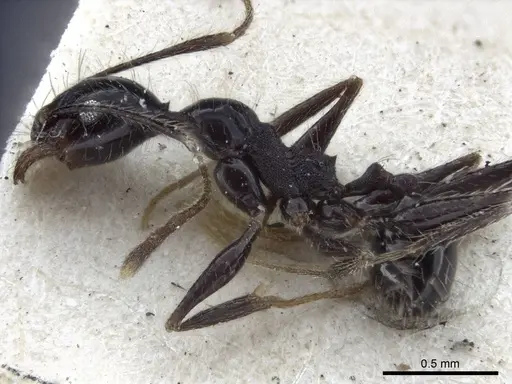
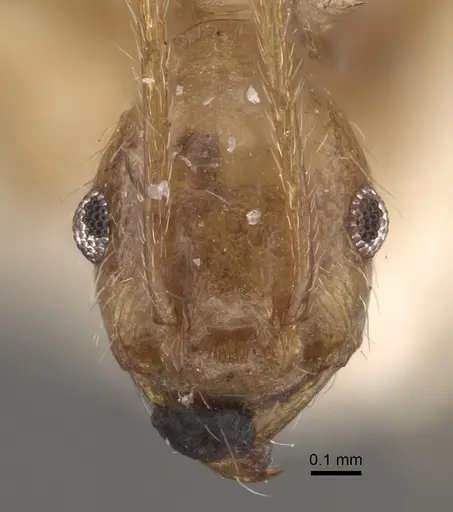
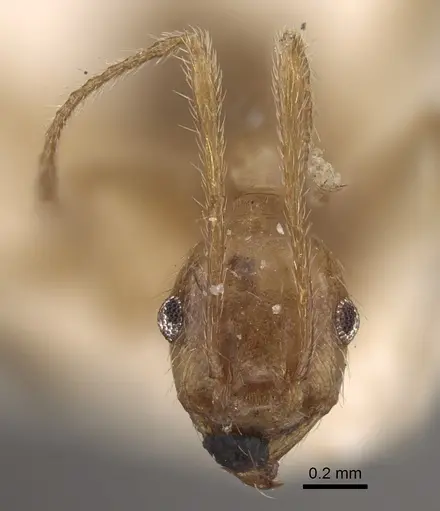
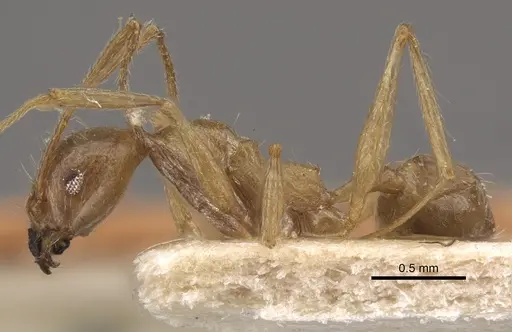
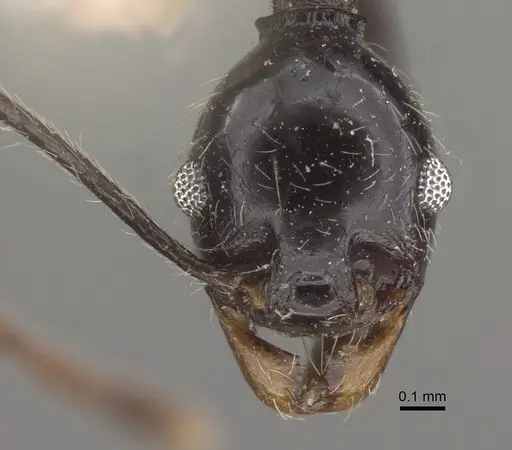
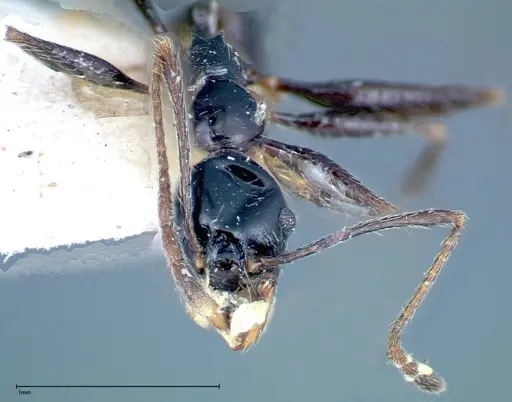
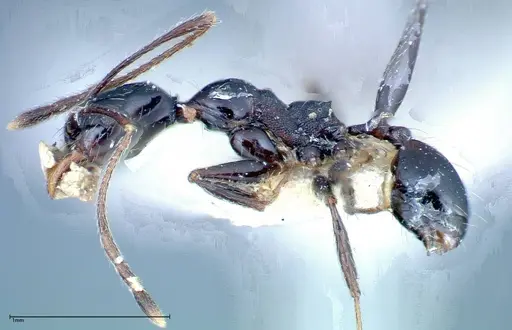
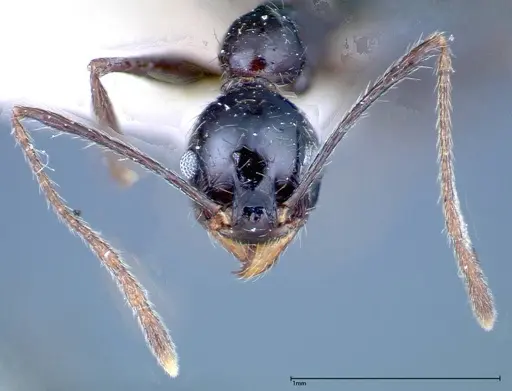
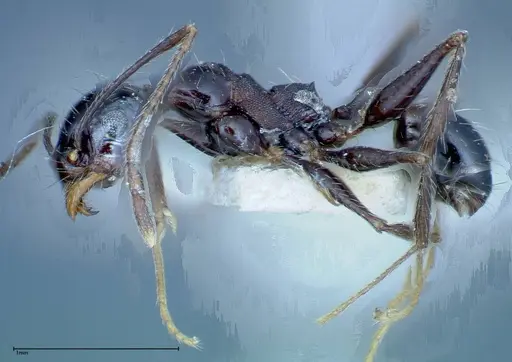
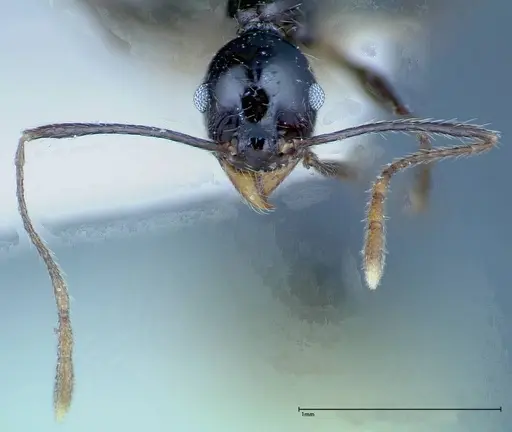
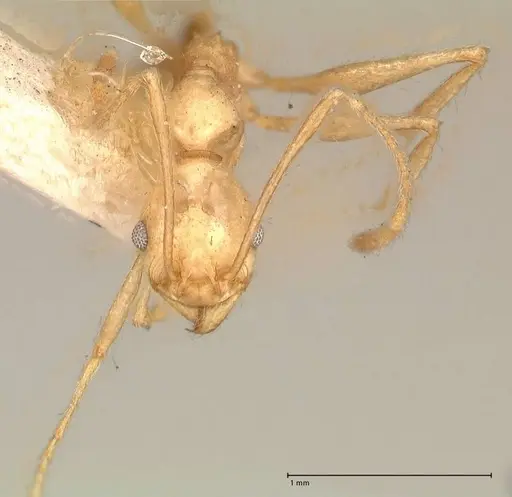
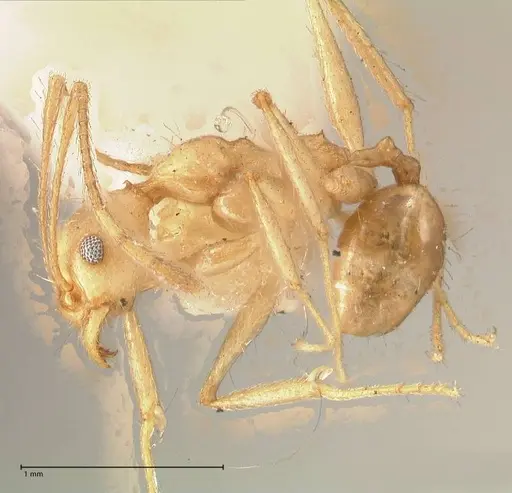
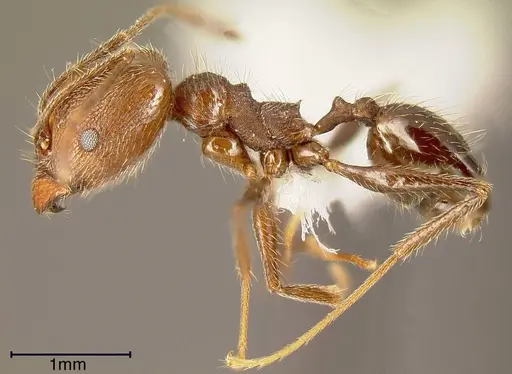
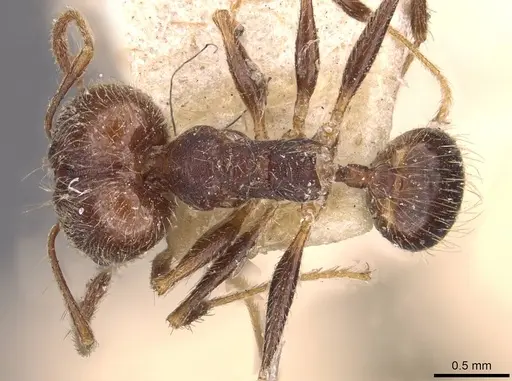
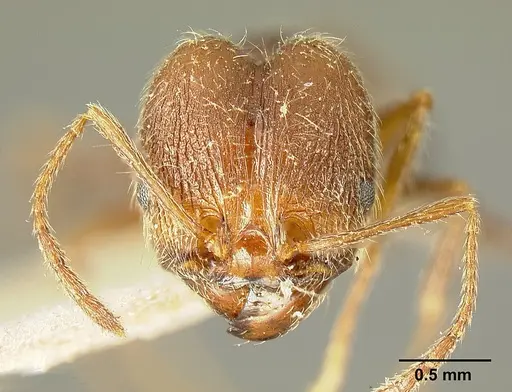
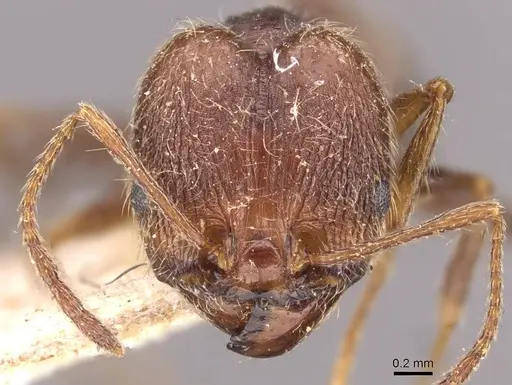
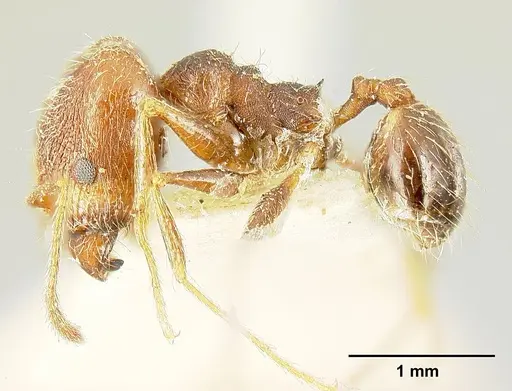
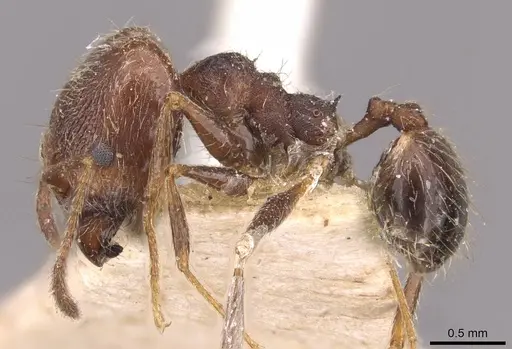
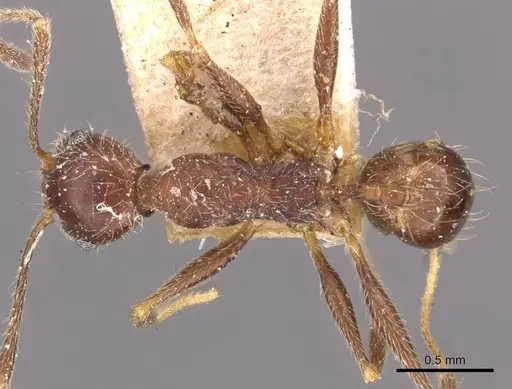
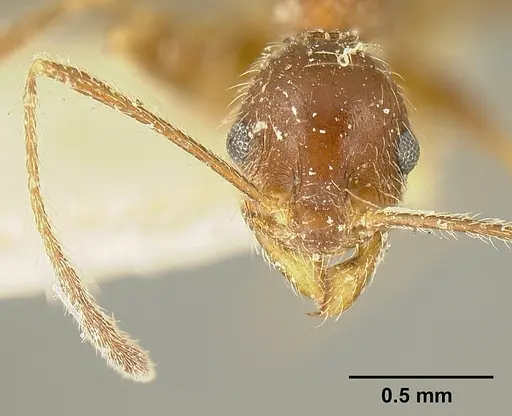
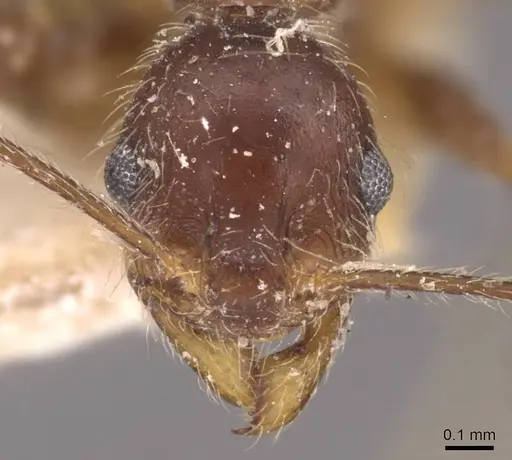
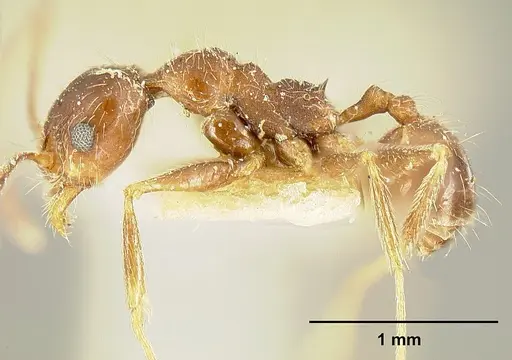
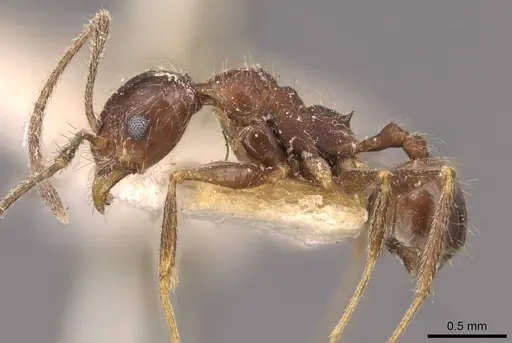
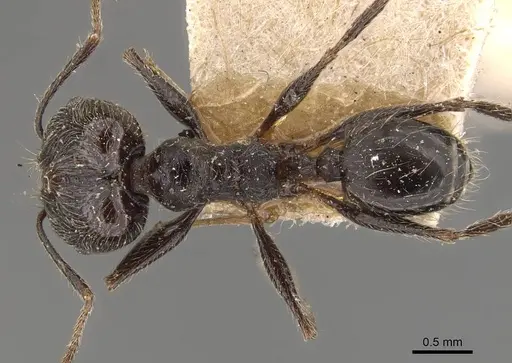
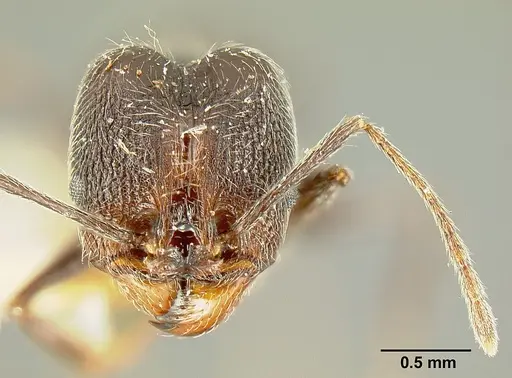
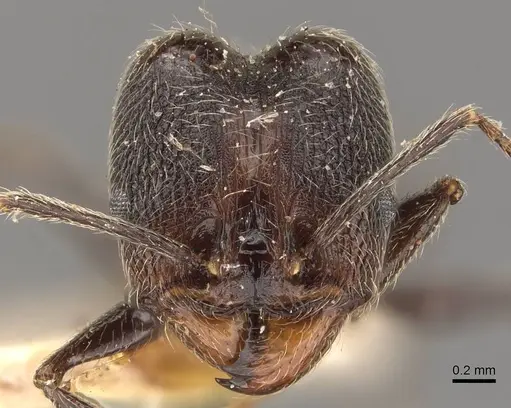
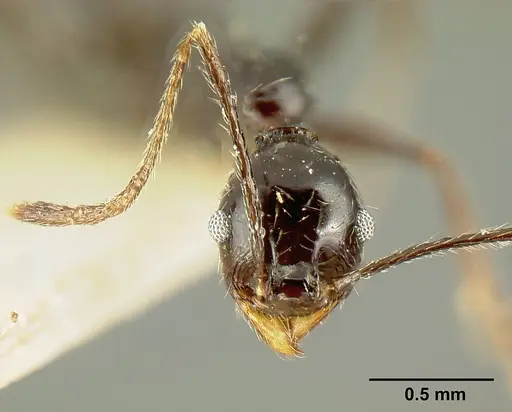
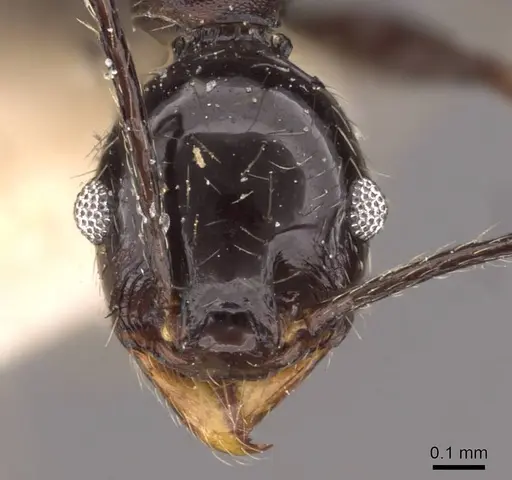
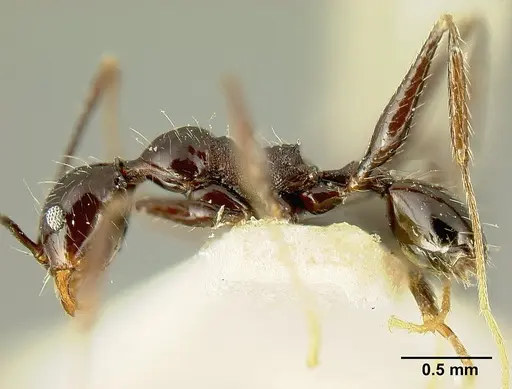
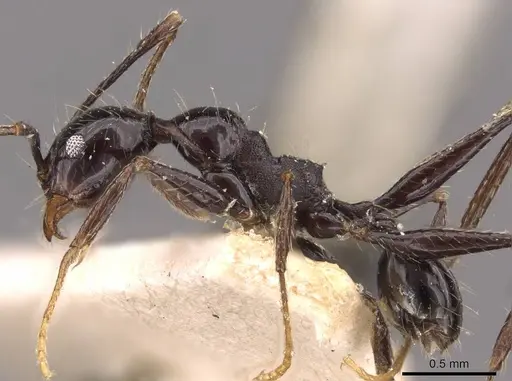
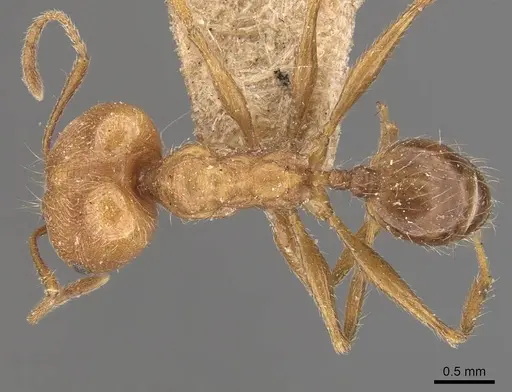
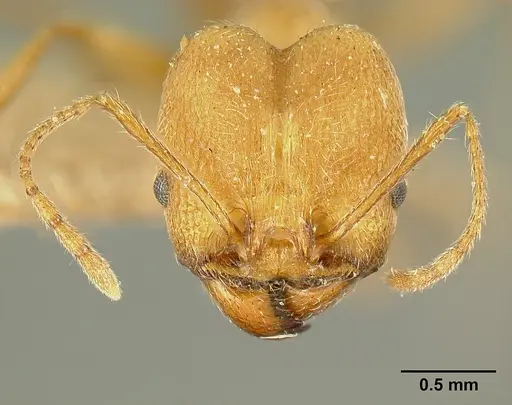
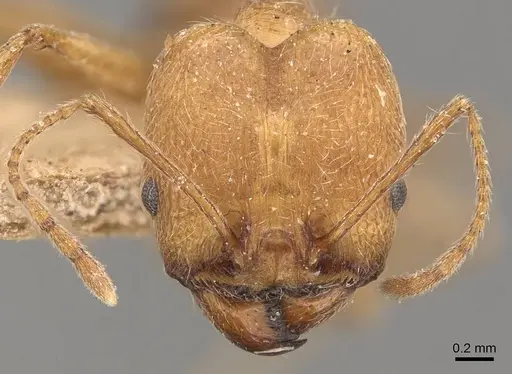
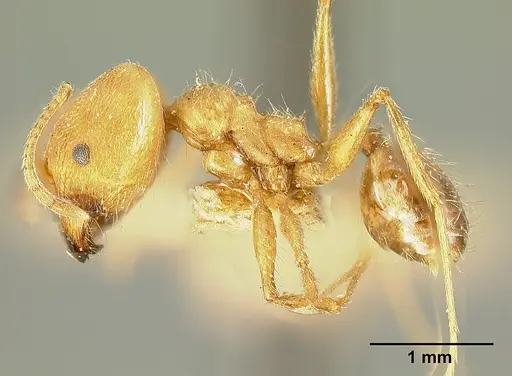
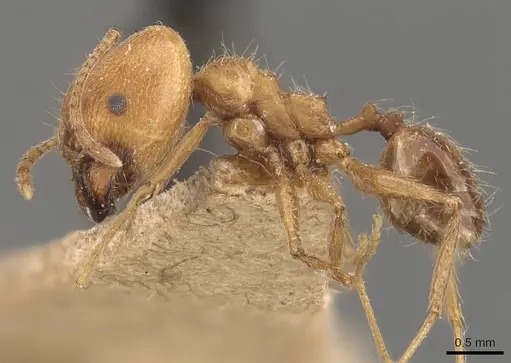
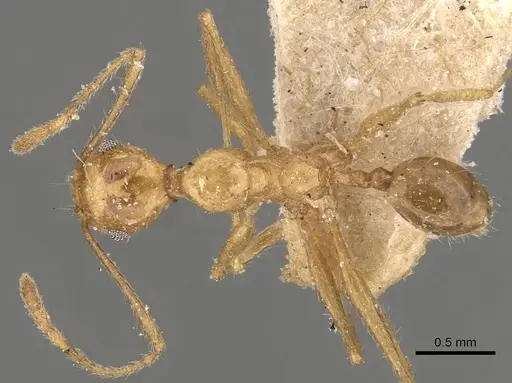
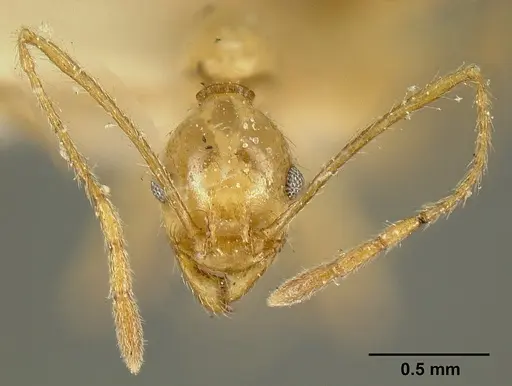
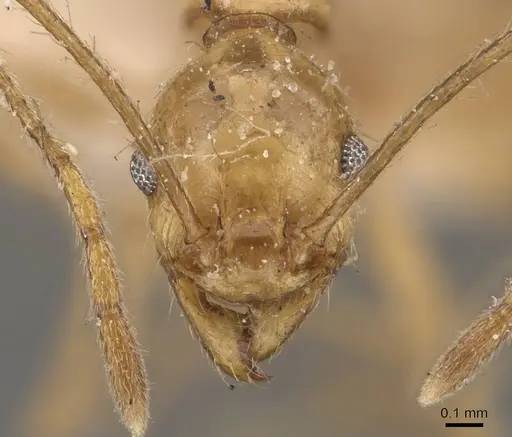
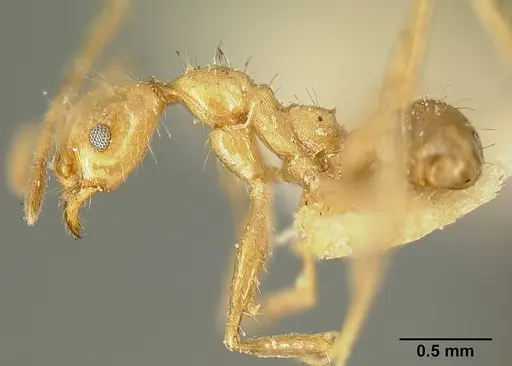
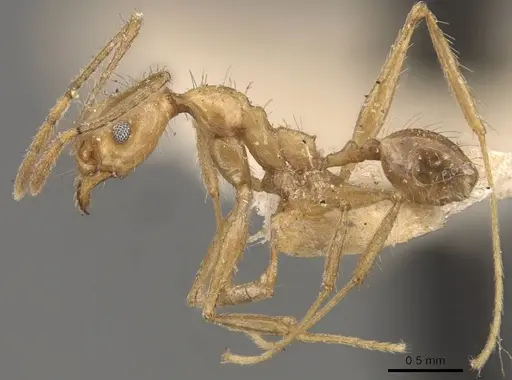
Pheidole susannae is a dimorphic Myrmicine ant native to the Neotropics, ranging from southern Mexico to southern Brazil and across the Caribbean islands. Major workers have a distinctive tapered head with a deep occipital notch and reddish-yellow coloration, while minor workers are smaller and uniformly medium yellow. This highly variable species may actually be a complex of related species. Workers are excellent recruiters, with both majors and minors readily responding to food sources. They thrive in disturbed habitats including city parks, agricultural areas, and forest edges, nesting opportunistically in small cavities whether on the ground or in the canopy. Their adaptability has made them one of the most common ants in human-modified landscapes throughout their range.
Quick Summary
- Difficulty: Easy
- Origin & Habitat: Neotropical region, southern Mexico to southern Brazil, including Caribbean islands. Found in diverse habitats from city parks to mature rainforest, both on the ground and in the canopy [1][2].
- Colony Type: Single-queen (monogyne) colonies. Pheidole species typically have one queen per colony.
- Colony: Monogyne
- Founding: Claustral
- Size & Growth:
- Queen: Estimated 7-9mm based on genus patterns (Pheidole queens typically 6-10mm)
- Worker: Minor workers: 1.67mm body length [3], Major workers: HW 1.30mm, HL 1.44mm [4]
- Colony: Colonies can reach several thousand workers based on typical Pheidole patterns
- Growth: Moderate to fast, typical Pheidole development
- Development: 6-8 weeks at optimal temperature based on typical Pheidole genus development [5] (Development time follows standard Pheidole patterns, first workers (nanitics) are smaller than mature workers)
- Antkeeping:
- Temperature: Keep at 24-28°C. As a tropical species, they prefer warm conditions but can tolerate typical room temperature (22-26°C) [5]
- Humidity: Moderate humidity (50-70%). They adapt to various conditions in the wild and are tolerant of drier environments in captivity
- Diapause: No, being a tropical species, they do not require hibernation or winter rest [5]
- Nesting: Use a standard formicarium or test tube setup. They nest opportunistically in small cavities, so provide appropriately sized chambers. A Y-tong or acrylic nest with moderate-sized chambers works well. They can adapt to both naturalistic and artificial setups [6][7]
- Behavior: Active and aggressive foragers with excellent recruitment. Workers readily recruit both majors and minors to food sources. They are generalist omnivores and will exploit various food resources. Minor workers are small enough to potentially escape through small gaps, so use standard escape prevention. They show activity during both day and night [7].
- Common Issues: colonies can grow very large, ensure you have space for expansion, minor workers are small and can escape through standard barriers if gaps exist, aggressive toward other ant species, keep separate from other colonies, queen adoption can be tricky, introduce only to established, healthy colonies if combining, rapid colony growth requires increasing food portions, monitor consumption to prevent spoilage
Housing and Nest Setup
Pheidole susannae is adaptable and will accept various nest types. A Y-tong (acrylic) nest or plaster formicarium works well, providing chambers sized appropriately for their colony size. They naturally nest in small cavities, downed sticks, wall crevices, dead wood in trees, and soil at tree bases [6]. For founding colonies, a standard test tube setup with a water reservoir works fine. As the colony grows, transfer to a formicarium with multiple chambers. They can be kept in naturalistic setups with soil and decorative elements, which they will readily explore and excavate. Ensure the nest has some darkness, these ants prefer dimmer conditions for their brood chambers.
Feeding and Diet
As generalist omnivores, Pheidole susannae accepts a wide variety of foods. In captivity, offer protein sources like mealworms, crickets, and other small insects 2-3 times per week. They also readily accept sugar water, honey, or syrup as an energy source. Workers are excellent recruiters and will quickly mobilize to food sources, with both majors and minors participating in food transport [1][3]. In the wild, they forage both day and night and are considered omnivorous soil dominants [3]. Remove uneaten protein within 24-48 hours to prevent mold. Provide a constant sugar source and protein 2-3 times weekly for established colonies.
Temperature and Humidity
Keep your colony at 24-28°C for optimal development. Being tropical, they prefer warmth but tolerate typical room temperatures (22-26°C). If your room is cooler, use a heating cable on one side of the nest to create a gentle gradient. Avoid temperatures below 20°C for extended periods. For humidity, aim for 50-70% relative humidity. They are adaptable and tolerate varying conditions, in the wild they occur from seasonal dry forest to mature rainforest [1]. The substrate should be kept slightly moist but never waterlogged. A water tube in the outworld helps maintain humidity.
Colony Development
Pheidole susannae colonies grow moderately fast. From egg to first worker (nanitic) takes approximately 6-8 weeks at optimal temperature, following typical Pheidole genus development patterns [5]. Nanitics are smaller than mature minor workers but will quickly be replaced by normal-sized workers as the colony expands. Colonies can reach several thousand workers in time. The species is dimorphic, you will see both major and minor workers. Major workers typically appear once the colony reaches a few hundred workers. They are long-lived colonies in the wild, with documented colony durations of nearly 2 years in some cases [7].
Behavior and Foraging
This species is highly active and shows excellent recruitment behavior. Workers readily respond to baits, and both minor and major workers participate in food retrieval, majors often lead recruitment alongside minors [1][6]. They are aggressive toward other ant species and can dominate food resources. In the wild, they forage during both day and night [7]. They are generalists that exploit various food sources and nest opportunistically in small cavities. Their adaptability has made them successful in disturbed habitats and even urban environments. Minor workers are small (around 1.67mm) so ensure your setup has no gaps that would allow escapes.
Seasonal Care
As a tropical species, Pheidole susannae does not require hibernation or diapause. They remain active year-round in captivity if kept warm. In their natural range, they are found in both rainy and dry seasons and show no significant seasonal slowdown [7]. Simply maintain consistent temperature (24-28°C) and humidity throughout the year. If you keep them at room temperature, no seasonal adjustments are needed. They are not cold-tolerant, so ensure they are kept away from cold drafts in winter.
Frequently Asked Questions
How long does it take for Pheidole susannae to raise first workers?
Expect first workers (nanitics) in about 6-8 weeks from when the queen lays her first eggs, at optimal temperature (24-28°C). This follows typical Pheidole development patterns.
What do Pheidole susannae ants eat?
They are generalist omnivores. Feed protein (small insects like mealworms, crickets) 2-3 times per week and provide a constant sugar source (honey water or sugar water). They readily recruit to both types of food.
Are Pheidole susannae good for beginners?
Yes, they are considered easy to keep. They are adaptable to various conditions, not aggressive toward humans, and accept a wide variety of foods. Their main requirements are warm temperatures (24-28°C) and moderate humidity.
How big do Pheidole susannae colonies get?
Colonies can reach several thousand workers. They are prolific breeders and can grow quite large over time with proper care.
Do Pheidole susannae need hibernation?
No, as a tropical species, they do not require hibernation or winter rest. Keep them at consistent warm temperatures year-round.
What size nest do I need for Pheidole susannae?
Start with a test tube for founding colonies. Once the colony reaches 50+ workers, transfer to a small formicarium. They will eventually need moderate-sized chambers as they grow to several thousand workers.
Can I keep multiple queens together?
No, this is a monogyne (single-queen) species. Unlike some Pheidole that can be polygynous, P. susannae colonies should be kept with only one queen per setup.
Why are my Pheidole susannae dying?
Check temperature first, they need warmth (24-28°C) and do poorly in cold. Also ensure humidity is adequate and food is being consumed. Minor workers are small and may escape through gaps. Aggressive behavior toward other species is normal.
When should I move Pheidole susannae to a formicarium?
Move them when the test tube becomes crowded or the colony reaches around 30-50 workers. They adapt well to formicariums and will readily occupy new chambers.
Are Pheidole susannae invasive anywhere?
They are native throughout their range (Mexico to Brazil and Caribbean). While they have been intercepted in the Netherlands, they are not considered established invasives outside their native range [8]. They have potential to become invasive if introduced elsewhere but are not currently widespread outside the Neotropics.
What makes Pheidole susannae different from other Pheidole?
They are highly adaptable to disturbed habitats and show excellent recruitment with both major and minor workers responding to food. They are one of the most common ants in human-modified landscapes throughout the Neotropics [7]. Their extreme variability has led scientists to suspect they may be a complex of multiple similar species.
References

This caresheet is licensed under CC BY-SA 4.0 .
CASENT0178039
View on AntWeb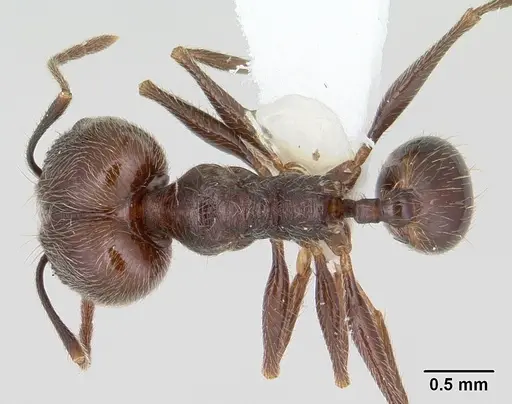
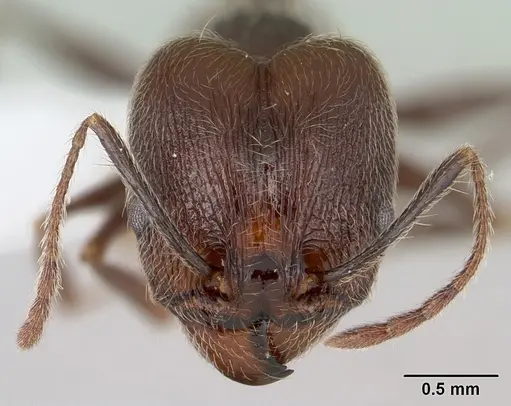
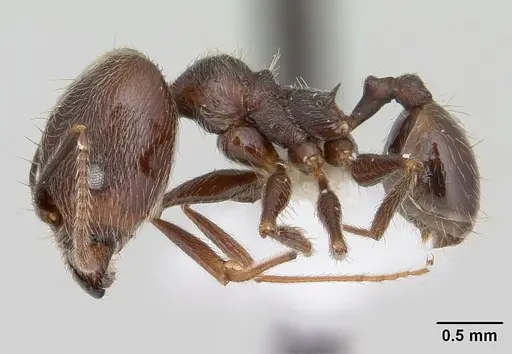
CASENT0178040
View on AntWeb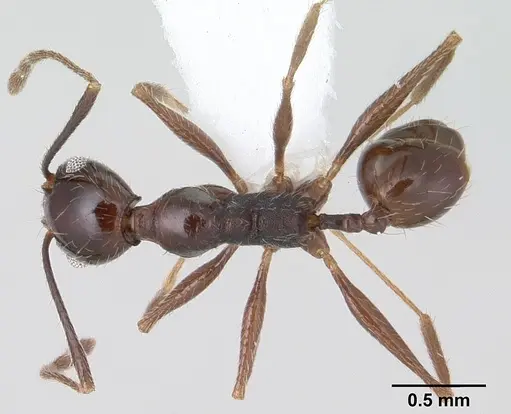
CASENT0282692
View on AntWeb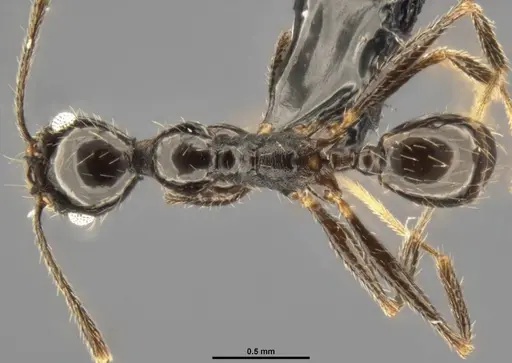
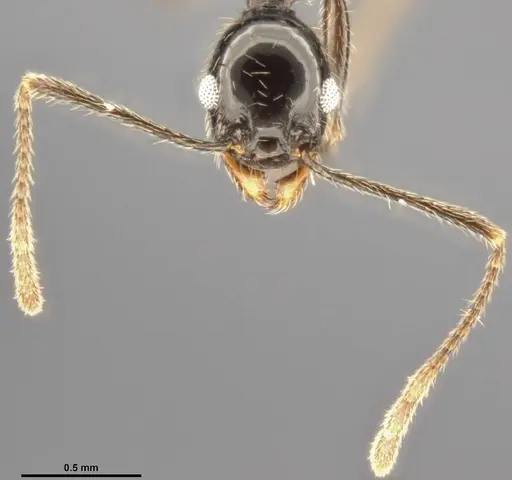
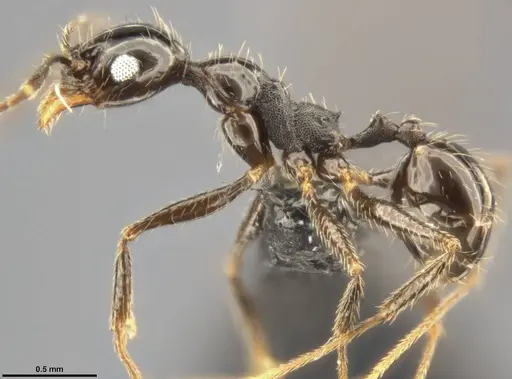
CASENT0633455
View on AntWeb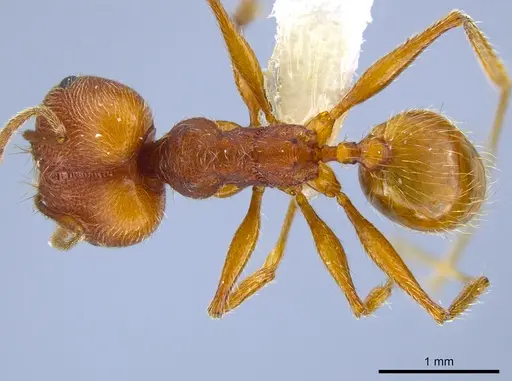
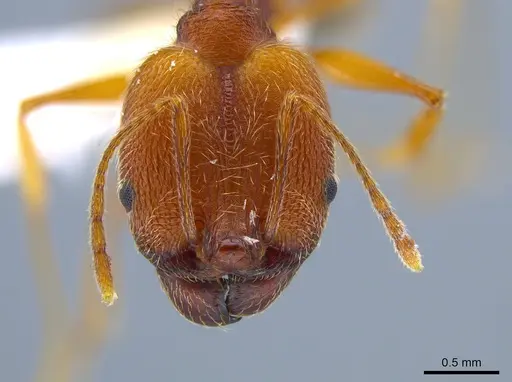
CASENT0635534
View on AntWeb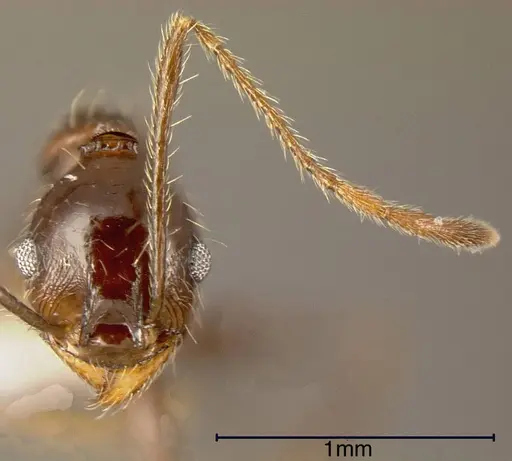
CASENT0901591
View on AntWeb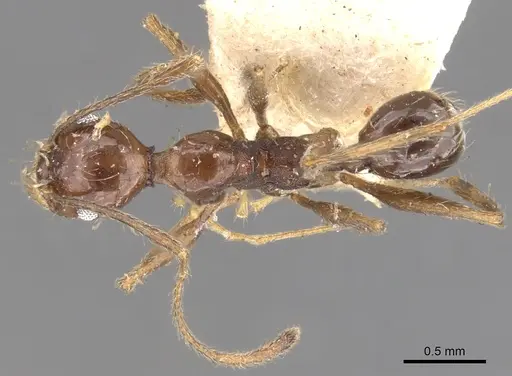
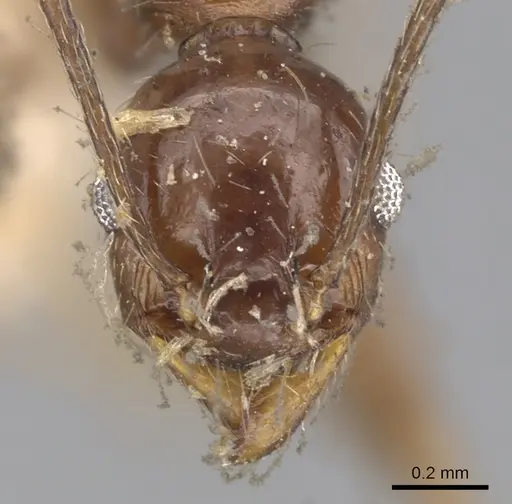
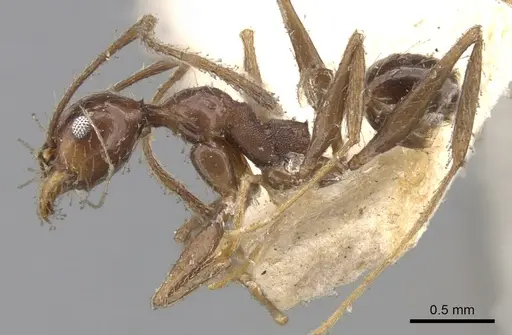
CASENT0901592
View on AntWeb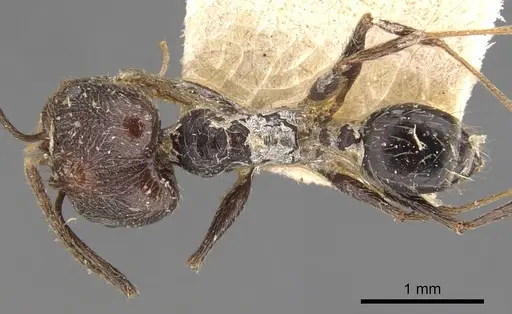
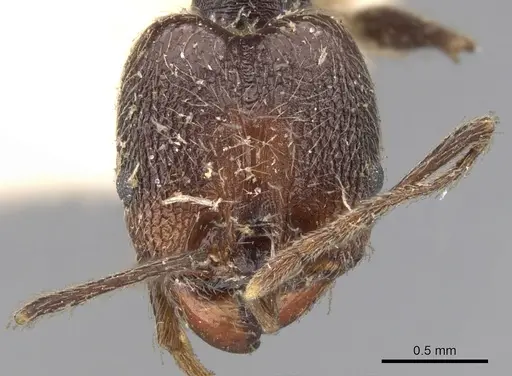
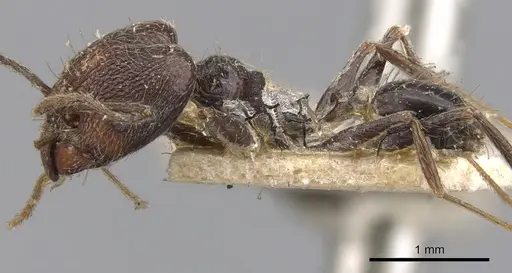
CASENT0908122
View on AntWeb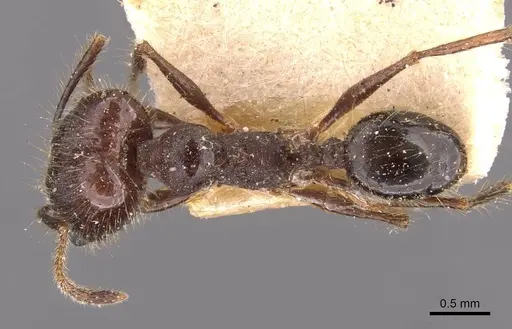
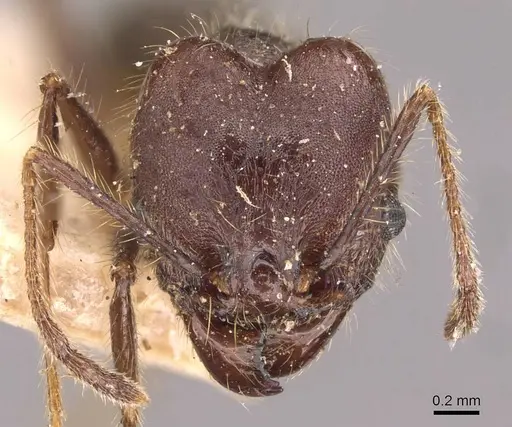
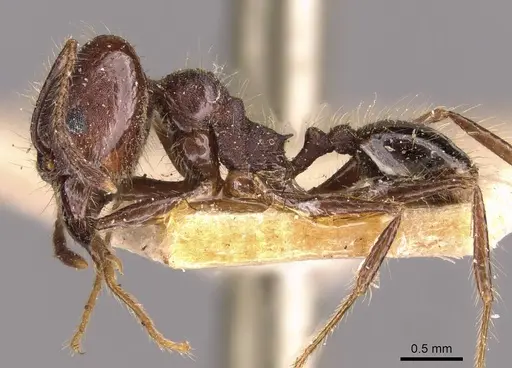
CASENT0908123
View on AntWeb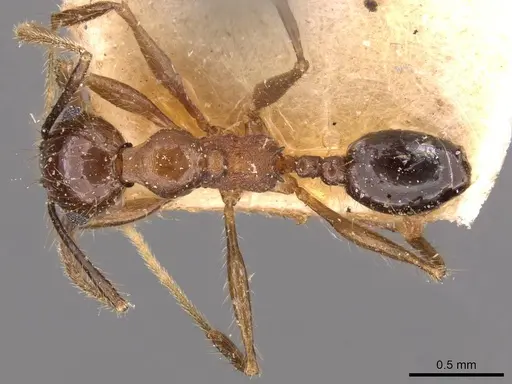
CASENT0913456
View on AntWeb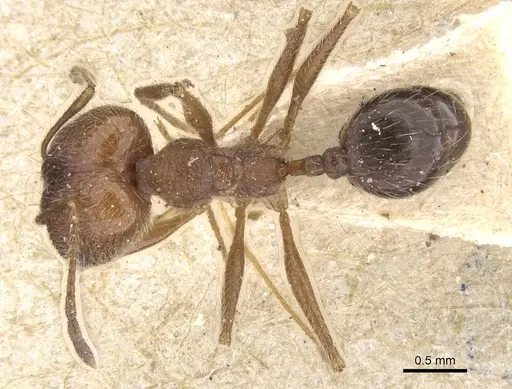
CASENT0913457
View on AntWeb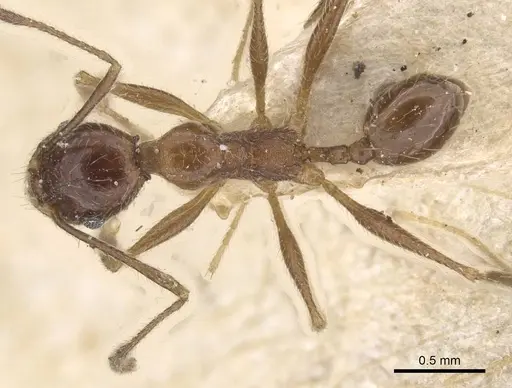
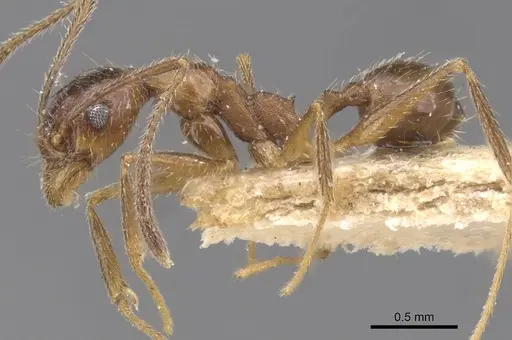
CASENT0916067
View on AntWeb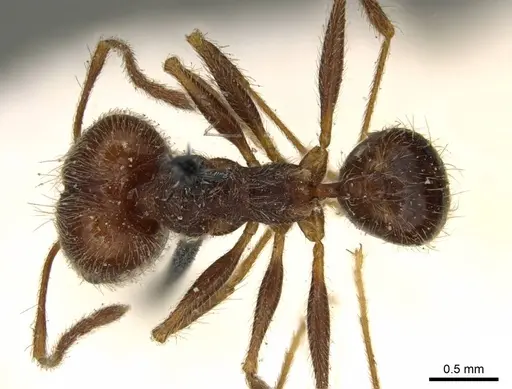
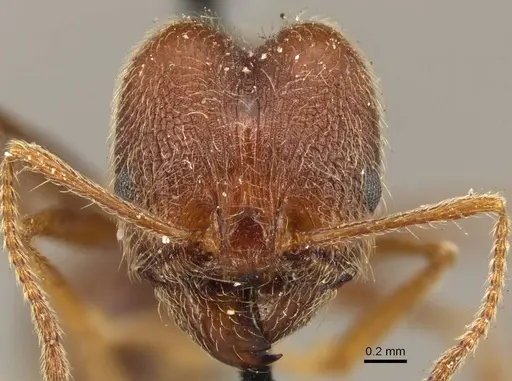
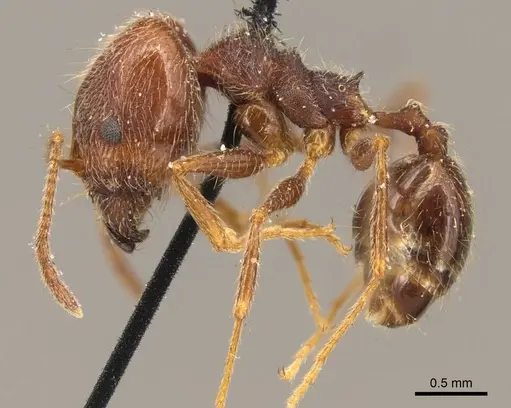
CASENT0916621
View on AntWeb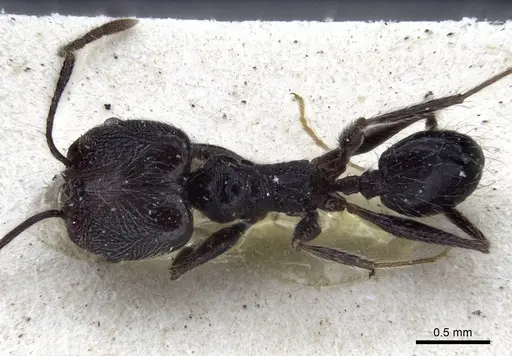
CASENT0916622
View on AntWeb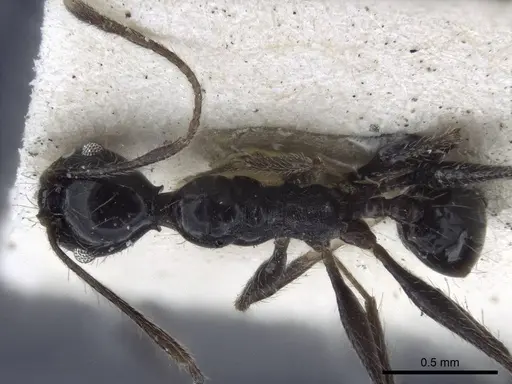
CASENT0917788
View on AntWeb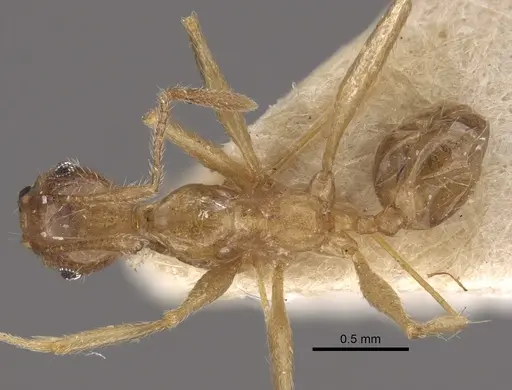
CASENT0917789
View on AntWeb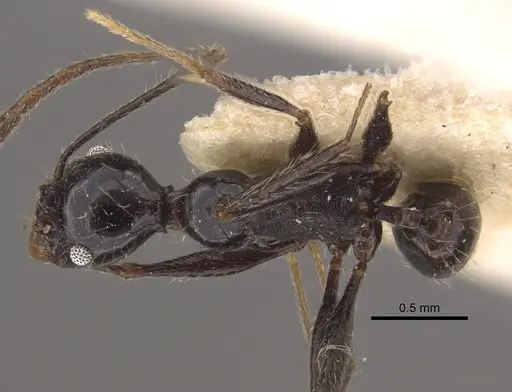
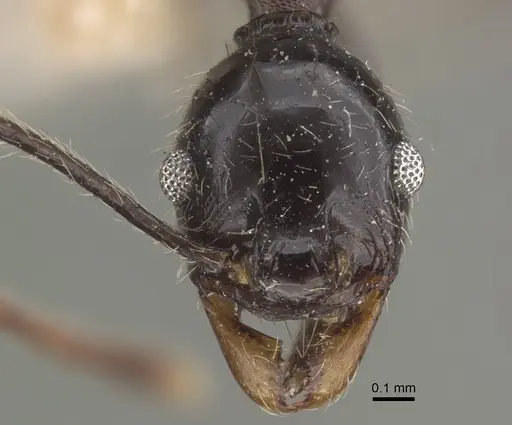
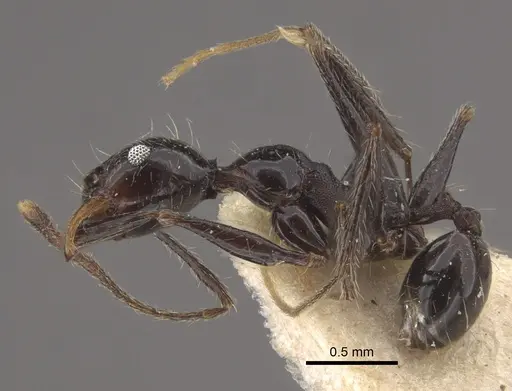
CASENT0917790
View on AntWeb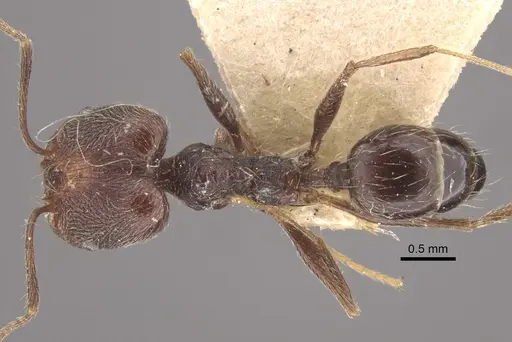
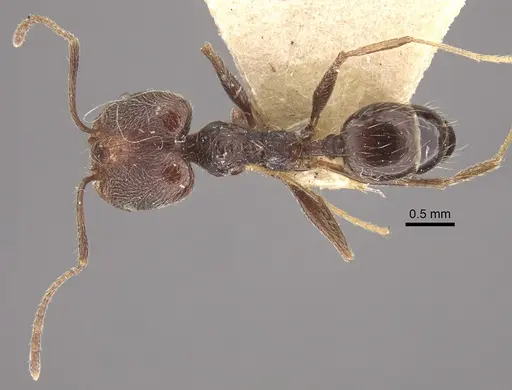
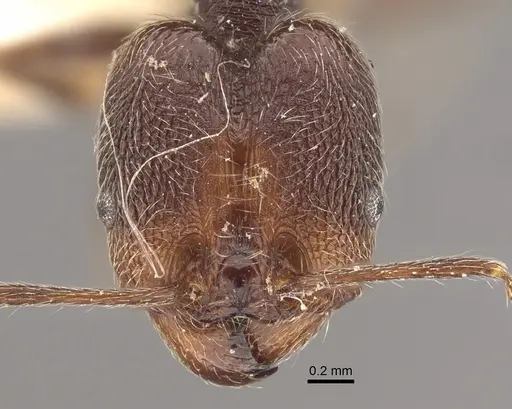
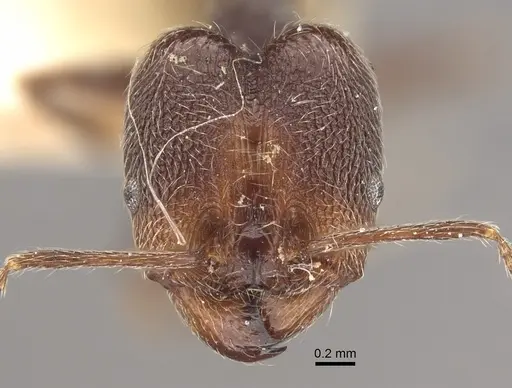
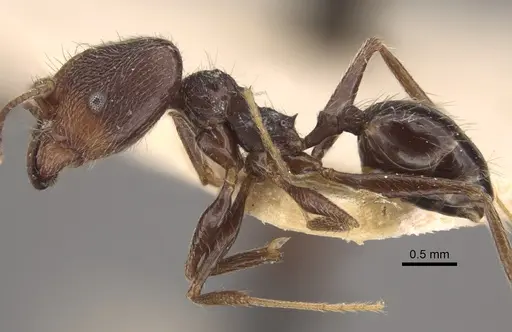
CASENT0919784
View on AntWeb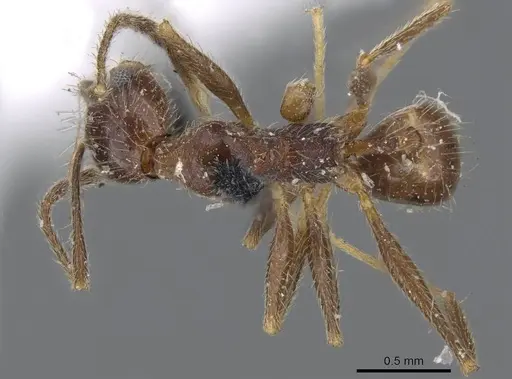
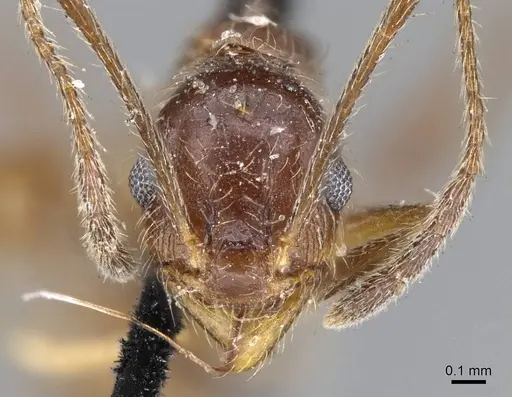
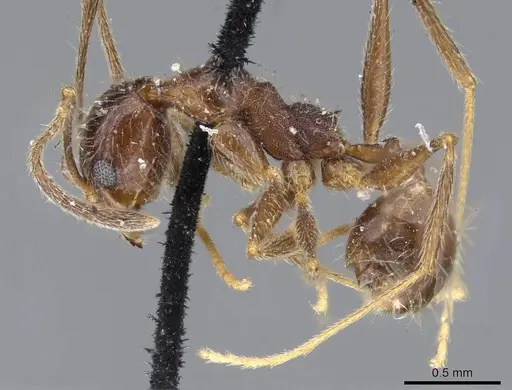
CBUMAGENT42022
View on AntWeb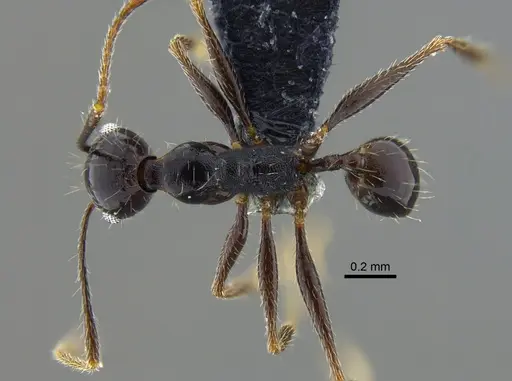
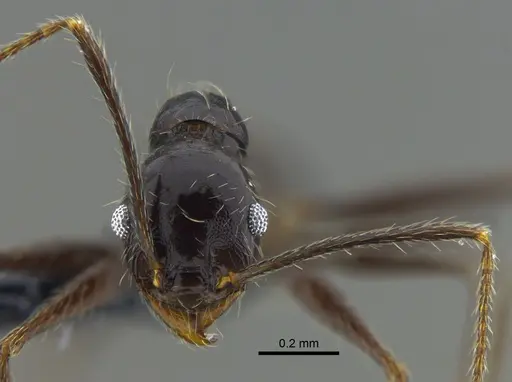
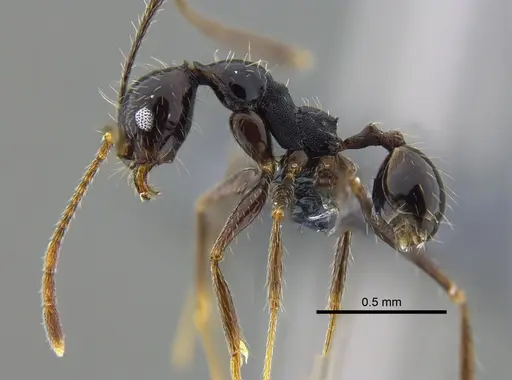
ECOFOG-MI15-0092-25
View on AntWeb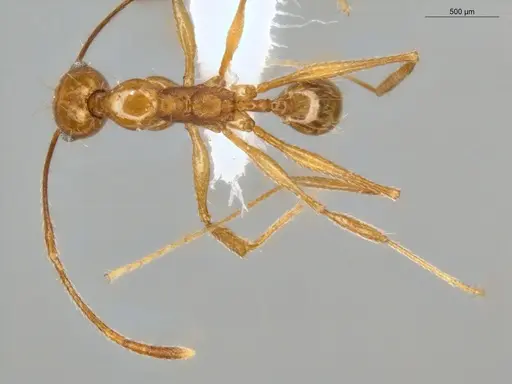
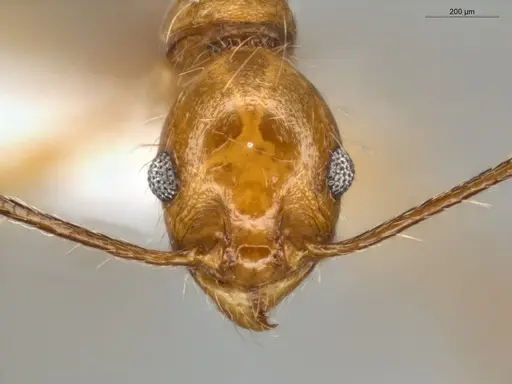
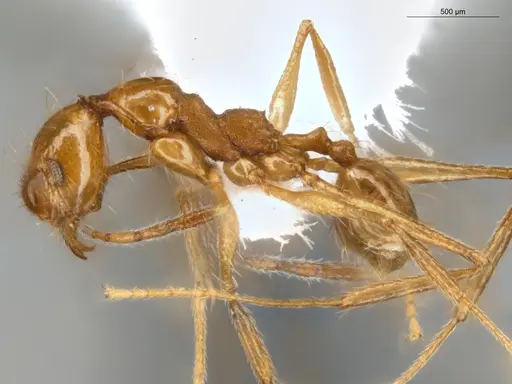
FOCOL0241-1
View on AntWeb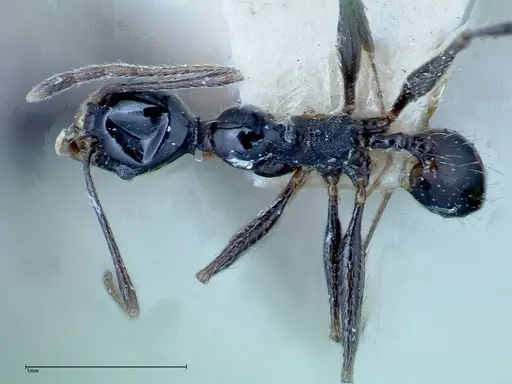
FOCOL0241-2
View on AntWeb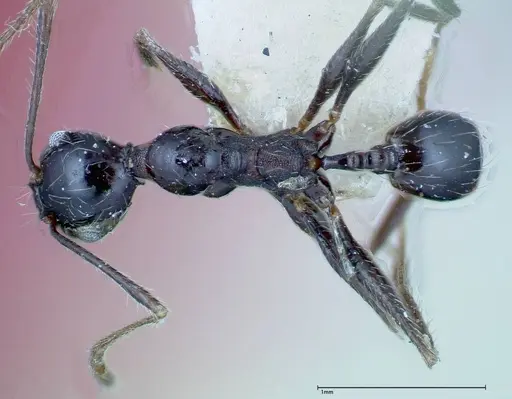
FOCOL0241-3
View on AntWeb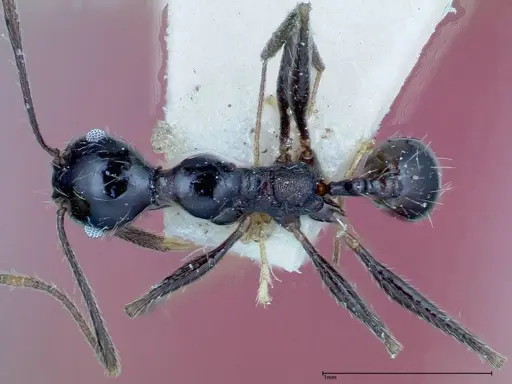
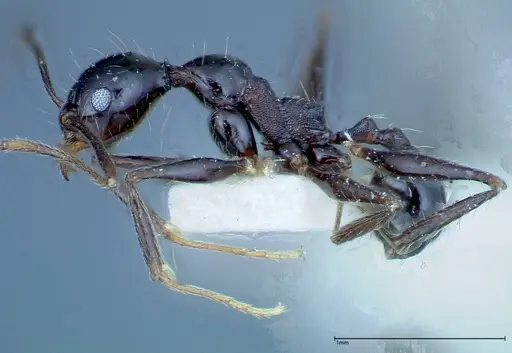
FOCOL0241-4
View on AntWeb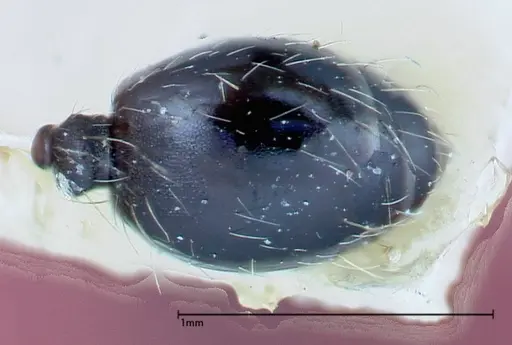
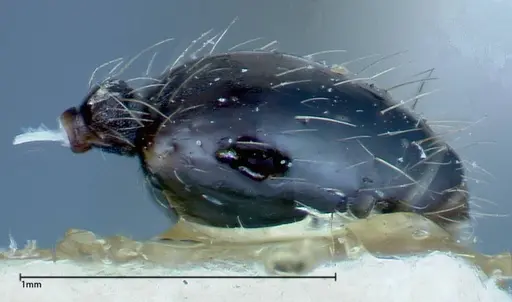
FOCOL0620
View on AntWeb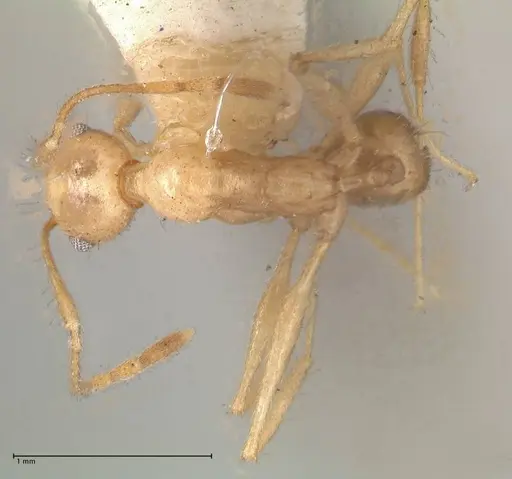
INBIOCRI001283041
View on AntWeb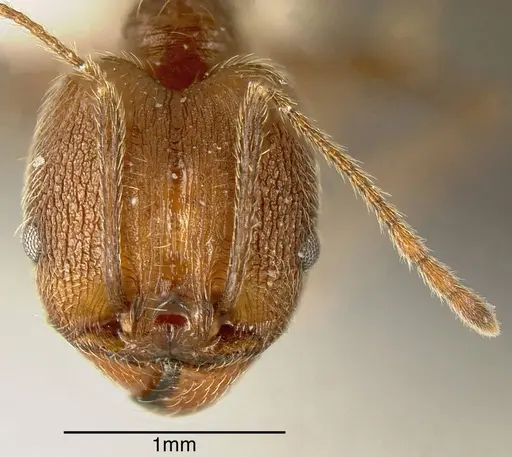
JTLC000015316
View on AntWeb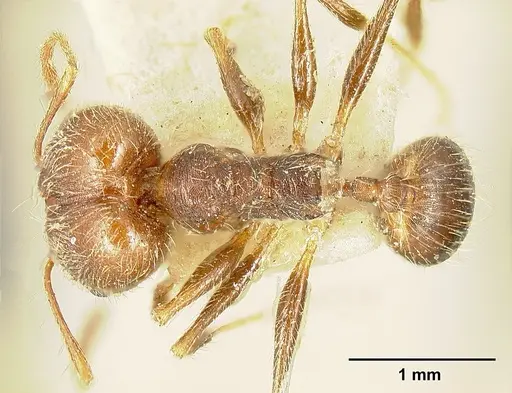
JTLC000015317
View on AntWeb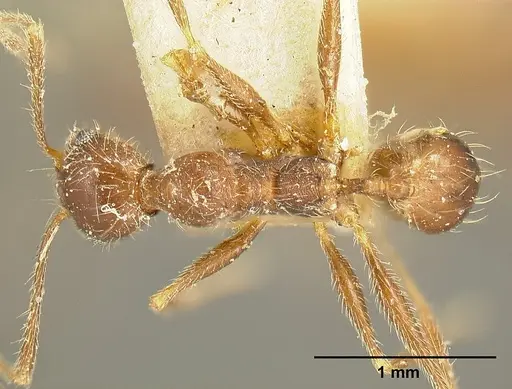
JTLC000015332
View on AntWeb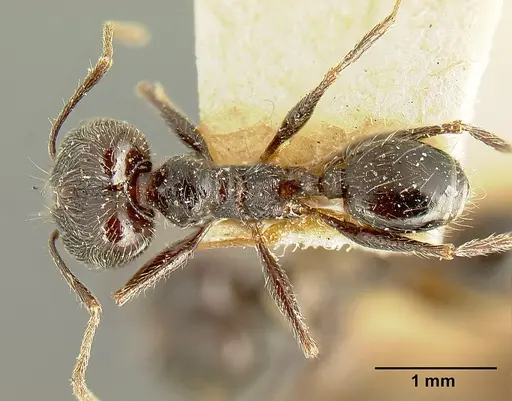
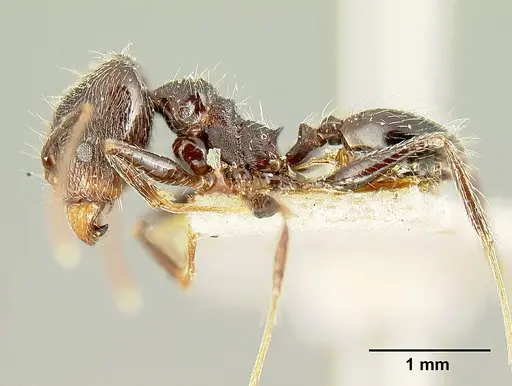
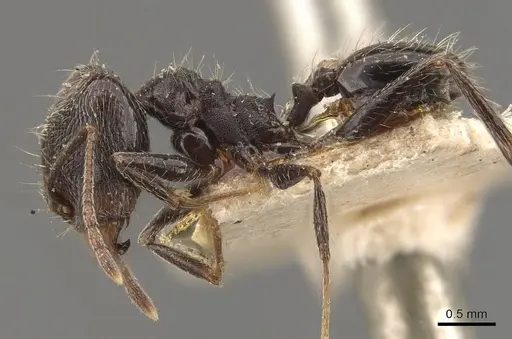
JTLC000015333
View on AntWeb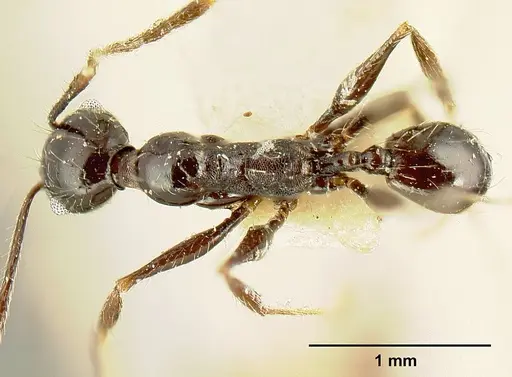
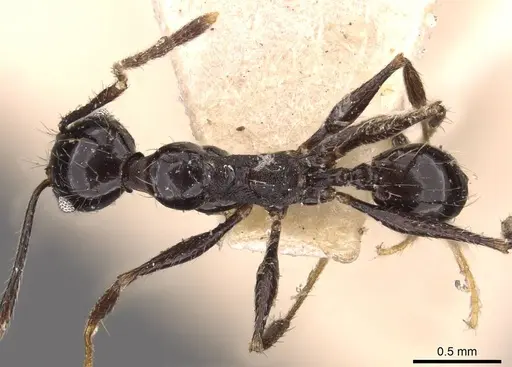
JTLC000015334
View on AntWeb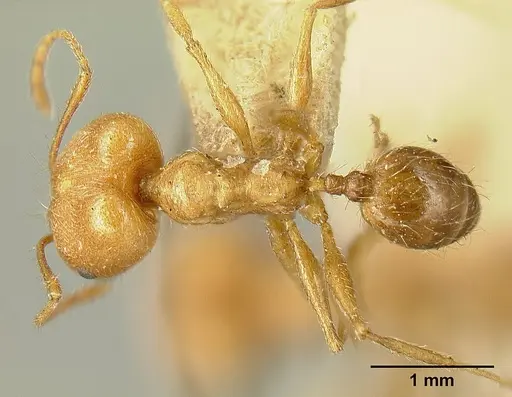
JTLC000015335
View on AntWeb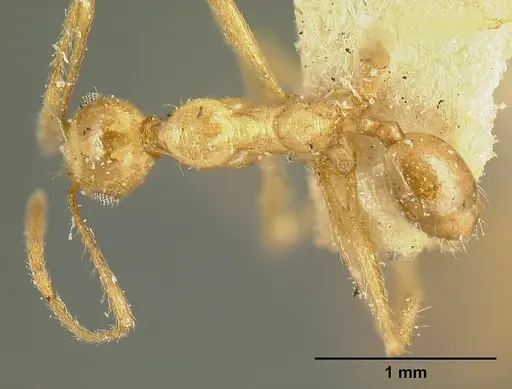
Literature
Loading...Loading products...