

Pheidole superba
- Scientific Name
- Pheidole superba
- Tribe
- Attini
- Subfamily
- Myrmicinae
- Author
- Wilson, 2003
- Distribution
- Found in 1 countries
Pheidole superba Overview
Pheidole superba is an ant species of the genus Pheidole. It is primarily documented in 1 countries , including Colombia. Detailed taxonomic data and occurrence records can be further explored via authoritative databases such as AntWeb or the Global Biodiversity Information Facility (GBIF).
Pheidole superba
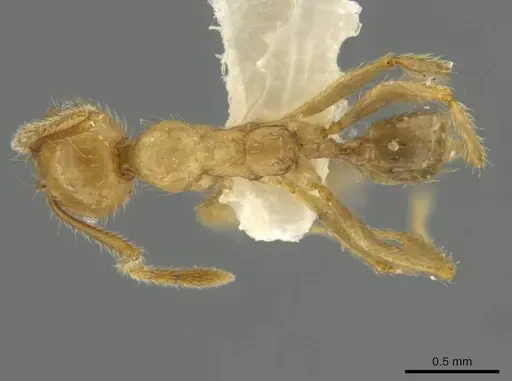
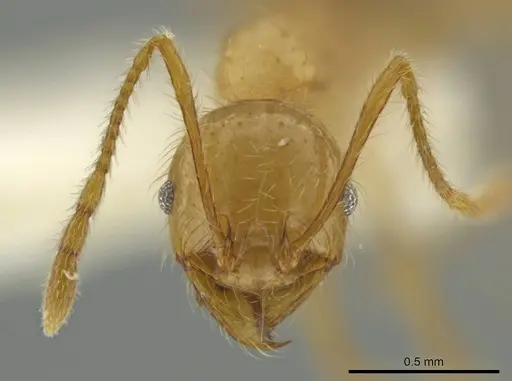
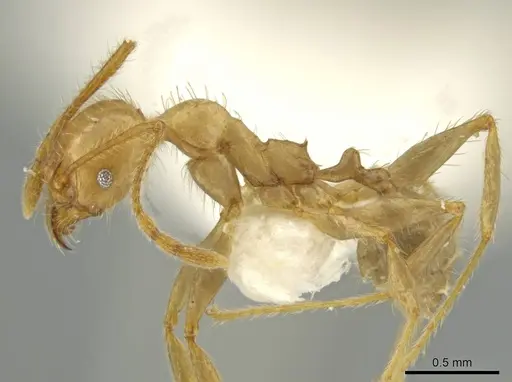
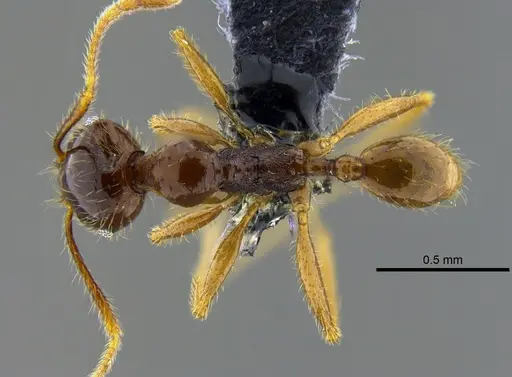
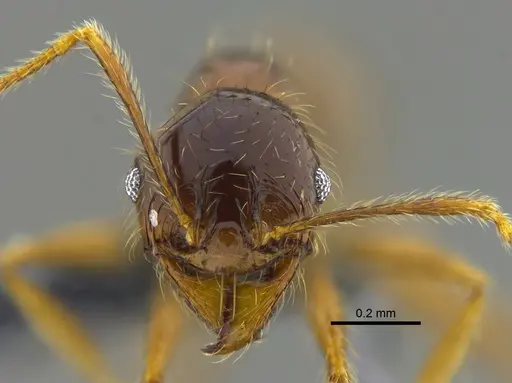
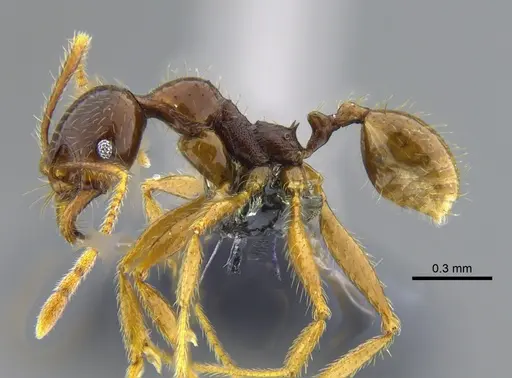
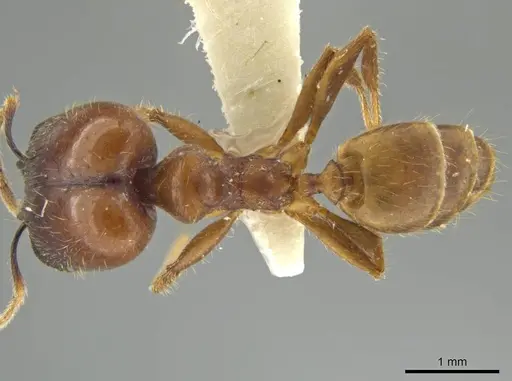
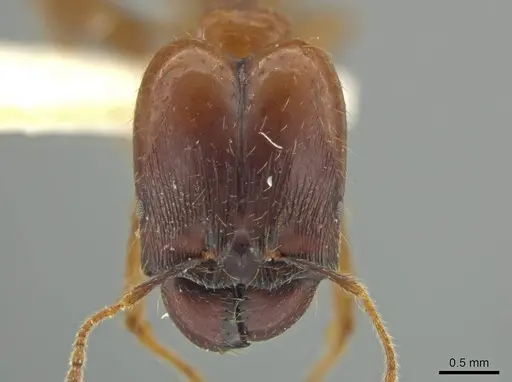
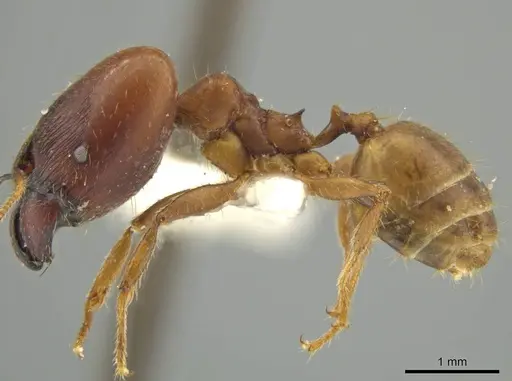
Pheidole superba is a striking Neotropical ant known for its dramatic size difference between castes. Major workers are large at 1.84mm head width, with a dark reddish-brown to blackish-brown body that gives them a bold, glossy appearance. Minor workers are much smaller at 0.62mm head width and appear yellow, creating a stark contrast within the colony. The species was described by Wilson in 2003 and is found across the Neotropical region from Panama through Colombia to Brazil, typically at elevations around 250m. The name 'superba' means splendid or superior, referring to the impressive appearance of the major workers with their uniquely shaped heads and prominently raised humeri [1].
Quick Summary
- Difficulty: Medium
- Origin & Habitat: Neotropical region, found in Colombia (Magdalena, Tayrona Park), Panama (Barro Colorado Island), and reportedly to Brazil. Inhabits lowland tropical forest environments at elevations around 250m [2][1][3].
- Colony Type: Unconfirmed colony structure. Pheidole species are typically monogyne (single queen colonies), but the specific colony structure for P. superba has not been documented.
- Size & Growth:
- Queen: Not documented in available literature. Based on genus patterns, likely 8-12mm.
- Worker: Major workers: 1.84mm head width (HW),2.16mm head length (HL). Minor workers: 0.62mm HW,0.66mm HL [1].
- Colony: Unknown for this specific species. Pheidole colonies can range from hundreds to thousands of workers.
- Growth: Unknown, estimated as moderate based on typical Pheidole development patterns.
- Development: Unconfirmed. Based on typical Pheidole patterns in tropical conditions, estimate 6-8 weeks at warm temperatures. (Tropical species may develop faster than temperate Pheidole. Estimate is based on genus-level patterns, not species-specific data.)
- Antkeeping:
- Temperature: Keep at 24-28°C. As a Neotropical species from Panama and Colombia, they prefer warm, stable conditions. A heating cable on one side of the nest can create a gentle gradient.
- Humidity: Maintain moderate to high humidity, roughly 60-80%. These ants come from tropical forest environments with consistent moisture. Keep the nest substrate moist but not waterlogged.
- Diapause: No, this is a tropical species from Panama and Colombia. They do not require hibernation or winter rest. Keep them warm year-round.
- Nesting: Natural nesting is not directly documented, but Pheidole typically nest in soil, under stones, or in rotting wood in forest habitats. In captivity, a Y-tong (AAC) nest or plaster nest works well. Keep chambers appropriately scaled to their size, major workers are substantial at nearly 2mm.
- Behavior: Pheidole superba is a classic 'big-headed ant' with major workers that have distinctly enlarged heads for seed-cracking and defense. They are likely opportunistic foragers, collecting seeds and small insects. Major workers serve as soldiers and food processors. Minor workers handle most foraging and brood care. Escape prevention should be good, while majors are sizable, they are not particularly agile climbers. Standard barrier methods should suffice. Temperament is likely moderate, Pheidole are not typically aggressive but will defend the nest if threatened.
- Common Issues: tropical species requires year-round warmth, cool temperatures will slow or stop brood development, humidity balance is important, too dry causes brood death, too wet promotes mold, colonies may grow slowly initially, patience is needed during the founding phase, wild-caught colonies may harbor parasites that can decimate captive colonies, major workers are relatively large but colonies may be slow to establish, do not overfeed during founding
Appearance and Identification
Pheidole superba is one of the more striking Pheidole species due to the dramatic difference between its two worker castes. Major workers are large and dark, with a head width of 1.84mm, and feature a uniquely shaped head that is subrectangular with a deep occipital cleft at the back. Their most distinctive feature is the prominently raised humerus (the shoulder area where the head meets the thorax) which appears as a large equilateral triangle when viewed from above. The body is dark reddish-brown to blackish-brown with a glossy appearance, especially on the posterior half of the head. Minor workers are tiny by comparison at only 0.62mm head width and are yellow in color, creating a striking visual difference within the same colony. The minor's head and body are mostly smooth and shiny, and they have short propodeal spines directed backward [1][3].
Natural Distribution and Habitat
This species is found across the Neotropical region, with documented populations in Panama (including Barro Colorado Island) and Colombia, particularly in the Magdalena region. The type locality is Pueblito on the southern boundary of Tayrona Park in Colombia at approximately 250m elevation. Some sources suggest the range extends to Brazil as well. They inhabit lowland tropical forest environments typical of the region. The elevation of around 250m places them in tropical forest zones rather than higher-altitude cloud forests [2][1][3].
Feeding and Diet
While specific feeding observations for P. superba are not documented, Pheidole species are typically omnivorous with a strong preference for seeds and protein-rich foods. Major workers have the enlarged heads specifically adapted for seed-cracking, the large head contains powerful muscles for operating their mandibles. In captivity, offer a varied diet including: seeds (millet, chia, grass seeds), protein sources (mealworms, small crickets, freeze-dried insects), and occasional sugar sources (honey water, sugar water). Minor workers will handle most foraging while majors crack open seeds and defend the colony. Feed protein 2-3 times per week and ensure seeds are always available. Remove uneaten protein within 24-48 hours to prevent mold.
Temperature and Care
As a Neotropical species from Panama and Colombia, Pheidole superba requires warm temperatures year-round. Keep the nest area between 24-28°C for optimal brood development. Temperatures below 22°C will significantly slow colony growth, and prolonged cool conditions can be fatal. Use a heating cable or heating mat on one side of the nest to create a gentle temperature gradient, allowing ants to self-regulate. Place the heating element on top of the nest to avoid drying out the substrate. Room temperature may be sufficient if your home stays in the low-to-mid 20s°C, but monitor colony activity, if workers cluster together and show reduced movement, the colony may need additional warmth. Unlike temperate species, these ants do not require any winter cooling period.
Nesting and Setup
In the wild, Pheidole species typically nest in soil, under stones, or in rotting wood in forest habitats. For captive care, a Y-tong (AAC) nest or plaster/naturalistic setup works well. The key is maintaining appropriate humidity while allowing for some ventilation. Because major workers are nearly 2mm tall, chambers should be appropriately scaled, avoid extremely narrow passages that might trap the larger majors. A test tube setup can work for founding colonies, but be prepared to move them to a larger formicarium once the colony reaches 30-50 workers. Provide a water tube with cotton as a moisture source, and ensure the nest material can hold moisture without becoming waterlogged.
Colony Development
The founding and early development of Pheidole superba colonies has not been specifically documented, but Pheidole species follow a typical claustral founding pattern where the queen seals herself in a chamber and lives off stored fat reserves until her first workers emerge. Expect the founding phase to take 4-8 weeks before the first nanitic (first-generation) workers appear. Initial colony growth is typically slow, the first batch of workers (nanitics) are often smaller than normal workers. Once the colony establishes its first workers, growth should gradually accelerate. Pheidole colonies can eventually reach several thousand workers, with major workers appearing in significant numbers once the colony reaches several hundred workers. Patience is essential during the first few months.
Frequently Asked Questions
How long does it take for Pheidole superba to produce first workers?
The egg-to-worker timeline is unconfirmed for this species. Based on typical Pheidole patterns in warm tropical conditions, expect approximately 6-8 weeks from egg to first worker. The queen will remain sealed in her founding chamber during this time, living off her stored fat reserves.
What do Pheidole superba ants eat?
Pheidole species are omnivorous with a preference for seeds and protein. Feed them a mix of small seeds (millet, chia), protein sources (mealworms, small crickets, freeze-dried insects), and occasional sugar water. Major workers are adapted for cracking open seeds with their large heads.
Do Pheidole superba ants need hibernation?
No. This is a tropical species from Panama and Colombia. They do not require hibernation or winter cooling. Keep them warm year-round at 24-28°C.
How big do Pheidole superba colonies get?
The maximum colony size is not documented for this species, but Pheidole colonies typically reach several thousand workers. Major workers appear once the colony is established and grows to several hundred workers.
What temperature should I keep Pheidole superba at?
Keep them at 24-28°C. As a Neotropical species from tropical forest habitats, they require warm, stable temperatures. Use a heating cable on one side of the nest to create a gradient if your room temperature is below 24°C.
Are Pheidole superba good for beginners?
This species is rated as Medium difficulty. While not the most challenging species, the lack of specific care documentation and the need for warm, stable tropical conditions make it better suited for keepers who have some experience with tropical ant species. The founding phase requires patience.
Can I keep multiple Pheidole superba queens together?
The colony structure is unconfirmed for this species. Most Pheidole are monogyne (single queen). It is not recommended to combine unrelated foundress queens, as they are likely to fight. If you obtain a wild colony, it will typically have one functional queen.
When should I move Pheidole superba to a formicarium?
Keep them in a test tube or small setup for the founding phase. Once the colony reaches 30-50 workers and the test tube humidity starts declining rapidly, consider moving them to a larger Y-tong or plaster nest. Pheidole can be moved once they have established workers and brood.
Why is my Pheidole superba colony not growing?
Common causes include: temperatures below 24°C slowing development, incorrect humidity (too dry or too wet), overfeeding causing mold, or the founding queen not successfully fertilizing her eggs. Ensure warm, stable conditions and avoid disturbing the colony during the founding phase.
References

This caresheet is licensed under CC BY-SA 4.0 .
Literature
Loading...Loading products...