

Pheidole sulcaticeps
- Scientific Name
- Pheidole sulcaticeps
- Tribe
- Attini
- Subfamily
- Myrmicinae
- Author
- Roger, 1863
- Distribution
- Found in 1 countries
Pheidole sulcaticeps Overview
Pheidole sulcaticeps is an ant species of the genus Pheidole. It is primarily documented in 1 countries , including India. Detailed taxonomic data and occurrence records can be further explored via authoritative databases such as AntWeb or the Global Biodiversity Information Facility (GBIF).
Pheidole sulcaticeps
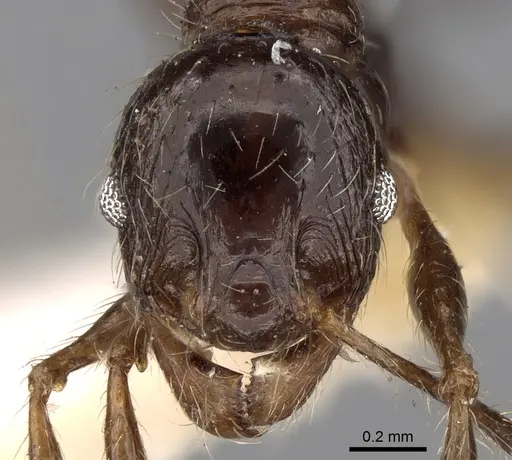
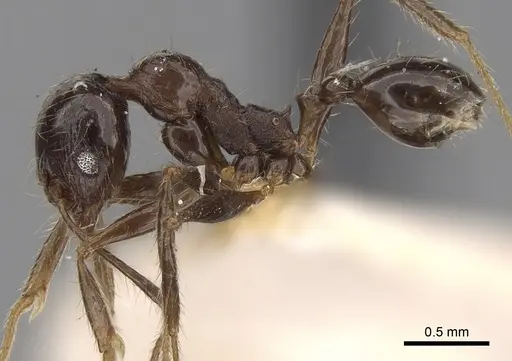
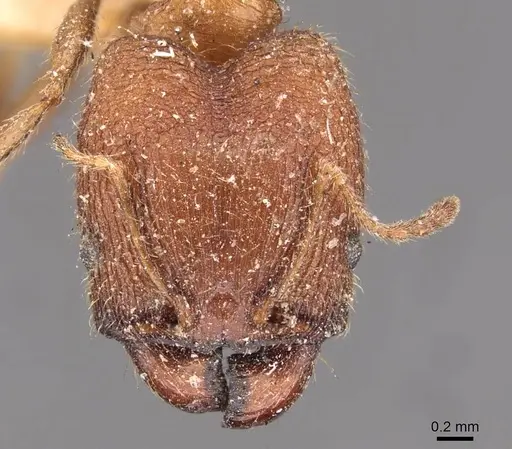
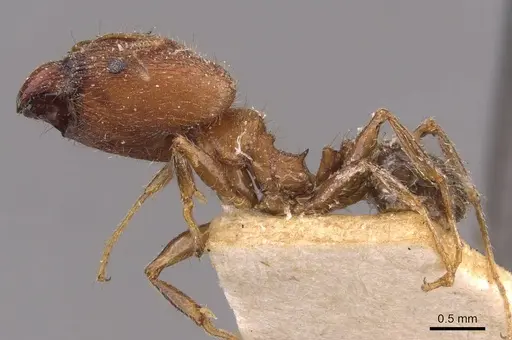
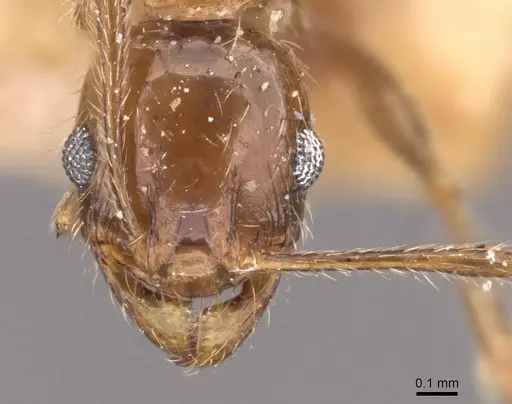
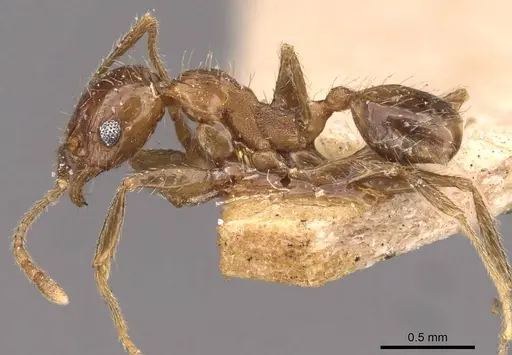
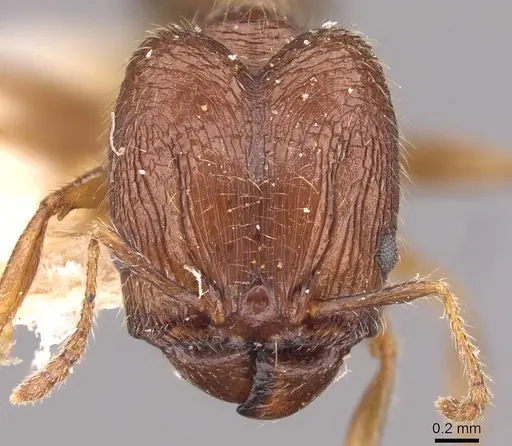
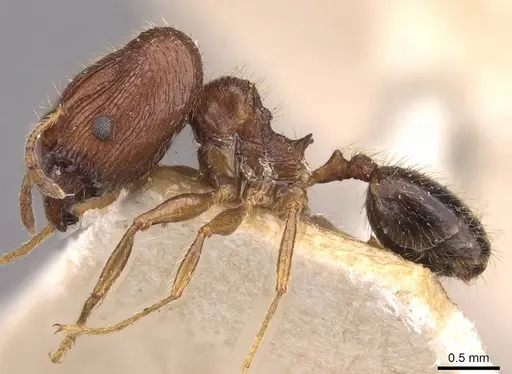
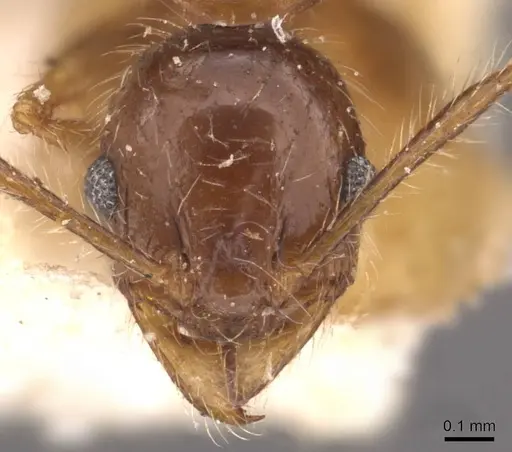
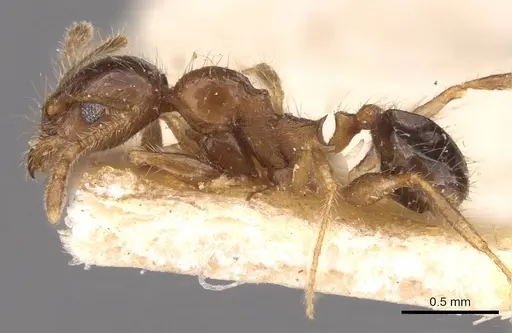
Pheidole sulcaticeps is a dimorphic ant species native to South Asia, known for its distinctive major workers with large heads. Major workers measure 4.0-5.0mm and have a reddish-brown body with fine yellowish hairs, while minor workers are smaller at 2.5-2.9mm. The species features a rectangular head with longitudinal striations in majors, a concave vertex, and smooth first gastral tergite. This ant is found across India, Pakistan, Sri Lanka, Bangladesh, and southern China, typically nesting in bare ground in tropical and subtropical regions [1][2].
This species is notable for being one of the few Pheidole species documented in Pakistan, where it was first recorded in 2014. Like other Pheidole ants, they maintain colonies with both major and minor workers, with majors specialized for seed processing and defense. They host the myrmecophile beetle Pheidoliphila minuta, which lives within their colonies [3].
Quick Summary
- Difficulty: Easy
- Origin & Habitat: Tropical and subtropical Asia, found in India (Gujarat, Maharashtra, Orissa, Rajasthan, Tamil Nadu, West Bengal), Pakistan, Sri Lanka, Bangladesh, and southern China. In Pakistan, specimens were collected from bare ground areas [4][2].
- Colony Type: Monogyne (single queen) colonies, typical for Pheidole species. Colonies contain both major and minor workers [1].
- Colony: Monogyne
- Founding: Claustral
- Size & Growth:
- Queen: Estimated 6-8mm based on genus patterns
- Worker: Major workers: 4.0-5.0mm, Minor workers: 2.5-2.9mm [1]
- Colony: Likely several hundred to a few thousand workers based on typical Pheidole colony sizes
- Growth: Moderate, typical for tropical Pheidole species
- Development: Estimated 6-8 weeks at optimal temperature based on genus patterns (Development time inferred from typical Pheidole genus patterns in tropical conditions)
- Antkeeping:
- Temperature: Keep at 24-28°C, they are a tropical/subtropical species from warm regions of South Asia [2]. A slight temperature gradient allows ants to regulate their exposure.
- Humidity: Moderate to high humidity (50-70%). Keep the nest substrate moist but not waterlogged. Provide a water tube for drinking.
- Diapause: No, as a tropical species, they do not require hibernation. However, they may reduce activity during cooler periods.
- Nesting: Ground-nesting species that prefers soil or sandy substrates. In captivity, a Y-tong nest or test tube setup with moist soil works well. They do well in naturalistic setups with a dirt chamber.
- Behavior: Pheidole sulcaticeps is generally calm and not aggressive toward keepers. Major workers use their large heads to process seeds and defend the colony, while minors handle most foraging and brood care. They are active foragers that search for seeds, insects, and honeydew. Escape risk is moderate, their small size (especially minors at 2.5mm) means they can slip through small gaps, so use standard barrier methods.
- Common Issues: colonies may decline if kept too cold, maintain warm temperatures year-round, escape prevention is important for minor workers due to their small 2.5mm size, overfeeding can lead to mold in nest setups, remove uneaten food promptly, wild-caught colonies may carry parasites that can cause colony failure, major workers may appear threatening but are not aggressive stingers
Housing and Nest Setup
Pheidole sulcaticeps is a ground-nesting species that does well in captivity with a few setup options. A test tube setup works well for founding colonies, fill a test tube halfway with water, plug with cotton, and place the queen in the dark. For established colonies, a Y-tong (acrylic) nest with a dirt chamber or a naturalistic setup with soil substrate works best. The nest should have a water tube connected for humidity. Because they nest in bare ground in the wild, they prefer compact soil rather than loose substrates. Keep the nest area humid but ensure ventilation prevents mold buildup. [4][1]
Feeding and Diet
Like most Pheidole species, P. sulcaticeps is omnivorous and will accept a variety of foods. Their diet in nature includes seeds, small insects, and honeydew from aphids. In captivity, offer protein sources like small crickets, mealworms, or fruit flies twice weekly. They also readily accept sugar water, honey, or diluted syrup as an energy source. Seeds are an important part of their natural diet, you can offer small seeds like sesame, millet, or dandelion seeds, which major workers will process with their large heads. Remove uneaten food after 24-48 hours to prevent mold. [1]
Temperature and Seasonal Care
As a tropical to subtropical species from South Asia, Pheidole sulcaticeps requires warm temperatures year-round. Keep the nest area at 24-28°C for optimal brood development. A heating cable or heating mat on one side of the nest creates a temperature gradient that ants can use to regulate their temperature. They do not require hibernation (diapause) since they come from regions with mild winters. However, they may become less active during cooler periods, which is normal. Avoid temperatures below 20°C for extended periods as this can weaken or kill the colony. [2][4]
Colony Structure and Castes
Pheidole sulcaticeps is dimorphic, meaning colonies have two distinct worker castes: major workers (soldiers) and minor workers. Major workers measure 4.0-5.0mm and have the characteristic large, rectangular heads with striations that give the genus its 'big-headed ant' common name. Minor workers are smaller at 2.5-2.9mm and handle most foraging and brood care. The majors specialize in seed processing and colony defense. Colonies are monogyne, meaning they have a single queen. The colony will grow over time as the queen produces more workers, eventually producing reproductive alates (winged queens and males) for nuptial flights. [1]
Behavior and Handling
This species is generally calm and not aggressive toward keepers. While major workers may appear threatening due to their large heads and mandibles, they are not effective stingers and pose minimal danger to humans. They are active foragers that will search out food throughout their foraging area. When a food source is found, minor workers recruit nestmates through chemical signals. Major workers typically stay closer to the nest but will emerge to process larger food items or defend against threats. They are not known for escape artist behavior, but minor workers at 2.5mm can slip through small gaps, so standard barrier methods like Fluon on container rims are recommended.
Growth and Development
Colony growth is moderate, typical for Pheidole species in tropical conditions. The claustral queen will seal herself in a chamber and lay eggs after a week or two. She feeds the first brood using her stored fat reserves and secretions. First workers (nanitics) are typically smaller than normal workers and emerge after 6-8 weeks at optimal temperature. After the first workers eclose, the queen resumes egg-laying and the colony enters a growth phase. Expect the colony to reach several hundred workers within a year under good conditions. Growth rate depends heavily on temperature and feeding frequency.
Frequently Asked Questions
How long does it take for Pheidole sulcaticeps to produce first workers?
Expect first workers (nanitics) to emerge in 6-8 weeks at optimal temperature (24-28°C). This timeline is based on typical Pheidole genus patterns for tropical species.
What do Pheidole sulcaticeps ants eat?
They are omnivorous. Offer protein (small insects like crickets, mealworms, fruit flies) twice weekly, sugar sources (honey water, sugar water) constantly, and small seeds. Remove uneaten food after 24-48 hours.
Can I keep multiple queens together?
No. Pheidole sulcaticeps is monogyne, colonies have a single queen. Combining unrelated queens is not recommended and typically results in fighting.
What temperature do they need?
Keep them warm at 24-28°C. This tropical species does not tolerate cold well, avoid temperatures below 20°C for extended periods.
Do they need hibernation?
No. As a tropical/subtropical species from South Asia, they do not require hibernation. They may reduce activity during cooler periods but year-round warmth is best.
What size colony do they reach?
Based on typical Pheidole patterns, colonies likely reach several hundred to a few thousand workers. Growth is moderate over several years.
What nest type is best?
Ground-nesting species do well with a Y-tong nest with dirt chamber, test tube setup for founding, or naturalistic setup with moist soil. They prefer compact soil over loose substrates.
Are they good for beginners?
Yes. Pheidole sulcaticeps is considered easy to keep, they are tolerant of basic care mistakes, not aggressive, and adapt well to captivity. Just maintain warmth and proper humidity.
Why are my ants dying?
Common causes include: temperatures below 20°C, too dry or too wet conditions, mold from uneaten food, or parasites from wild-caught colonies. Check temperature, humidity, and remove uneaten food promptly.
When should I move them to a formicarium?
Move from test tube to a larger nest once the colony reaches 30-50 workers or the test tube becomes crowded. A Y-tong or naturalistic setup works well.
How big are the workers?
Major workers are 4.0-5.0mm with large heads. Minor workers are smaller at 2.5-2.9mm. The size difference is dramatic and characteristic of Pheidole species.
References

This caresheet is licensed under CC BY-SA 4.0 .
CASENT0281654
View on AntWeb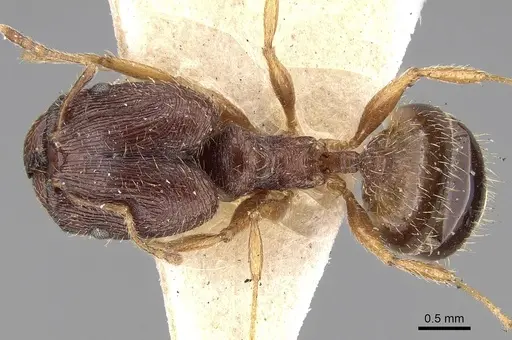
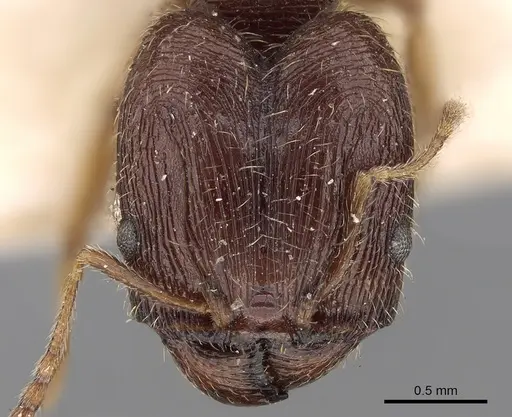
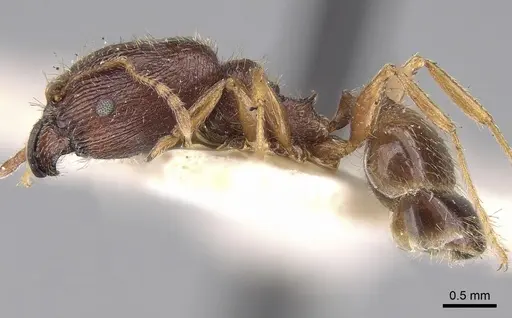
CASENT0281655
View on AntWeb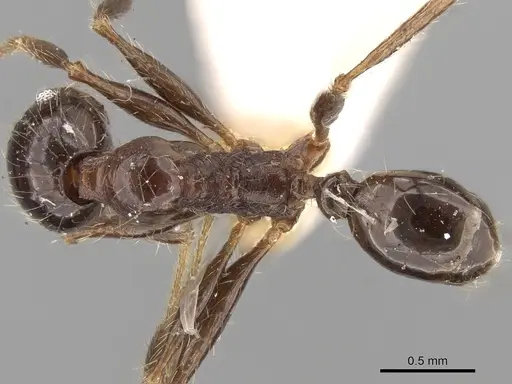
CASENT0907961
View on AntWeb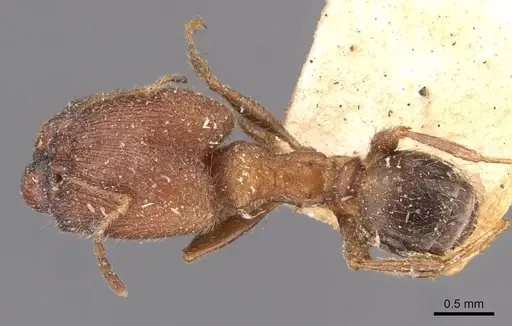
CASENT0907962
View on AntWeb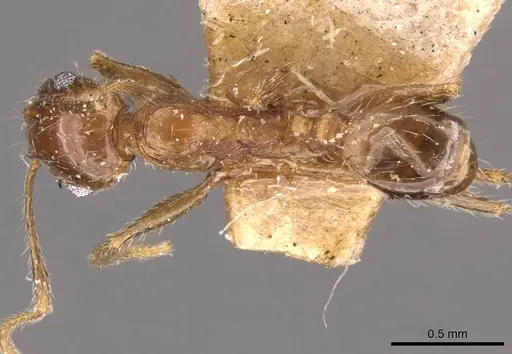
CASENT0907963
View on AntWeb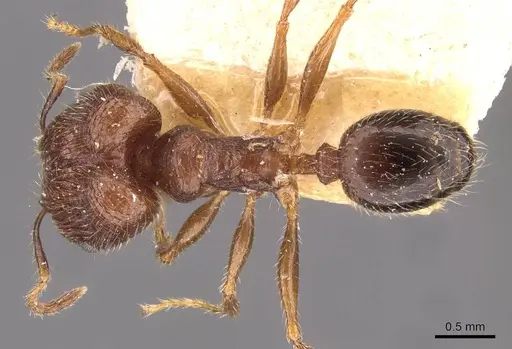
CASENT0907964
View on AntWeb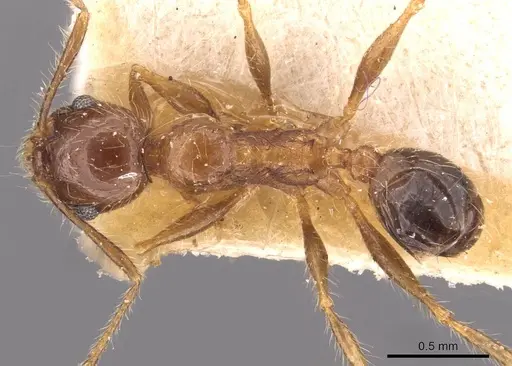
Literature
Loading...Loading products...