

Pheidole stulta
- Scientific Name
- Pheidole stulta
- Tribe
- Attini
- Subfamily
- Myrmicinae
- Author
- Forel, 1886
- Distribution
- Found in 1 countries
Pheidole stulta Overview
Pheidole stulta is an ant species of the genus Pheidole. It is primarily documented in 1 countries , including Panama. Detailed taxonomic data and occurrence records can be further explored via authoritative databases such as AntWeb or the Global Biodiversity Information Facility (GBIF).
Pheidole stulta
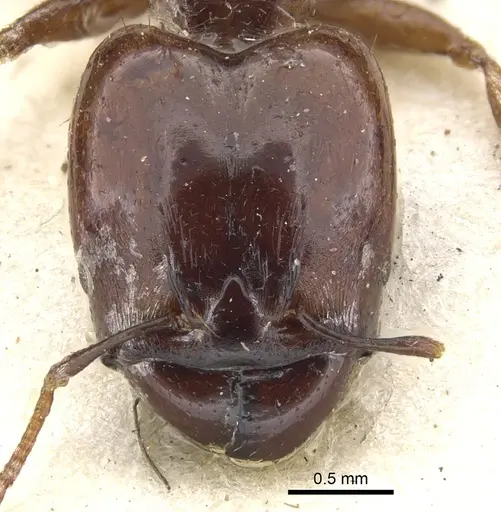
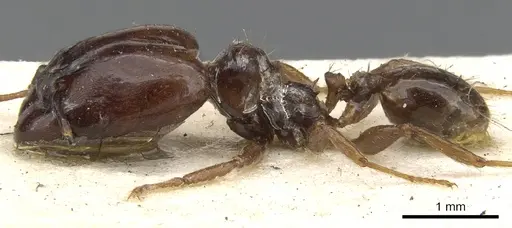
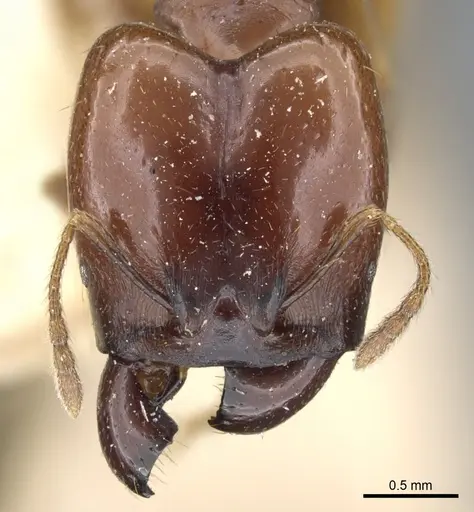
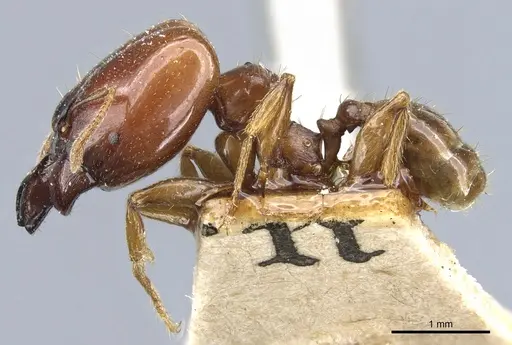
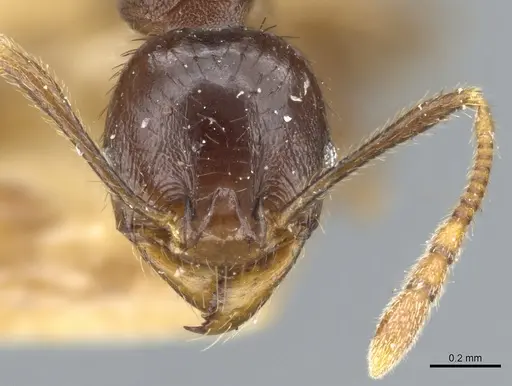
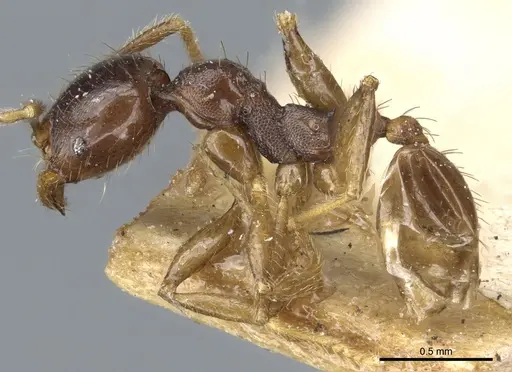
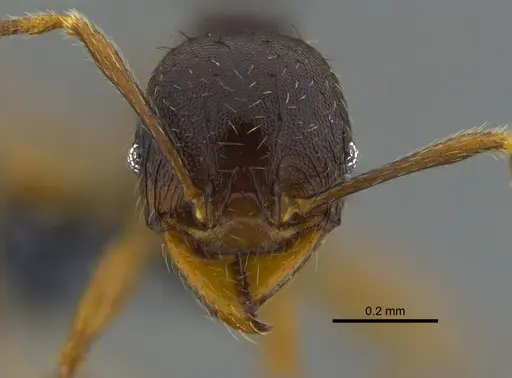
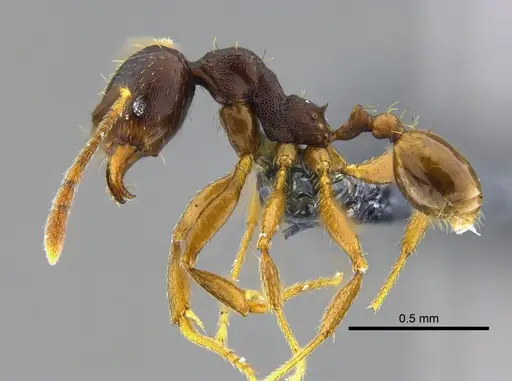
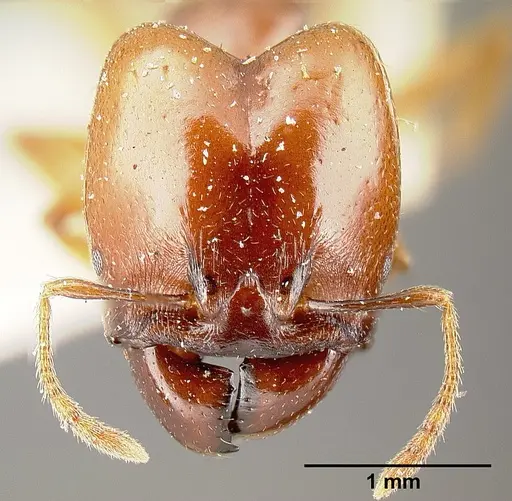
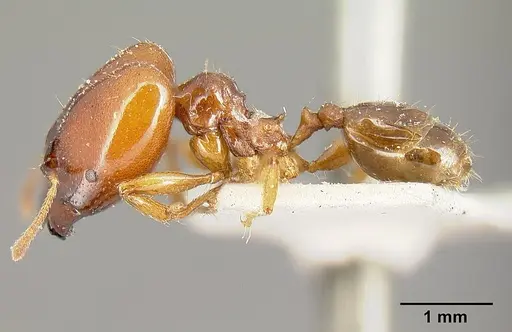
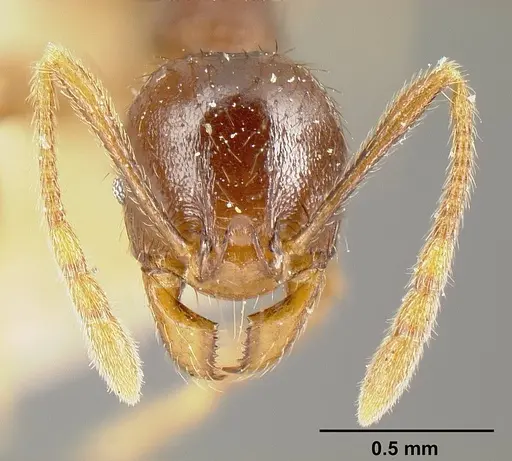
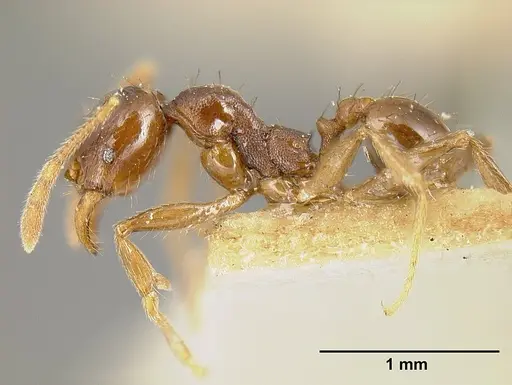
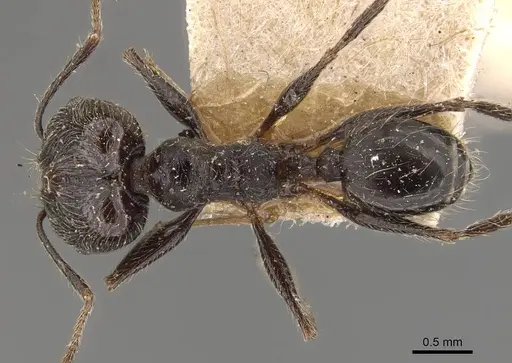
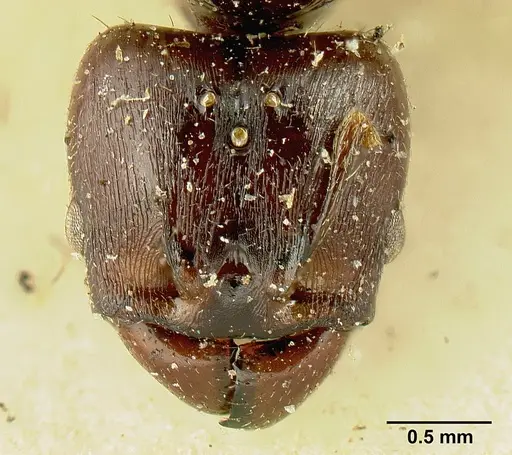
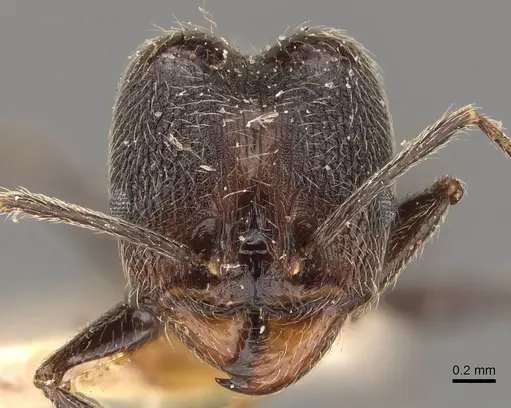
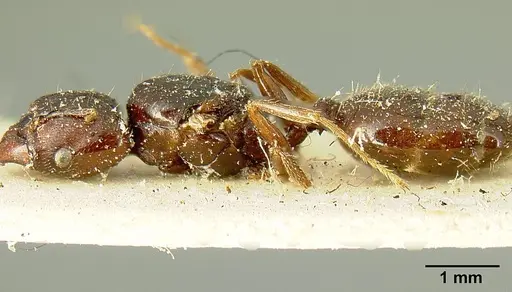
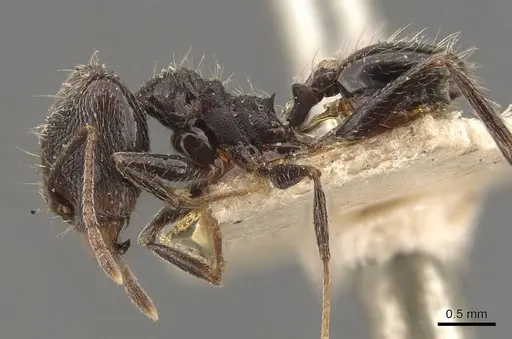
Pheidole stulta is a large yellow ant species native to the Neotropical region, found across Brazil, Costa Rica, and Panama. This species belongs to the tristis group and is known for its striking size difference between major and minor workers, majors can reach 7mm while minors stay around 4.7mm. The majors have a distinctive appearance with a very prominent, subangulate pronotal humerus and a light reddish-yellow coloration, while minors are a medium yellow. Colonies have been documented nesting in rotting logs within tropical forests and coffee plantations at elevations around 850m. This species shows the typical Pheidole caste polymorphism with distinct major and minor worker castes.
Quick Summary
- Difficulty: Medium
- Origin & Habitat: Neotropical region, Brazil (Bahia), Costa Rica, and Panama. Found in tropical forests and coffee plantations, nesting in rotting wood [1][2].
- Colony Type: Colony structure is unconfirmed. Pheidole species are typically single-queen colonies, though this has not been directly documented for stulta.
- Size & Growth:
- Queen: Unconfirmed, queen measurements not documented in available literature
- Worker: Major workers: 7mm (original description lists 6mm soldier) [3][4]. Minor workers: 4.7mm [4].
- Colony: Unknown, no colony size data available
- Growth: Unknown, no development timing data available
- Development: 6-10 weeks (estimated based on typical Pheidole genus patterns at tropical temperatures) (This is an estimate based on related Pheidole species. Direct development data for P. stulta is not available.)
- Antkeeping:
- Temperature: Keep at 24-28°C, this is a tropical species requiring warm conditions. A heating cable on one side of the nest can help maintain stable temperatures within this range.
- Humidity: Maintain moderate to high humidity, similar to their natural rotting wood habitat. Keep the nest substrate consistently moist but not waterlogged. Provide a water tube for drinking water.
- Diapause: No, as a tropical species, they do not require hibernation. Keep temperatures stable year-round.
- Nesting: In nature, they nest in rotting wood and decaying logs. In captivity, a wooden formicarium, Y-tong nest, or plaster nest with moisture chambers works well. The nest should retain some humidity while allowing for good ventilation.
- Behavior: Pheidole stulta shows typical Pheidole behavior with major workers serving as soldiers and foragers for larger food items, while minor workers handle brood care and smaller tasks. They are generalist foragers that will collect seeds, insects, and sugary substances. Escape prevention should be moderate, while not the smallest ants, they can still escape through small gaps, so standard barrier methods apply.
- Common Issues: tropical species may struggle if temperatures drop below 22°C, monitor closely in cooler climates, nesting in rotting wood means they prefer humid conditions, dry nests can cause colony decline, no documented colony size or development data makes precise care challenging, start with standard Pheidole protocols and adjust based on colony response, wild-caught colonies may carry parasites or pathogens that can cause issues in captivity
Housing and Nest Preferences
Pheidole stulta naturally nests in rotting wood and decaying logs in tropical forest environments. For captive care, wooden formicariums or Y-tong nests work well because they mimic their natural nesting sites. These nests should have moisture chambers or be made from materials that can hold some humidity without becoming waterlogged. Plaster nests with built-in water reservoirs are also suitable. The key is providing a humid environment that doesn't dry out quickly, as these ants come from consistently moist tropical habitats. Ensure the nest has adequate ventilation to prevent mold while maintaining humidity levels. [2][1]
Feeding and Diet
Like most Pheidole species, P. stulta is a generalist forager. In captivity, they readily accept protein sources such as small insects (fruit flies, pinhead crickets, mealworms), and they will collect seeds and grain. Sugar sources are also typically accepted, you can offer honey water, sugar water, or diluted maple syrup. Provide a varied diet to ensure proper nutrition for the colony. Major workers are better equipped to handle larger food items, while minors handle smaller prey. Feed protein sources 2-3 times per week and keep a constant sugar water supply available.
Temperature and Seasonal Care
As a tropical species from Brazil, Costa Rica, and Panama, Pheidole stulta requires warm temperatures to thrive. Maintain nest temperatures between 24-28°C (75-82°F). Temperatures below 22°C can slow colony development and may cause health issues. Use a heating cable or heating mat on one side of the nest to create a gentle temperature gradient, allowing the ants to self-regulate. Since they come from a tropical climate without seasonal temperature drops, no hibernation or diapause is required. Keep temperatures stable throughout the year to support continuous colony growth.
Colony Structure and Castes
Pheidole stulta displays the classic Pheidole polymorphism with distinct major and minor worker castes. Major workers can reach 7mm in length and are characterized by their very prominent, subangulate pronotal humerus and light reddish-yellow coloration. Minor workers are smaller at around 4.7mm and are medium yellow in color. The majors serve as soldiers and can handle larger food items, while minors handle brood care and most day-to-day tasks. The exact colony structure (single queen vs. multiple queens) has not been documented for this species, but most Pheidole are monogyne (single-queen colonies). [3][4][2]
Water and Humidity Management
Provide a constant water source such as a test tube with a cotton plug or a small water dish. Change the water regularly to prevent bacterial growth. For humidity, mist the nest area periodically or use a water reservoir in plaster nests. The substrate or nest material should feel consistently moist but never waterlogged. In wooden nests, you may need to mist more frequently. Monitor for condensation, some condensation is good (indicating proper humidity), but excessive moisture can lead to mold problems. Allow the nest to dry slightly between waterings to prevent stagnation.
Frequently Asked Questions
How long does it take for Pheidole stulta to produce first workers?
Exact development time is unknown for this species. Based on typical Pheidole genus patterns at tropical temperatures (24-28°C), expect approximately 6-10 weeks from egg to first worker. This is an estimate since no specific development data exists for P. stulta.
What do Pheidole stulta ants eat?
They are generalist foragers. Offer small insects (fruit flies, pinhead crickets, mealworms) as protein sources 2-3 times per week. They also accept seeds and grains, and will readily take sugar water, honey water, or maple syrup. Provide a varied diet for optimal colony health.
Do Pheidole stulta ants need hibernation?
No, they do not require hibernation. As a tropical species from Brazil, Costa Rica, and Panama, they need year-round warm temperatures (24-28°C). Do not expose them to cold temperatures or simulate winter conditions.
Are Pheidole stulta good for beginners?
They are rated as Medium difficulty. While not the easiest species, they are generally hardy once established. The main challenges are maintaining proper tropical temperatures and humidity. If you have experience with other Pheidole species or tropical ants, this species should be manageable.
How big do Pheidole stulta colonies get?
Exact maximum colony size is unknown, no colony size data has been documented for this species. Based on typical Pheidole patterns, colonies likely reach several hundred to a few thousand workers over time. They have distinct major and minor castes.
Can I keep multiple Pheidole stulta queens together?
The colony structure is unconfirmed for this species. Most Pheidole are monogyne (single-queen), but some can be polygynous. Without specific data on P. stulta, it is not recommended to combine unrelated queens. Start with a single queen colony for best results.
What temperature is best for Pheidole stulta?
Keep nest temperatures between 24-28°C (75-82°F). This is a tropical species that requires warm conditions. Use a heating cable on one side of the nest to maintain stable temperatures within this range. Temperatures below 22°C can be harmful.
Where is Pheidole stulta found in the wild?
They are native to the Neotropical region, specifically Brazil (Bahia), Costa Rica, and Panama. They inhabit tropical forests and coffee plantations at elevations around 850m, typically nesting in rotting wood and decaying logs.
References

This caresheet is licensed under CC BY-SA 4.0 .
CASENT0901566
View on AntWeb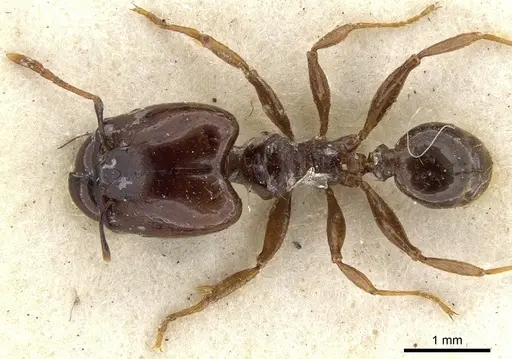
CASENT0904394
View on AntWeb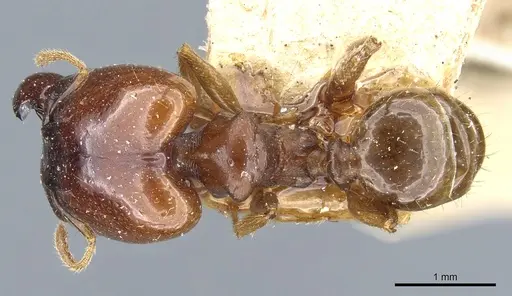
CASENT0904395
View on AntWeb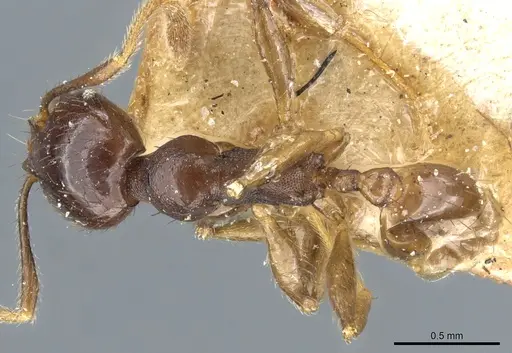
CBUMAGENT42044
View on AntWeb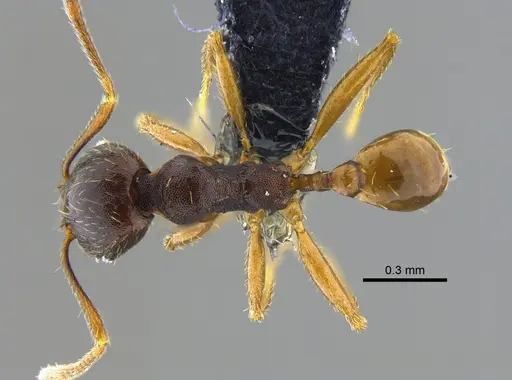
JTLC000014070
View on AntWeb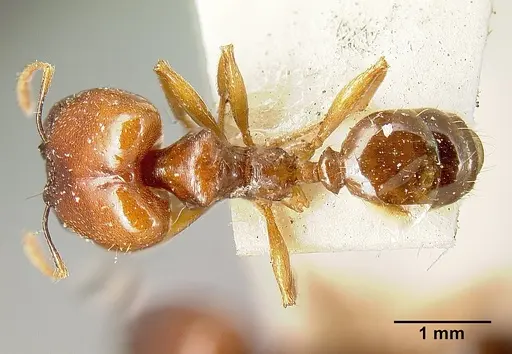
JTLC000014071
View on AntWeb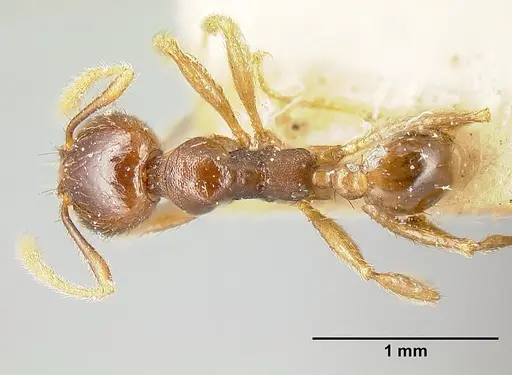
JTLC000015336
View on AntWeb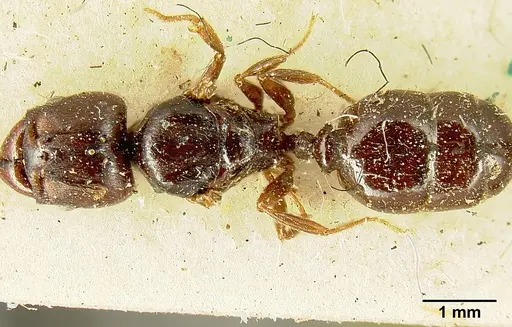
Literature
Loading...Loading products...