

Pheidole strator
- Scientific Name
- Pheidole strator
- Tribe
- Attini
- Subfamily
- Myrmicinae
- Author
- Forel, 1910
- Common Name
- Lowveld House ant
- Distribution
- Found in 4 countries
Pheidole strator Overview
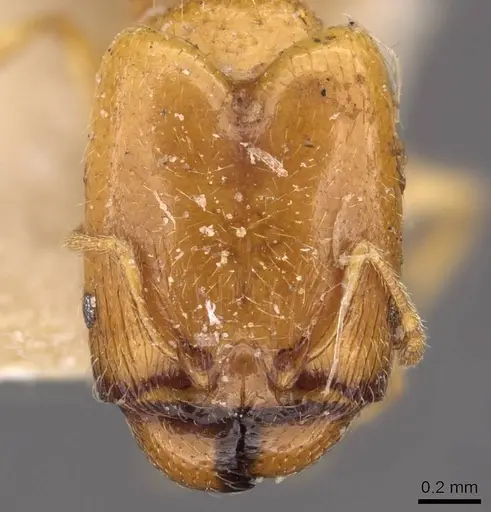
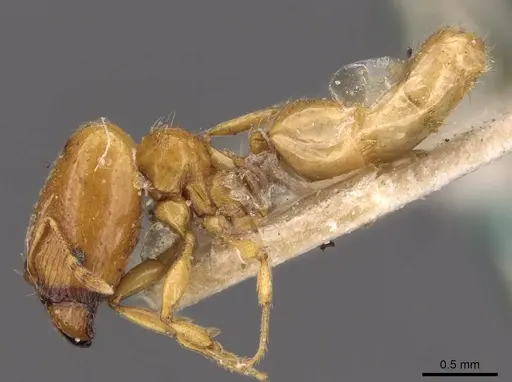
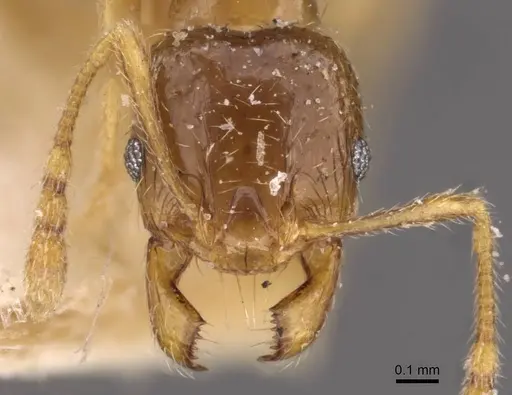
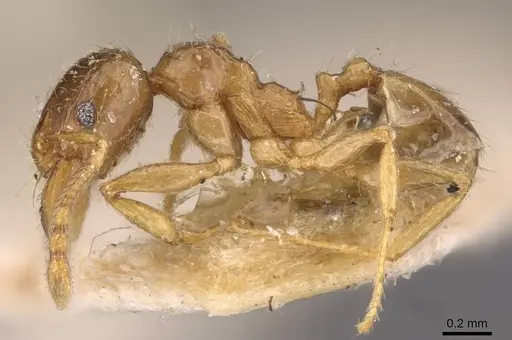
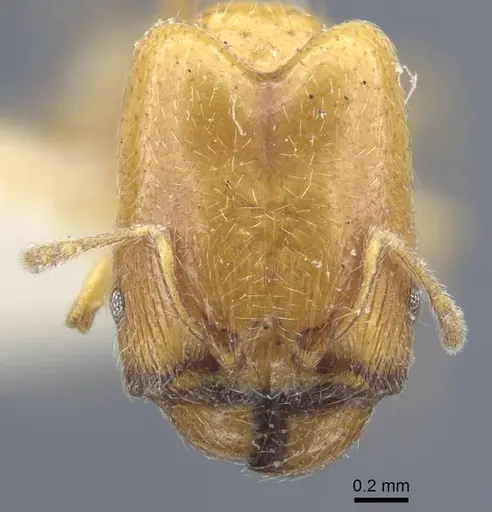
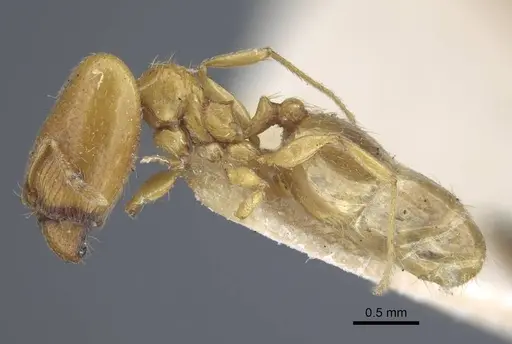
Pheidole strator (commonly known as the Lowveld House ant) is an ant species of the genus Pheidole. It is primarily documented in 4 countries , including Eritrea, Malawi, Mozambique. Detailed taxonomic data and occurrence records can be further explored via authoritative databases such as AntWeb or the Global Biodiversity Information Facility (GBIF).
Pheidole strator - "Lowveld House ant"
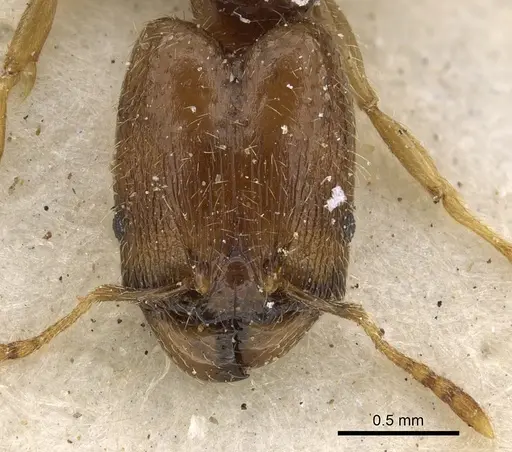
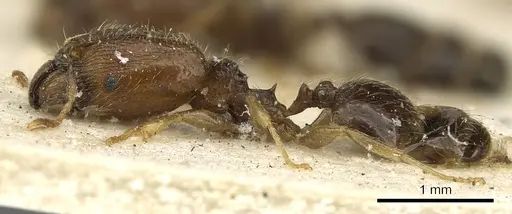
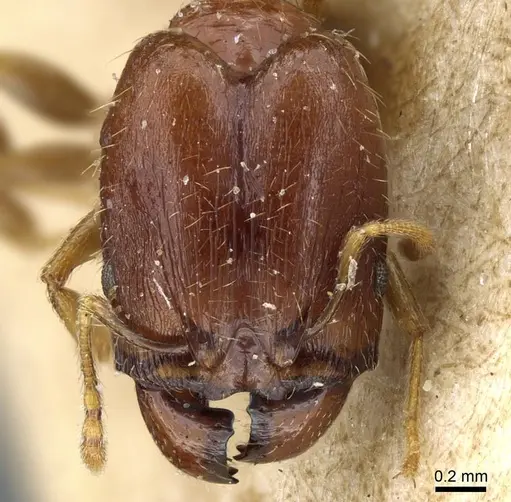
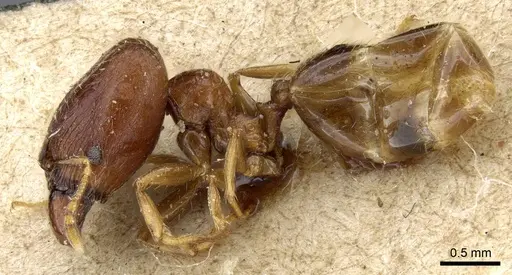
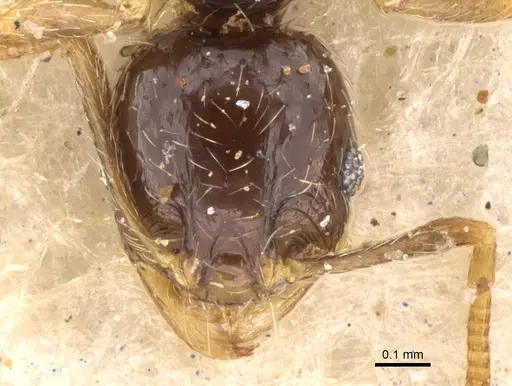
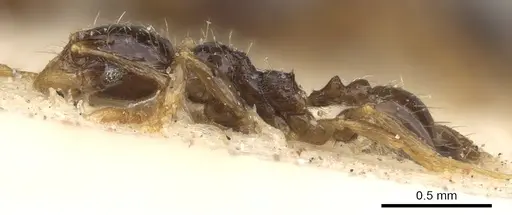
Pheidole strator is a small ant species native to East Africa, found across Eritrea, Ethiopia, and Kenya [1]. Like all Pheidole species, they are dimorphic, colonies produce two worker castes: smaller minor workers and larger major workers (soldiers) with distinctive enlarged heads used for seed-processing and colony defense. This species measures around 3-4mm for minor workers, with majors significantly larger. The species was first described by Forel in 1910 from Ethiopia, and two subspecies have been recognized: P. strator fugax and P. strator tabida [1]. In Kenya, specimens have been collected at elevations around 1520m, suggesting this species prefers cooler highland habitats [2].
Quick Summary
- Difficulty: Easy
- Origin & Habitat: East Africa, found in Eritrea, Ethiopia, and Kenya [1]. Based on collection data, they inhabit highland areas around 1500m elevation, suggesting preference for cooler, more temperate climates within the tropical region [2].
- Colony Type: Monogyne (single queen colonies), this is typical for most Pheidole species. Colonies likely establish with one founding queen who seals herself in to raise the first brood.
- Colony: Monogyne
- Founding: Claustral
- Size & Growth:
- Queen: Estimated 6-8mm based on genus typical sizes
- Worker: Minor workers: 3-4mm, Major workers: 4-6mm
- Colony: Likely several hundred to a few thousand workers based on typical Pheidole colony sizes
- Growth: Moderate, Pheidole colonies typically grow steadily but not explosively
- Development: Estimated 6-8 weeks based on typical Pheidole development (Development time is typical for temperate-adapted ants, highland origin suggests moderate temperatures are ideal)
- Antkeeping:
- Temperature: Keep around 20-24°C. Based on their highland East African origin (1500m elevation), they likely prefer cooler conditions than typical tropical ants. Avoid overheating.
- Humidity: Moderate humidity around 50-60%. Provide a moisture gradient so ants can choose their preferred zone.
- Diapause: Yes, likely requires a winter rest period of 2-3 months at cooler temperatures (15-18°C) given their highland origin
- Nesting: Pheidole typically nest in soil with shallow to moderate depth chambers. In captivity, test tubes work well for founding, and plaster or Y-tong nests suit established colonies. They prefer compact chambers over expansive spaces.
- Behavior: Pheidole strator is generally peaceful and not aggressive toward keepers. Major workers (soldiers) defend the colony but their sting is mild. They are primarily granivorous, collecting seeds, but also supplement their diet with small insects. Foraging occurs primarily at night or during cooler hours. Escape risk is moderate, standard barriers work well for their size.
- Common Issues: colonies may grow slowly initially, which can frustrate beginners who overfeed and cause mold problems, major workers can escape through standard test tube cotton if gaps are too large, use proper escape prevention, highland origin means they are sensitive to overheating, keep away from direct heat sources, wild-caught colonies may carry parasites that can devastate captive colonies
Nest Preferences and Housing
Pheidole strator can be housed in standard ant-keeping setups. For founding colonies, a simple test tube setup with a water reservoir works well, the queen will seal herself in a chamber and raise her first brood there. Once the colony reaches 20-30 workers, you can move them to a proper formicarium. Plaster nests or Y-tong (acrylic) nests work well for Pheidole species. They prefer chambers that are somewhat compact rather than large and open. Provide a moisture gradient by keeping one side of the nest slightly damp and the other drier, allowing ants to self-regulate their humidity needs. An outworld area for foraging should be connected to the nest but can be relatively simple.
Feeding and Diet
Pheidole strator is primarily granivorous, meaning they collect and eat seeds. In captivity, offer a variety of seeds, millet, chia, flax, and small bird seed mixes are readily accepted. They also need protein from insect sources. Offer small insects like fruit flies, small crickets, or mealworm pieces once or twice a week. Sugar water or honey can be offered occasionally, though Pheidole species are less dependent on sugar than some ants. Major workers use their enlarged heads to crack and process seeds for the colony. Remove uneaten seeds periodically to prevent mold. A varied diet leads to healthier, faster-growing colonies.
Temperature and Seasonal Care
Given their origin in highland East Africa (collected at 1520m elevation), Pheidole strator prefers cooler temperatures than typical tropical ants. Keep the nest around 20-24°C. They can tolerate brief periods slightly outside this range but prolonged overheating is dangerous. A heating cable on one side of the nest can create a temperature gradient, but monitor carefully to avoid hot spots. During winter, expect reduced activity. Based on their highland origin, they likely benefit from a diapause period, reduce temperatures to 15-18°C for 2-3 months during winter months. This rest period supports colony health and may trigger reproductive behavior in spring. [2]
Behavior and Colony Dynamics
Pheidole strator colonies are dimorphic, meaning they produce two distinct worker castes: minor workers handle most tasks including foraging, nursing, and brood care, while major workers (soldiers) specialize in seed processing, colony defense, and food storage. This division of labor makes colonies efficient. Majors are not produced in large numbers, they typically make up 10-20% of the worker population. The colony will grow from a few workers (nanitics, which are smaller than normal workers) to a larger force over several months. Foraging activity is often crepuscular or nocturnal. Queens are long-lived and can survive for many years, continuously producing eggs.
Growth and Development Timeline
After the claustral queen seals herself in, she lays eggs within 1-2 weeks. These eggs develop through larval and pupal stages over approximately 6-8 weeks at optimal temperature (around 22°C), hatching into the first workers (nanitics). These initial workers are typically smaller than normal workers but begin foraging immediately to support the growing colony. The colony growth rate is moderate, expect significant growth in the first year but full maturity (several hundred workers) may take 2-3 years. Once the colony reaches around 50 workers, major soldiers begin appearing. Growth can be accelerated by maintaining optimal temperature and providing abundant, varied food.
Frequently Asked Questions
How long does it take for Pheidole strator to produce first workers?
Expect first workers (nanitics) to emerge around 6-8 weeks after the queen lays her eggs, assuming temperatures around 22°C. This timeline is typical for Pheidole species and depends on keeping conditions within the optimal range.
What do Pheidole strator ants eat?
They are primarily granivorous, offer various small seeds like millet, chia, or bird seed. They also need protein from small insects (fruit flies, small crickets, mealworm pieces) offered 1-2 times weekly. Sugar water or honey can be offered occasionally.
Can I keep multiple Pheidole strator queens together?
No. Pheidole strator is monogyne, colonies function with a single queen. Combining unrelated queens will result in fighting. Only introduce a queen to an established colony if you want to attempt pleometrosis (multi-queen founding), but success is rare and fighting is common.
What temperature is best for Pheidole strator?
Keep nest temperatures around 20-24°C. Their highland East African origin means they prefer cooler conditions than typical tropical ants. Avoid overheating and provide a temperature gradient so ants can choose their preferred zone.
Do Pheidole strator ants need hibernation?
Yes, likely a 2-3 month winter rest period at 15-18°C. Their origin in highland East Africa suggests they are adapted to seasonal temperature changes. Reduce feeding during this period and expect reduced activity.
Are Pheidole strator good for beginners?
Yes, they are considered easy to keep. They are not aggressive, have simple housing needs, and are forgiving of minor care mistakes. Their main requirements are avoiding overheating and providing appropriate seed-based nutrition.
When should I move Pheidole strator to a formicarium?
Keep them in a test tube setup for the founding stage (until you have 30-50 workers). Once the colony reaches this size and the test tube becomes crowded, you can transfer them to a proper formicarium like a plaster nest or Y-tong setup.
How big do Pheidole strator colonies get?
Colonies typically reach several hundred to a few thousand workers over 2-3 years. The presence of major workers (soldiers) becomes noticeable once the colony reaches around 50 workers.
Why are my Pheidole strator workers dying?
Common causes include: overheating (keep below 24°C), mold from overfeeding or poor ventilation, parasites from wild-caught colonies, or incorrect humidity. Review your temperature, feeding amounts, and nest conditions. A few workers dying is normal, but mass deaths indicate a problem.
References

This caresheet is licensed under CC BY-SA 4.0 .
CASENT0901296
View on AntWeb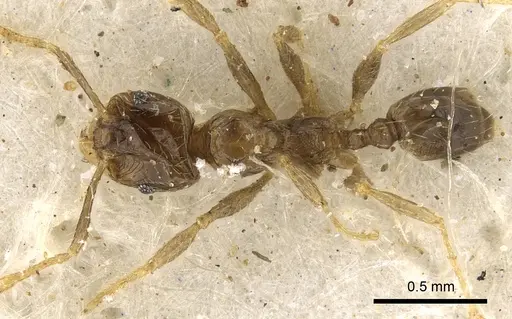
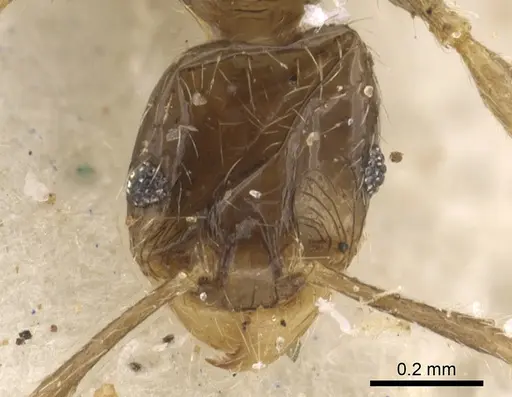
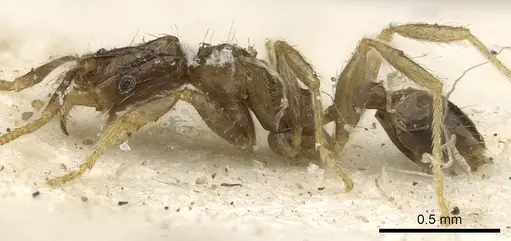
CASENT0901297
View on AntWeb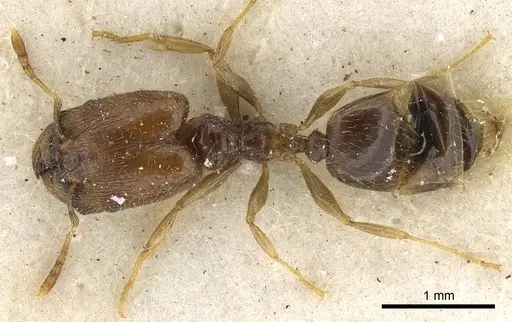
CASENT0905861
View on AntWeb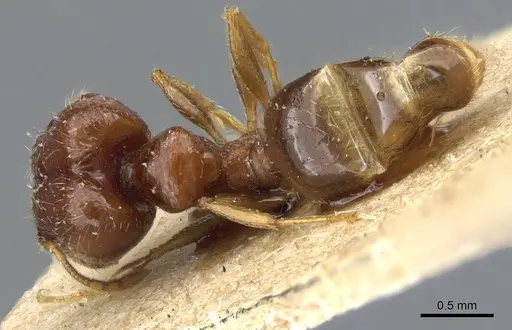
CASENT0906528
View on AntWeb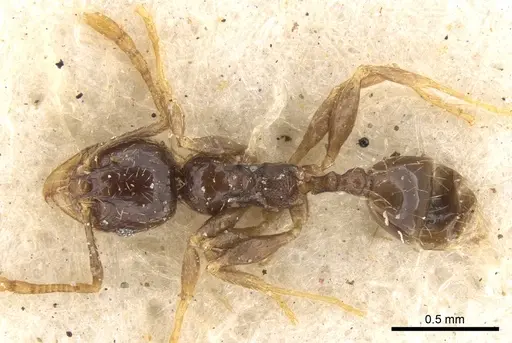
CASENT0907851
View on AntWeb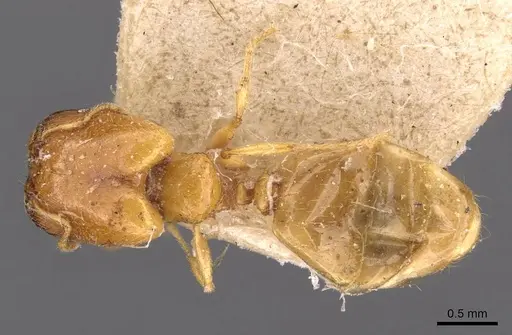
CASENT0907852
View on AntWeb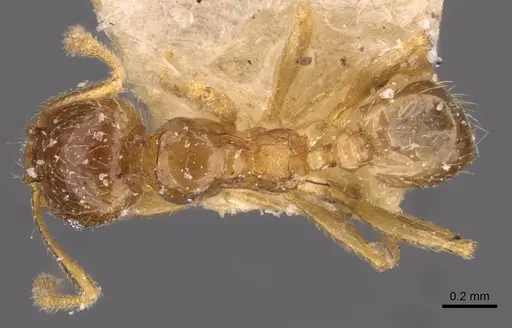
CASENT0916962
View on AntWeb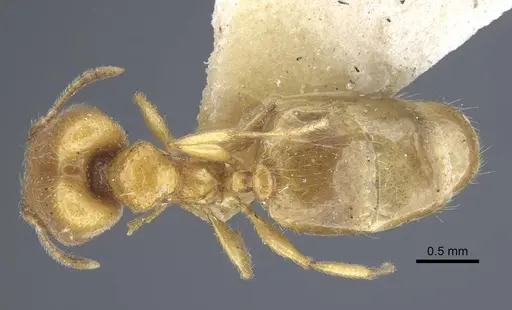
Literature
Loading...Loading products...