

Pheidole stigma
- Scientific Name
- Pheidole stigma
- Tribe
- Attini
- Subfamily
- Myrmicinae
- Author
- Wilson, 2003
- Distribution
- Found in 2 countries
Pheidole stigma Overview
Pheidole stigma is an ant species of the genus Pheidole. It is primarily documented in 2 countries , including Brazil, Ecuador. Detailed taxonomic data and occurrence records can be further explored via authoritative databases such as AntWeb or the Global Biodiversity Information Facility (GBIF).
Pheidole stigma
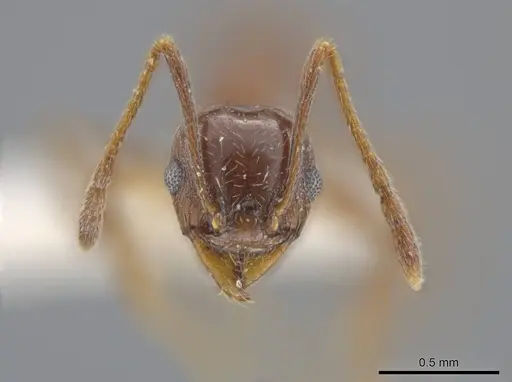
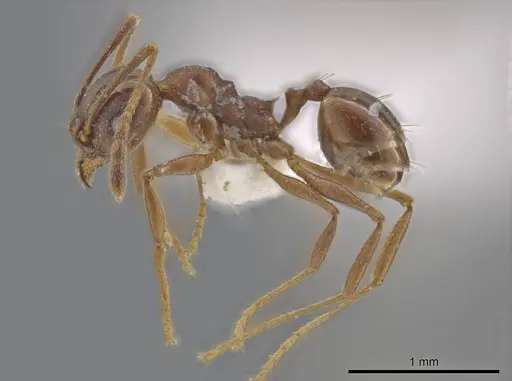
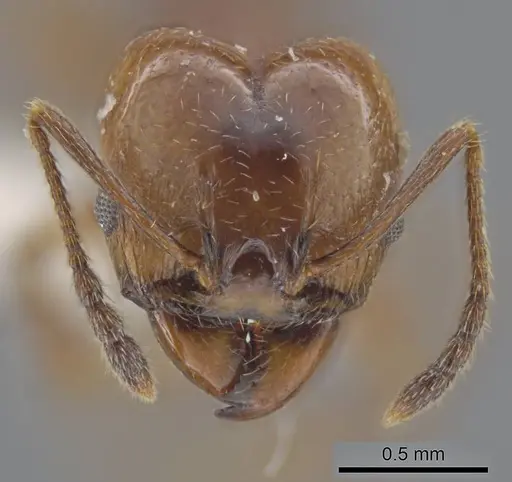
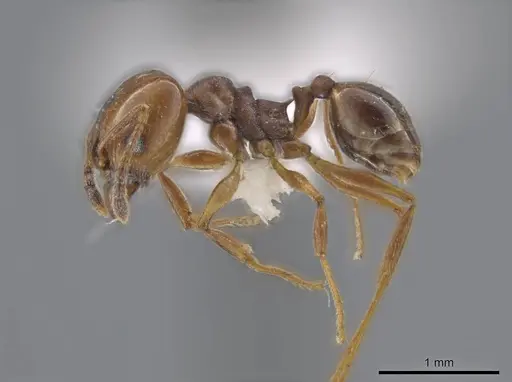
Pheidole stigma is a small Neotropical ant species belonging to the Myrmicinae subfamily and the diligens group. Major workers measure approximately 0.60mm in head width, while minor workers are around 1.00mm. The species is characterized by a light reddish-brown coloration in majors with a medium brown spot on the vertex, and the minors have a medium reddish-brown body with yellow tarsi. The type colony was discovered beneath a rock in a pasture at 1800m elevation near Riobamba, Ecuador. This species is known only from Ecuador and Brazil, making it a relatively rare ant in the hobby.
Quick Summary
- Difficulty: Unknown, limited data available
- Origin & Habitat: Neotropical region, Ecuador (Baños, near Riobamba,1800m elevation) and Brazil. Found beneath rocks in pastures and in forest litter[1].
- Colony Type: Unconfirmed, colony structure has not been documented in scientific literature
- Size & Growth:
- Queen: Undocumented, no queen measurements available
- Worker: Major: 0.60mm HW, Minor: 1.00mm HW
- Colony: Unknown, no colony size data available
- Growth: Unknown
- Development: Unknown, no development data available for this species. Based on typical Pheidole patterns, expect 4-8 weeks at warm temperatures, but this is an estimate. (Development timeline is unconfirmed. Related Pheidole species typically develop from egg to worker in 4-8 weeks at tropical temperatures.)
- Antkeeping:
- Temperature: Likely 22-28°C based on Neotropical origin and elevation (1800m). Start in the mid-70s°F (around 24°C) and observe colony activity.
- Humidity: Likely moderate to high humidity based on pasture and litter habitat. Keep substrate slightly moist but not waterlogged.
- Diapause: Unknown, Neotropical species from moderate elevation may not require strong diapause, but may slow down in cooler months.
- Nesting: Natural nesting: beneath rocks in pasture, and in forest litter. In captivity, a test tube setup or small acrylic nest with moist substrate would be appropriate. Provide narrow chambers scaled to their small size.
- Behavior: Behavior is unstudied. Pheidole species are generally non-aggressive toward keepers but will defend their nest. Major workers have enlarged heads for seed-crushing and defense. Escape prevention is important due to their small size, use fine mesh barriers. They are likely primarily seed-harvesters with some predatory behavior, typical of the genus.
- Common Issues: limited data makes care recommendations uncertain, proceed with caution, small size requires excellent escape prevention, colony structure unconfirmed, unknown if single or multi-queen, development timeline unknown, difficult to track progress, wild-caught colonies may have parasites given limited documentation
Species Identification and Taxonomy
Pheidole stigma belongs to the diligens group within the genus Pheidole. The species was described by E.O. Wilson in 2003 based on specimens collected from Ecuador. Majors are distinguished by very sparse pilosity (hair), with a light reddish-brown head featuring a medium brown spot on the vertex. The carinulae (ridge-like structures) are limited to the anterior half of the head, while the mesosoma and waist are foveolate (pitted) and opaque. Minor workers have a medium reddish-brown body with yellow tarsi and lack hair on the mesosoma. The species name 'stigma' means 'mark' or 'spot', referring to the distinctive dark spot on the major's head.
Natural Distribution and Habitat
Pheidole stigma is known only from the Neotropical region, specifically Ecuador and Brazil. The type locality is Baños, near Riobamba, at an elevation of approximately 1800 meters. The type colony was found beneath a rock in a pasture, suggesting it prefers open or semi-open habitats. Additional records from Brazil indicate presence in forest litter, particularly in Amazonian forest regions. This elevation and habitat preference suggests the species can tolerate cooler temperatures than typical lowland tropical ants. [1]
Nest Preferences
In the wild, Pheidole stigma nests beneath rocks in pastureland and in forest litter. This suggests they prefer humid, sheltered microhabitats with some soil access. For captive care, a test tube setup works well for founding colonies, providing a constant water reservoir. As the colony grows, a small acrylic nest or naturalistic setup with moist substrate would be appropriate. The small size of both majors and minors means chambers should be scaled accordingly, avoid large, open spaces.
Feeding and Diet
As a Pheidole species, P. stigma is likely a seed-harvester with omnivorous tendencies, typical of the genus. They probably collect seeds and small insects in the wild. In captivity, offer a mix of seeds (millet, chia, small flower seeds), protein sources (small insects like fruit flies, pinhead crickets, mealworms), and occasional sugar water or honey. Pheidole majors have enlarged heads adapted for seed-crushing, so including seeds in the diet is important. Feed protein 2-3 times per week and ensure constant access to sugar sources once workers are established.
Temperature and Care
Given the type locality at 1800m elevation in Ecuador, this species likely prefers moderate temperatures rather than extreme heat. Aim for roughly 22-26°C (72-79°F). This is cooler than typical lowland tropical ants but warmer than temperate species. A heating cable on one side of the nest can create a temperature gradient, allowing the ants to self-regulate. Monitor colony activity, if workers cluster near the heat source, increase temperature slightly, if they avoid it, reduce heat. Avoid temperatures above 30°C given their moderate elevation origin.
Behavior and Temperament
Pheidole species are generally not aggressive toward keepers but will defend their nest if threatened. Major workers serve as soldiers and foragers, using their enlarged heads for defense and seed-crushing. Minor workers handle most foraging, brood care, and colony maintenance. Due to their small size, escape prevention is critical, use tight-fitting lids and fine mesh on any outworld connections. The species is likely primarily nocturnal or crepuscular in activity, though this is not confirmed for P. stigma specifically.
Frequently Asked Questions
How long does it take for Pheidole stigma to produce first workers?
The egg-to-worker timeline is unconfirmed for this species. Based on typical Pheidole development patterns, expect 4-8 weeks at warm temperatures (around 24-26°C), but this is an estimate. The actual timeline may vary significantly.
Can I keep Pheidole stigma in a test tube?
Yes, a test tube setup is appropriate for founding colonies. Provide a water reservoir and keep the tube in a warm, dark location. Once the colony reaches 20-30 workers, consider moving to a small formicarium or naturalistic setup.
What do Pheidole stigma ants eat?
Like other Pheidole species, they likely eat seeds, small insects, and sugar sources. Offer a mix of small seeds, protein (fruit flies, small crickets), and sugar water or honey. Seeds are important for the major workers who can crush them with their enlarged heads.
Are Pheidole stigma ants good for beginners?
This species is not recommended for beginners due to the limited available care information. The lack of documented colony structure, development timeline, and specific care requirements makes it challenging. Consider starting with better-documented Pheidole species like P. pallidula or P. navigans.
What temperature should I keep Pheidole stigma at?
Based on their elevation origin (1800m in Ecuador), keep them at moderate temperatures around 22-26°C. Avoid extreme heat, they likely prefer cooler conditions than typical lowland tropical ants.
How big do Pheidole stigma colonies get?
Colony size is undocumented for this species. Most Pheidole colonies reach several hundred to a few thousand workers. Expect moderate colony growth based on typical genus patterns.
Do Pheidole stigma queens need hibernation?
Diapause requirements are unknown for this species. As a Neotropical ant from moderate elevation, they may not require a true hibernation but might slow down during cooler months. Monitor colony activity and adjust feeding accordingly.
Can I keep multiple Pheidole stigma queens together?
Colony structure (monogyne vs polygyne) is unconfirmed for this species. Combining unrelated queens is not recommended given the lack of documentation. Most Pheidole species are single-queen colonies.
Why is my Pheidole stigma colony not growing?
Without specific data, common issues include: temperature too low or too high, improper humidity, insufficient protein, or stress from disturbance. Review basic Pheidole care parameters and ensure the queen is still laying eggs. Consider that development may simply be slow for this species.
References

This caresheet is licensed under CC BY-SA 4.0 .
CASENT0636799
View on AntWeb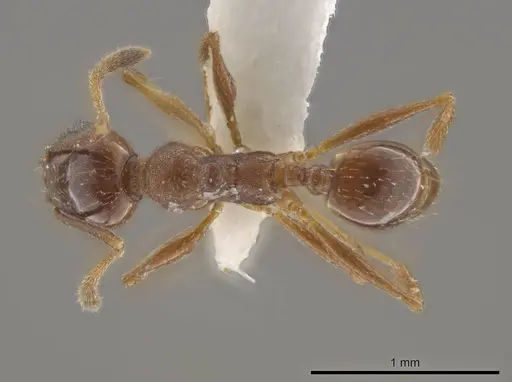
JTLC000016538
View on AntWeb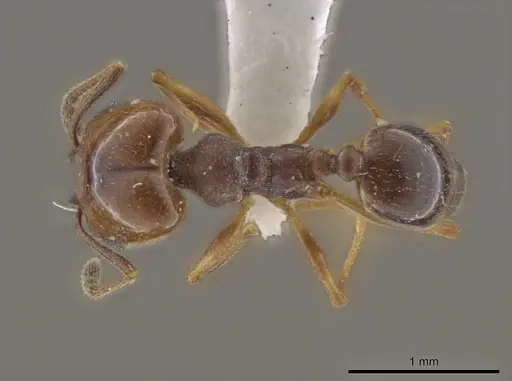
Literature
Loading...Loading products...