

Pheidole steinheili
- Scientific Name
- Pheidole steinheili
- Tribe
- Attini
- Subfamily
- Myrmicinae
- Author
- Forel, 1901
- Distribution
- Found in 1 countries
Pheidole steinheili Overview
Pheidole steinheili is an ant species of the genus Pheidole. It is primarily documented in 1 countries , including Colombia. Detailed taxonomic data and occurrence records can be further explored via authoritative databases such as AntWeb or the Global Biodiversity Information Facility (GBIF).
Pheidole steinheili
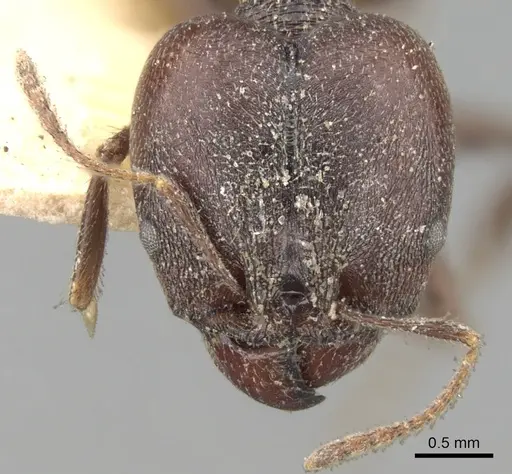
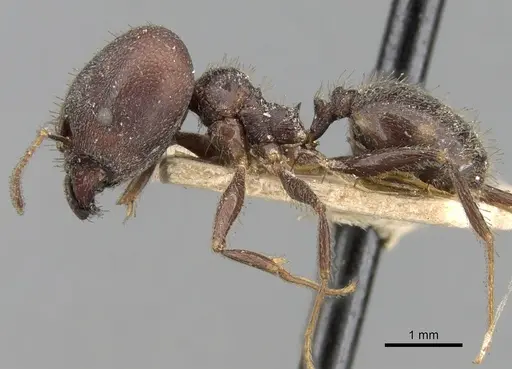
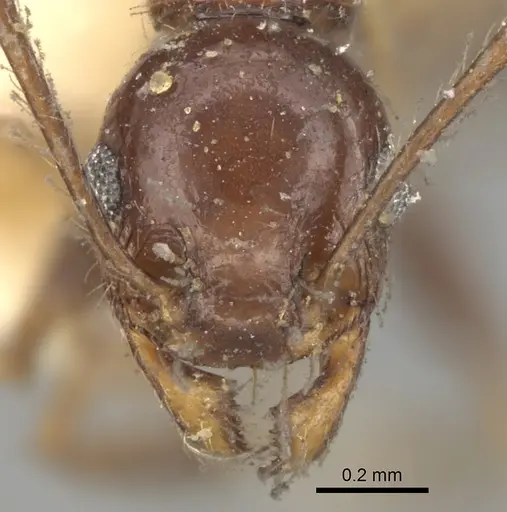
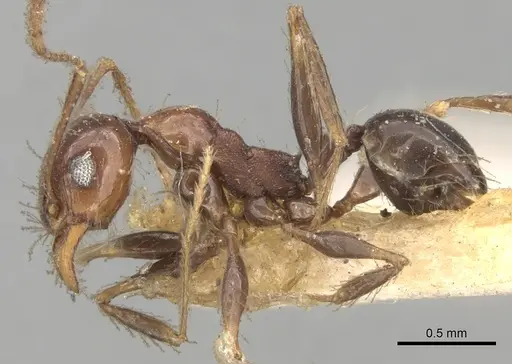
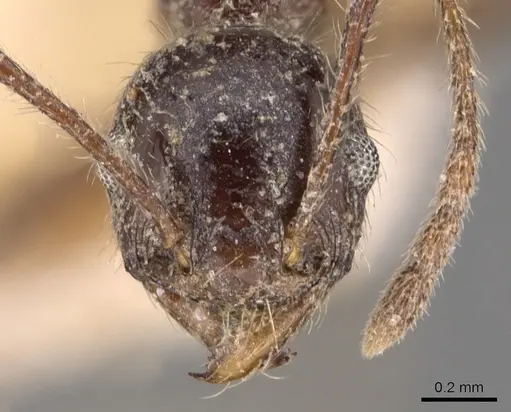
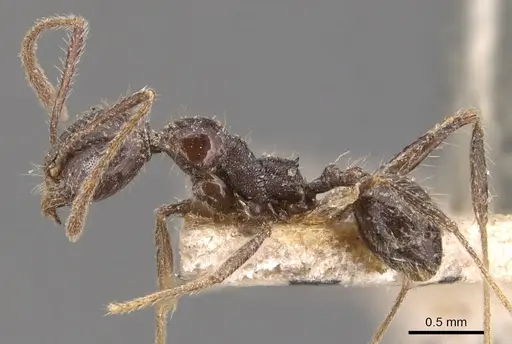
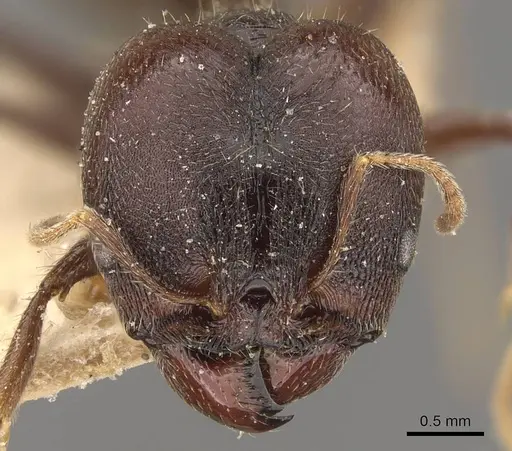
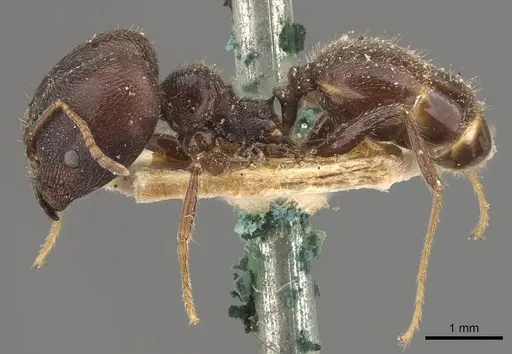
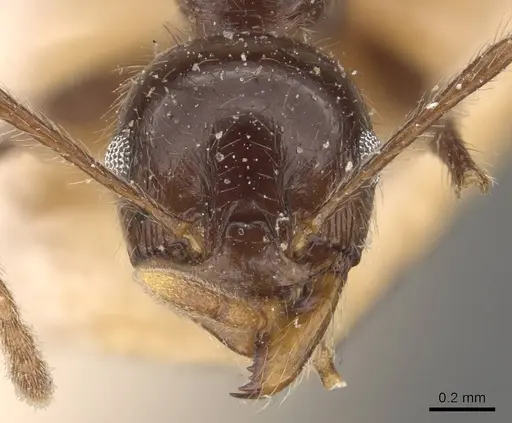
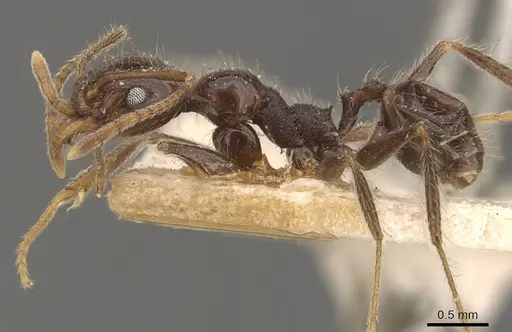
Pheidole steinheili is a large, distinctive ant species native to northern Colombia, belonging to the tristis group. Major workers (soldiers) have an impressive large head measuring 2.16-2.22mm with a roughly circular shape and very short antennae that barely reach past their eyes. Minor workers are much smaller at 0.74-0.79mm, with long antennae that extend well beyond their head. The species shows color variation, majors are medium to dark reddish brown while minors are typically light brown, though some colonies contain entirely dark brown individuals [1][2].
This species nests in loose soil at forest edges near rivers, building colonies covered by multiple crater-like nest entrances. They are epigeous (ground-foraging) ants, with soldiers responding quickly when the nest is disturbed, a defensive behavior common in Pheidole. The species is only known from the La Guajira, Magdalena, and Atlántico regions of Colombia, making it a relatively rare and geographically limited species in the antkeeping hobby [3][2].
Quick Summary
- Difficulty: Medium
- Origin & Habitat: Northern Colombia (La Guajira, Magdalena, Atlántico departments). Found at forest edges near rivers in loose soil with multiple crater-style nest entrances [3][2].
- Colony Type: Colony structure is unconfirmed for this specific species. Pheidole genus typically forms single-queen colonies, but this has not been documented for P. steinheili. Colonies can become populous with multiple craters [1][4].
- Size & Growth:
- Queen: Unconfirmed, no queen measurements documented
- Worker: Minor workers: 0.74-0.79mm. Major workers: 2.16-2.22mm [1][2].
- Colony: Colonies are populous, the type colony was very populous with multiple crater openings [4].
- Growth: Unknown, no development data exists for this species
- Development: Unconfirmed, no direct development data exists. Based on typical Pheidole patterns, expect 6-10 weeks at tropical temperatures. (Development timeline has not been studied. Related tropical Pheidole species typically develop in 6-8 weeks at warm temperatures.)
- Antkeeping:
- Temperature: Keep at 24-28°C. As a lowland tropical species from Colombia, they prefer warm conditions. A heating cable on one side of the nest creates a suitable gradient.
- Humidity: Moderate to high, they nest near rivers in forest edge habitats. Keep the nest substrate consistently moist but not waterlogged. Provide a water tube for drinking access.
- Diapause: No, as a tropical species from northern Colombia, they do not require hibernation. Keep temperatures stable year-round.
- Nesting: Use a nest with moist substrate, loose soil or a plaster/acrylic nest with chambers scaled to their size. They prefer nesting in soil rather than dry nests. A Y-tong or test tube setup with damp cotton works well for founding colonies.
- Behavior: This species has defensive soldiers that respond quickly to nest disturbance. Majors are significantly larger than minors and serve as defenders. Workers are ground-foraging and will scavenge for seeds, insects, and honeydew. They are not aggressive toward keepers but will defend their nest vigorously. Escape risk is moderate, major workers are large enough to be contained with standard barriers, but use fluon on edges as precaution [2].
- Common Issues: tropical species needs warm temperatures year-round, cold kills them, colonies may be difficult to establish from queen, founding behavior unconfirmed, soldier production may be slow, expect mostly minor workers initially, wild-caught colonies may have parasites that cause colony collapse in captivity, ground-nesting species needs moist substrate, too dry causes founding failure
Nest Preferences and Housing
Pheidole steinheili naturally nests in loose soil at forest edges near rivers in northern Colombia. In captivity, they do well in nests that retain moisture, a test tube setup works for founding colonies, while plaster or acrylic nests with damp substrate suit established colonies. The key is providing consistently moist (but not waterlogged) nesting material. They build multiple entrance craters in the wild, so don't be alarmed if workers pile substrate near their nest entrance, this is normal behavior. Avoid completely dry nests or they will abandon them. A Y-tong nest with narrow chambers works well once the colony reaches 20-30 workers. [2][4]
Feeding and Diet
Like most Pheidole species, these ants are generalist feeders that accept a variety of foods. Offer protein sources like small insects (fruit flies, small crickets, mealworms) and seeds. They will also consume sugar water or honey as an energy source. In the wild, they forage on soil surfaces for seeds, insects, and honeydew from aphids. Feed them small prey items twice weekly and keep a constant sugar water supply. Remove uneaten prey after 24-48 hours to prevent mold. Soldiers will join workers at food sources and help process larger prey. [4]
Temperature and Seasonal Care
As a tropical species from northern Colombia, Pheidole steinheili requires warm temperatures year-round. Keep the nest area between 24-28°C. They come from a warm, relatively stable climate and do not tolerate cold. A small heating cable placed on part of the nest can maintain temperatures, but avoid overheating, if workers avoid the heated area, reduce temperature. No hibernation or diapause is required. Room temperature in heated homes (around 22-24°C) is acceptable, but monitor with a thermometer. Cold stress is one of the most common causes of colony failure with tropical species. [2]
Behavior and Defense
This species has distinct soldier castes that respond quickly to nest disturbance, when you poke a nest, soldiers will rapidly emerge to defend. This defensive behavior makes them interesting to watch but means you should avoid excessive disturbance during founding. Majors (soldiers) are significantly larger than minor workers and serve as colony defenders. They are not aggressive toward humans and rarely sting, but will bite if directly handled. Workers are ground-foraging and will readily explore their outworld for food. The colony structure shows clear division of labor between majors and minors. [2]
Colony Establishment
Establishing a colony from a wild-caught queen is the most common approach. Since founding behavior is unconfirmed, assume claustral founding, the queen seals herself in a chamber and raises the first brood alone on stored body fat. Provide a quiet, dark location during founding and do not disturb the queen for 4-6 weeks. Once workers emerge (nanitics), you can connect the test tube to an outworld. Wild-caught colonies may carry parasites that cause collapse in captivity, quarantine and observe new colonies carefully. Colonies can become populous over time with multiple crater-style entrances. [4]
Frequently Asked Questions
How long does it take for Pheidole steinheili to produce first workers?
The exact development timeline is unconfirmed for this species. Based on typical Pheidole patterns, expect first workers (nanitics) to emerge 6-10 weeks after the queen lays eggs, assuming temperatures around 26°C. Be patient, founding colonies can take time.
What do Pheidole steinheili ants eat?
They are generalist feeders. Offer small insects (fruit flies, pinhead crickets, mealworms), seeds, and a constant sugar source (honey or sugar water). Remove uneaten prey after 24 hours to prevent mold.
What temperature do Pheidole steinheili need?
Keep them warm at 24-28°C. As a tropical Colombian species, they do not tolerate cold. A small heating cable on part of the nest helps maintain warmth, but ensure they can move to cooler areas if needed.
Are Pheidole steinheili good for beginners?
They are rated as Medium difficulty. The main challenges are maintaining warm temperatures year-round and the fact that founding behavior is not well-documented. Experienced antkeepers who can provide tropical conditions will have the best success.
How big do Pheidole steinheili colonies get?
Colonies can become populous, the type colony was described as very populous with multiple crater openings. Expect hundreds of workers over time, but exact maximum size is unconfirmed.
Do they need hibernation?
No. As a tropical species from northern Colombia, they do not require hibernation. Keep temperatures stable year-round and avoid cold exposure.
What type of nest should I use?
They prefer moist substrate nests. A test tube with damp cotton works for founding. For established colonies, a Y-tong or plaster nest with chambers that retain moisture is ideal. Avoid completely dry nests.
Can I keep multiple queens together?
Not recommended. The colony structure is unconfirmed for this species, and combining unrelated queens has not been documented. Pheidole species typically form single-queen colonies.
Why are my soldiers not emerging?
Soldier production often takes time and requires a mature colony. Pheidole produce soldiers (majors) when the colony reaches a certain size threshold, often several dozen workers. Young colonies may be all-minor workers for months. Ensure the colony is well-fed and healthy.
References

This caresheet is licensed under CC BY-SA 4.0 .
CASENT0281741
View on AntWeb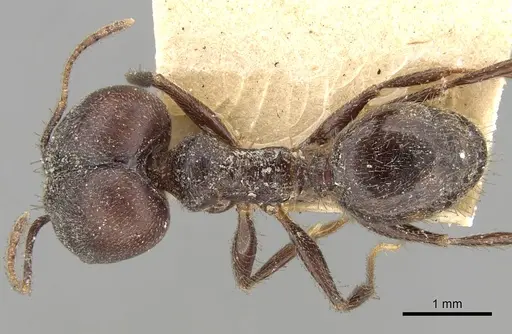
CASENT0281742
View on AntWeb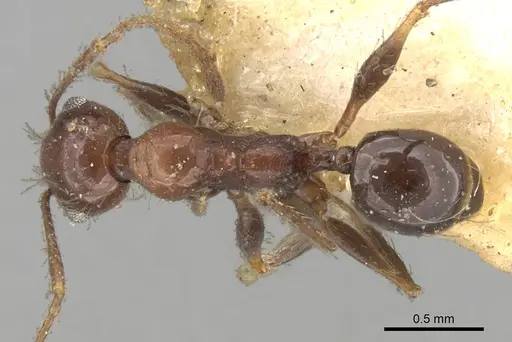
CASENT0904343
View on AntWeb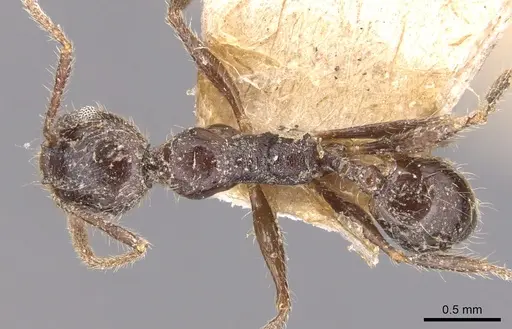
CASENT0908119
View on AntWeb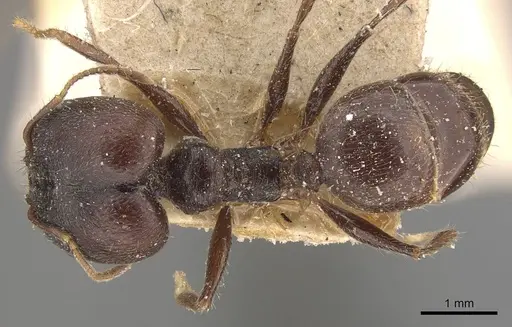
CASENT0908120
View on AntWeb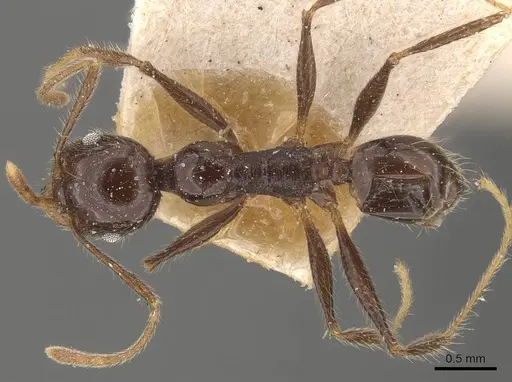
Literature
Loading...Loading products...