

Pheidole spilota
- Scientific Name
- Pheidole spilota
- Tribe
- Attini
- Subfamily
- Myrmicinae
- Author
- Wilson, 2003
- Distribution
- Found in 1 countries
Pheidole spilota Overview
Pheidole spilota is an ant species of the genus Pheidole. It is primarily documented in 1 countries , including Colombia. Detailed taxonomic data and occurrence records can be further explored via authoritative databases such as AntWeb or the Global Biodiversity Information Facility (GBIF).
Pheidole spilota
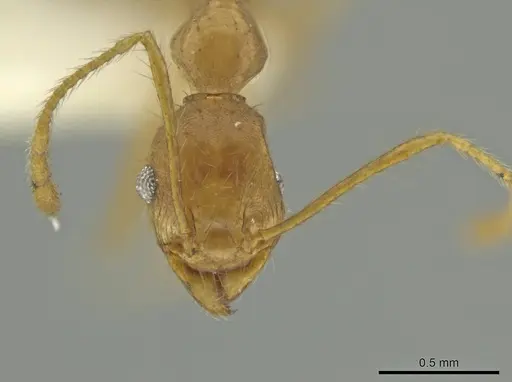
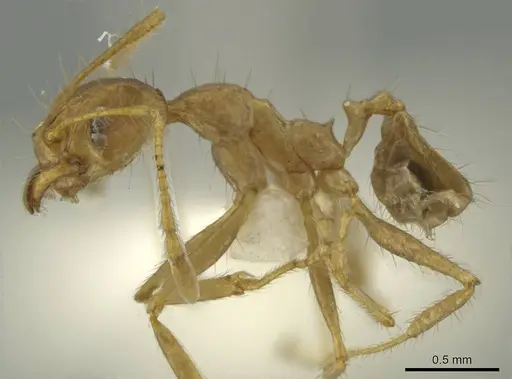
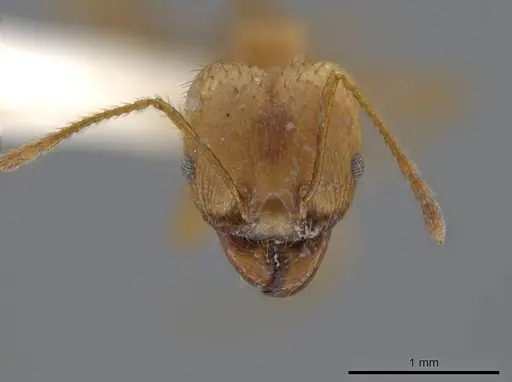
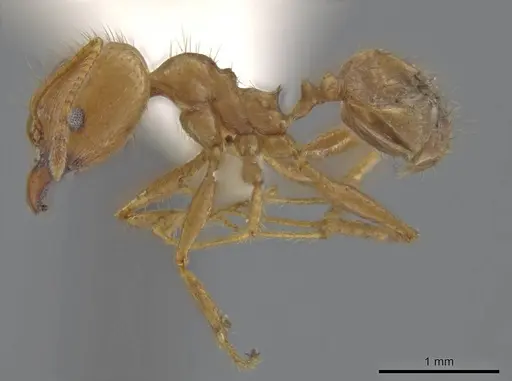
Pheidole spilota is a small Neotropical ant species described by Edward Wilson in 2003. Majors measure around 1.16mm head width with a distinctive yellowish-brown body and a light brown spot on the vertex (back of the head), which is how it got the species name 'spilota' meaning 'spotted.' Minors are smaller at about 0.60mm head width and are uniformly yellow. This species belongs to the diligens group and is known only from the Meta department in Colombia, where it was collected near Restrepo. [1][2]
As with most Pheidole species, these ants likely live in ground nests in tropical forest habitats. The genus Pheidole is famous for its soldier caste, majors have enlarged heads for seed-crushing and colony defense. Nothing has been documented about this species' biology in the wild, so care recommendations are based on typical Pheidole patterns. [3]
Quick Summary
- Difficulty: Medium
- Origin & Habitat: Tropical Colombia (Meta department). Known only from Las Salinas near Restrepo in the Amazonian lowlands of eastern Colombia. [1][2]
- Colony Type: Likely monogyne (single queen colonies) based on typical Pheidole patterns. Colony structure has not been documented for this species. [3]
- Colony: Monogyne
- Founding: Claustral
- Size & Growth:
- Queen: Undescribed, estimated 5-7mm based on genus patterns
- Worker: Major: 1.16mm HW (head width), Minor: 0.60mm HW [1]
- Colony: Unknown, typical Pheidole colonies reach several hundred to a few thousand workers
- Growth: Moderate, based on typical Pheidole development patterns
- Development: 6-10 weeks estimated based on typical Pheidole development at tropical temperatures (24-28°C) (Timeline is estimated since no species-specific data exists. Pheidole typically produce nanitic (first) workers quickly in warm conditions.)
- Antkeeping:
- Temperature: Keep around 24-28°C. This species comes from tropical lowland Colombia, so it needs warm, stable temperatures. A heating cable on one side of the nest creates a gradient for the colony to self-regulate. [3]
- Humidity: Moderate to high humidity (60-80%). Mist the outworld regularly and keep the nest substrate slightly moist. Colombian tropical ants prefer damp conditions but not waterlogged. [3]
- Diapause: Unlikely, this is a tropical species from a region with minimal seasonal temperature variation. No diapause is expected, but colonies may reduce activity during cooler periods. [3]
- Nesting: Typical Pheidole nesting preferences apply, they prefer soil-based nests with chambers for brood storage. A Y-tong (AAC) nest, plaster nest, or naturalistic setup with soil works well. Provide a moisture reservoir to maintain humidity. [3]
- Behavior: Pheidole are generally non-aggressive toward keepers but majors will defend the colony if threatened. Workers are active foragers that search for seeds and small insects. Escape risk is moderate, these are small ants but not as tiny as some species. Use standard barrier methods (Fluon on test tube rims, fine mesh on outworlds). [3]
- Common Issues: biology is completely unknown, all care is estimated from genus patterns, tropical species may be sensitive to temperature drops below 20°C, small colony size means slow growth that can frustrate beginners, wild-caught colonies may have parasites or diseases since nothing is known about this species, major workers may not appear until the colony reaches several hundred workers
Nest Preferences
Pheidole spilota likely nests in soil in its native Colombian habitat. For captive care, provide a nest with soil or a moisture-retaining substrate. Y-tong (AAC) nests work well for Pheidole because they allow you to maintain humidity while observing the colony. Plaster nests with a water reservoir are another good option. The nest should have multiple chambers to accommodate the brood pile and food storage. Since nothing is known about this species' specific nesting preferences, start with standard Pheidole conditions and adjust based on colony behavior. [3]
Feeding and Diet
Pheidole are omnivorous with a preference for seeds and small protein sources. Feed a mix of seeds (millet, chia, flax) and protein (small crickets, mealworms, fruit flies). Pheidole majors have specialized head muscles for seed processing, so offering seeds is important for their nutrition. Sugar water or honey can be offered occasionally, though protein is more important for colony growth. Feed every 2-3 days, removing uneaten prey after 24 hours to prevent mold. [3]
Temperature and Care
Keep this tropical species warm at 24-28°C. Temperature significantly affects brood development speed, warmer within this range speeds up development, while cooler temperatures slow it down. Use a heating cable on part of the nest to create a temperature gradient so workers can move brood to their preferred temperature. Avoid temperatures below 20°C for extended periods. Room temperature in a heated home is usually adequate, but monitor with a thermometer. [3]
Behavior and Temperament
Pheidole are generally calm ants that focus on foraging and brood care. Majors will emerge to defend the colony against threats but are not aggressive toward keepers. Workers are active scavengers that will quickly discover and recruit to food sources. The colony will form characteristic foraging trails. Minor workers handle most daily tasks while majors focus on seed processing and defense. This species is not known to be particularly escape-prone, but use standard barriers like Fluon on smooth surfaces. [3]
Growth and Development
Since no species-specific data exists, growth is estimated from typical Pheidole patterns. Expect first workers (nanitics) around 6-10 weeks after the queen lays eggs, assuming temperatures around 24-28°C. Initial colonies grow slowly as the queen tends to brood alone. Once the first workers emerge, growth accelerates. Major workers typically appear once the colony reaches several hundred workers. Patience is essential, small colonies can take months to become established. [3]
Frequently Asked Questions
How long does it take for Pheidole spilota to produce first workers?
Estimated 6-10 weeks from egg to first worker at tropical temperatures (24-28°C). This is based on typical Pheidole development since no species-specific data exists. Nanitics (first workers) are smaller than normal workers and appear once the colony is established.
What do Pheidole spilota ants eat?
They are omnivorous with a preference for seeds and protein. Offer a mix of small seeds (millet, chia) and protein sources (fruit flies, small crickets, mealworms). Sugar water or honey can be offered occasionally. Remove uneaten food after 24 hours.
What temperature do Pheidole spilota need?
Keep them warm at 24-28°C. This is a tropical species from Colombia, so it needs warm conditions. A heating cable on part of the nest creates a gradient. Avoid temperatures below 20°C.
Are Pheidole spilota good for beginners?
This species is rated Medium difficulty. While Pheidole are generally hardy, this specific species has no documented biology, so all care is estimated from genus patterns. Beginners may find the slow initial growth and lack of species-specific information challenging.
How big do Pheidole spilota colonies get?
Colony size is unconfirmed for this species. Based on typical Pheidole patterns, colonies likely reach several hundred to a few thousand workers over several years. Major workers typically appear once the colony is well-established.
Do Pheidole spilota need hibernation?
No, this is a tropical species from Colombia where temperatures remain warm year-round. No diapause or hibernation is expected. The colony may reduce activity during cooler periods but will remain active if kept warm.
Can I keep multiple Pheidole spilota queens together?
Pheidole are typically monogyne (single queen colonies). While not documented for this specific species, combining unrelated queens is not recommended based on typical genus behavior. Single-queen colonies are standard for this genus.
What size nest do Pheidole spilota need?
Start with a test tube setup for the founding queen. Once the colony reaches 50+ workers, move to a Y-tong (AAC) nest, plaster nest, or naturalistic setup with soil. Provide a moisture source and enough chambers for brood storage.
Why is so little known about Pheidole spilota?
This species was only described in 2003 and is known from a single collection in Colombia. Many ant species, especially in the tropics, remain poorly studied. All care recommendations are based on typical Pheidole genus behavior rather than species-specific observations.
References

This caresheet is licensed under CC BY-SA 4.0 .
CASENT0636798
View on AntWeb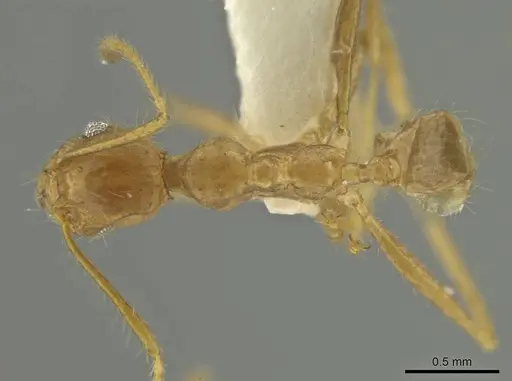
JTLC000016537
View on AntWeb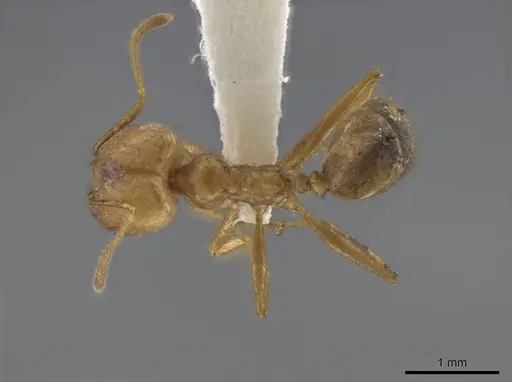
Literature
Loading...Loading products...