

Pheidole specularis
- Scientific Name
- Pheidole specularis
- Tribe
- Attini
- Subfamily
- Myrmicinae
- Author
- Wilson, 2003
- Distribution
- Found in 5 countries
Pheidole specularis Overview
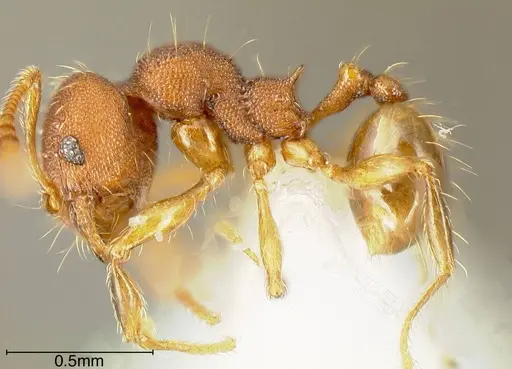
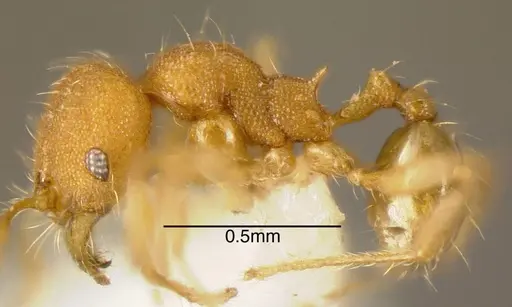
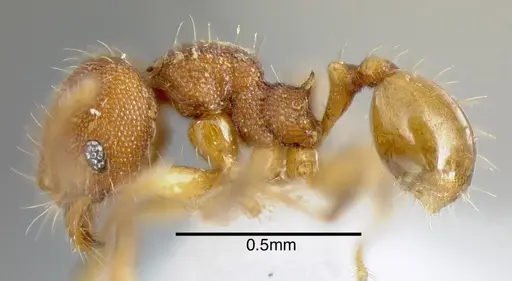
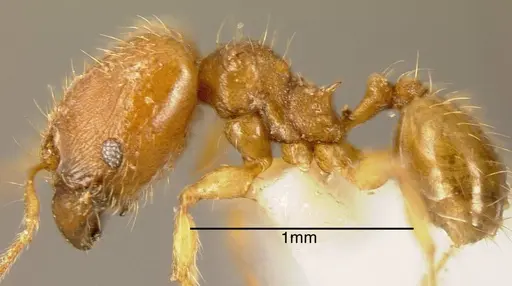
Pheidole specularis is an ant species of the genus Pheidole. It is primarily documented in 5 countries , including Costa Rica, Guatemala, Honduras. Detailed taxonomic data and occurrence records can be further explored via authoritative databases such as AntWeb or the Global Biodiversity Information Facility (GBIF).
Pheidole specularis
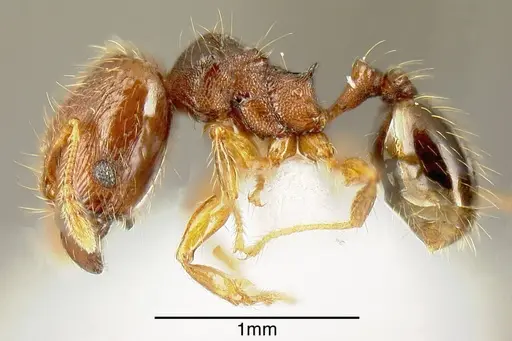
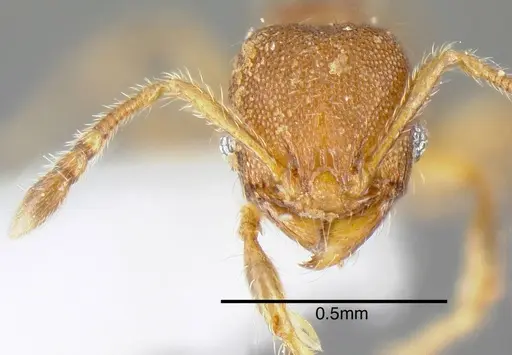
Pheidole specularis is a dimorphic ant species native to Central America, found in Costa Rica and Guatemala [1]. As with all Pheidole species, they have two worker castes: large major workers with oversized heads for seed processing, and smaller minor workers that handle most other tasks. This species is granivorous, meaning they collect and eat seeds, using their specialized major workers to crack open seed coats [2]. They nest in the ground and in twigs, making them a ground-dwelling species that forages in both closed and open forest areas [2][3]. Their small size and relatively simple care requirements make them an interesting choice for antkeepers interested in observing seed-harvesting behavior.
Quick Summary
- Difficulty: Easy
- Origin & Habitat: Central America, Costa Rica and Guatemala. Found in tropical forests, both closed forest and open forest areas [1][2].
- Colony Type: Single-queen colonies (monogyne). Colonies grow through claustral founding with the queen sealing herself in to raise the first brood.
- Colony: Monogyne
- Founding: Claustral
- Size & Growth:
- Queen: Estimated 5-7mm, typical for Pheidole species
- Worker: Minor workers approximately 2-3mm, major workers larger with pronounced heads [2] reports mean head width 0.7mm for workers
- Colony: Likely several hundred to a few thousand workers at maturity
- Growth: Moderate
- Development: Estimated 6-8 weeks at optimal tropical temperatures (based on typical Pheidole development) (Development time is estimated from related species, specific data for P. specularis is not available)
- Antkeeping:
- Temperature: Keep at 24-28°C. As a tropical species, they prefer warm conditions. A heating cable on one side of the nest can create a temperature gradient [2] indicates open forest habitat preference.
- Humidity: Moderate to high humidity around 60-80%. These forest-floor ants prefer damp substrate but not waterlogged conditions. Mist occasionally and provide a water test tube as a drinking source.
- Diapause: No, being a tropical species, they do not require hibernation. Keep temperatures stable year-round.
- Nesting: Ground-nesting and twig-nesting species. In captivity, they do well in Y-tong nests, acrylic formicaria, or naturalistic setups with soil substrate. They prefer compact chambers rather than expansive open spaces.
- Behavior: Generally peaceful and not aggressive toward keepers. Major workers can deliver a mild bite if handled, but they are not considered dangerous. They are active foragers that search for seeds and small protein sources. Minor workers handle most foraging and brood care, while majors specialize in seed processing. They have moderate escape risk, use standard barriers but no special escape prevention required beyond standard mesh and barriers.
- Common Issues: slow colony growth can frustrate beginners, Pheidole colonies take time to establish, overfeeding can lead to mold in the nest, remove uneaten food promptly, tropical species are sensitive to temperature drops, avoid cold drafts or air conditioning, wild-caught colonies may contain parasites, quarantine and observe new colonies, major workers may appear alarming to new keepers but this dimorphism is normal
Nest Preferences and Housing
Pheidole specularis is a ground-nesting species that naturally nests in soil and twigs [2]. In captivity, they adapt well to various nest types. Y-tong (acrylic) nests work excellently because they provide the dark, compact chambers these ants prefer. Naturalistic setups with a soil substrate also work well and allow you to observe their natural digging and foraging behaviors. Avoid nests with large, open chambers, these ants feel safer in tight, enclosed spaces. A formicarium with a connected outworld allows you to watch their seed-harvesting behavior, which is one of the most interesting aspects of keeping this species.
Feeding and Diet
As a granivorous species, Pheidole specularis primarily collects and consumes seeds [2]. In captivity, offer a variety of seeds including grass seeds, millet, and small bird seed mixes. Their major workers have specialized head muscles for cracking seed coats. Beyond seeds, they also accept protein sources like small insects (fruit flies, pinhead crickets, mealworms) and will scavenge dead insects. Sugar water or honey can be offered occasionally, though seeds should form the bulk of their diet. Feed them every 2-3 days, removing any uneaten seeds or prey to prevent mold. Always provide a fresh water source.
Temperature and Humidity
Being a tropical species from Costa Rica and Guatemala, Pheidole specularis requires warm temperatures between 24-28°C [1]. Room temperature may be sufficient in warm climates, but in cooler environments use a heating cable placed on one side of the nest to create a gentle temperature gradient. Avoid temperatures below 22°C for extended periods. For humidity, aim for 60-80% relative humidity. These forest-floor ants prefer damp but not saturated conditions. The substrate should feel slightly moist to the touch. A water test tube attached to the nest provides drinking water and helps maintain humidity. Occasional misting of the outworld is acceptable, but avoid directly misting the nest.
Colony Development and Growth
Pheidole colonies grow through a predictable pattern. The claustral queen seals herself in a chamber and raises the first brood using her stored fat reserves. After 6-8 weeks (estimated from related species), the first workers emerge, these nanitics are smaller than normal workers but quickly begin foraging. Once workers arrive, the colony enters a growth phase as the queen continues laying eggs. Major workers appear as the colony matures, typically when the colony reaches several dozen workers. The dimorphic caste system means you'll see both small minor workers and larger major workers with their characteristic big heads. Colony growth is moderate, expect several months before you see significant numbers. A mature colony may contain several thousand workers.
Behavior and Observation
One of the most fascinating aspects of keeping Pheidole specularis is observing the division of labor between worker castes. Minor workers handle most tasks: foraging, brood care, and general nest maintenance. Major workers specialize in seed processing, they use their powerful mandibles to crack open seed coats that minor workers cannot open. When you offer seeds, you may watch major workers carry them back to the nest and systematically break them down. This species is not aggressive and rarely bites, making them safe to observe. They are most active during daylight hours. The colony will establish clear foraging trails once they discover a food source. [2]
Frequently Asked Questions
How long does it take for Pheidole specularis to produce first workers?
Expect first workers (nanitics) to emerge around 6-8 weeks after the queen lays eggs, assuming optimal temperatures of 24-28°C. This is an estimate based on related Pheidole species, specific development data for P. specularis is not available.
Can I keep Pheidole specularis in a test tube?
Yes, test tubes work well for founding colonies. Use a standard test tube setup with a water reservoir and cotton plug. Once the colony reaches 30-50 workers, consider moving them to a larger formicarium or Y-tong nest.
What do Pheidole specularis ants eat?
They are primarily seed-eaters. Offer various small seeds like grass seeds, millet, or bird seed mixes. They also accept protein sources like small insects (fruit flies, pinhead crickets, mealworms). Sugar water or honey can be offered occasionally.
Are Pheidole specularis good for beginners?
Yes, they are considered a good beginner species. They are relatively hardy, don't require hibernation, and their seed-eating behavior is interesting to observe. However, colony growth is slow, so patience is required.
How big do Pheidole specularis colonies get?
Mature colonies can reach several thousand workers. The colony grows gradually over several months to years, with major workers appearing once the colony is established.
Do Pheidole specularis need a hibernation period?
No, as a tropical species from Costa Rica and Guatemala, they do not require hibernation. Keep temperatures stable year-round between 24-28°C.
When should I move my colony to a formicarium?
Move them when the test tube becomes crowded, typically when the colony reaches 30-50 workers. A Y-tong nest or naturalistic setup works well for this species.
Why are my Pheidole specularis major workers dying?
Some degree of worker turnover is normal. However, if you're seeing many deaths, check for: temperature stress (too cold), mold from overfeeding, or poor humidity. Major workers have shorter lifespans than minors and will naturally die off over time.
Can I keep multiple Pheidole specularis queens together?
No, this is a monogyne species with single-queen colonies. Multiple queens will fight. Only keep one queen per colony.
References

This caresheet is licensed under CC BY-SA 4.0 .
CASENT0635480
View on AntWeb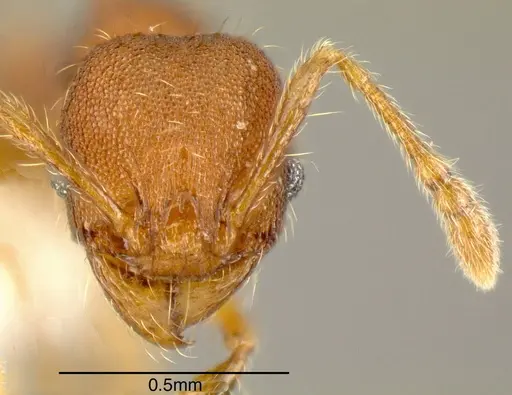
CASENT0635531
View on AntWeb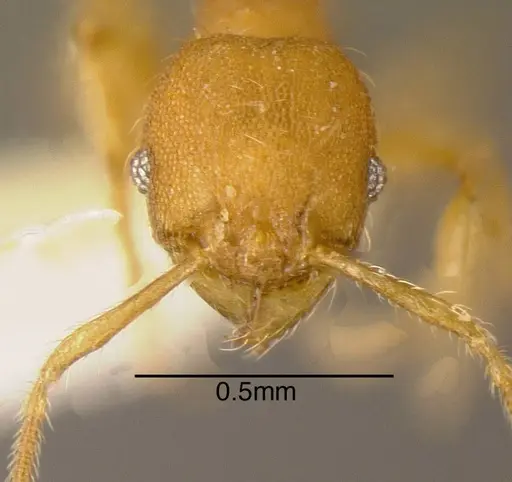
INB0003659292
View on AntWeb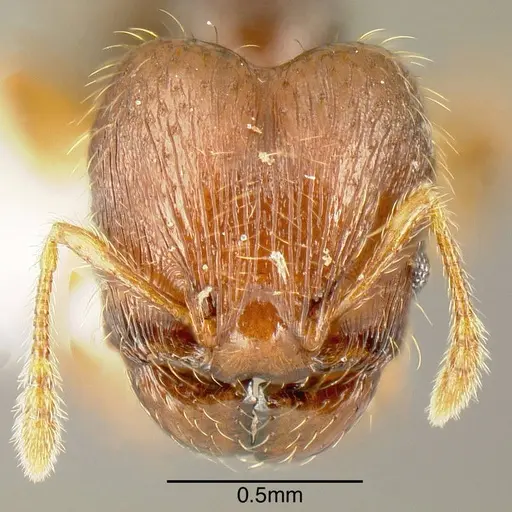
INB0003679951
View on AntWeb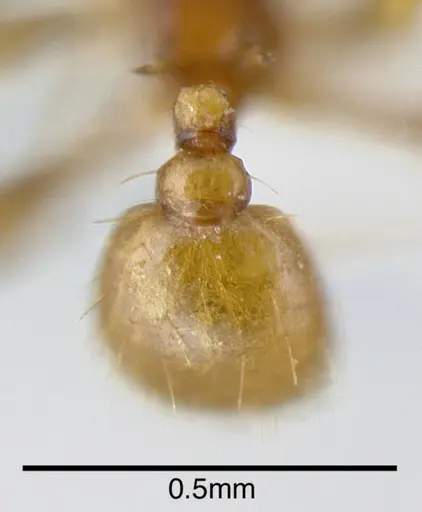
INBIOCRI002279806
View on AntWeb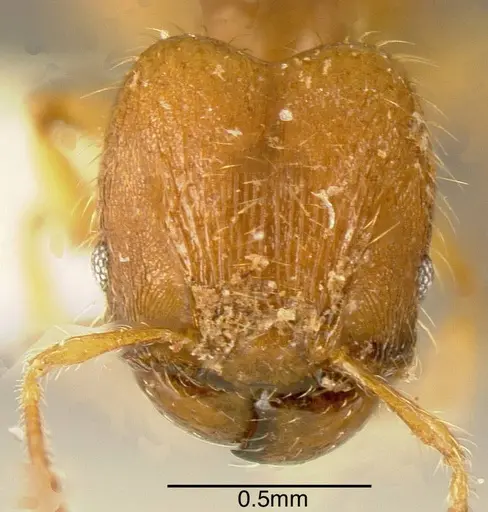
Literature
Loading...Loading products...