

Pheidole spathifera
- Scientific Name
- Pheidole spathifera
- Tribe
- Attini
- Subfamily
- Myrmicinae
- Author
- Forel, 1902
- Distribution
- Found in 2 countries
Pheidole spathifera Overview
Pheidole spathifera is an ant species of the genus Pheidole. It is primarily documented in 2 countries , including India, Sri Lanka. Detailed taxonomic data and occurrence records can be further explored via authoritative databases such as AntWeb or the Global Biodiversity Information Facility (GBIF).
Pheidole spathifera
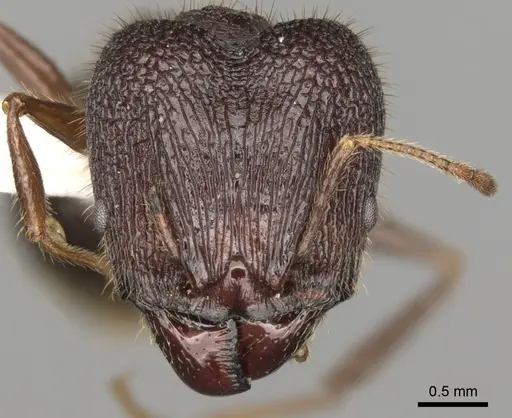
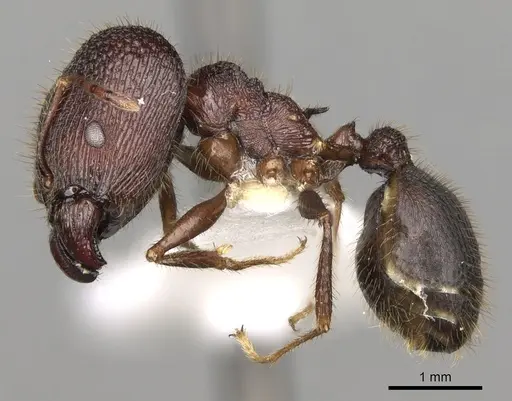
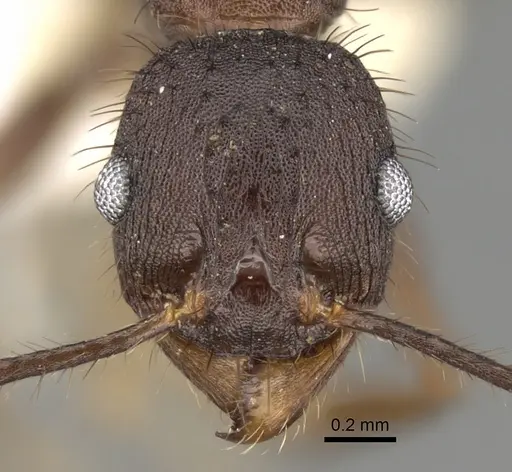
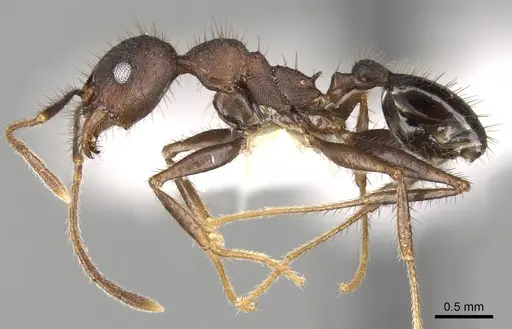
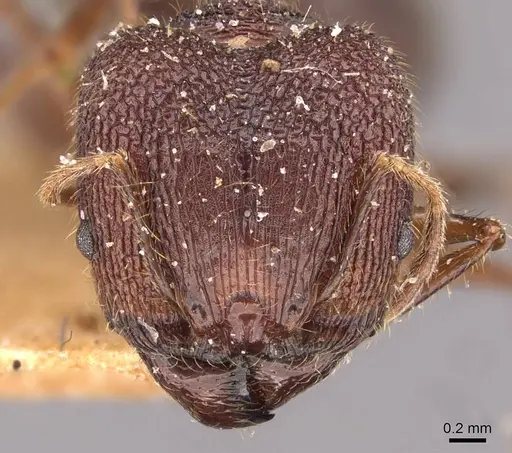
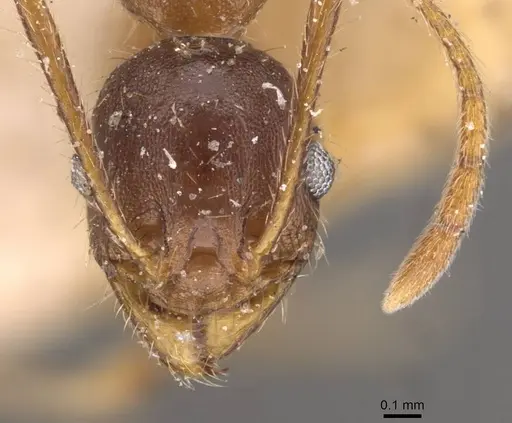
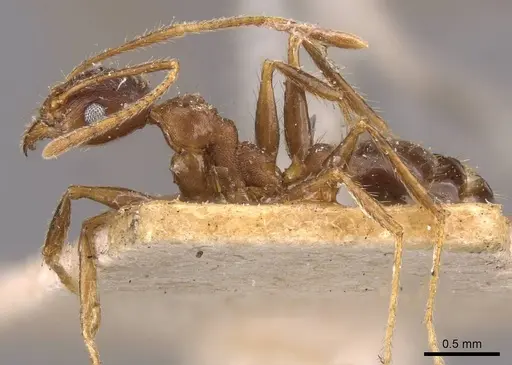
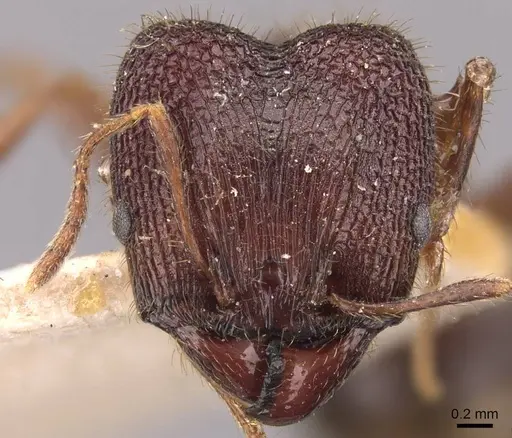
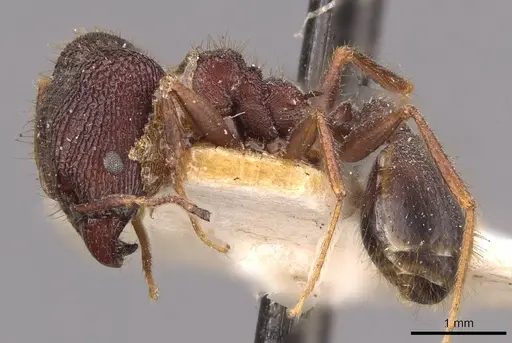
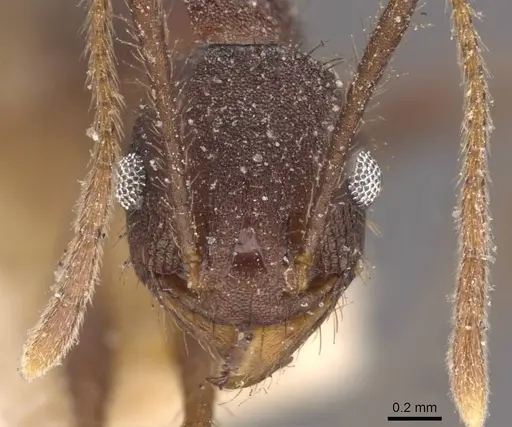
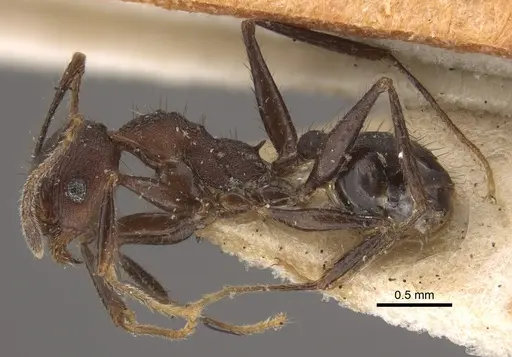
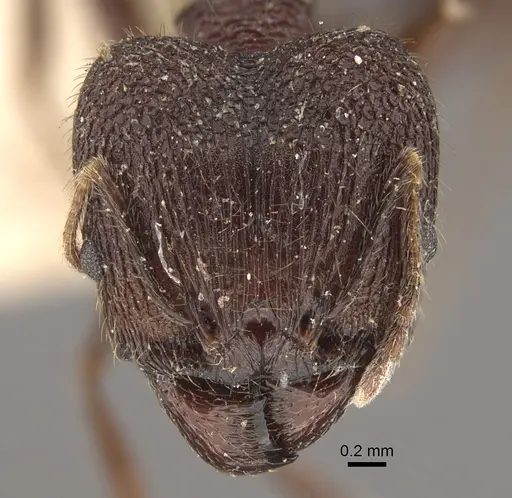
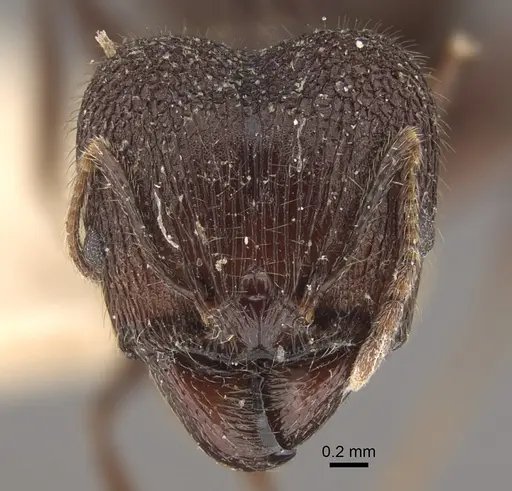
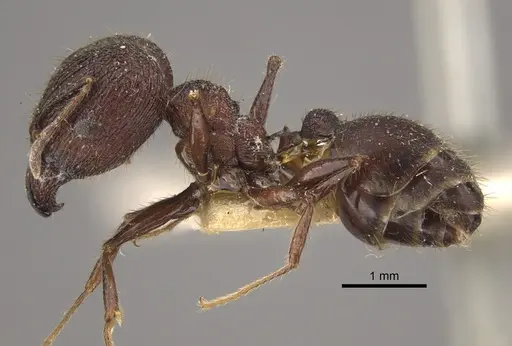
Pheidole spathifera is a small to medium-sized ant species native to South and Southeast Asia. Soldiers measure around 5.6mm with a distinctive nearly trapezoidal head and prominent propodeal spines that are blunt and slightly club-like. Workers are much smaller at 2.8-2.9mm with a longer head and lack the soldier's pronounced spines. The body is reddish-brown to yellowish-brown with the gaster posterior section darker in soldiers. This species is a habitat specialist strongly associated with primary forest environments, making it less common in disturbed areas or agricultural land [1][2].
What makes P. spathifera particularly interesting is its role as a generalized forager with mass recruitment behavior. Unlike many Pheidole species that are highly aggressive, this species shows moderate temperament and adapts well to various seasonal conditions across its range. It occupies a unique niche in the ant communities of the Indomalayan region, found from lowland areas up to 2000m elevation in the Himalayas [3][4].
Quick Summary
- Difficulty: Medium
- Origin & Habitat: Native to the Indomalaya region including India, Sri Lanka, Bangladesh, Myanmar, Thailand, and southern China (Yunnan). This species is a habitat specialist strongly associated with primary forest environments and is rarely found in secondary forest, rubber plantations, or urban areas [2][5]. They thrive in warm, humid tropical to subtropical climates with access to leaf litter and decaying wood.
- Colony Type: Colony structure is not well-documented in scientific literature. Based on typical Pheidole genus patterns, this is likely a single-queen (monogyne) species with major and minor worker castes. Pheidole colonies typically have one queen who mates during nuptial flights and establishes colonies claustrally [6].
- Colony: Monogyne
- Founding: Claustral
- Size & Growth:
- Queen: Estimated 6-8mm based on related Pheidole species [6]
- Worker: 2.8-2.9mm for minor workers, soldiers approximately 5.6mm [1]
- Colony: Estimated 500-2000 workers based on typical Pheidole colony sizes [6]
- Growth: Moderate
- Development: Estimated 6-8 weeks at optimal temperature based on typical Pheidole development patterns [6] (Development time is inferred from genus-level data as species-specific timing has not been documented. Pheidole species typically produce nanitic (first) workers within 1-2 months during warm conditions.)
- Antkeeping:
- Temperature: Keep at 24-28°C. This species originates from tropical and subtropical regions where temperatures remain warm year-round. A heating cable on one side of the nest creates a temperature gradient allowing ants to self-regulate [6].
- Humidity: Maintain high humidity at 70-80%. These ants naturally inhabit humid forest environments in the Indomalayan region. Keep the nest substrate consistently moist but not waterlogged. Provide a water tube for drinking access [6].
- Diapause: Not required. As a tropical species, P. spathifera does not undergo true hibernation. However, slight temperature reduction during winter months (down to 20-22°C) may slow activity naturally, which is acceptable [6].
- Nesting: In captivity, they do well in Y-tong (AAC), plaster, or naturalistic setups with soil. Provide damp substrate that mimics their natural leaf-litter environment. They prefer nests with multiple chambers and narrow passages scaled to their small worker size. Avoid overly dry conditions which can cause colony decline [6].
- Behavior: Pheidole spathifera is a generalized forager with mass recruitment behavior. Workers actively search for food sources and recruit nestmates through chemical trails. They are not particularly aggressive toward keepers but will defend their colony if threatened. Minor workers handle most foraging and brood care, while soldiers (majors) defend the nest and process larger food items. Their small worker size (2.8mm) means escape prevention is important, they can squeeze through small gaps. They are primarily ground-nesting and may not climb smooth surfaces aggressively, but fine mesh barriers are still recommended [3][6].
- Common Issues: escape prevention is critical due to their very small worker size, use fine mesh and tight-fitting lids, colonies may decline rapidly if humidity drops below 60%, monitor substrate moisture closely, wild-caught colonies may carry parasites that can devastate captive populations, slow founding phase means beginners often give up too early, be patient during claustral period, primary forest habitat specialization means they may struggle in heavily disturbed captive environments
Housing and Nest Setup
Pheidole spathifera does well in several captive setups. Y-tong (AAC) nests work excellently because they provide the dark, humid environment these forest-floor ants prefer. The narrow chambers should be scaled to their tiny size, avoid large, open spaces. Plaster nests with built-in water chambers maintain humidity well. For a naturalistic approach, use a soil-filled container with leaf litter on top to mimic their primary forest floor habitat. Whatever setup you choose, ensure the nest area stays consistently damp but never waterlogged. A test tube setup can work for founding colonies, but transfer to a proper nest once the colony reaches 30-50 workers. Always provide a separate outworld area for foraging, this makes feeding easier and keeps the nest clean. Cover all ventilation holes with fine mesh because these tiny ants can squeeze through surprisingly small gaps. [6]
Feeding and Diet
Like most Pheidole species, P. spathifera is a generalized forager with a varied diet. In captivity, offer protein sources like small insects (fruit flies, pinhead crickets, mealworms) twice weekly. They also accept sugar water, honey, or diluted maple syrup as an energy source. Remove uneaten prey within 24-48 hours to prevent mold. For the founding queen, you do not need to feed her, she seals herself in and survives on stored fat reserves until her first workers emerge (this is called claustral founding). Once workers arrive, begin offering tiny food items near the nest entrance. Pheidole ants use mass recruitment, so once workers find a good food source, you'll see many ants swarming the food within hours. Adjust feeding frequency based on colony size, a small colony needs less food than a mature one with hundreds of workers. [3][6]
Temperature and Seasonal Care
As a species from the tropical Indomalayan region, P. spathifera needs warm conditions year-round. Keep the nest area at 24-28°C for optimal brood development. You can achieve this with a small heating cable placed on one side of the nest (never directly on the nest material as it can cause drying or kill the colony). This creates a temperature gradient so ants can move to their preferred zone. Room temperature may be sufficient if your home stays in this range, but monitor with a thermometer. Unlike temperate species, they do not require a true hibernation period. However, slight seasonal variations are natural, you might notice slightly reduced activity in winter months when temperatures drop, which is fine. Just avoid sudden temperature drops below 20°C for extended periods. High humidity is equally important, aim for 70-80% relative humidity around the nest. [6]
Colony Development and Growth
Pheidole spathifera colonies grow moderately fast once established. The founding queen seals herself in a small chamber and does not leave to forage, she survives entirely on her stored fat reserves while raising her first brood. This claustral founding typically takes 4-8 weeks before the first workers (called nanitics) emerge. These first workers are usually smaller than normal workers but quickly begin foraging and caring for subsequent brood. The colony will gradually produce larger major workers (soldiers) as the population grows. A healthy mature colony can reach several thousand workers over several years. The presence of distinct soldier castes is a hallmark of Pheidole species, these larger workers defend the colony and help process larger food items. Growth rate depends heavily on temperature and feeding, warmer conditions and consistent protein availability speed development. [6]
Behavior and Observation
One of the most interesting behaviors to observe in P. spathifera is their mass recruitment system. When a forager finds a good food source, she returns to the nest leaving a chemical trail. Other workers follow this trail to the food, creating a visible ant trail. This makes them entertaining to watch during feeding time. They are not particularly aggressive toward keepers, you can observe them with minimal disturbance. However, soldiers will emerge if the nest is threatened. Their small size makes them less noticeable during routine care, so watch for escape attempts during feeding or nest maintenance. They are primarily nocturnal or crepuscular in nature, so you may see more activity in evening hours. Providing a dark area for the nest helps them maintain natural activity patterns. [3][6]
Frequently Asked Questions
How long does it take for Pheidole spathifera to produce first workers?
First workers (nanitics) typically emerge in 4-8 weeks after the queen lays eggs, assuming optimal temperature around 26°C. This is based on typical Pheidole genus development patterns since species-specific timing hasn't been documented.
Can I keep Pheidole spathifera in a test tube setup?
Yes, test tubes work well for founding colonies. Keep the cotton damp (not soaking wet) and maintain temperatures around 24-28°C. Transfer to a proper nest once the colony reaches 30-50 workers or the test tube becomes crowded.
What do I feed Pheidole spathifera?
Offer a varied diet: small insects (fruit flies, pinhead crickets, mealworms) as protein twice weekly, and sugar water, honey, or maple syrup as an energy source. Remove uneaten food within 48 hours.
Are Pheidole spathifera good for beginners?
They are moderate difficulty, easier than many exotic species but require attention to humidity and escape prevention. Their small size and humidity needs make them slightly more challenging than hardy species like Lasius or Camponotus.
Do Pheidole spathifera need hibernation?
No, as a tropical species they do not require true hibernation. Slight temperature reduction in winter (to around 20-22°C) may slow activity naturally, which is acceptable.
How big do Pheidole spathifera colonies get?
Mature colonies can reach 500-2000 workers over several years, based on typical Pheidole colony sizes. They have distinct soldier (major) and worker (minor) castes.
Why are my Pheidole spathifera dying?
Common causes include low humidity (below 60%), temperature extremes, mold from overwatering or uneaten food, or escape/stress from too much disturbance. Check these parameters first. Wild-caught colonies may also carry parasites.
When should I move my colony to a formicarium?
Move from test tube to a proper nest when the colony reaches 30-50 workers or shows signs of crowding. Y-tong, plaster, or naturalistic setups work well for this species.
References

This caresheet is licensed under CC BY-SA 4.0 .
CASENT0281634
View on AntWeb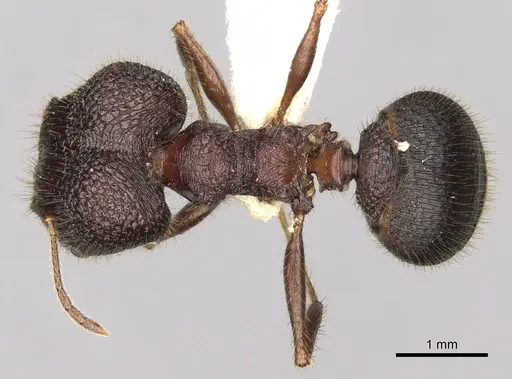
CASENT0281635
View on AntWeb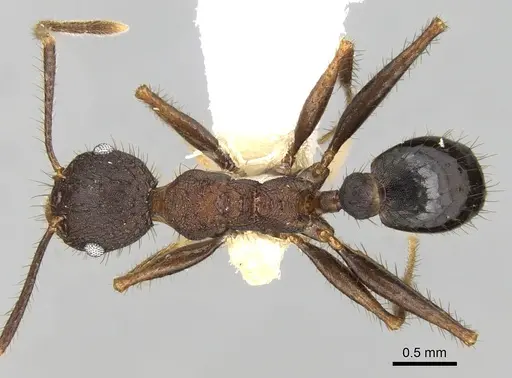
CASENT0907955
View on AntWeb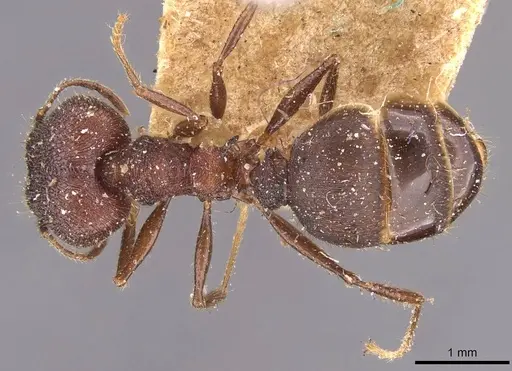
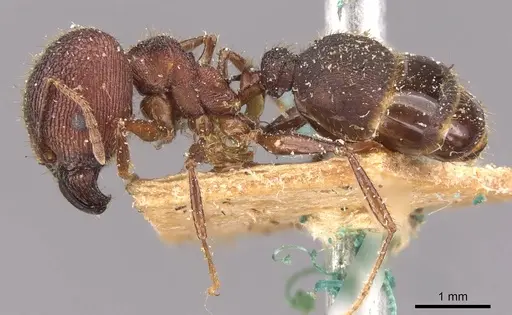
CASENT0907956
View on AntWeb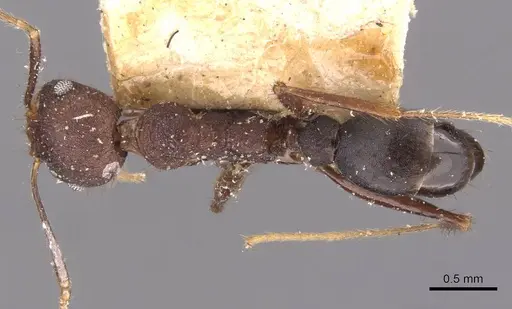
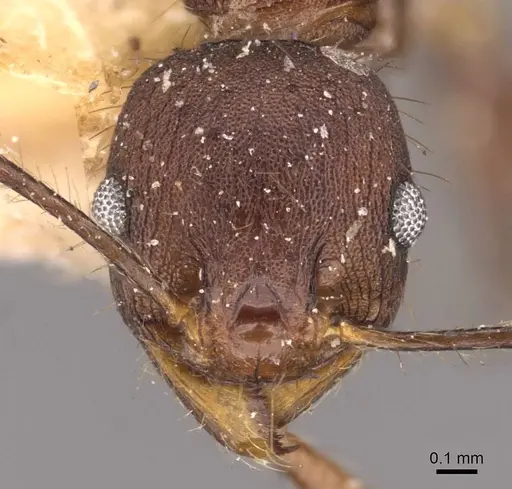
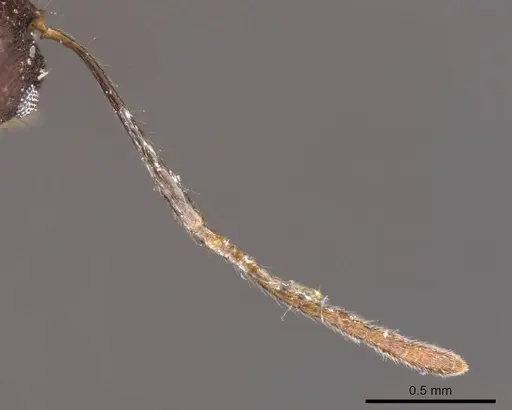
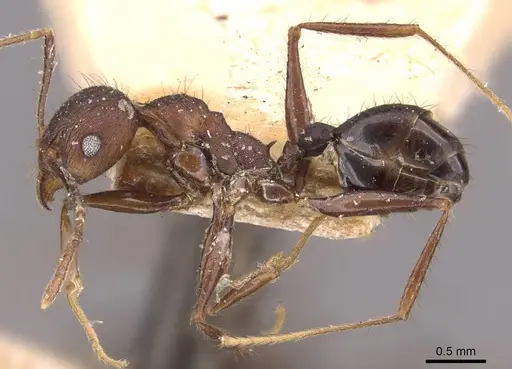
CASENT0907957
View on AntWeb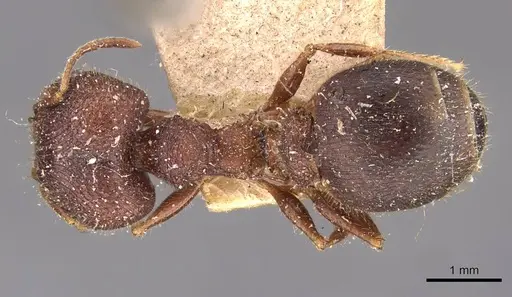
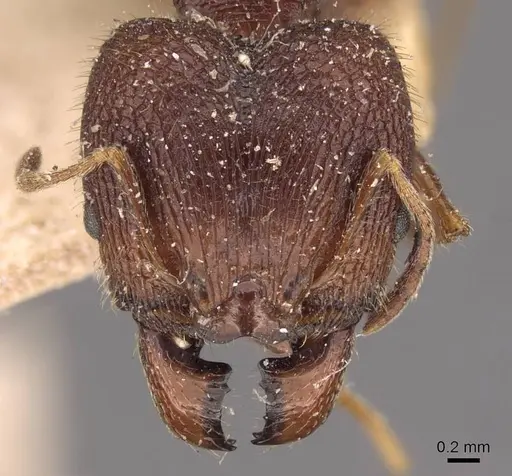
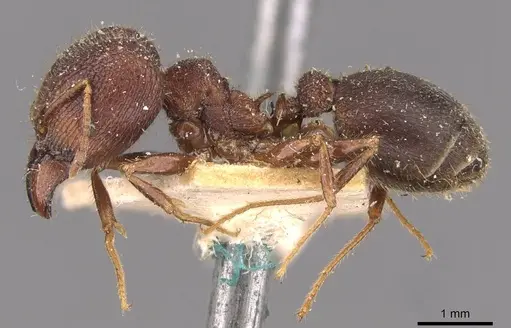
CASENT0907958
View on AntWeb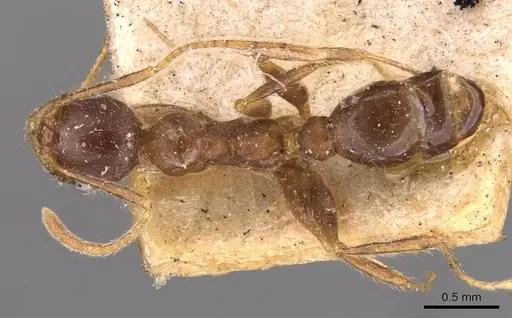
CASENT0907959
View on AntWeb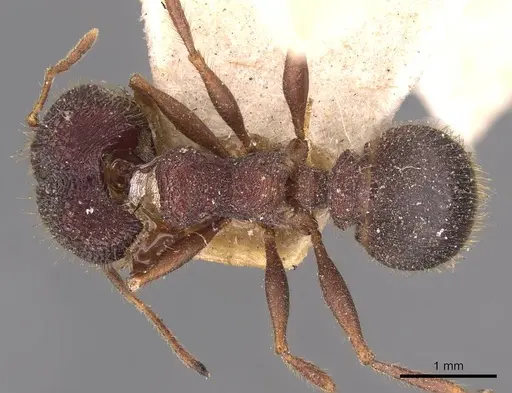
CASENT0907960
View on AntWeb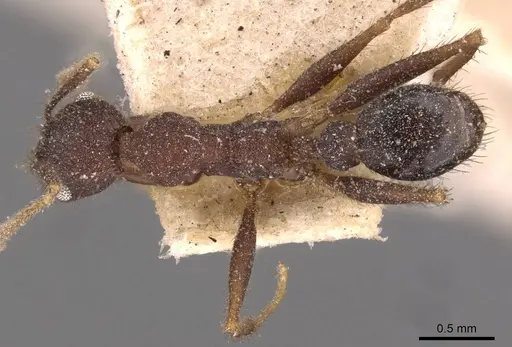
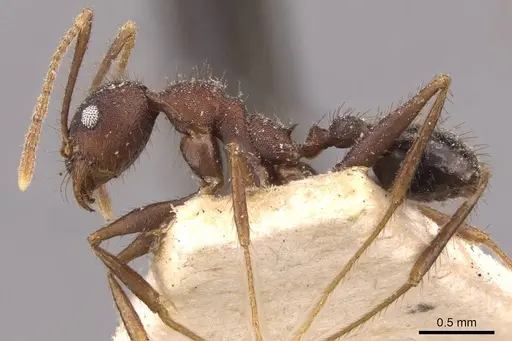
CASENT0917784
View on AntWeb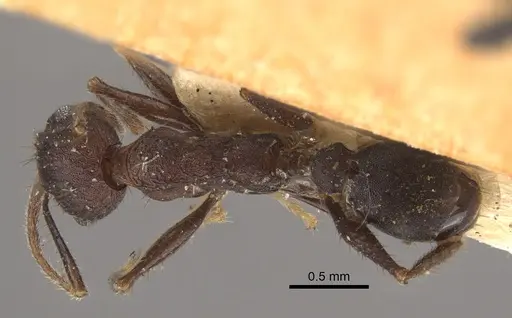
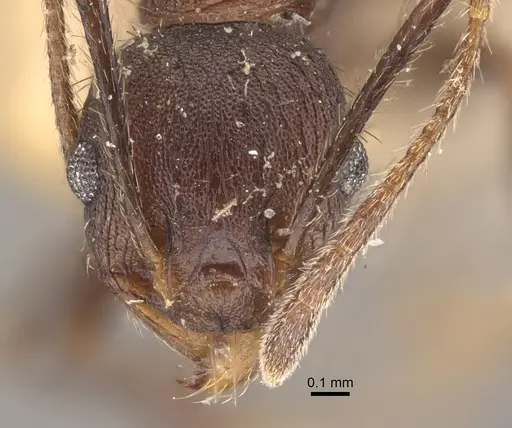
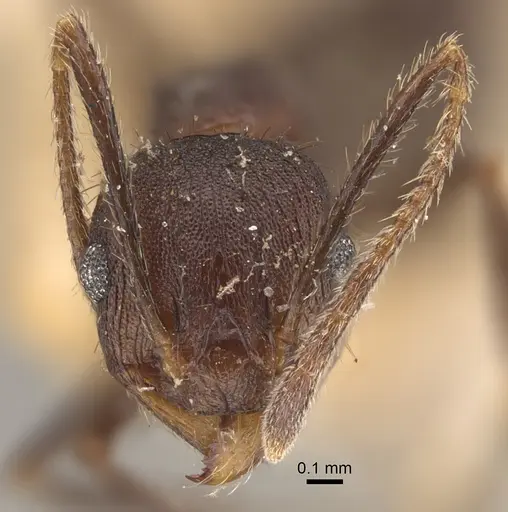
CASENT0917785
View on AntWeb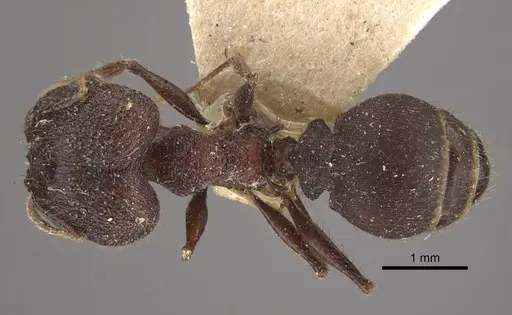
Literature
Loading...Loading products...