

Pheidole sparsa
- Scientific Name
- Pheidole sparsa
- Tribe
- Attini
- Subfamily
- Myrmicinae
- Author
- Salata & Fisher, 2020
- Distribution
- Found in 1 countries
Pheidole sparsa Overview
Pheidole sparsa is an ant species of the genus Pheidole. It is primarily documented in 1 countries , including Madagascar. Detailed taxonomic data and occurrence records can be further explored via authoritative databases such as AntWeb or the Global Biodiversity Information Facility (GBIF).
Pheidole sparsa
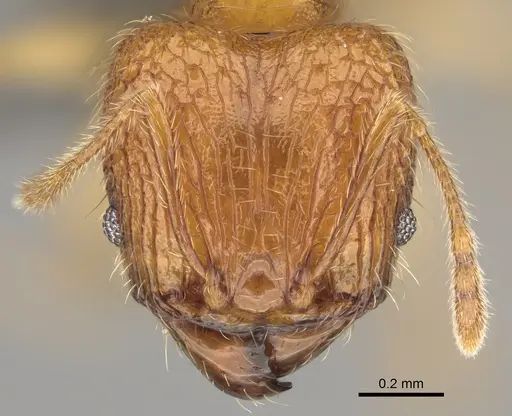
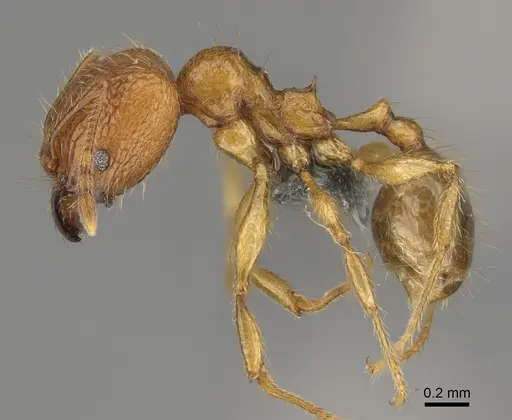
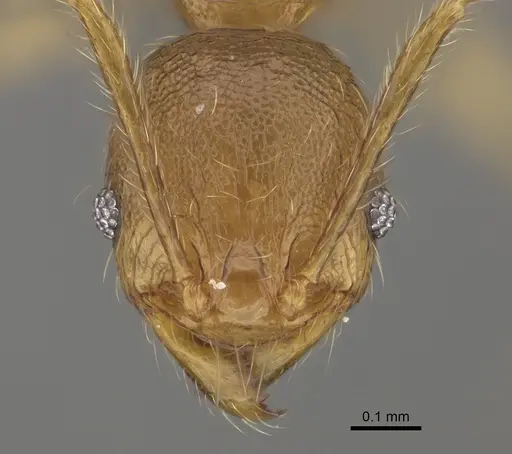
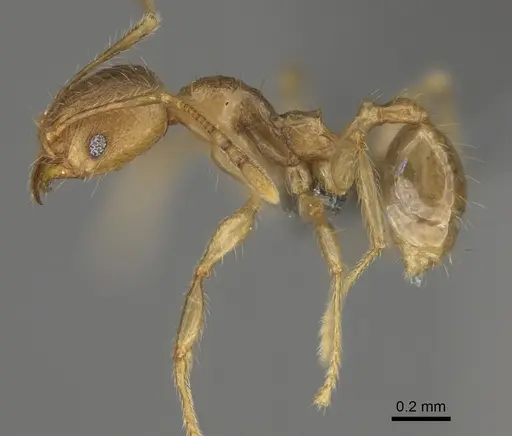
Pheidole sparsa is a small, dimorphic ant species from Madagascar, recently described in 2020. It belongs to the Pheidole sikorae species group, which is known from montane forest habitats across the island. Major workers are dark orange and measure 0.94-1.13mm in head length, while minor workers are dark yellow and considerably smaller at 0.59-0.6mm [1]. This species was discovered at 1606m elevation in montane rainforest, where colonies nest in rotten logs [1]. The species name 'sparsa' refers to the sparse rugae (ridges) on its head. As a recently described species from Madagascar's high-elevation forests, it represents an interesting species for keepers looking to keep something more unusual.
Quick Summary
- Difficulty: Medium
- Origin & Habitat: Madagascar, specifically Bemanevika in Mahajanga (Region Sofia) at 1606m elevation in montane rainforest [1]. This is a high-elevation tropical location, so the species experiences cooler temperatures than typical lowland rainforest ants.
- Colony Type: Colony structure is unconfirmed. Most Pheidole species are monogyne (single queen), though some can be polygyne. The genus is known for having major and minor worker castes.
- Founding: Claustral
- Size & Growth:
- Queen: Unknown, not yet described in scientific literature. Based on related Pheidole species, likely 5-7mm.
- Worker: Major: 0.94-1.13mm head length, Minor: 0.59-0.6mm head length [1]
- Colony: Unknown, no colony size data published. Related Pheidole species typically reach several hundred to a few thousand workers.
- Growth: Moderate, typical for Pheidole species.
- Development: 6-10 weeks at optimal temperature. (Development time is estimated based on typical Pheidole genus patterns. The montane habitat suggests they may develop slightly slower than lowland tropical species.)
- Antkeeping:
- Temperature: Keep around 20-24°C. The high-elevation montane habitat suggests they prefer cooler conditions than typical tropical ants. A gentle gradient allowing the colony to choose their preferred temperature is ideal.
- Humidity: Moderate to high. Montane rainforest conditions mean they need humidity but not saturation. Keep the nest substrate consistently moist but not waterlogged, with some drier areas available.
- Diapause: Unknown, no published data on overwintering behavior. As a montane Madagascar species, they likely experience seasonal temperature changes and may have a reduced activity period. Start with no diapause and observe colony behavior.
- Nesting: In nature, colonies nest in rotten logs [1]. In captivity, a naturalistic setup with rotting wood or cork, or a Y-tong/plaster nest with moisture retention works well. The key is providing humid, wood-based materials that mimic their natural log-nesting behavior.
- Behavior: Pheidole species are generally non-aggressive and focus on seed harvesting and collecting honeydew. Major workers have larger heads and can defend the colony, but they rarely sting. Minors are small at 0.5mm, so escape prevention using fine mesh is important. They are active foragers that will recruit nestmates to food sources.
- Common Issues: escape prevention is critical, minor workers are very small at ~0.5mm and can squeeze through standard barriers, newly described species means limited care information, be prepared to experiment with conditions, rotting wood nesting requirement can lead to mold issues if humidity is too high, slow growth may frustrate beginners, colonies take months to establish
Housing and Nest Setup
Pheidole sparsa naturally nests in rotten logs in montane rainforest [1]. For captivity, replicate this with a naturalistic setup using cork or rotting wood pieces, or a Y-tong/plaster nest that holds moisture well. The nest should have chambers scaled to their size, major workers are around 1mm, minors are about 0.5mm. Provide an outworld area for foraging. Since minors are tiny, use fine mesh (at least 0.5mm) on all openings. A hydration setup that keeps the nest humid without creating standing water works best.
Feeding and Diet
Like most Pheidole species, they are omnivorous. Offer protein sources like small insects (fruit flies, small mealworms, crickets) and provide carbohydrates through sugar water, honey, or honeydew. Pheidole ants are known for harvesting seeds, so you can offer small seeds as enrichment. Feed protein 2-3 times per week and keep sugar water available constantly. Remove uneaten prey after 24-48 hours to prevent mold.
Temperature and Humidity
As a montane species from 1606m elevation in Madagascar, Pheidole sparsa prefers cooler conditions than typical tropical ants. Aim for 20-24°C, avoid high temperatures. Use a heating cable on one side of the nest only if room temperature falls below 18°C, and always provide a temperature gradient so ants can choose their preferred spot. For humidity, keep the nest substrate consistently moist but not soggy. Montane rainforest has moderate humidity, so think damp forest floor conditions rather than tropical swamp. Good ventilation helps prevent mold while maintaining humidity. [1]
Colony Development
This species was only described in 2020,so detailed captive breeding information is limited. Based on typical Pheidole patterns, expect claustral founding where the queen seals herself in a chamber and raises the first brood alone on stored fat reserves. First workers (nanitics) will be smaller than normal minors. Growth is moderate, colonies typically take several months to a year to reach 50-100 workers. The presence of major workers (larger soldiers) typically appears once the colony reaches a few dozen workers. Be patient with this species as it establishes. [1]
Handling and Temperament
Pheidole sparsa is not aggressive and poses no danger to keepers. Major workers can defend the colony with their mandibles but rarely attempt to bite humans. There is no sting. They are active foragers and will establish clear trails to food sources. The main handling concern is their small size, minor workers are only about 0.5mm, making them excellent escape artists. Always use fine mesh and check for gaps when housing this species.
Frequently Asked Questions
How long does it take for Pheidole sparsa to produce first workers?
Expect 6-10 weeks from egg to first worker at optimal temperature (around 20-24°C). This is typical for Pheidole species, though montane species may develop slightly slower. Patience is key during the founding stage.
What do Pheidole sparsa ants eat?
They are omnivorous. Offer small insects (fruit flies, pinhead crickets, small mealworms) for protein 2-3 times per week, and keep sugar water, honey, or honeydew available constantly. They may also accept small seeds.
Can I keep multiple Pheidole sparsa queens together?
Not recommended. While some Pheidole species can be polygyny, colony structure for this specific species is unconfirmed. Combining unrelated foundresses risks fighting and colony loss. Start with a single queen.
What temperature do Pheidole sparsa ants need?
Keep them at 20-24°C. As a montane species from 1606m elevation, they prefer cooler conditions than typical tropical ants. Avoid temperatures above 28°C.
What is the best nest type for Pheidole sparsa?
A naturalistic setup with rotting wood or cork works best since they naturally nest in rotten logs. A Y-tong or plaster nest with good moisture retention is also suitable. The key is providing humid, wood-based materials.
Why are my Pheidole sparsa escaping?
Minor workers are very small (about 0.5mm) and can squeeze through standard barriers. Use fine mesh (0.5mm or smaller) on all openings and check for gaps around tubing connections.
Does Pheidole sparsa need hibernation?
Unknown. As a montane Madagascar species, they likely experience seasonal temperature changes. Start without hibernation and observe colony behavior. If they become less active in cooler months, reduce temperatures slightly rather than forcing full diapause.
How big do Pheidole sparsa colonies get?
Colony size is unconfirmed for this species, but related Pheidole species typically reach several hundred to a few thousand workers. Major workers appear once the colony is established.
Are Pheidole sparsa good for beginners?
They are moderate difficulty. The main challenges are their small size (escape prevention is critical), limited available care information as a newly described species, and potentially slower growth than common pet species. Experienced antkeepers should have success.
References

This caresheet is licensed under CC BY-SA 4.0 .
CASENT0705586
View on AntWeb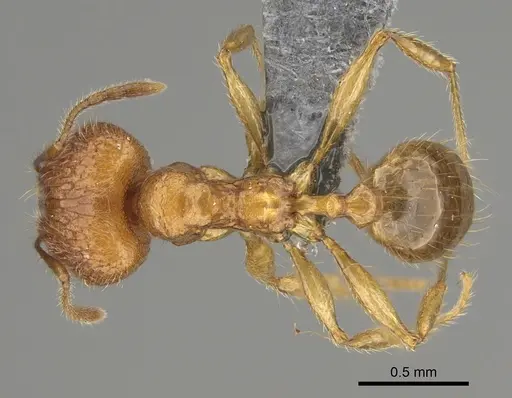
CASENT0923289
View on AntWeb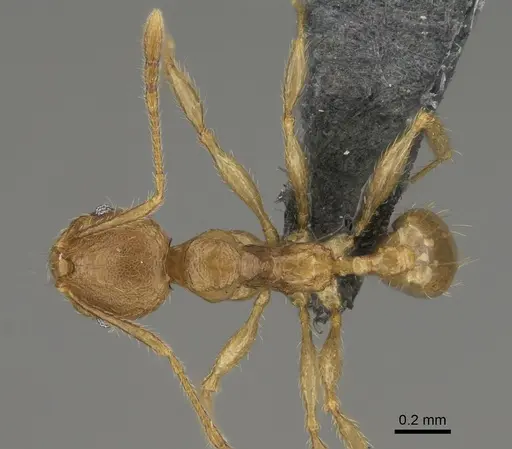
Literature
Loading...Loading products...