

Pheidole soritis
- Scientific Name
- Pheidole soritis
- Tribe
- Attini
- Subfamily
- Myrmicinae
- Author
- Wheeler, 1908
- Distribution
- Found in 2 countries
Pheidole soritis Overview
Pheidole soritis is an ant species of the genus Pheidole. It is primarily documented in 2 countries , including Mexico, United States of America. Detailed taxonomic data and occurrence records can be further explored via authoritative databases such as AntWeb or the Global Biodiversity Information Facility (GBIF).
Pheidole soritis
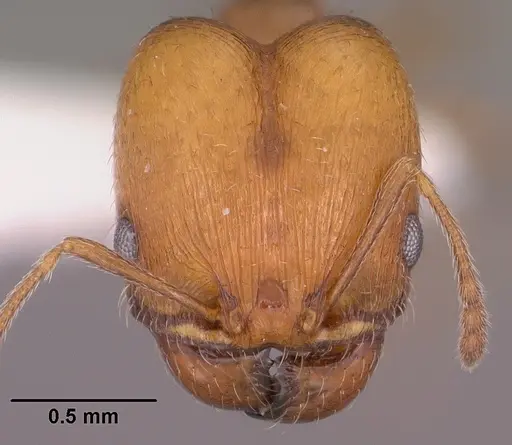
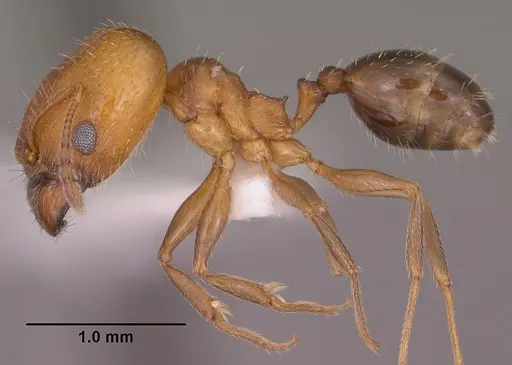
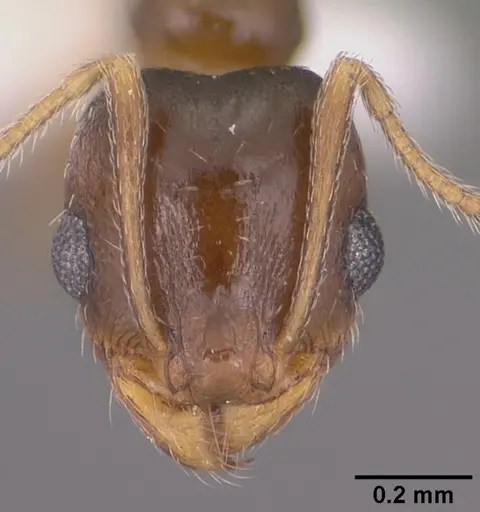
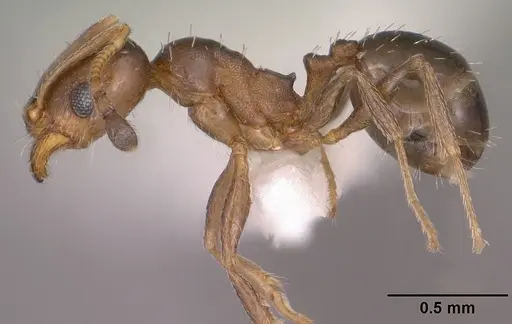
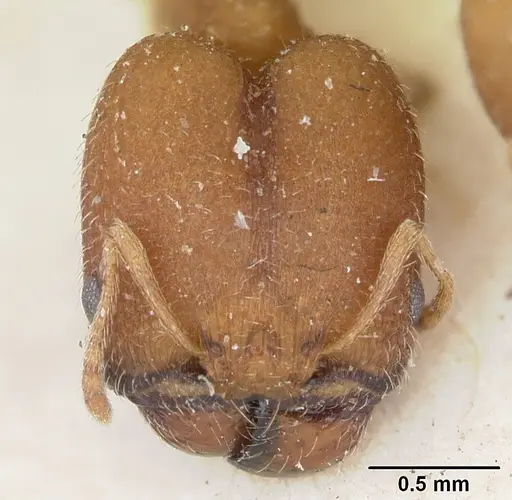
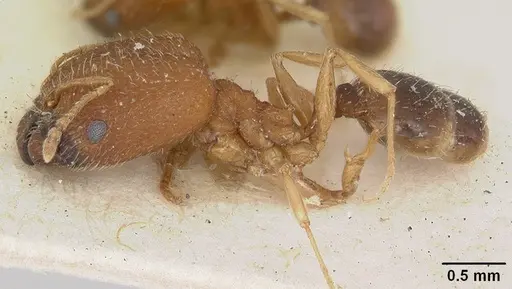
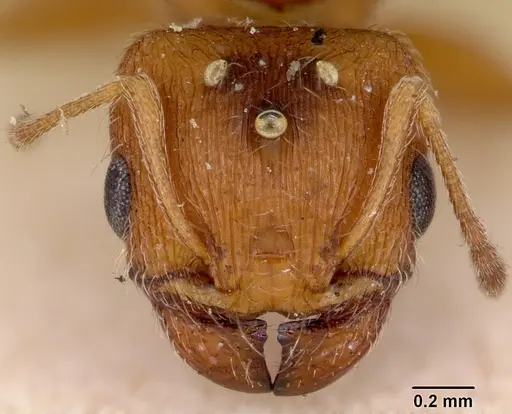
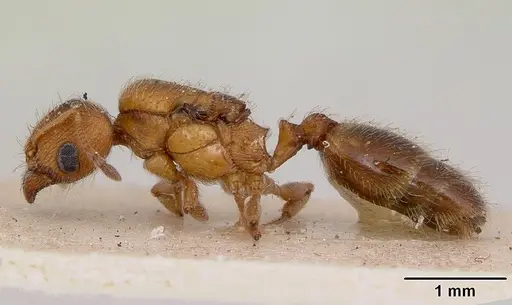
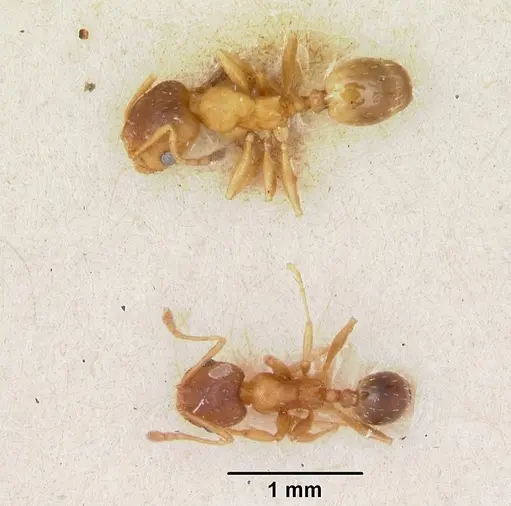
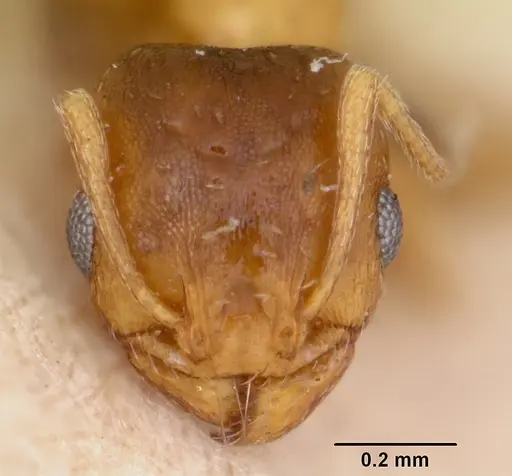
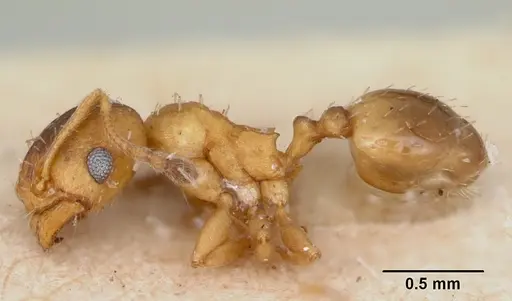
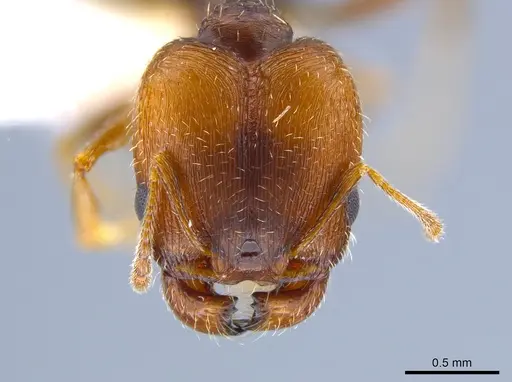
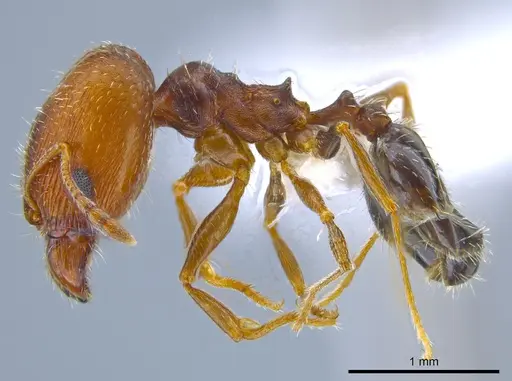
Pheidole soritis is a small, dimorphic ant species native to the southern United States and northern Mexico. Workers come in two sizes: majors (soldiers) are about 2.5mm total length with distinctive longitudinal rugae on the front half of the head, while minors are tiny black ants around 1.8mm with smooth, glossy heads and pronotum [1]. This species belongs to the pilifera group and is known for building small circular crater nests or nesting under rocks in open, unshaded areas [2]. Colonies typically contain 200-300 workers and are monogyne with a single queen that mates only once [3][4]. They are seed-eating ants that forage in groups, typically staying within 3-4 meters of their nest entrances [5].
Quick Summary
- Difficulty: Easy
- Origin & Habitat: Native to the southern United States (Mississippi west to Colorado, Texas, Arizona) and northern Mexico. Found in clay soil of cottonwood-willow woodland, shortgrass prairie, and open juniper woodland at elevations from 1000-3000m [1][6].
- Colony Type: Monogyne (single queen) colonies. Queens mate once and colonies contain 200-300 workers [3][4].
- Colony: Monogyne
- Founding: Claustral
- Size & Growth:
- Queen: Approximately 5-6mm (estimated based on genus patterns)
- Worker: Minors: 1.8mm [5], Majors: ~2.5mm total length [1]
- Colony: 200-300 workers [4]
- Growth: Moderate
- Development: 6-8 weeks (estimated based on typical Pheidole development) (Pheidole species typically develop from egg to worker in 6-8 weeks at room temperature)
- Antkeeping:
- Temperature: Keep at room temperature (20-24°C). This species tolerates a range of conditions from cooler temperate areas to warmer southwestern habitats.
- Humidity: Moderate humidity. They naturally nest in clay soils in areas with moderate moisture, so keep substrate slightly moist but not waterlogged.
- Diapause: Yes, likely requires a winter rest period given their temperate to subtropical range. Reduce temperature to 10-15°C for 2-3 months during winter.
- Nesting: They naturally nest under rocks or build small circular crater nests in unshaded areas [2]. In captivity, a standard formicarium or Y-tong nest works well. They prefer a dry to moderately humid nest environment.
- Behavior: These are peaceful ants that are not aggressive toward keepers. They are seed-eaters (harvester ants) that also forage for small insects. Minors handle most foraging while majors defend the colony. They are group foragers that typically stay close to the nest [5]. Escape risk is moderate, their small size means they can squeeze through small gaps, so use standard barrier methods.
- Common Issues: small size means escapes are possible without proper barriers, colonies are relatively small (200-300 workers) so growth may seem slow, seed-based diet requires appropriate food variety, offer both seeds and protein, wild-caught colonies may have parasites that affect survival in captivity
Nest Preferences and Housing
In the wild, Pheidole soritis builds small circular crater nests or nests under rocks in unshaded areas with clay soil [2]. They prefer open habitats like shortgrass prairie, cottonwood-willow woodland, and juniper woodland [1]. For captive colonies, a standard formicarium with chambers sized for their small colony size works well. They do best with a nesting area that stays relatively dry with just moderate moisture in the substrate. A Y-tong (acrylic) nest or a simple test tube setup works for founding colonies. Because they are small ants, ensure any connections between nest areas and outworld are properly sealed to prevent escapes.
Feeding and Diet
Pheidole soritis is a seed-eating ant species, classified as a harvester ant that collects and stores seeds [5]. They are group foragers that typically travel 3-4 meters from their nest entrances to find food [5]. In captivity, offer a mix of seeds (grass seeds, millet, small bird seed) as their primary food source. They also accept small protein sources like small mealworms, fruit flies, or other tiny insects. Sugar water or honey can be offered occasionally but is not their primary diet. Feed seeds continuously available and protein 1-2 times per week. Remove uneaten seeds periodically to prevent mold.
Temperature and Seasonal Care
This species tolerates a wide temperature range given their extensive geographic range from the central US to northern Mexico. Keep them at room temperature (20-24°C) for normal activity and colony growth. They likely require a winter diapause period given their temperate distribution. During winter (roughly November-February in the northern hemisphere), reduce temperatures to 10-15°C to allow the colony to rest. Do not feed heavily during diapause. Return to normal temperatures in spring to stimulate egg-laying. Nuptial flights occur in August following rainfall in the wild [1], so timing your colony's reproductive cycle to this natural rhythm is beneficial.
Behavior and Colony Dynamics
Pheidole soritis colonies are monogyne, meaning they have a single queen that mates only once (monandrous) [7][3]. This is unusual in the ant world where many species have multiple matings. Colonies grow to 200-300 workers, which is moderate for a Pheidole species [4]. The colony has two worker castes: smaller minors that handle most foraging and brood care, and larger majors (soldiers) that defend the colony and help process larger food items. They are not aggressive toward humans and rarely sting. When threatened, majors may defend while minors evacuate the brood. They are group foragers rather than individual foragers, sending out multiple workers to collect seeds and small prey together [5].
Frequently Asked Questions
How long does it take for Pheidole soritis to have first workers?
Expect first workers (nanitics) to emerge in 6-8 weeks after the queen lays eggs, depending on temperature. This is typical for Pheidole species at room temperature (20-24°C).
What do Pheidole soritis ants eat?
They are seed-eating harvester ants. Offer grass seeds, millet, or small bird seed as a primary food. They also accept small protein like fruit flies, pinhead crickets, or small mealworms. Sugar water can be offered occasionally.
How big do Pheidole soritis colonies get?
Colonies reach 200-300 workers at maturity [4]. This is moderate for a Pheidole species.
Can I keep multiple queens together?
No. This is a monogyne species with a single queen per colony. Combining unrelated queens is not recommended and would likely result in fighting.
What temperature do Pheidole soritis need?
Room temperature (20-24°C) is ideal. They tolerate a range given their wide distribution. No special heating is typically needed.
Do Pheidole soritis need hibernation?
Yes, they likely require a winter rest period. Reduce temperature to 10-15°C for 2-3 months during winter (roughly November-February).
Are Pheidole soritis good for beginners?
Yes, they are considered easy to keep. They are small, peaceful, and have straightforward care requirements. Their main needs are appropriate seeds, moderate humidity, and winter diapause.
When do Pheidole soritis have nuptial flights?
Nuptial flights occur in August following rainfall in the wild [1]. In captivity, expect alates (reproductives) to develop in summer.
How do I house Pheidole soritis?
A standard formicarium or Y-tong nest works well. They naturally nest under rocks or in small crater nests in clay soil. Keep the nest relatively dry with moderate substrate moisture. Ensure escape prevention is adequate due to their small size.
References

This caresheet is licensed under CC BY-SA 4.0 .
CASENT0104447
View on AntWeb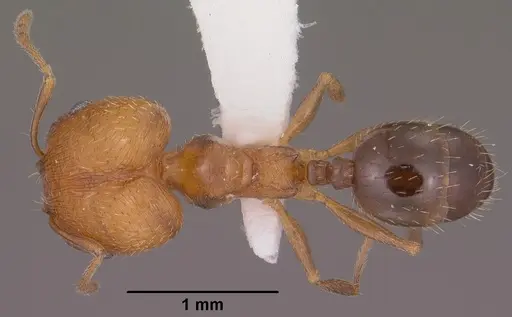
CASENT0104448
View on AntWeb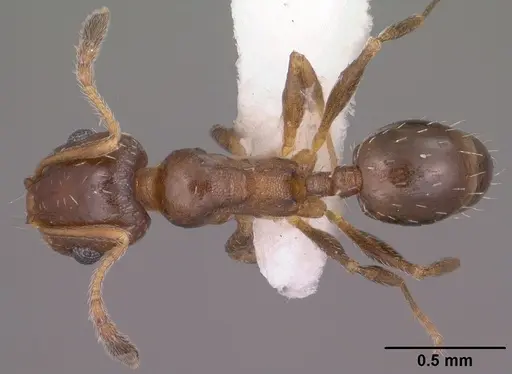
CASENT0172980
View on AntWeb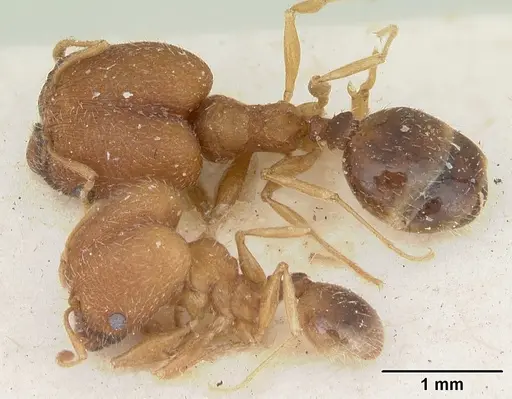
CASENT0172981
View on AntWeb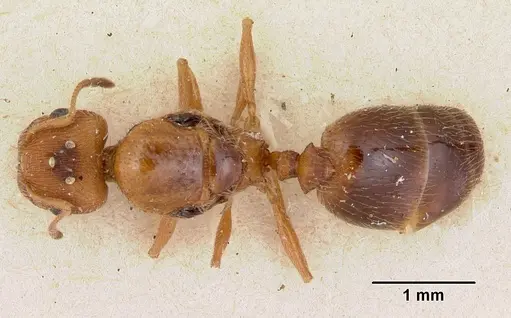
CASENT0172982
View on AntWeb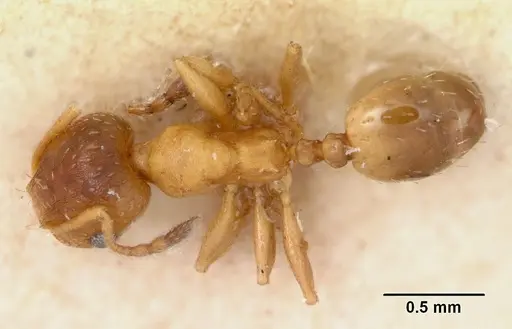
CASENT0635652
View on AntWeb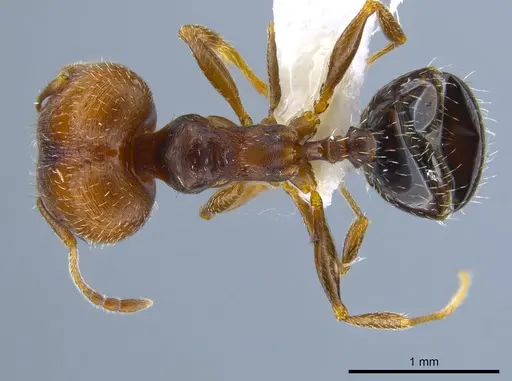
Literature
Loading...Loading products...