

Pheidole simplex
- Scientific Name
- Pheidole simplex
- Tribe
- Attini
- Subfamily
- Myrmicinae
- Author
- Wheeler, 1925
- Distribution
- Found in 2 countries
Pheidole simplex Overview
Pheidole simplex is an ant species of the genus Pheidole. It is primarily documented in 2 countries , including Colombia, Peru. Detailed taxonomic data and occurrence records can be further explored via authoritative databases such as AntWeb or the Global Biodiversity Information Facility (GBIF).
Pheidole simplex
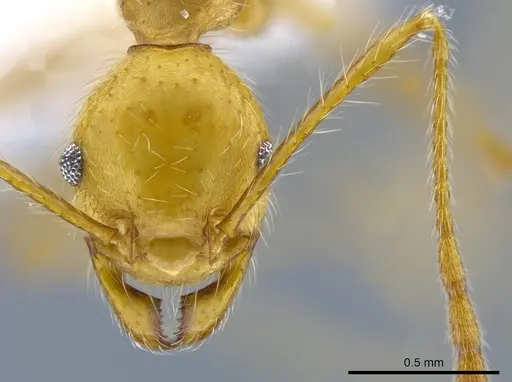
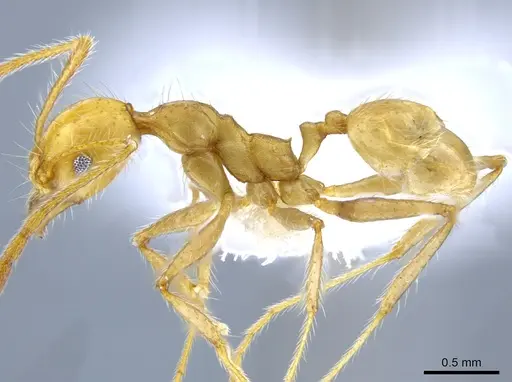
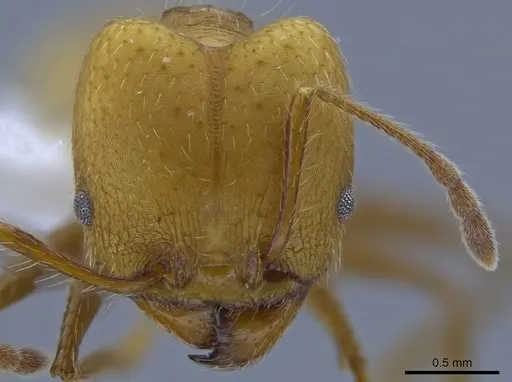
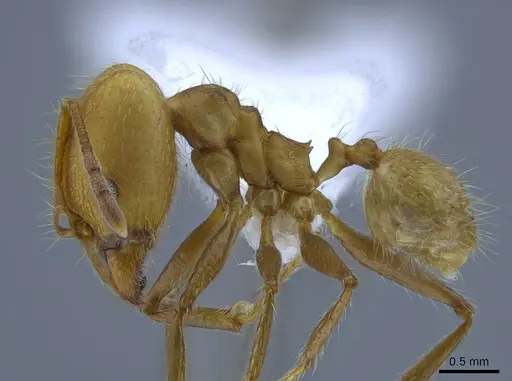
Pheidole simplex is a small Neotropical ant belonging to the biconstricta species group. Major workers measure approximately 1.42mm with a yellowish-red body, while minor workers are around 0.64mm with a yellowish-brown coloration and slightly darker gaster. This species is distinguished by its dense, long, semi-erect to erect hairs and reduced propodeal spines in both castes. The first gastral tergite is only shagreened on the anterior half, appearing more opaque than the posterior portion.
This ant is poorly known in the scientific literature, with confirmed records only from Amazonian Brazil and Peru. It nests in rotten logs within terra firme (upland) forest, a common habitat type in the Amazon basin. As a member of the genus Pheidole, this species likely has the typical colony structure with one queen and produces both major and minor worker castes, though specific details for P. simplex remain unconfirmed.
Quick Summary
- Difficulty: Unknown
- Origin & Habitat: Amazonian Brazil and Peru, found in terra firme forest nesting in rotten logs[1]
- Colony Type: Unconfirmed, likely single-queen colonies typical of Pheidole genus
- Size & Growth:
- Queen: Unknown, no documented measurements for queens
- Worker: Major workers 1.42mm, minor workers 0.64mm
- Colony: Unknown, no colony size data available
- Growth: Unknown
- Development: Unknown, estimate 6-8 weeks based on typical Pheidole development (No direct development data exists for this species. Pheidole species typically develop from egg to worker in 6-8 weeks at tropical temperatures.)
- Antkeeping:
- Temperature: Unknown, likely 24-28°C based on tropical rainforest origin. Start in the mid-range and observe colony activity.
- Humidity: High, rainforest species requiring humid conditions. Keep nest substrate consistently moist but not waterlogged.
- Diapause: Unknown, tropical species likely does not require hibernation, but seasonal behavior is unstudied
- Nesting: In nature, they nest in rotten logs in terra firme forest. In captivity, a naturalistic setup with moist substrate (soil/peat mix) or a plaster/acrylic nest with high humidity works well. Avoid drying out.
- Behavior: Behavior is unstudied in captivity. As a Pheidole species, they likely have typical big-headed ant behavior: majors can defend the colony and process hard food items while minors handle most forager tasks. They are probably not aggressive but will bite if threatened. Escape risk is moderate, minor workers at 0.64mm require standard barrier precautions.
- Common Issues: this species is extremely poorly documented in scientific literature, making care recommendations largely speculative, no confirmed information on queen founding behavior or colony establishment, humidity requirements are inferred rather than documented, monitor for signs of drying stress, tropical origin means they may be sensitive to temperature drops below 20°C, no data on accepted foods, start with standard ant diet and observe
Nest Preferences
In the wild, Pheidole simplex nests in rotten logs within terra firme forest in the Amazon basin. This indicates a preference for humid, decomposing wood as nesting material. For captive care, provide a naturalistic setup with moist substrate (a mix of soil, peat, and rotting wood pieces works well) or use a plaster/acrylic formicarium kept consistently humid. The key is maintaining moisture without creating standing water. A water reservoir connected to the nest area helps maintain humidity. Avoid dry conditions, this species comes from one of the wettest environments on Earth. [1]
Feeding and Diet
No specific dietary studies exist for Pheidole simplex. As a member of the tribe Attini (leafcutter and fungus-growing ants), many Pheidole species are generalist foragers that consume plant matter, honeydew, and small insects. Start with standard ant foods: protein sources like small insects (fruit flies, small mealworms, crickets) and sugar sources (honey water, sugar water). Observe your colony's preferences and adjust accordingly. Pheidole majors can handle larger prey items thanks to their larger mandibles.
Temperature and Care
This species originates from the Amazon rainforest of Brazil and Peru, a consistently warm and humid tropical environment. Temperature requirements are not scientifically documented, but a range of 24-28°C is a reasonable starting point based on its origin. Monitor colony activity, if workers cluster together excessively, they may need warmth, if they avoid heated areas, reduce temperature. Avoid temperatures below 20°C. Room temperature in most homes (20-24°C) may be acceptable, but a small heating cable on one side of the nest can provide a gradient if your colony seems sluggish. [1]
Behavior and Temperament
Specific behavioral observations for P. simplex are not documented in scientific literature. However, Pheidole as a genus is known for having two distinct worker castes: minor workers handle most daily tasks including foraging and brood care, while major workers (soldiers) defend the colony and process larger food items. This species likely follows similar patterns. They probably are not particularly aggressive but will bite if the nest is disturbed. The major workers' large heads are adapted for seed-crushing and defense. Escape prevention should be standard, minor workers at 0.64mm are not tiny but can still squeeze through small gaps.
Frequently Asked Questions
How long does it take for Pheidole simplex to go from egg to worker?
The egg-to-worker development time is unconfirmed for this specific species. Based on typical Pheidole genus patterns, expect approximately 6-8 weeks at tropical temperatures (around 25-27°C). The first workers (nanitics) will be smaller than mature workers.
What do Pheidole simplex ants eat?
No specific dietary studies exist for this species. Based on typical Pheidole behavior, offer small insects (fruit flies, pinhead crickets, small mealworms) as protein and sugar water or honey as carbohydrates. Observe your colony's acceptance and adjust accordingly.
Can I keep multiple queens together in a Pheidole simplex colony?
This has not been documented for this species. Pheidole species are typically single-queen (monogyne) colonies. Do not attempt combining unrelated foundress queens without evidence they can coexist.
What temperature is best for Pheidole simplex?
Temperature requirements are not scientifically documented. Based on their Amazonian origin, aim for 24-28°C. Avoid dropping below 20°C. A small heating cable on part of the nest can provide a gradient.
Is Pheidole simplex a good species for beginners?
This species is not recommended for beginners due to the lack of documented care information. It is also extremely rare in the antkeeping hobby. Consider starting with better-documented Pheidole species like Pheidole metallescens or Pheidole nodus.
What humidity level do Pheidole simplex ants need?
High humidity is required, this is a rainforest species from the Amazon. Keep the nest substrate consistently moist but not waterlogged. A humidity range of 70-85% is a reasonable target, with actual substrate moisture being more important than air humidity percentages.
How big do Pheidole simplex colonies get?
Colony size is unconfirmed for this species. Most Pheidole colonies reach several hundred to a few thousand workers. Without specific data, expect moderate colony growth over several years.
Do Pheidole simplex ants need hibernation?
No, this is a tropical Amazonian species that does not experience cold winters. They do not require hibernation or diapause. Maintain warm temperatures year-round.
References

This caresheet is licensed under CC BY-SA 4.0 .
CASENT0650574
View on AntWeb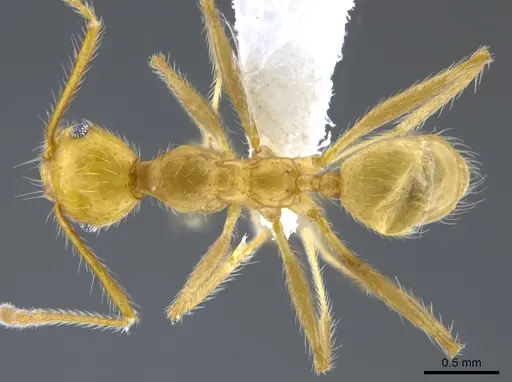
CASENT0650575
View on AntWeb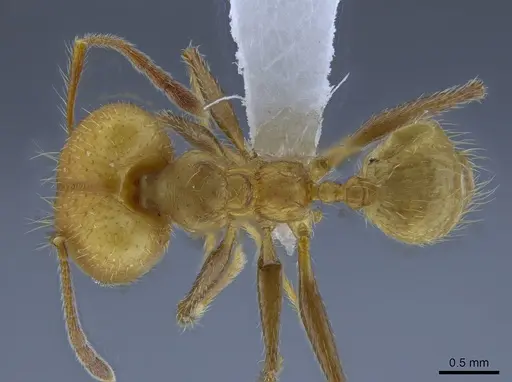
Literature
Loading...Loading products...