

Pheidole simonsi
- Scientific Name
- Pheidole simonsi
- Tribe
- Attini
- Subfamily
- Myrmicinae
- Author
- Wilson, 2003
- Distribution
- Found in 6 countries
Pheidole simonsi Overview
Pheidole simonsi is an ant species of the genus Pheidole. It is primarily documented in 6 countries , including Costa Rica, Guatemala, Honduras. Detailed taxonomic data and occurrence records can be further explored via authoritative databases such as AntWeb or the Global Biodiversity Information Facility (GBIF).
Pheidole simonsi
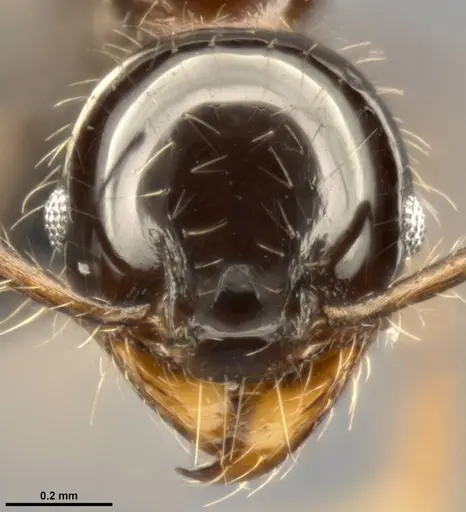
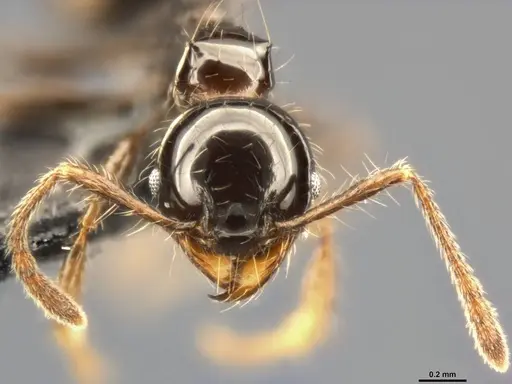
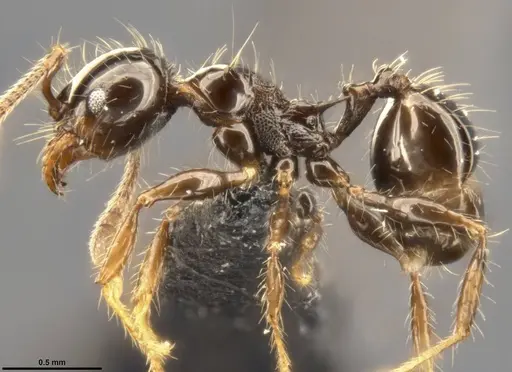
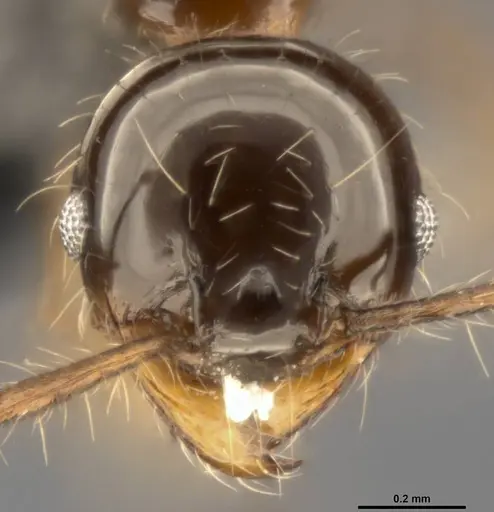
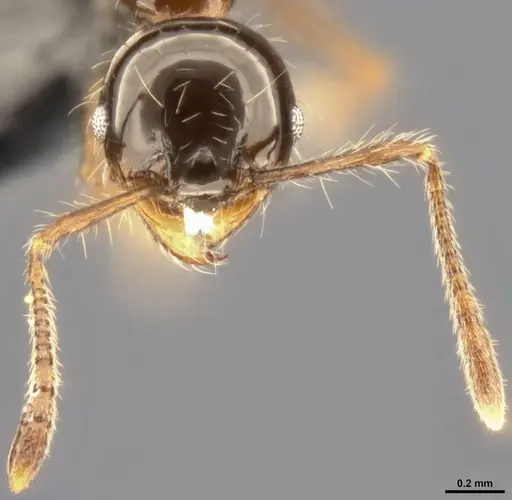
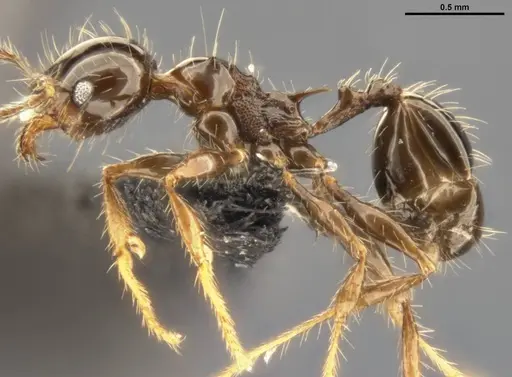
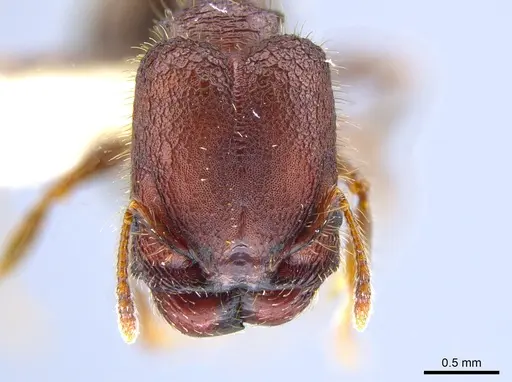
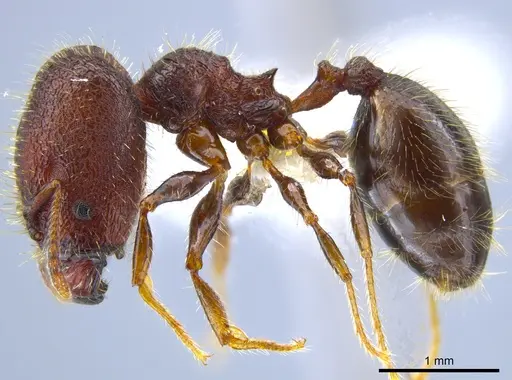
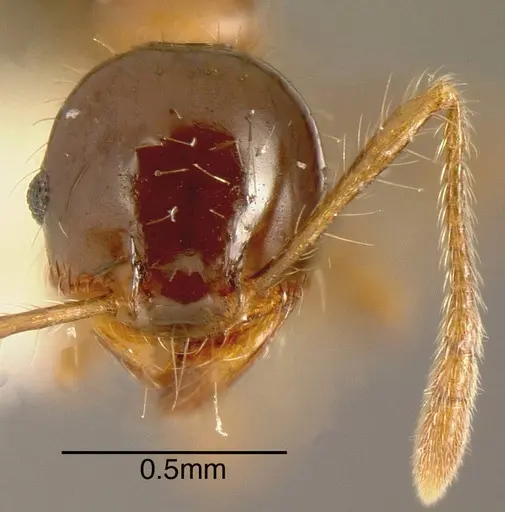
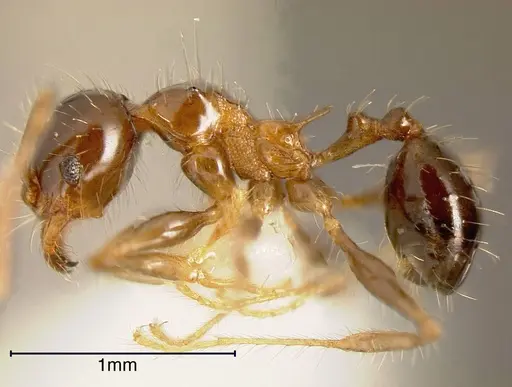
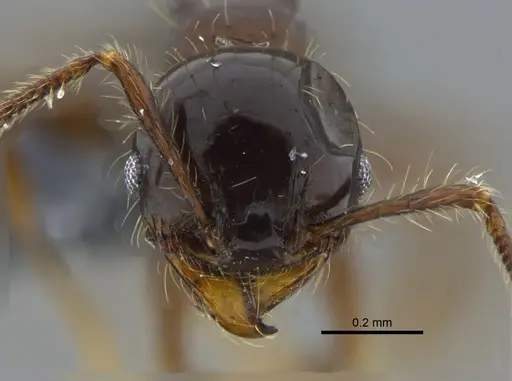
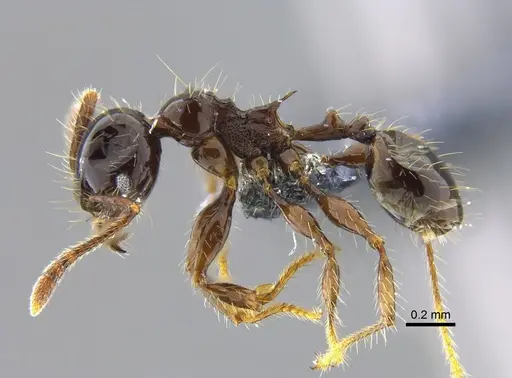
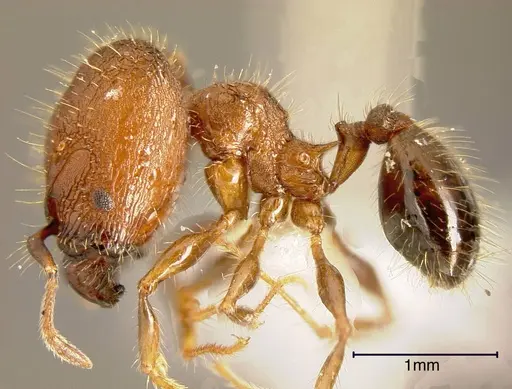
Pheidole simonsi is a dimorphic ant species native to Central America, ranging from Mexico down to Colombia. This medium-sized ant features two distinct worker castes: minor workers at about 2.5mm with smooth, shiny bodies and remarkably long, needle-like propodeal spines, and major workers at 5-6mm with massive heads adapted for seed-crushing [1]. The species inhabits moist to wet tropical forests across its range, nesting in soil about 10cm deep and creating distinctive nest entrances surrounded by a ring of excavated soil [2]. What makes P. simonsi stand out is its flexible diet, while majors have the massive heads typical of seed-eating ants and nests do contain seed caches, workers readily recruit to various protein baits, showing they are not strict granivores [3].
Quick Summary
- Difficulty: Medium
- Origin & Habitat: Native to Central America, found in moist to wet tropical forests from Mexico through Costa Rica to Panama, with recent records extending to Colombia. Elevational range from sea level to 800m [1][2].
- Colony Type: Colony structure is not well-documented in scientific literature. As a Pheidole species, they likely form monogyne (single-queen) colonies, though this requires confirmation for this specific species.
- Founding: Claustral
- Size & Growth:
- Queen: Approximately 6-7mm (estimated based on genus patterns)
- Worker: Minor workers: 2.5-2.8mm, Major workers: 5-6mm [1][4]
- Colony: Likely reaches several hundred workers based on typical Pheidole colony sizes
- Growth: Moderate, typical for tropical Pheidole species
- Development: 6-10 weeks (estimated based on related Pheidole species) (Development time is estimated as this species has not been specifically studied. Tropical Pheidole species typically develop faster than temperate species.)
- Antkeeping:
- Temperature: Keep at 24-28°C. This is a tropical species requiring warm, stable temperatures typical of lowland rainforest habitat [1].
- Humidity: High humidity, aim for 70-80%. These ants naturally inhabit moist to wet forest environments and need consistently damp substrate [2].
- Diapause: No, as a tropical species, they do not require hibernation or winter dormancy. Maintain consistent temperatures year-round.
- Nesting: Soil-nesting species. In captivity, they do well in naturalistic setups with deep substrate (at least 5-10cm) or in formicariums with soil chambers. They prefer dark, humid nest chambers and will excavate their own tunnels [2].
- Behavior: These ants are active foragers with a strong recruitment system. Minor workers scout for food while majors stay near the nest but can be recruited for large food items. They are not aggressive toward keepers but majors can deliver a mild sting if handled. Minor workers are small (under 3mm) so escape prevention should focus on fine mesh barriers. They readily accept both protein foods and seeds, making them relatively easy to feed [3].
- Common Issues: high humidity needs can lead to mold if ventilation is poor, balance is key, tropical species will be stressed by temperatures below 20°C, keep warm year-round, major workers with large heads may have difficulty navigating narrow tubes, provide wider foraging areas, seed-storing behavior means they may ignore fresh protein if well-fed, vary their diet, colonies may be slow to establish during founding phase, patience is essential
Housing and Nest Setup
Pheidole simonsi is a soil-nesting ant that naturally excavates nests about 10cm deep in forest floor soil. In captivity, they do best in naturalistic setups with a deep soil layer (at least 5-10cm) or in formicariums designed for ground-nesting species. Y-tong (acrylic) nests with soil or plaster inserts work well, as do classic formicariums with soil chambers. The key is providing dark, humid nest chambers, these ants prefer enclosed, protected spaces rather than exposed areas. A small outworld connected to the nest allows for foraging. Because majors have large heads, ensure any tubes or passages are wide enough for them to move through comfortably. A water reservoir connected to the nest helps maintain humidity without over-wetting the substrate. [3][2]
Feeding and Diet
This species is omnivorous with a flexible diet. In the wild, they store seeds in their nests (showing granivorous tendencies from their major workers' massive head morphology), but they also actively hunt protein and recruit to various food baits [3]. In captivity, offer a varied diet: protein sources like small crickets, mealworms, or other insects 2-3 times per week, along with sugar sources like honey water or sugar water. Seeds (millet, chia, or small bird seed) can be offered as enrichment, though they may not process them as intensively as dedicated seed-eaters. The key is variety, they will readily take protein but also benefit from carbohydrate sources. Remove uneaten protein after 24-48 hours to prevent mold.
Temperature and Humidity
As a tropical species from lowland Central American forests, P. simonsi requires warm, humid conditions. Keep temperatures in the range of 24-28°C, avoid dropping below 20°C as prolonged cool conditions will stress and potentially kill colonies. A heating cable on one side of the nest can create a gentle gradient, but avoid direct heat that dries out the substrate. Humidity should be maintained at 70-80%, the substrate should feel consistently damp but not waterlogged. A water reservoir connected to the nest chamber helps maintain moisture over time. Because they come from moist forest habitats, monitor for mold growth and provide adequate ventilation to prevent stagnant air while retaining humidity. [1]
Colony Development and Growth
Pheidole simonsi is a dimorphic species with distinct major and minor worker castes. The major workers develop from larvae that receive extra food, this is typical of Pheidole and related genera. During founding, the claustral queen seals herself in a chamber and raises the first brood alone on her metabolic reserves. The first workers (nanitics) will be smaller than normal workers. As the colony grows, majors will begin appearing, typically when the colony reaches several dozen workers. Growth rate is moderate for a tropical ant. Expect 6-10 weeks from egg to first worker under optimal conditions, though this is estimated based on related species since this specific species has not been studied. Colonies can likely reach several hundred workers over time.
Behavior and Foraging
These ants show classic Pheidole foraging behavior. Minor workers actively scout for food and will recruit nestmates when they find something worth sharing. The recruitment system is efficient, a few scouts can quickly bring dozens of workers to a food source. Major workers primarily stay near the nest and help with seed processing or defending the colony, but they can be recruited for large food items. They are not particularly aggressive toward humans but majors can deliver a mild sting if threatened. In the wild, they create distinctive nest entrances with a flat arena surrounded by excavated soil, you may see similar behavior in naturalistic setups. They are most active during warmer parts of the day in captivity. [3][2]
Frequently Asked Questions
Is Pheidole simonsi a good beginner ant?
Pheidole simonsi is a medium-difficulty species. They are more demanding than common temperate ants like Lasius because they require warm, humid tropical conditions year-round. However, they are not as difficult as some specialized species. If you can maintain temperatures of 24-28°C and humidity around 70-80%, they are manageable. Their omnivorous diet makes feeding straightforward.
What do Pheidole simonsi ants eat?
They are omnivorous. Offer protein (insects like crickets, mealworms) 2-3 times per week, sugar sources (honey water, sugar water) continuously, and you can optionally offer seeds as enrichment. They readily recruit to various baits, so variety is key to keeping them healthy.
How long does it take for Pheidole simonsi to have first workers?
Estimated 6-10 weeks from egg to first worker at optimal temperature (around 26°C). This is based on typical Pheidole development since this specific species has not been studied. The claustral queen will seal herself in and raise the first brood alone.
What temperature do Pheidole simonsi need?
Keep them at 24-28°C. This tropical species cannot tolerate cool temperatures, avoid letting them drop below 20°C. A heating cable or mat on one side of the nest can help maintain warmth, but monitor to avoid overheating.
Do Pheidole simonsi need hibernation?
No, they do not hibernate. As a tropical species from Central America, they require consistent warm temperatures year-round. There is no diapause period, maintain the same temperature and care schedule throughout the year.
How big do Pheidole simonsi colonies get?
Based on typical Pheidole colony sizes, they likely reach several hundred workers. The exact maximum is not documented, but colonies of this size are common in the genus.
Can I keep multiple Pheidole simonsi queens together?
This has not been studied for this specific species. Based on typical Pheidole behavior, single-queen colonies are most common. Combining unrelated foundress queens is not recommended as they would likely fight.
What size formicarium does Pheidole simonsi need?
They need a nest with deep soil chambers (at least 5-10cm of substrate) since they naturally nest 10cm deep in the wild. Naturalistic setups with soil or formicariums with soil chambers work best. The nest should be dark and humid with chambers the ants can excavate or occupy.
Why are my Pheidole simonsi dying?
The most common causes are: temperatures too low (below 20°C stresses tropical species), humidity too low (they need 70-80%), or mold from poor ventilation. Check your temperature and humidity first. Also ensure you are not overfeeding, uneaten protein mold can be harmful. If caught early, improving conditions usually helps recovery.
References

This caresheet is licensed under CC BY-SA 4.0 .
CASENT0283070
View on AntWeb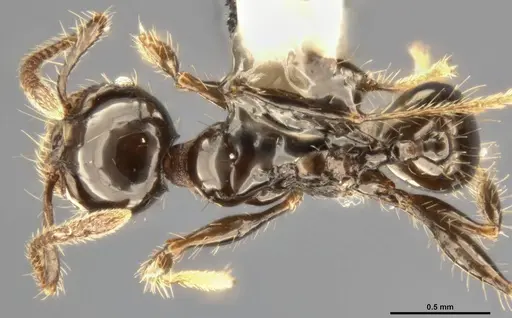
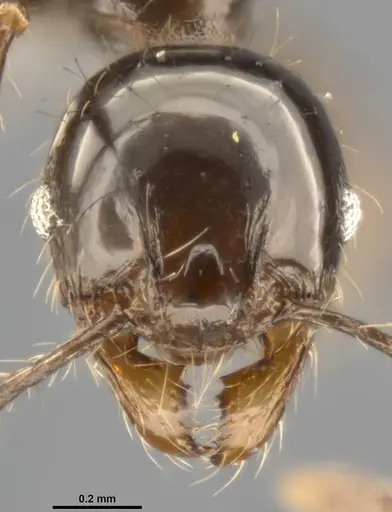
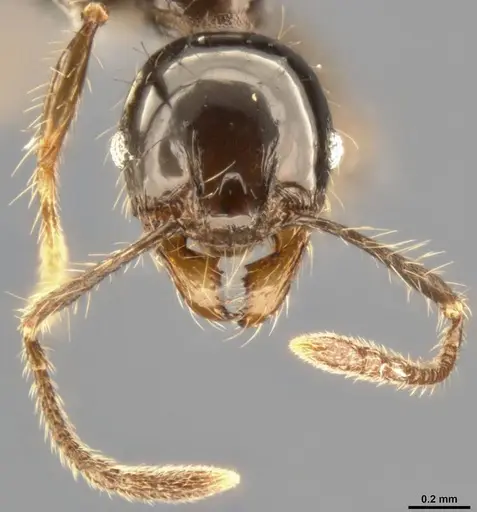
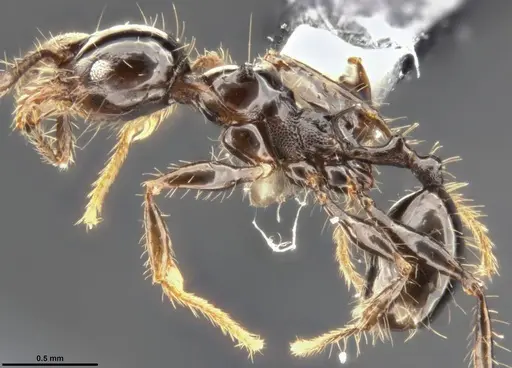
CASENT0283444
View on AntWeb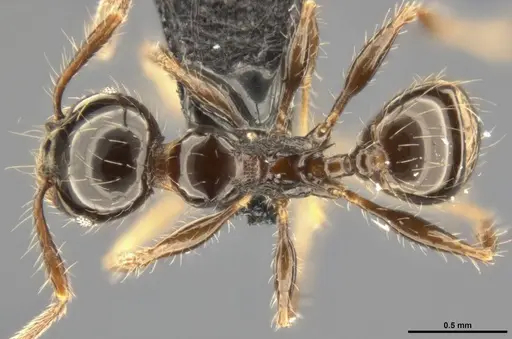
CASENT0283445
View on AntWeb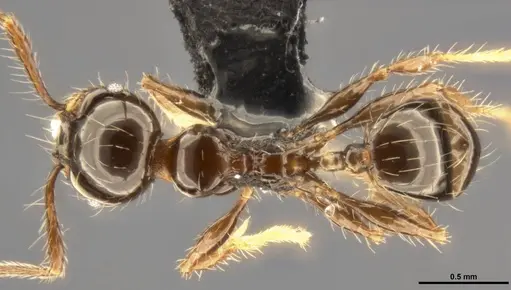
CASENT0633448
View on AntWeb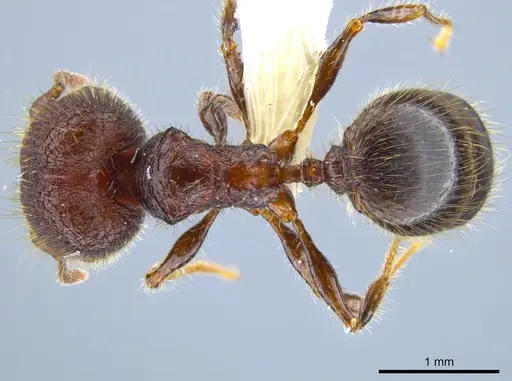
CASENT0635528
View on AntWeb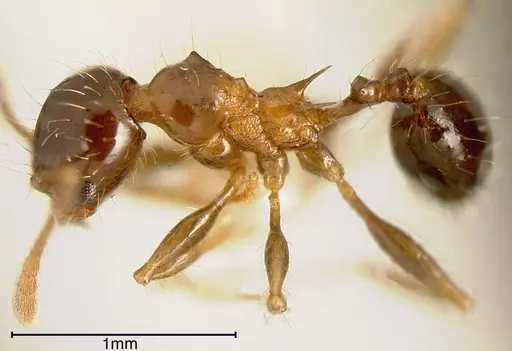
CBUMAGENT42048
View on AntWeb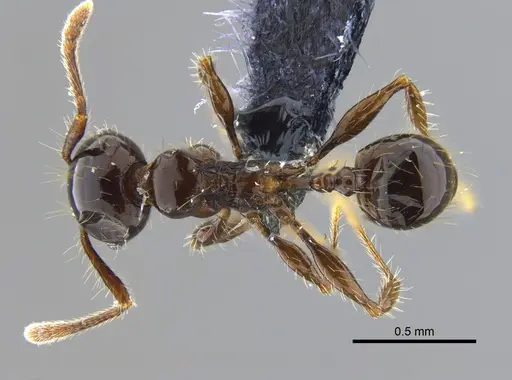
INBIOCRI001237520
View on AntWeb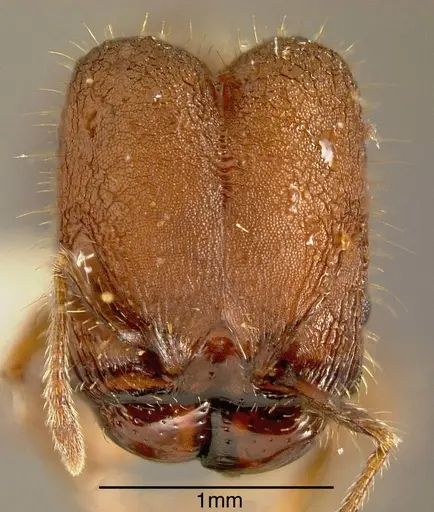
Literature
Loading...Loading products...