

Pheidole similigena
- Scientific Name
- Pheidole similigena
- Tribe
- Attini
- Subfamily
- Myrmicinae
- Author
- Wheeler, 1937
- Distribution
- Found in 1 countries
Pheidole similigena Overview
Pheidole similigena is an ant species of the genus Pheidole. It is primarily documented in 1 countries , including Cuba. Detailed taxonomic data and occurrence records can be further explored via authoritative databases such as AntWeb or the Global Biodiversity Information Facility (GBIF).
Pheidole similigena
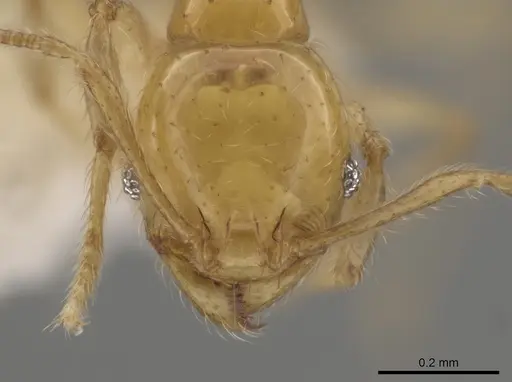
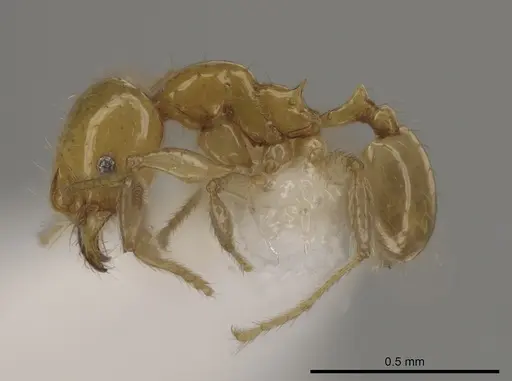
Pheidole similigena is a small big-headed ant native to Cuba, where it is endemic. The species was described by Wheeler in 1937 and is known from the Trinidad Mountains in Las Villas Province and Pinar del Rio at elevations of 750-1100 meters [1]. Major workers measure 2.5-3mm with a distinctive subrectangular head, very small eyes, and a light reddish-brown coloration, while minor workers are tiny at 1.4-1.5mm and appear almost completely smooth and glossy with a yellowish-brown color [1]. The species is also recorded from Meta, Colombia, representing an unusual disjunction in its range [1]. As a Pheidole species, they have the characteristic major workers (soldiers) with enlarged heads for seed-processing and colony defense.
Nothing is known about this species' specific biology, including founding behavior, colony size, or exact dietary preferences. However, as a Cuban species from higher elevations in the Trinidad Mountains, it likely inhabits humid forest environments and follows patterns typical of the genus Pheidole in the Caribbean region.
Quick Summary
- Difficulty: Unknown, likely Easy to Medium based on genus
- Origin & Habitat: Endemic to Cuba, found in the Trinidad Mountains (Las Villas Province) and Pinar del Rio at 750-1100m elevation. Also recorded from Meta, Colombia [1]. Inhabits humid forest environments in mountainous areas.
- Colony Type: Colony structure is unconfirmed. Most Pheidole species are monogyne (single queen), though some can be polygyne. No data on whether ergatoid replacement reproductives occur in this species.
- Size & Growth:
- Queen: Undescribed in available literature, estimated 5-7mm based on genus patterns
- Worker: Major: 2.5-3mm, Minor: 1.4-1.5mm [1]
- Colony: Unknown, typical Pheidole colonies reach hundreds to low thousands of workers
- Growth: Unknown, estimated Moderate based on genus patterns
- Development: Estimated 6-10 weeks at tropical temperatures based on related Caribbean Pheidole species (Development time is unconfirmed for this species. Estimates based on typical Pheidole genus patterns.)
- Antkeeping:
- Temperature: Based on its Cuban origin and higher elevation habitat (750-1100m), aim for warm conditions around 22-28°C. Avoid temperatures below 18°C or above 32°C. Room temperature in most homes should work well.
- Humidity: Keep nest substrate moderately moist. This species comes from humid mountain forests in Cuba, so aim for 60-80% humidity. Provide a water tube as a moisture source and occasional misting of the outworld.
- Diapause: Unlikely, as a Cuban tropical/subtropical species, diapause is probably not required. However, a slight slow-down during cooler winter months may occur if room temperature drops.
- Nesting: Use standard test tube setups for founding colonies. Once established, Y-tong (AAC) nests or plaster/naturalistic setups work well for Pheidole. Provide moist substrate and avoid overly dry conditions.
- Behavior: Pheidole similigena is expected to show typical Pheidole behavior: majors (soldiers) will defend the colony and process seeds, while minors handle most foraging and brood care. They are likely not aggressive toward keepers but will defend if threatened. Escape risk is moderate, minors are small (1.4mm) so ensure your barrier is effective, but majors at 2.5-3mm are not tiny.
- Common Issues: no biological data exists for this species, care is based on genus inference, very small minor workers mean escape prevention must be adequate, colony growth rate is unknown so patience may be required, endemic status means wild colonies should not be disturbed or collected
Appearance and Identification
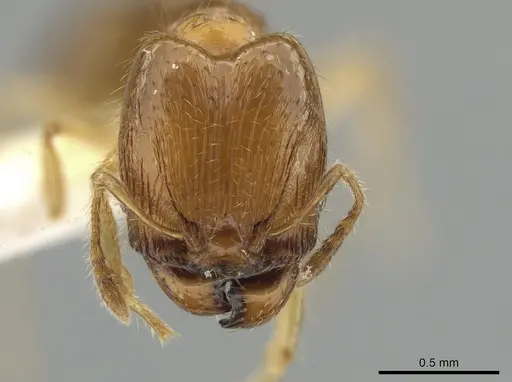
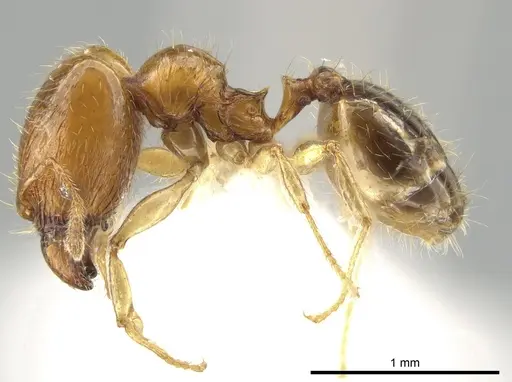
Pheidole similigena is a small big-headed ant with two distinct worker castes. Major workers (soldiers) measure 2.5-3mm and have the characteristic Pheidole enlarged head, which they use for seed processing and colony defense. Their body is light reddish brown with a medium reddish-brown gaster. The head is subrectangular with very small eyes and a moderately deep occipital notch. The dorsal surface of the head has fine ridges (carinulae) covering the anterior half, while the rest of the body is smooth and glossy. Minor workers are much smaller at 1.4-1.5mm and are almost entirely smooth and glossy with a uniform light yellowish-brown coloration. Both castes have moderately long propodeal spines. This species is endemic to Cuba, making it a relatively rare find in the antkeeping hobby. [1]
Natural History and Distribution
Pheidole similigena is endemic to Cuba, where it is known from the Trinidad Mountains in Las Villas Province and Pinar del Rio at elevations between 750-1100 meters [1]. Interestingly, the species has also been recorded from Meta, Colombia, representing an unusual disjunction in its range [1]. The type specimens were collected in May 1936 from Buenos Aires in the Trinidad Mountains. In Cuba, it has been found in both wet and dry localities, with records from five different collection sites [2]. The species is listed as endemic in Cuban ant databases [3]. Nothing is known about its specific biology, including nesting preferences, diet, or colony structure in the wild.
Housing and Nesting
For founding colonies, use a standard test tube setup with a water reservoir. The queen will seal herself in a chamber (claustral founding is typical for Pheidole, though unconfirmed for this specific species). Once the colony reaches 20-30 workers, you can transition to a Y-tong (AAC) nest or a plaster formicarium. Pheidole similigena likely prefers humid conditions given its origin from Cuban mountain forests. Keep the nest substrate moderately moist but not waterlogged. Provide an outworld for foraging with a sugar water feeder and protein offerings. Because minor workers are very small (1.4mm), ensure your escape barriers are adequate, fluon on the rim of the nest and tight-fitting lids are essential.
Feeding and Diet
Like most Pheidole species, this ant is likely omnivorous. Offer sugar water or honey as an energy source, which should be available constantly. For protein, offer small insects like fruit flies, small mealworms, or cricket pieces. Pheidole species are known for seed harvesting, so you could offer tiny seeds like sesame or millet, which majors will process. Feed protein 2-3 times per week, and remove any uneaten food after 24 hours to prevent mold. Since nothing is known about this species' specific dietary preferences, observe what your colony accepts best and adjust accordingly.
Temperature and Seasonal Care
Based on its Cuban origin and higher elevation habitat (750-1100m), keep your colony at warm temperatures between 22-28°C. This range supports typical ant metabolism and brood development. Avoid temperatures below 18°C or above 32°C. Room temperature in most homes (20-24°C) should be suitable. As a Cuban tropical species, diapause is probably not required. However, you may notice reduced activity during cooler winter months if your room temperature drops. No special heating is typically needed unless your home is particularly cool. Monitor your colony's activity levels and adjust conditions accordingly.
Colony Development and Growth
The development timeline for Pheidole similigena is unconfirmed. Based on typical Pheidole genus patterns, expect 6-10 weeks from egg to first worker (nanitic) at optimal temperatures. Major workers typically appear later in colony development as the colony grows and allocates resources to producing soldiers. Colony size is unknown but likely reaches hundreds to low thousands of workers over several years. Growth is expected to be moderate, faster than some slow-growing genera but not as rapid as invasive species like Wasmannia. Be patient with founding colonies, as the first few months can be slow as the queen raises her initial brood alone.
Frequently Asked Questions
How long does it take for Pheidole similigena to produce first workers?
The exact timeline is unconfirmed for this species. Based on typical Pheidole genus patterns, expect 6-10 weeks from egg to first worker at warm temperatures (22-28°C). The queen will lay eggs, which develop through larvae and pupae before emerging as nanitic (first) workers.
What do Pheidole similigena ants eat?
Like most Pheidole species, they are omnivorous. Offer sugar water or honey as a constant energy source. For protein, provide small insects like fruit flies, small mealworms, or cricket pieces. They may also accept tiny seeds which major workers can process. Feed protein 2-3 times per week.
Do Pheidole similigena ants need hibernation?
Probably not. As a Cuban tropical species from the Caribbean, they likely do not require a true diapause. However, activity may slow during cooler winter months if room temperature drops significantly.
Are Pheidole similigena good for beginners?
Difficulty level is unknown since no biological data exists for this species. However, based on genus patterns, they are likely manageable for beginners. They are small but not extremely difficult to keep. The main challenges are the lack of species-specific information and ensuring proper escape prevention due to their tiny minor workers.
How big do Pheidole similigena colonies get?
Colony size is unconfirmed for this specific species. Based on typical Pheidole patterns, colonies likely reach hundreds to low thousands of workers over several years. Major (soldier) production typically increases as the colony matures.
What temperature should I keep Pheidole similigena at?
Aim for 22-28°C based on their Cuban mountain origin. Room temperature in most homes (20-24°C) should work well. Avoid temperatures below 18°C or above 32°C.
Can I keep multiple queens together?
Colony structure is unconfirmed for this species. Most Pheidole are monogyne (single queen), though some are polygynous. It is not recommended to combine unrelated foundress queens as they typically fight.
What size are Pheidole similigena workers?
Major workers (soldiers) are 2.5-3mm with enlarged heads. Minor workers are much smaller at 1.4-1.5mm. Queens are undescribed but estimated at 5-7mm based on genus patterns.
Where is Pheidole similigena found?
This species is endemic to Cuba, known from the Trinidad Mountains in Las Villas Province and Pinar del Rio at 750-1100m elevation. Interestingly, it has also been recorded from Meta, Colombia.
When will my colony produce major workers?
Major production typically begins once the colony reaches a moderate size (usually 50+ workers). The colony allocates resources to soldiers once there are enough workers to support the additional investment. This may take 6-12 months or longer depending on conditions.
Why is there so little information about this ant?
Pheidole similigena is an endemic species from Cuba with very limited scientific study. The original description exists, and it's been recorded in surveys, but no one has specifically studied its biology, behavior, or colony dynamics. This is common for many endemic Caribbean ant species.
References

This caresheet is licensed under CC BY-SA 4.0 .
CASENT0633915
View on AntWeb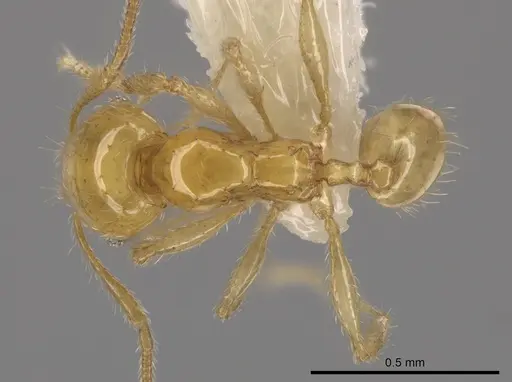
CASENT0633916
View on AntWeb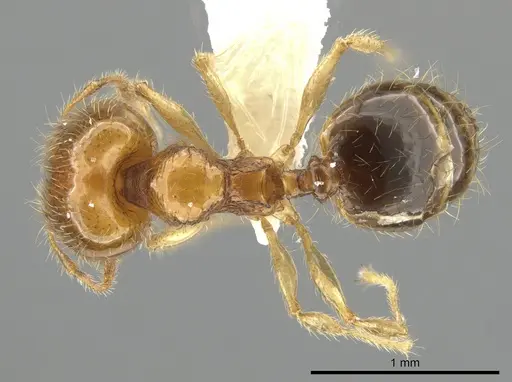
Literature
Loading...Loading products...