

Pheidole sigillata
- Scientific Name
- Pheidole sigillata
- Tribe
- Attini
- Subfamily
- Myrmicinae
- Author
- Wilson, 2003
- Distribution
- Found in 3 countries
Pheidole sigillata Overview
Pheidole sigillata is an ant species of the genus Pheidole. It is primarily documented in 3 countries , including Argentina, Brazil, Paraguay. Detailed taxonomic data and occurrence records can be further explored via authoritative databases such as AntWeb or the Global Biodiversity Information Facility (GBIF).
Pheidole sigillata
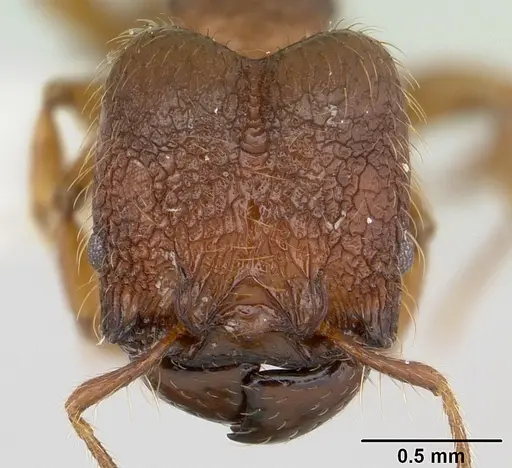
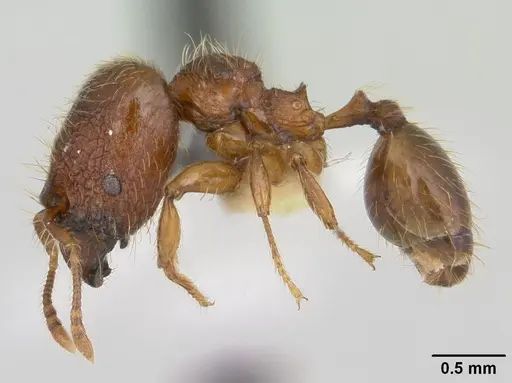
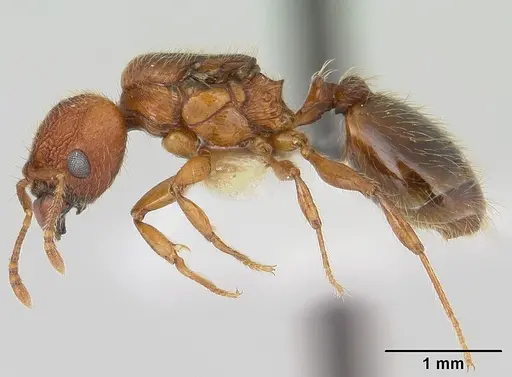
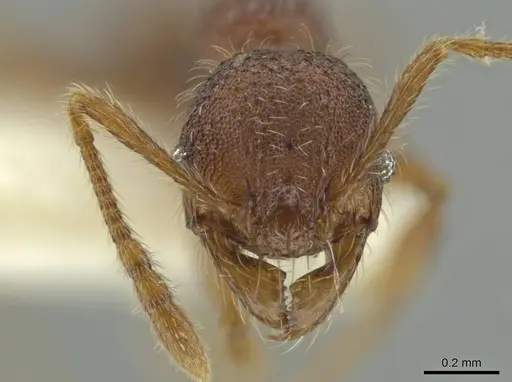
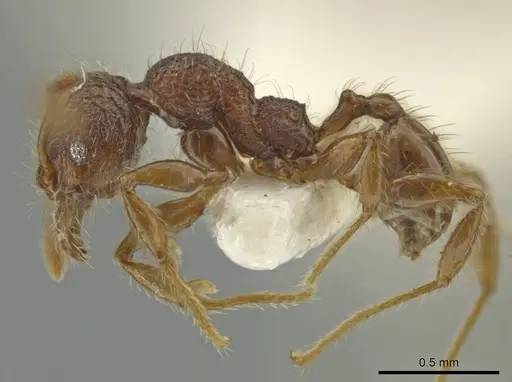
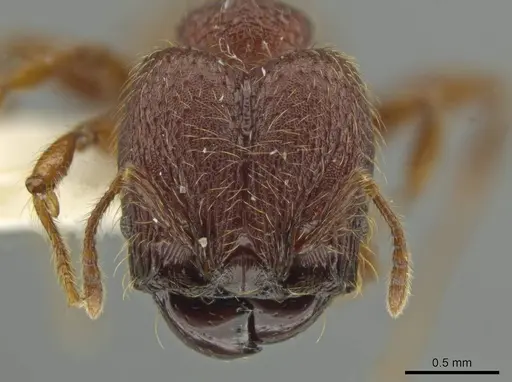
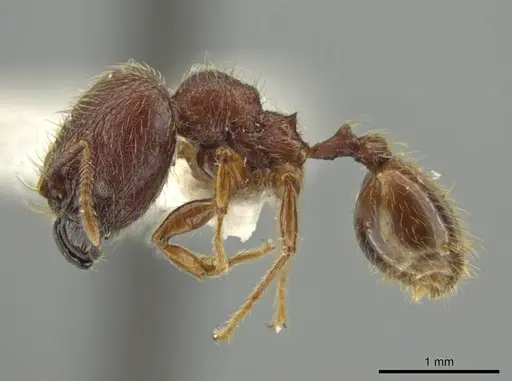
Pheidole sigillata is a small Neotropical ant species native to Brazil, Argentina, and Paraguay, known for its distinctive caste system featuring large major workers with oversized heads. Major workers measure around 1.34mm in head width with a light brown coloration, while minor workers are smaller at 0.54mm and yellowish-brown with a lighter head. This species is a twig-nesting ant, commonly colonizing hollow twigs and stems in leaf litter across Atlantic Forest habitats. As a generalist forager with a δ15N value of 7.35‰, it exploits a wide range of food resources and is an active participant in leaf litter ant communities.
Quick Summary
- Difficulty: Easy
- Origin & Habitat: Native to the Atlantic Forest regions of Brazil, Argentina, and Paraguay. This species thrives in leaf litter habitats, nesting exclusively in hollow twigs and small stems. It is commonly found in both native forests and urban green spaces, with twig diameter preferences around 11-13mm [1].
- Colony Type: Single-queen colonies (monogyne) with distinct major and minor worker castes. Colonies are small to moderate, with major workers serving as specialized defenders and food processors.
- Colony: Monogyne
- Founding: Claustral
- Size & Growth:
- Queen: Approximately 6-7mm (estimated based on genus patterns)
- Worker: Minor workers: 0.54mm HW, Major workers: 1.34mm HW
- Colony: Likely several hundred workers based on typical Pheidole colony sizes (estimated)
- Growth: Moderate
- Development: 6-8 weeks (estimated based on typical Pheidole development) (Development time is typical for tropical Myrmicinae, faster than temperate species due to year-round warm conditions)
- Antkeeping:
- Temperature: Keep at 24-28°C. Being a tropical species from southeastern Brazil, they prefer warm conditions. A heating cable on one side of the nest creates a suitable gradient [2].
- Humidity: Moderate to high. These are leaf litter ants that need substrate moisture but not saturation. Keep the nesting area slightly moist, mimicking damp forest floor conditions [1].
- Diapause: No, as a tropical species from southern Brazil/Argentina, they do not require hibernation. Maintain year-round warm conditions [2].
- Nesting: This is a critical aspect, P. sigillata naturally nests in twigs and small diameter stems (11-13mm diameter) in leaf litter [1]. In captivity, provide narrow-diameter setups like Y-tong nests with small chambers, or test tube setups with tight dimensions. Naturalistic setups with small twigs or acrylic nests with narrow tunnels work well. Avoid large, open spaces.
- Behavior: Pheidole sigillata is a generalist forager that actively patrols leaf litter in search of protein and sugar sources. Major workers are defensive and will guard the nest entrance, while minor workers handle most foraging. They are not particularly aggressive toward keepers but major workers can deliver a mild sting if threatened. Escape risk is moderate, minor workers are tiny (0.54mm) so fine mesh barriers are recommended, though majors are larger and easier to contain.
- Common Issues: twig-nesting means they need appropriately sized nests, too large or open spaces cause stress, tiny minor workers can escape through standard test tube cotton, use fine mesh barriers, tropical species will decline without consistent warmth, room temperature may be too cold, colonies may reject oversized formicarium chambers, they prefer tight, enclosed spaces mimicking twigs, overfeeding leads to mold in small twig-style nests, keep portions small
Nest Preferences and Housing
Pheidole sigillata is a twig-nesting species, which is the most important factor for successful captive care. In the wild, they colonize hollow twigs with diameters between 11-13mm, using existing holes or creating small perforations (0-5 per twig) [3][1]. For captive housing, Y-tong nests with narrow chambers or small acrylic formicaria work best. The chambers should be appropriately sized, tight enough that the ants feel secure, not large open spaces. Test tube setups can work but ensure the diameter is small (10-15mm). Naturalistic setups with actual twigs or small diameter tubes are ideal. Avoid large, spacious formicarium chambers as this causes stress. Provide some leaf litter or debris in the outworld to mimic their natural environment.
Feeding and Diet
As a generalist forager with a δ15N value of 7.35‰, P. sigillata exploits diverse food resources in nature [4]. In captivity, offer a balanced diet: protein sources like small insects (fruit flies, pinhead crickets, mealworms), and sugar sources like honey water or sugar water. They will also collect honeydew if you keep aphids. Feed protein 2-3 times per week, and keep sugar water available constantly. Remove uneaten prey after 24 hours to prevent mold. Pheidole majors can process harder foods with their large heads, so don't worry about crushing prey too small.
Temperature and Seasonal Care
This is a tropical species from southeastern Brazil and neighboring countries. They prefer temperatures in the 24-28°C range. Being from a warm climate, they do not enter diapause or hibernation, maintain consistent warmth year-round. Room temperature (20-24°C) may be acceptable but growth will be slower. Using a heating cable on one side of the nest creates a thermal gradient that allows the ants to self-regulate. Place the heating element on top of the nest, not underneath, to avoid drying out the substrate too quickly. Monitor colony activity, if workers cluster together in one area, they may be seeking heat. [2]
Colony Structure and Castes
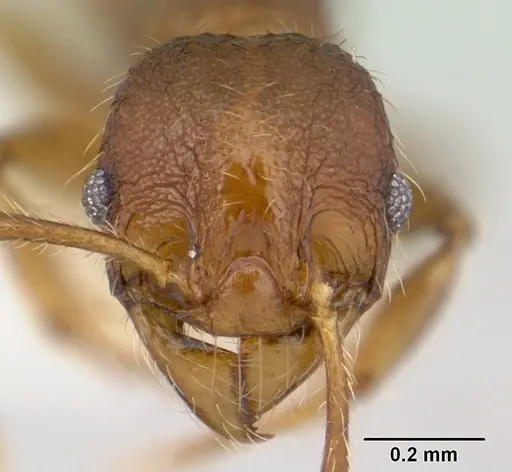
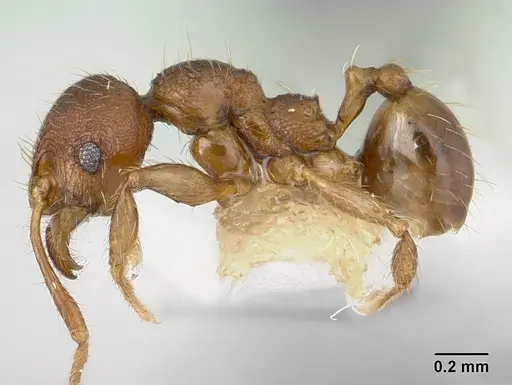
Pheidole sigillata has the classic Pheidole caste system with distinct major and minor workers. Major workers (1.34mm head width) have the characteristic enlarged heads that give these ants their 'big-headed ant' common name. Minor workers are much smaller at 0.54mm head width. The majors serve as defenders and food processors, while minors handle most foraging and brood care. Queens are larger than majors (estimated 6-7mm) and are the sole reproductive females. Colonies grow from a single claustral founding queen who seals herself in and raises the first brood alone on stored fat reserves. [3]
Behavior and Defense
This species is generally calm but will defend the nest vigorously if threatened. Major workers guard nest entrances and can deliver a mild sting. They are active foragers in leaf litter, searching for both protein and carbohydrate sources. They are not aggressive toward humans beyond normal defensive behavior. The main escape risk comes from the tiny minor workers, at only 0.54mm, they can squeeze through small gaps. Use fine mesh barriers (at least 0.3mm mesh) and ensure all connections are tight-fitting. Major workers are larger and easier to contain. [2]
Frequently Asked Questions
Can I keep Pheidole sigillata in a test tube?
Yes, test tubes work well for this species, but use narrow-diameter tubes (10-15mm) to match their natural twig-nesting preferences. Ensure the cotton is packed tightly and consider adding a fine mesh barrier at the entrance to prevent escapes of the tiny minor workers.
What is the best nest type for Pheidole sigillata?
Y-tong nests with small chambers or narrow acrylic formicaria work best. This species naturally nests in twigs with 11-13mm diameter, so tight, enclosed spaces mimic their natural habitat better than large open chambers. Naturalistic setups with actual twigs are also excellent if you can source appropriate materials.
How long until first workers appear?
Expect first workers (nanitics) around 6-8 weeks after the queen lays eggs, assuming temperatures around 26°C. This is typical for tropical Pheidole species. The queen will remain claustrated, sealed in her chamber, until the first brood develops.
Do they need hibernation?
No. As a tropical species from Brazil, Argentina, and Paraguay, they do not require diapause or hibernation. Keep them warm year-round at 24-28°C. Cold temperatures will slow their metabolism and may cause colony decline.
What do Pheidole sigillata eat?
They are generalist feeders. Offer small insects (fruit flies, pinhead crickets, small mealworms) for protein 2-3 times per week, and keep sugar water or honey water available constantly. They will also collect honeydew from aphids if available.
Are Pheidole sigillata good for beginners?
Yes, they are a good beginner species. They are hardy, adaptable, and don't require hibernation. The main challenges are providing appropriately sized nesting (narrow chambers) and ensuring good escape prevention due to their tiny minor workers.
How big do colonies get?
Based on typical Pheidole patterns, colonies likely reach several hundred workers. They are not among the largest Pheidole species but maintain healthy, active colonies. Growth is moderate, expect several years to reach maximum size.
Why are my minor workers escaping?
Minor workers are extremely tiny (0.54mm) and can squeeze through standard barriers. Use fine mesh (at least 0.3mm), ensure all tube connections are tight, and check for any small gaps around the nest setup. Fluon applied to the edges of the outworld can help.
Can I keep multiple queens together?
No. This is a monogyne (single-queen) species. Introducing multiple unrelated queens will result in fighting. Only keep one queen per colony. Multiple queens may only be found together in very specific natural conditions, not in captive setups.
When should I move them to a formicarium?
Move to a formicarium when the colony reaches around 50-100 workers and the test tube is becoming crowded. For twig-nesting species like this, the transition is easier if you provide a formicarium with appropriately sized narrow chambers rather than large open spaces.
What temperature is ideal for Pheidole sigillata?
Keep nest temperatures between 24-28°C. A heating cable on one side of the nest creates a gradient. Room temperature (20-24°C) may be acceptable but will result in slower growth. Avoid temperatures below 20°C for extended periods.
References

This caresheet is licensed under CC BY-SA 4.0 .
CASENT0178055
View on AntWeb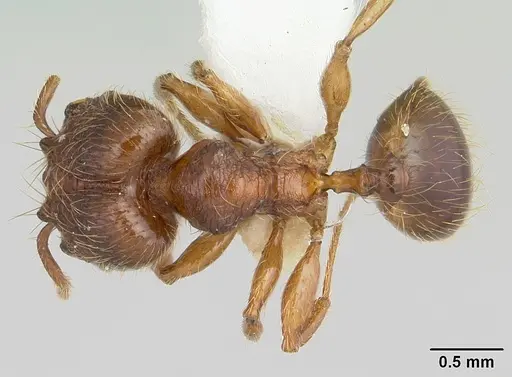
CASENT0178056
View on AntWeb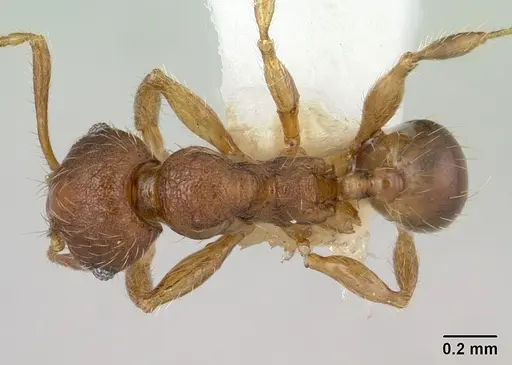
CASENT0178057
View on AntWeb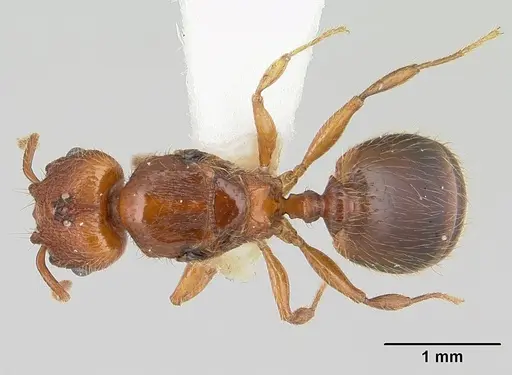
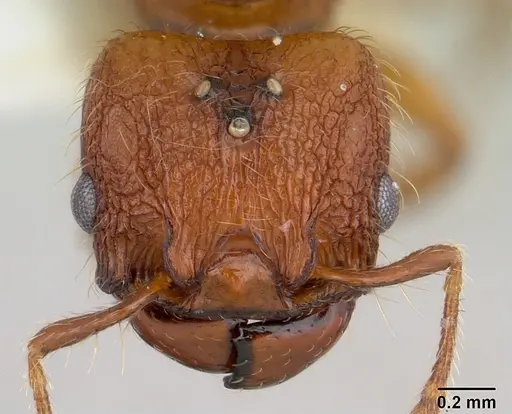
CASENT0645873
View on AntWeb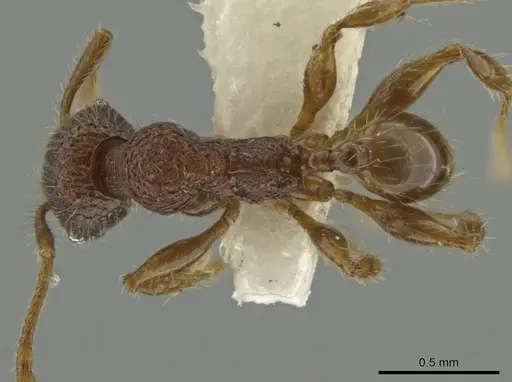
JTLC000016529
View on AntWeb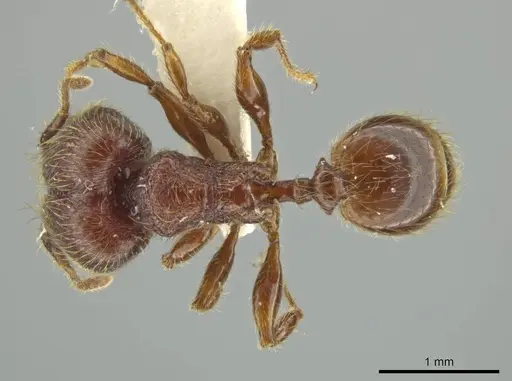
Literature
Loading...Loading products...