

Pheidole sharpi
- Scientific Name
- Pheidole sharpi
- Tribe
- Attini
- Subfamily
- Myrmicinae
- Author
- Forel, 1902
- Distribution
- Found in 1 countries
Pheidole sharpi Overview
Pheidole sharpi is an ant species of the genus Pheidole. It is primarily documented in 1 countries , including India. Detailed taxonomic data and occurrence records can be further explored via authoritative databases such as AntWeb or the Global Biodiversity Information Facility (GBIF).
Pheidole sharpi
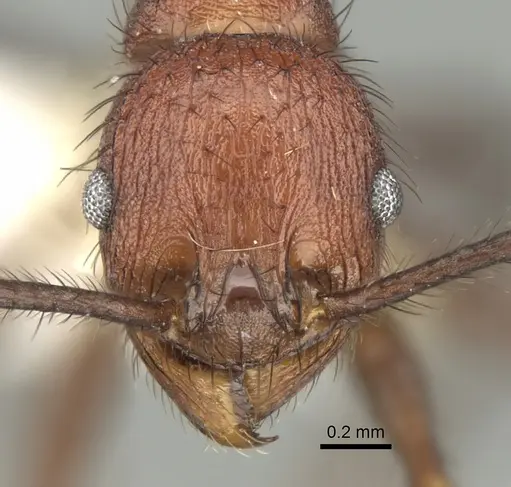
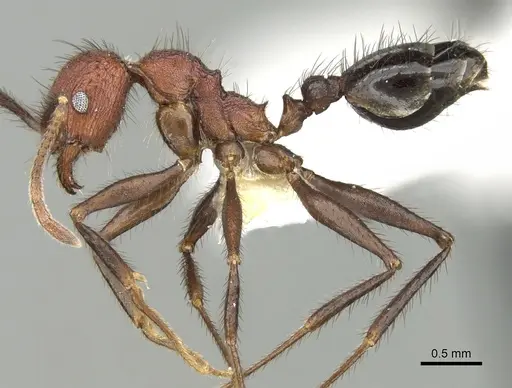
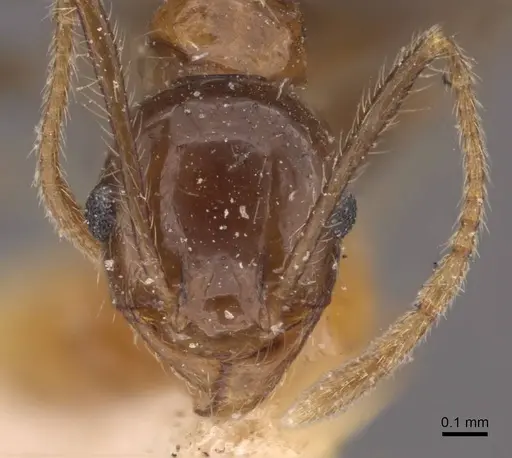
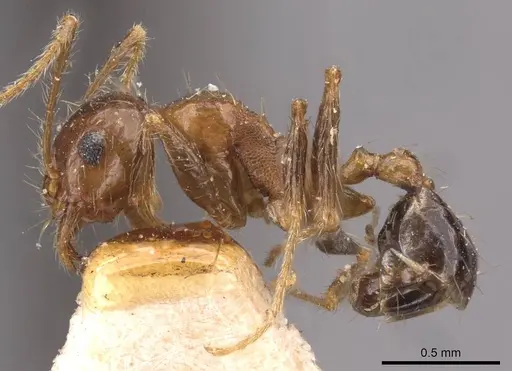
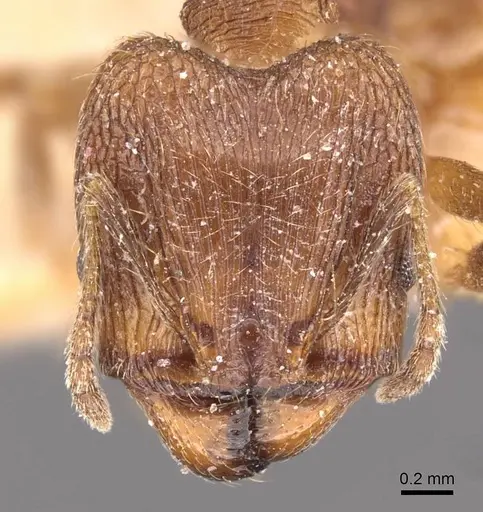
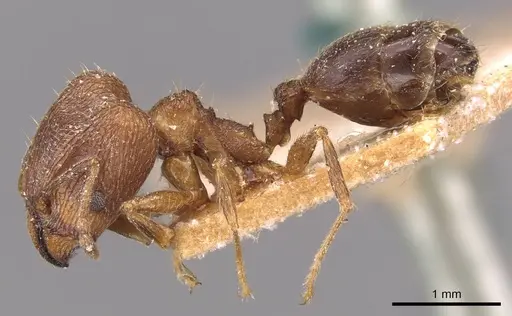
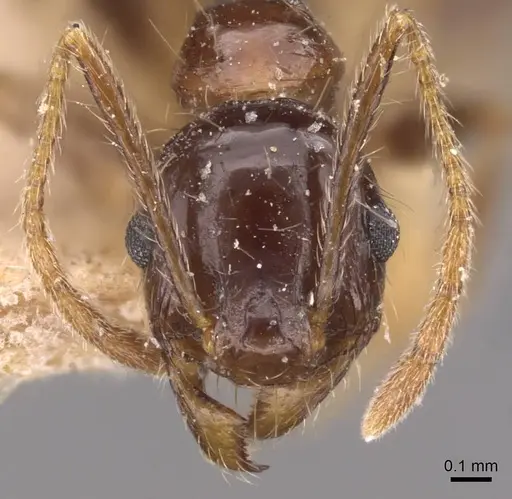
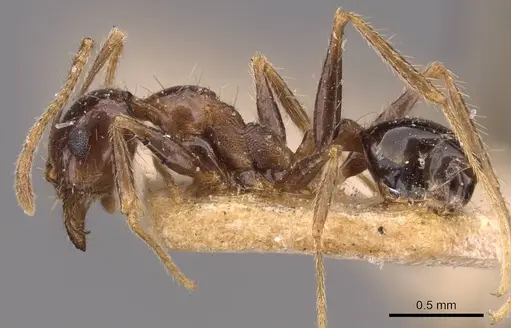
Pheidole sharpi is a small to medium-sized ant species native to India and Sri Lanka. The major workers have the characteristic large heads that give Pheidole their common name, big-headed ants. Major workers measure around 1.8mm in head width with a distinctive chestnut-red head and mesosoma, while their gaster is black with lighter shading toward the base. Minor workers are much smaller at around 0.7mm head width, with a brownish-black head and gaster, and yellowish-brown mesosoma and legs. This species is diurnal and omnivorous, meaning it forages during the day and eats both plant-based and protein foods. It has been recorded across multiple Indian states including Kerala, Karnataka, Tamil Nadu, Maharashtra, and Goa, typically found in ground-nesting situations in tropical and subtropical environments [1][2].
Quick Summary
- Difficulty: Easy
- Origin & Habitat: Native to India and Sri Lanka in the Indomalaya region. Found across Kerala, Karnataka, Tamil Nadu, Maharashtra, Goa, Himachal Pradesh, Jammu & Kashmir, and Uttarakhand. Typically nests in the ground in tropical and subtropical areas, often in agricultural land, gardens, and natural areas with suitable soil conditions [2][1].
- Colony Type: Single-queen colonies (monogyne) are typical for Pheidole species. The colony starts with a single founding queen who seals herself in a chamber and raises the first brood alone on stored fat reserves [3].
- Colony: Monogyne
- Founding: Claustral
- Size & Growth:
- Queen: Estimated 8-10mm based on genus patterns
- Worker: Major workers: 1.8mm head width (HW), Minor workers: 0.7mm head width (HW) [1]
- Colony: Estimated several hundred workers based on typical Pheidole colony sizes
- Growth: Moderate
- Development: 6-8 weeks estimated based on typical Pheidole development (Development time is estimated from genus patterns since specific data for this species is not available. Pheidole species typically develop from egg to worker in 6-8 weeks under warm conditions.)
- Antkeeping:
- Temperature: Keep at 24-28°C. As a tropical species from Kerala, India, they prefer warm conditions. A heating cable on one side of the nest can create a temperature gradient if your room temperature falls below this range.
- Humidity: Keep the nest substrate moderately moist. This species comes from humid tropical regions in Kerala, so aim for substrate that feels damp but not waterlogged. Allow some drier areas in the outworld for foraging.
- Diapause: No, as a tropical species from southern India, they do not require hibernation. However, you may observe reduced activity during cooler months if your home temperature drops.
- Nesting: Ground-nesting species that does well in test tube setups for founding colonies. For established colonies, a Y-tong (AAC) nest or plaster formicarium works well. They prefer chambers that aren't too large, appropriately scaled to their size. The nest should have some moisture but not be constantly wet.
- Behavior: Pheidole sharpi is diurnal and omnivorous, actively foraging during daylight hours with peak activity around noon. They are not particularly aggressive toward keepers but will defend their colony if threatened. Major workers have large heads with strong mandibles for seed-crushing and defense. Minor workers handle most foraging duties. They are moderate escape artists, the minor workers are small enough to slip through small gaps, so use standard escape prevention with Fluon on test tube rims or fine mesh on formicarium openings. They readily accept both protein foods and sugar sources [1].
- Common Issues: colonies may slow growth if temperatures drop below 22°C consistently, minor workers are small enough to escape through standard cotton plugs if not properly sealed, overfeeding can lead to mold issues in the nest, remove uneaten food promptly, founding colonies are vulnerable to disturbance, keep them in a dark, quiet location until the first workers emerge, wild-caught colonies may carry mites or parasites that can cause problems in captivity
Housing and Nest Setup
For founding colonies, a simple test tube setup works perfectly. Fill a test tube with water and plug the wet end with cotton, creating a humid chamber. Place the queen in this tube and seal the other end with a cotton plug coated with Fluon to prevent escapes. Keep the tube in darkness for the first few weeks until workers emerge. Once the colony reaches 20-30 workers, you can move them to a small formicarium like a Y-tong (AAC) nest or a small plaster setup. Pheidole sharpi prefers chambers scaled to their size, not too spacious. They do well with a moisture gradient in the nest so workers can choose their preferred humidity. A small outworld for foraging completes the setup. [1][3]
Feeding and Diet
As an omnivorous species, Pheidole sharpi accepts a wide variety of foods. In captivity, they readily eat protein sources like small insects (fruit flies, small crickets, mealworms), and they also consume seeds and grain. Offer protein foods 2-3 times per week, removing any uneaten prey after 24 hours. For sugar sources, they will take honey water or sugar water, though Pheidole species are not as strongly attracted to sweets as some other ants. Always provide a water source. The diurnal foraging pattern means they are most active during daylight hours, so offer food during the day to observe their feeding behavior [1].
Temperature and Seasonal Care
Being native to tropical Kerala and Sri Lanka, Pheidole sharpi prefers warm temperatures in the 24-28°C range. This matches their natural environment where temperatures remain consistently warm year-round. If your room temperature is below this range, use a heating cable placed on top of (not under) the nest to add gentle warmth. Avoid temperatures above 32°C as this can stress the colony. Unlike temperate species, they do not require a winter diapause or hibernation period. You may notice slightly reduced activity during cooler months if your home temperature fluctuates, but this is not a true hibernation requirement. Keep them away from cold drafts and air conditioning vents. [2][1]
Colony Development and Growth
A newly mated queen will seal herself in a chamber and lay eggs within a few days. She feeds the first brood through metapulmonary fluid and consumes her own fat reserves. The first workers, called nanitics, emerge after approximately 6-8 weeks and are typically smaller than normal workers. Once nanitics emerge, the queen stops foraging and the workers take over all colony duties including foraging, nest maintenance, and caring for subsequent brood. Colony growth is moderate, expect the first year to reach perhaps 50-100 workers under good conditions. Mature colonies may reach several hundred workers. Major workers (the large-headed soldiers) typically appear once the colony reaches a certain size threshold, as they are specialized for seed-crushing and defense. [1]
Behavior and Foraging
Pheidole sharpi is distinctly diurnal, with peak activity during midday hours. This matches the research finding that they are most active during noon in their natural habitat [1]. Workers forage individually rather than in defined trails, searching for seeds, insects, and other food sources. The species is classified as a granivorous/omnivorous ground nester, meaning they commonly collect seeds and also hunt small invertebrates [4]. Major workers have specialized roles in cracking hard seeds and defending the colony, while minor workers handle most foraging and brood care. They are not particularly aggressive toward humans but will readily defend against threats to their nest.
Frequently Asked Questions
Can I keep Pheidole sharpi in a test tube?
Yes, test tubes work well for founding colonies. Use a water-filled test tube with a cotton plug at the wet end. Keep the founding chamber in darkness until the first workers emerge. Apply Fluon to the cotton plug to prevent escapes since minor workers are small enough to slip through standard cotton fibers.
How long does it take for Pheidole sharpi to produce first workers?
Expect first workers (nanitics) to emerge in approximately 6-8 weeks after the queen lays eggs. This is typical for Pheidole species kept at warm temperatures (24-28°C). The exact timing depends on temperature and feeding.
What do Pheidole sharpi ants eat?
They are omnivorous and accept both protein and plant-based foods. Offer small insects like fruit flies or pinhead crickets 2-3 times per week. They will also take seeds, grains, honey water, or sugar water. Remove uneaten food after 24 hours to prevent mold.
Do Pheidole sharpi ants need hibernation?
No, they do not require hibernation. As a tropical species from Kerala, India, they prefer consistent warmth year-round. Keep them at 24-28°C. They may show reduced activity during cooler periods but this is not a true diapause requirement.
Are Pheidole sharpi good for beginners?
Yes, this species is beginner-friendly. They are relatively hardy, don't require hibernation, and accept a wide variety of foods. The main considerations are maintaining warm temperatures and providing good escape prevention due to their small worker size.
How big do Pheidole sharpi colonies get?
Colonies typically reach several hundred workers. Major workers (the large-headed soldiers) appear once the colony grows larger, typically when there are 100+ workers. The exact maximum colony size is not documented but follows typical Pheidole patterns.
When should I move Pheidole sharpi to a formicarium?
Move them once the colony reaches 20-30 workers and the test tube water supply is running low. A Y-tong (AAC) nest or small plaster formicarium works well. Make sure the chambers are appropriately sized, not too large for the colony.
Can I keep multiple Pheidole sharpi queens together?
No, Pheidole species are typically monogyne (single queen). Unlike some ants that can form multi-queen colonies, combining unrelated queens will typically result in fighting. Only keep one queen per colony.
What temperature is best for Pheidole sharpi?
Keep them at 24-28°C. This tropical species prefers warm conditions similar to their native Kerala habitat. Use a heating cable on top of the nest if your room temperature is below this range.
References

This caresheet is licensed under CC BY-SA 4.0 .
CASENT0281640
View on AntWeb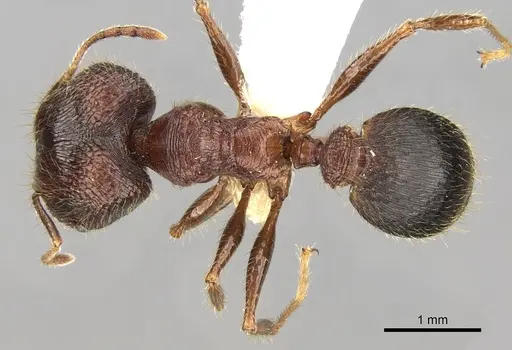
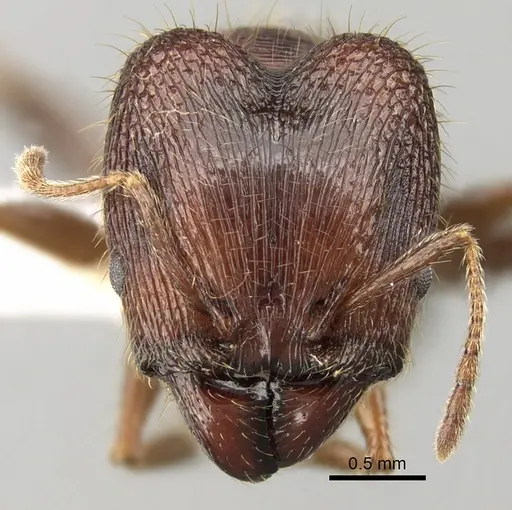
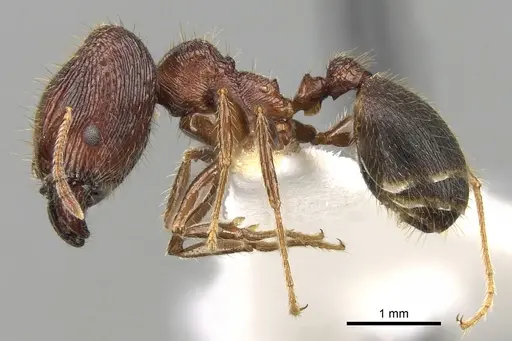
CASENT0281641
View on AntWeb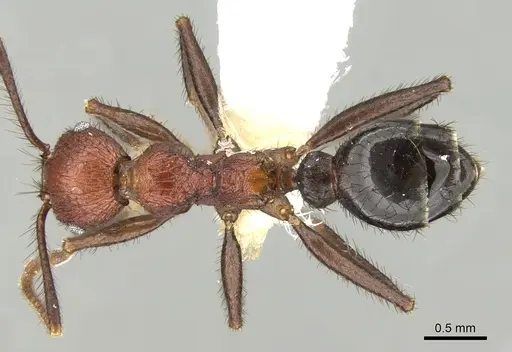
CASENT0901501
View on AntWeb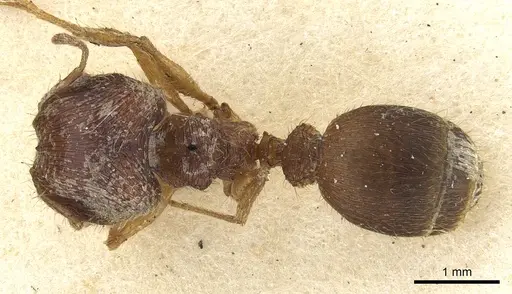
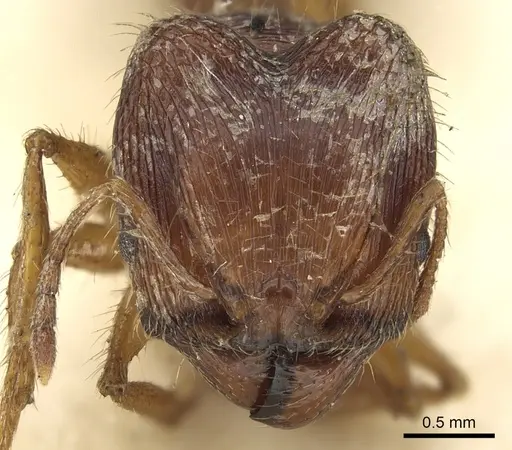
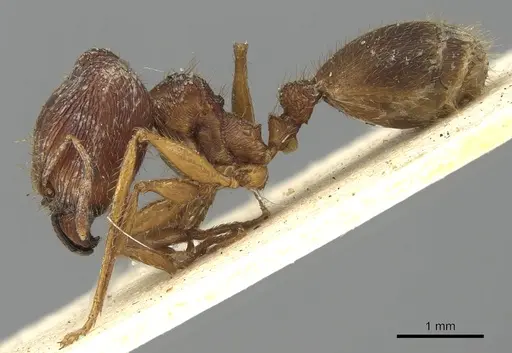
CASENT0907951
View on AntWeb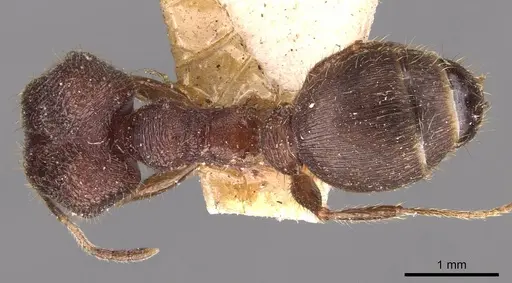
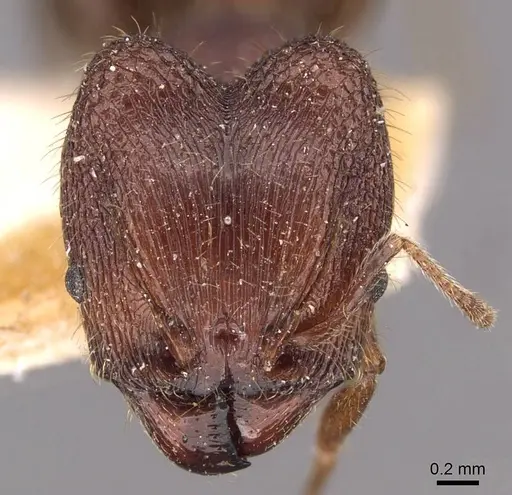
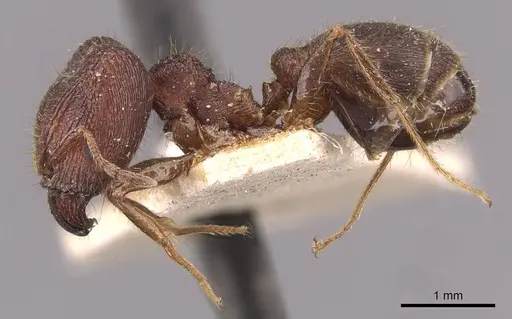
CASENT0907952
View on AntWeb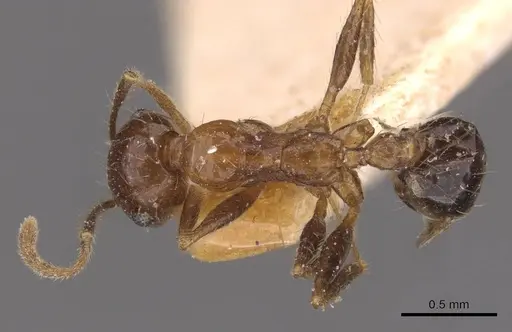
CASENT0907953
View on AntWeb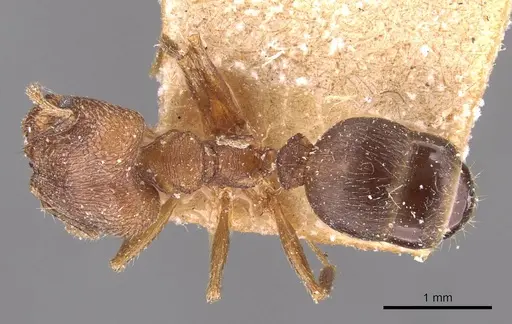
CASENT0907954
View on AntWeb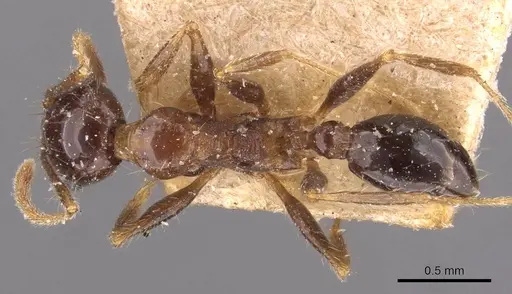
Literature
Loading...Loading products...