

Pheidole sensitiva
- Scientific Name
- Pheidole sensitiva
- Tribe
- Attini
- Subfamily
- Myrmicinae
- Author
- Borgmeier, 1959
- Distribution
- Found in 5 countries
Pheidole sensitiva Overview
Pheidole sensitiva is an ant species of the genus Pheidole. It is primarily documented in 5 countries , including Costa Rica, French Guiana, Honduras. Detailed taxonomic data and occurrence records can be further explored via authoritative databases such as AntWeb or the Global Biodiversity Information Facility (GBIF).
Pheidole sensitiva
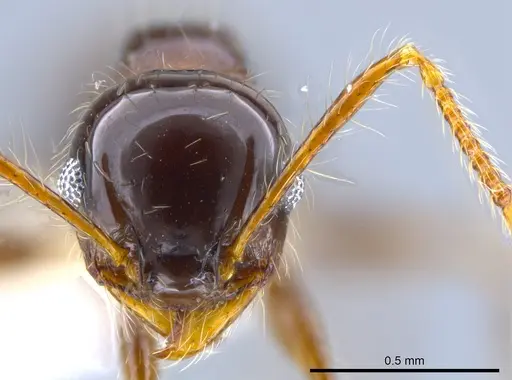
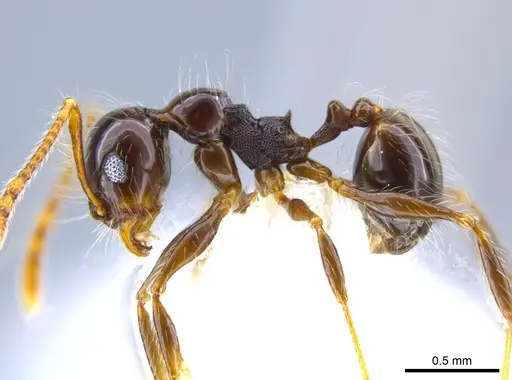
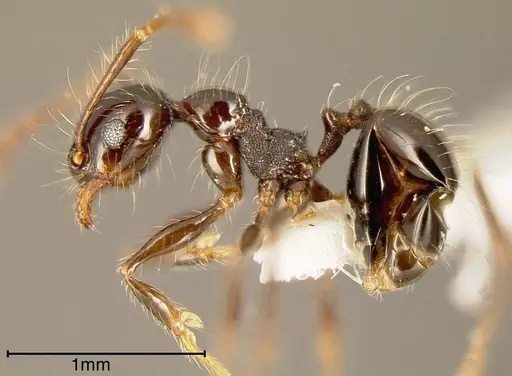
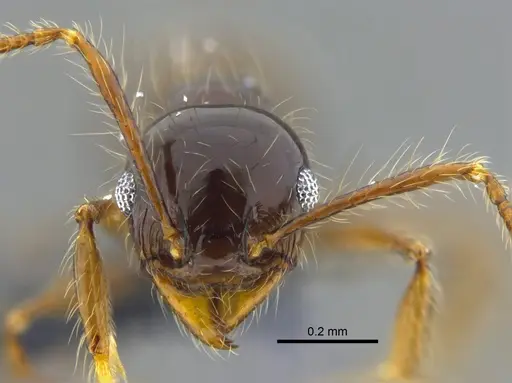
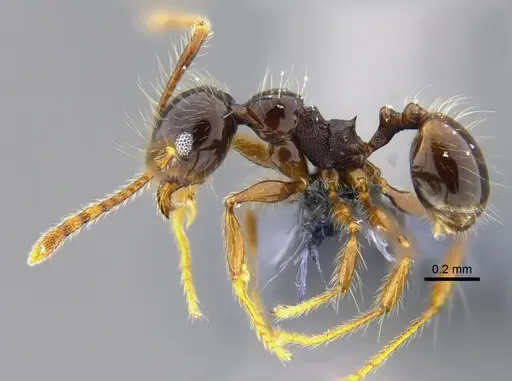
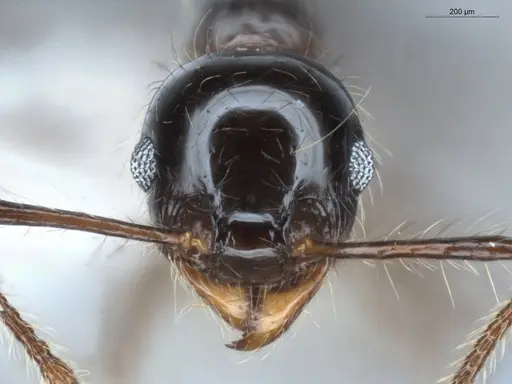
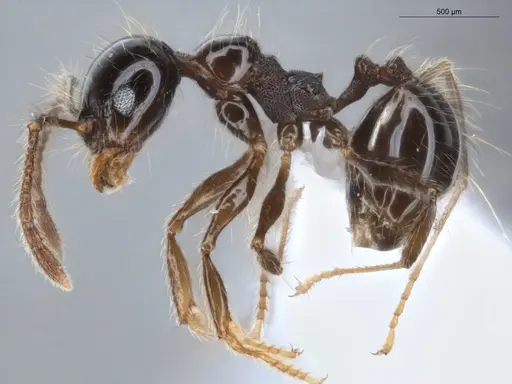
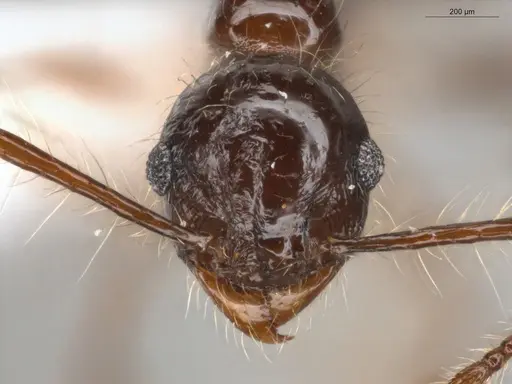
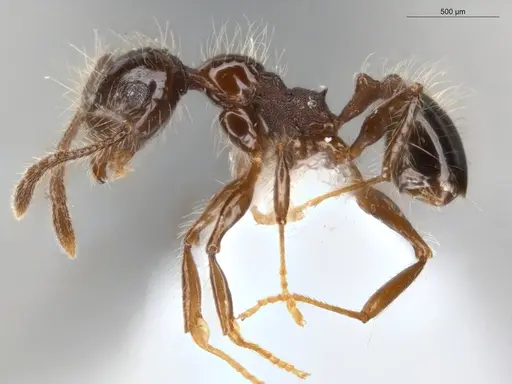
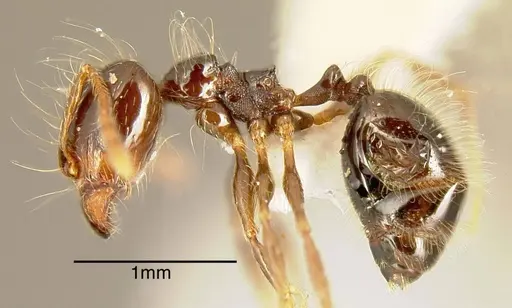
Pheidole sensitiva is a small, light reddish-brown ant belonging to the genus Pheidole, which is known for having two distinct worker castes, majors (soldiers) and minors (workers). This species is characterized by its moderately abundant to dense, very long erect to semierect hairs that are often strongly curved, giving it a distinctive fuzzy appearance. The name 'sensitiva' likely refers to these sensory-looking hairs. Major workers measure about 0.94mm in head width, while minor workers are smaller at around 0.58mm. This species is found across the Neotropical region, from Honduras down through Costa Rica, Panama, Colombia, Peru, and into Brazil, typically living in rainforest litter and recruiting to food baits on the forest floor [1][2].
The most interesting aspect of this species is its presence in competitive tropical ant communities. Research has documented P. sensitiva as a competitor species at food baits in highly competitive tropical habitats, demonstrating its ability to compete with other ant species for resources. As a member of the Attini tribe (leaf-cutter ant tribe), it shares some ecological characteristics with other fungus-growing ants, though Pheidole species are primarily seed-eaters and predators rather than fungus cultivators. This ground-dwelling species is well-adapted to the humid, stable conditions of tropical rainforests [3][4].
Quick Summary
- Difficulty: Medium
- Origin & Habitat: Native to the Neotropical region, found in Honduras, Nicaragua, Costa Rica, Panama, Peru, Brazil, and Colombia. In Costa Rica, Longino (1997) found the species in litter and recruiting to baits on the floor of rainforests up to 700m elevation [2][1].
- Colony Type: Single-queen (monogyne) colonies, this is typical for most Pheidole species. Colony structure for this specific species has not been extensively studied, but the genus Pheidole generally forms colonies with one founding queen that establishes the nest alone.
- Colony: Monogyne
- Founding: Claustral
- Size & Growth:
- Queen: Estimated 6-8mm based on typical Pheidole genus patterns, direct measurements not available for this species
- Worker: Major workers: 0.94mm head width, Minor workers: 0.58mm head width [1]
- Colony: Estimated several hundred workers based on typical Pheidole colony sizes, specific data not available for this species
- Growth: Moderate, based on typical Pheidole development patterns
- Development: Estimated 6-8 weeks at tropical temperatures based on related Pheidole species (Development time is inferred from typical Pheidole genus patterns. Tropical species generally develop faster than temperate species due to year-round warm conditions.)
- Antkeeping:
- Temperature: Keep at 24-28°C, this is a tropical species from rainforest environments. A slight gradient allowing cooler areas around 22°C is beneficial. Room temperature in most homes (20-24°C) should be suitable, but a heating cable on one side of the nest can help maintain optimal range.
- Humidity: Keep substrate moderately to highly humid, these ants live in rainforest litter where conditions are consistently damp. Aim for substrate that feels moist but not waterlogged, with some drier areas available for the ants to regulate their own humidity preferences.
- Diapause: No, this is a tropical species that does not require hibernation. Keep temperatures consistent year-round without seasonal cooling.
- Nesting: This species naturally nests in rainforest litter and soil. In captivity, a naturalistic setup with moist substrate (like a dirt-filled formicarium or test tube setup with soil) works well. Y-tong nests with tight chambers also work, but ensure humidity is maintained. Avoid dry, arid setups.
- Behavior: Pheidole sensitiva is a ground-dwelling ant that forages in the leaf litter layer. Like other Pheidole species, they are active foragers that recruit nestmates to food sources through chemical communication. They are not particularly aggressive toward keepers but will defend their colony. Major workers have larger heads and can deliver bites, though they are not dangerous to humans. Escape risk is moderate, their small size means they can slip through small gaps, so standard escape prevention measures apply.
- Common Issues: tropical humidity requirements mean colonies can suffer in dry indoor environments, monitor substrate moisture regularly, small colony size at founding means founders are vulnerable, avoid disturbing them during the claustral period, competition at feeding sites in the wild suggests they may be outcompeted by larger ant species in multi-species setups, keep them separate, rainforest species are sensitive to temperature drops below 20°C, avoid cold drafts or air conditioning
Nest Preferences and Housing
Pheidole sensitiva naturally lives in rainforest litter and soil, foraging on the forest floor. In captivity, provide a moist, naturalistic setup that mimics these conditions. A test tube setup with a water reservoir works well for founding colonies, the queen will seal herself in a chamber and raise her first brood there. As the colony grows, you can transfer them to a naturalistic formicarium filled with moist soil or a Y-tong/plaster nest with tight chambers scaled to their small size. The key is maintaining consistent humidity without the substrate becoming waterlogged. These ants do not need tall, elaborate nests, they prefer tight, enclosed spaces that retain moisture. Avoid setups that dry out quickly, as this tropical species is sensitive to drying. [2]
Feeding and Diet
Pheidole species are generalist foragers that eat both protein and carbohydrate sources. In the wild, they recruit to food baits and likely consume seeds, small insects, and honeydew from aphids or scale insects. In captivity, offer a varied diet: protein sources like small crickets, mealworms, or other small insects 2-3 times per week, and carbohydrate sources like sugar water, honey, or ripe fruit. Pheidole colonies can be enthusiastic foragers, so offer food in the outworld where workers can easily access it. Remove uneaten food after 24-48 hours to prevent mold. Since this species is small, ensure prey items are appropriately sized, tiny fruit flies or springtails work well for minor workers. [3]
Temperature and Seasonal Care
As a tropical species from Central and South American rainforests, Pheidole sensitiva requires warm, stable temperatures. Keep the nest area between 24-28°C, with a slight gradient allowing workers to choose their preferred temperature. Room temperature in most homes (20-24°C) may be acceptable, but a small heating cable placed on one side of the nest can help maintain optimal conditions. Avoid placing the colony near air conditioning vents, cold windows, or drafty areas. Since they come from environments without strong seasonal temperature changes, they do not require hibernation or diapause. Maintain consistent temperatures year-round for best colony development. Signs that temperatures may be too low include workers becoming less active and clustering together for warmth.
Behavior and Colony Dynamics
Pheidole sensitiva exhibits the classic Pheidole colony structure with two worker castes: larger major workers (sometimes called soldiers) and smaller minor workers. The majors have enlarged heads with specialized mandibles for seed-crushing and colony defense, while minors handle most foraging and brood care. Research has documented this species competing at food baits in tropical habitats, indicating active recruitment behavior where workers lead nestmates to food sources. Colonies grow over time as the queen continuously produces workers. Major workers typically appear once the colony reaches a certain size threshold. These ants are not aggressive toward humans but will defend their nest if threatened. Their small size means they can escape through tiny gaps, use standard escape prevention like fluon on container edges. [3][1]
Growth and Development
Colony growth follows typical Pheidole patterns. The claustral queen seals herself in a chamber and raises the first brood using stored energy reserves. The first workers (nanitics) are typically smaller than normal workers and emerge within 6-8 weeks under optimal tropical temperatures. After the first workers eclose, the queen resumes egg-laying and the colony begins growing. Growth rate is moderate, a well-fed colony can reach several hundred workers over 1-2 years. Major workers typically appear once the colony has a sufficient worker population. Factors that affect growth include temperature, food availability, and humidity consistency. Colonies that are stressed by improper conditions or insufficient food will grow more slowly or stall entirely.
Frequently Asked Questions
How long does it take for Pheidole sensitiva to produce first workers?
Expect first workers (nanitics) to emerge in about 6-8 weeks under optimal tropical temperatures (24-28°C). This estimate is based on typical Pheidole genus development patterns, as specific development data for P. sensitiva is not available. The claustral queen seals herself in and raises the first brood alone using stored fat reserves.
What do Pheidole sensitiva ants eat?
Offer a varied diet including protein sources like small insects (fruit flies, pinhead crickets, mealworms) 2-3 times per week and carbohydrate sources like sugar water, honey, or ripe fruit. They are generalist foragers that will accept both. Remove uneaten food after 24-48 hours to prevent mold.
Do Pheidole sensitiva ants need hibernation?
No, this is a tropical species from Central and South American rainforests. They do not require hibernation or diapause. Keep temperatures consistent year-round between 24-28°C for optimal colony health and development.
What temperature is best for Pheidole sensitiva?
Keep them at 24-28°C, which mimics their natural tropical rainforest environment. A slight temperature gradient allowing cooler areas around 22°C is beneficial so workers can self-regulate. Avoid temperatures below 20°C.
Are Pheidole sensitiva ants good for beginners?
This species is rated as Medium difficulty. While not the easiest species, it is manageable for keepers with some experience. The main challenges are maintaining tropical humidity levels and consistent warm temperatures. If you can provide a warm, humid environment, they are a rewarding species to keep.
How big do Pheidole sensitiva colonies get?
Colonies likely reach several hundred workers based on typical Pheidole genus sizes. Specific data for this species is not available, but the genus is known for colonies that can grow substantial in size over 1-2 years with proper care.
What type of nest should I use for Pheidole sensitiva?
A naturalistic setup with moist substrate works best, as this species naturally nests in rainforest litter and soil. Test tubes work well for founding colonies, while Y-tong nests or dirt-filled formicariums work well for established colonies. The key is maintaining consistent humidity.
Can I keep multiple Pheidole sensitiva queens together?
Pheidole species are typically monogyne (single-queen), and combining unrelated queens is not recommended. The founding queen establishes the colony alone. If you capture a wild colony, it likely has one queen.
Why is my Pheidole sensitiva colony not growing?
Common causes include: temperatures below 20°C (tropical species need warmth), low humidity causing desiccation, insufficient protein food, or disturbance during the claustral founding period. Check that your setup maintains 24-28°C and consistently moist substrate. Ensure you are offering appropriate protein foods 2-3 times weekly.
References

This caresheet is licensed under CC BY-SA 4.0 .
CASENT0628046
View on AntWeb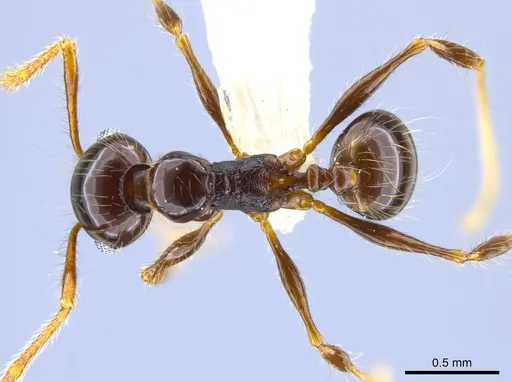
CASENT0635525
View on AntWeb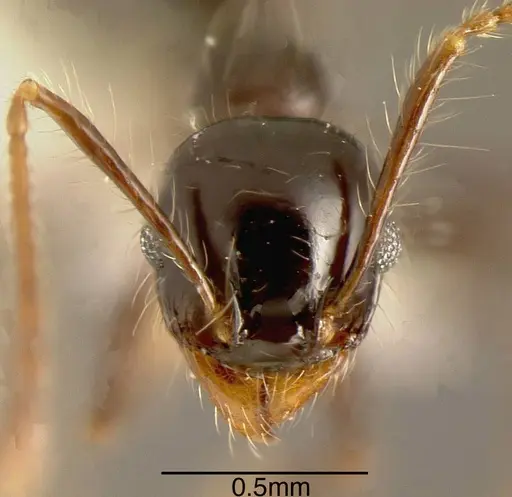
CBUMAGENT42051
View on AntWeb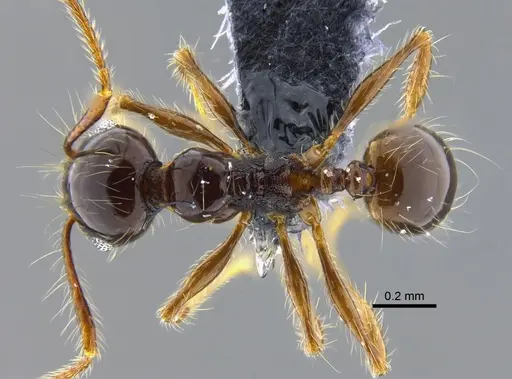
ECOFOG-BAF19-0049-03
View on AntWeb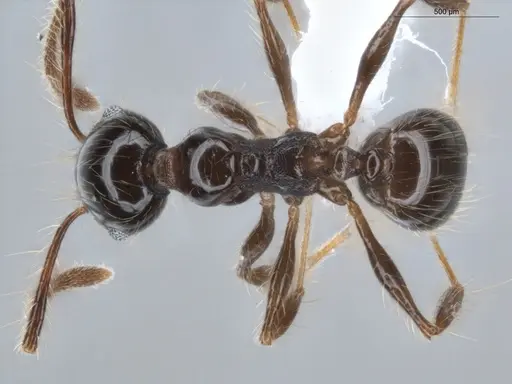
ECOFOG-IT14-1010-13
View on AntWeb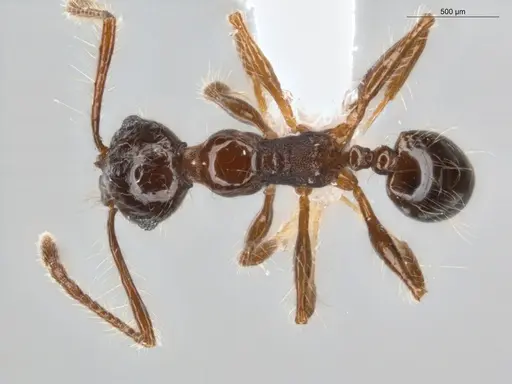
INBIOCRI001242794
View on AntWeb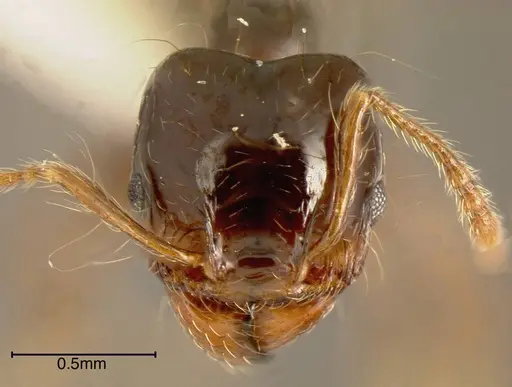
Literature
Loading...Loading products...