

Pheidole seligmanni
- Scientific Name
- Pheidole seligmanni
- Tribe
- Attini
- Subfamily
- Myrmicinae
- Author
- Wilson, 2003
- Distribution
- Found in 1 countries
Pheidole seligmanni Overview
Pheidole seligmanni is an ant species of the genus Pheidole. It is primarily documented in 1 countries , including Colombia. Detailed taxonomic data and occurrence records can be further explored via authoritative databases such as AntWeb or the Global Biodiversity Information Facility (GBIF).
Pheidole seligmanni
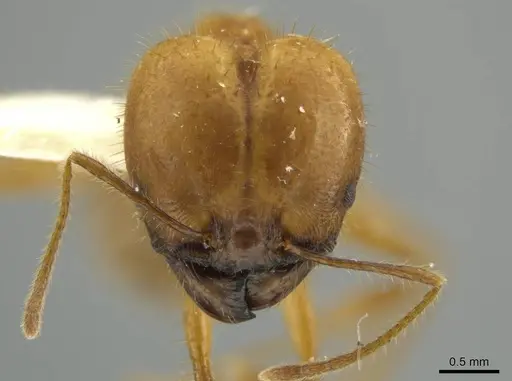
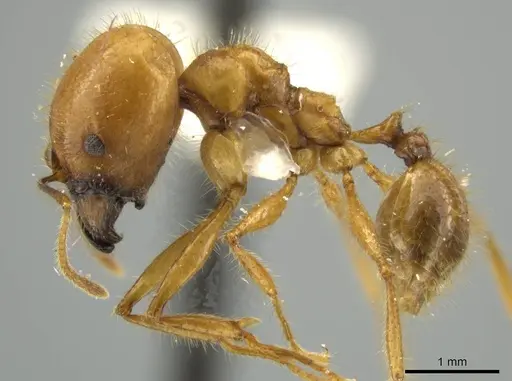
Pheidole seligmanni is a large, striking ant species from the diligens group, native to the cloud forests of Huila, Colombia. Major workers have an impressive head structure with distinctive ridges (carinulae) running from the inner eye surface to the antennal fossae, while minor workers display unique 'wraparound' carinulae covering the back of their head. The species is medium yellow overall, with the front half of the major's head gradually darkening to a yellowish-brown. Both castes lack propodeal spines, which is unusual for the genus. This species was described by E.O. Wilson in 2003 and is named after Peter A. Seligmann for his conservation work protecting Neotropical forests [1][2].
Quick Summary
- Difficulty: Unknown, no captive breeding data available
- Origin & Habitat: Known only from Parque Nacional Cuevas de los Guacharos, Huila, Colombia. The type colony was collected under moss on a rotting log in a cloud forest environment [1][2].
- Colony Type: Unconfirmed, no colony structure data exists for this species. Based on typical Pheidole patterns, likely single-queen (monogyne) colonies.
- Size & Growth:
- Queen: Not described, no queen measurements available
- Worker: Major workers: 1.96mm head width, Minor workers: 0.76mm head width [2]
- Colony: Unknown, no colony size data available
- Growth: Unknown, no development data available
- Development: Unknown, no direct measurements exist. Based on typical Pheidole patterns from tropical regions, estimate 4-8 weeks at optimal temperature. (This is a rough estimate based on genus-level patterns, not species-specific data.)
- Antkeeping:
- Temperature: Unknown for this species. As a Colombian cloud forest species, likely prefers warm, stable conditions in the low-to-mid 20s°C range. Start around 24-26°C and observe colony activity.
- Humidity: Unknown but likely high. The type collection was under moss on a rotting log, indicating damp, humid forest floor conditions. Keep nest substrate consistently moist but not waterlogged.
- Diapause: Unknown, no seasonal data exists. As a tropical species from Huila, Colombia, may not require formal hibernation but may show reduced activity during cooler periods.
- Nesting: In nature, they nest under moss on rotting logs, a humid, decomposing wood microhabitat. In captivity, a naturalistic setup with moist substrate (soil/peat mix) and some rotting wood or cork works well. Y-tong or plaster nests with good humidity retention are also suitable.
- Behavior: Pheidole species are generally peaceful and not aggressive. Major workers specialize in seed-cracking and defense, while minors handle brood care and foraging. Escape risk is moderate, major workers are about 2mm so standard barriers work well, but minors at 0.76mm require fine mesh. No stinging behavior is known for this genus.
- Common Issues: no captive breeding data exists, this species may not be available in the antkeeping hobby, humidity requirements are uncertain, start with high humidity and adjust based on colony condition, growth rate is unknown so patience is required, don't overfeed or overhandle, wild-caught colonies may have parasites or diseases that kill them in captivity
Nest Preferences
In the wild, Pheidole seligmanni was collected under moss on a rotting log in a Colombian cloud forest. This indicates they prefer humid, shaded microhabitats with access to decomposing organic matter. The forest floor environment provides stable temperature and moisture. In captivity, replicate these conditions using a naturalistic setup with a moist soil/peat substrate mixture, pieces of cork or rotting wood, and a layer of moss on top to retain humidity. Alternatively, a Y-tong or plaster nest with good moisture retention works well. Avoid dry conditions, this species comes from a cloud forest where humidity is consistently high. [1][2]
Feeding and Diet
Pheidole species are typically omnivorous with a preference for seeds and grain. Major workers have large heads specifically adapted for cracking hard seeds. In captivity, offer a mix of seeds (millet, chia, flax) as a staple, supplemented with protein sources like small insects (fruit flies, pinhead crickets, mealworms). Sugar water or honey can be offered occasionally, though Pheidole are less dependent on sugary liquids than some other genera. Feed seeds continuously and protein 2-3 times per week. Remove uneaten seeds periodically to prevent mold.
Temperature and Care
No specific temperature data exists for this species. As a cloud forest ant from Huila, Colombia, they likely prefer warm, stable conditions. Start around 24-26°C and monitor colony behavior, if workers are sluggish, raise slightly, if they avoid heated areas, lower. Avoid temperature extremes and sudden fluctuations. Room temperature in the low-to-mid 20s°C is likely suitable for most keepers. Use a heating cable on one side of the nest only if room temperature falls below 22°C, placing it on top of the nest to warm the area gently.
Behavior and Temperament
Pheidole are generally peaceful ants that focus on foraging and seed-processing rather than aggression. Major workers defend the colony and crack hard seeds, while minor workers handle brood care and most foraging activities. They are not known to sting, though they may bite if threatened. Escape prevention should be moderate, major workers at nearly 2mm require standard barriers, but the tiny minor workers at 0.76mm can squeeze through small gaps. Use fine mesh on any ventilation holes and ensure all connections are sealed. Colonies are likely to be moderately active, with workers readily foraging for seeds and small prey.
Frequently Asked Questions
How long does it take for Pheidole seligmanni to produce first workers?
This is unknown, no species-specific development data exists. Based on typical Pheidole patterns from tropical regions, expect roughly 4-8 weeks from egg to first worker at optimal temperature (around 24-26°C). This is a rough estimate, not a guarantee.
What do Pheidole seligmanni ants eat?
Like other Pheidole species, they likely eat seeds and grain (their major workers have specialized heads for cracking seeds) plus small insects for protein. Offer seeds continuously and protein prey 2-3 times weekly. Sugar water or honey may be accepted occasionally.
Are Pheidole seligmanni ants good for beginners?
This species is not recommended for beginners. It has never been kept in captivity and almost no biological data exists, everything about its care must be inferred from related species. Additionally, it may not be available in the antkeeping hobby at all since it's only known from a single collection in Colombia.
What temperature do Pheidole seligmanni ants need?
No exact data exists. As a Colombian cloud forest species, they likely prefer warm, stable conditions around 24-26°C. Start in this range and adjust based on colony activity. Avoid temperatures below 20°C or above 30°C.
How big do Pheidole seligmanni colonies get?
Unknown, no colony size data exists for this species. Most Pheidole colonies can reach several thousand workers, but without any captive data, this is speculative.
Can I keep multiple Pheidole seligmanni queens together?
Unknown, no colony structure data exists for this species. Most Pheidole are single-queen (monogyne), but polygyny has been documented in some species. Without data, combining unrelated queens is not recommended.
What humidity do Pheidole seligmanni ants need?
Likely high humidity. The type collection was under moss on a rotting log in a cloud forest, consistently damp conditions. Keep nest substrate moist but not waterlogged, with some drier areas available for the ants to choose.
When do Pheidole seligmanni ants have nuptial flights?
Unknown, no nuptial flight data exists for this species. As a tropical Colombian species, flights likely occur during the warm, rainy season, but this is entirely speculative.
Is Pheidole seligmanni available in the antkeeping hobby?
Almost certainly not. This species is only known from a single collection in Huila, Colombia, and has never been documented in the antkeeping trade. It would be extremely difficult to acquire and likely illegal to export from Colombia.
References

This caresheet is licensed under CC BY-SA 4.0 .
CASENT0645870
View on AntWeb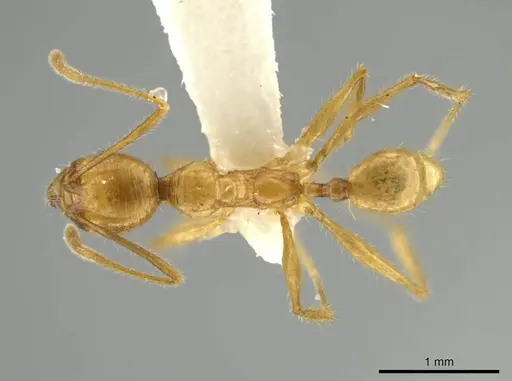
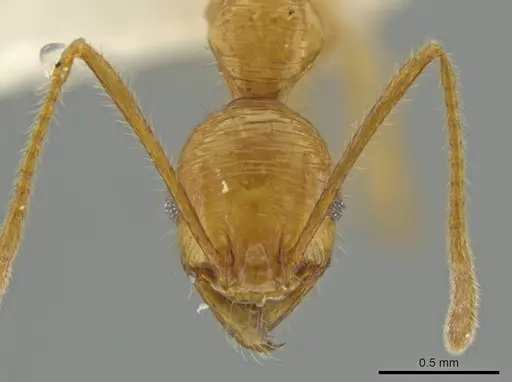
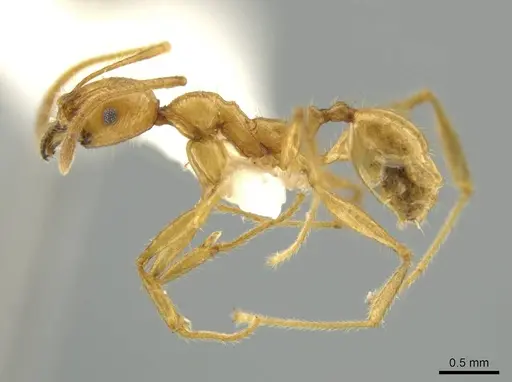
JTLC000016527
View on AntWeb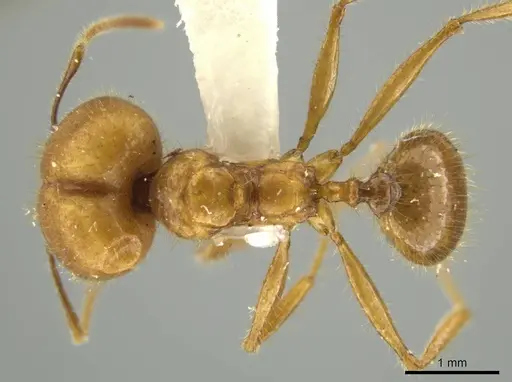
Literature
Loading...Loading products...