

Pheidole sebofila
- Scientific Name
- Pheidole sebofila
- Tribe
- Attini
- Subfamily
- Myrmicinae
- Author
- Longino, 2009
- Distribution
- Found in 1 countries
Pheidole sebofila Overview
Pheidole sebofila is an ant species of the genus Pheidole. It is primarily documented in 1 countries , including Costa Rica. Detailed taxonomic data and occurrence records can be further explored via authoritative databases such as AntWeb or the Global Biodiversity Information Facility (GBIF).
Pheidole sebofila
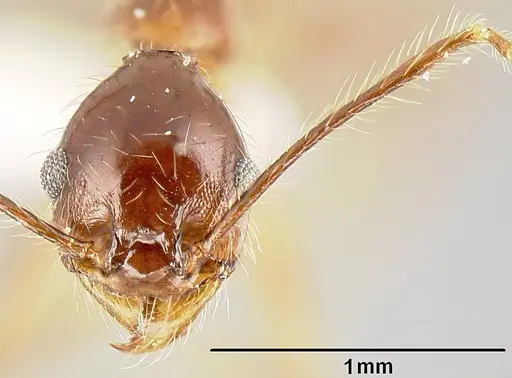
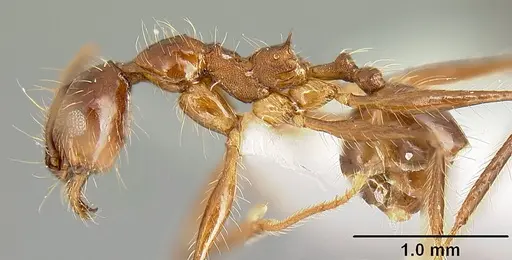
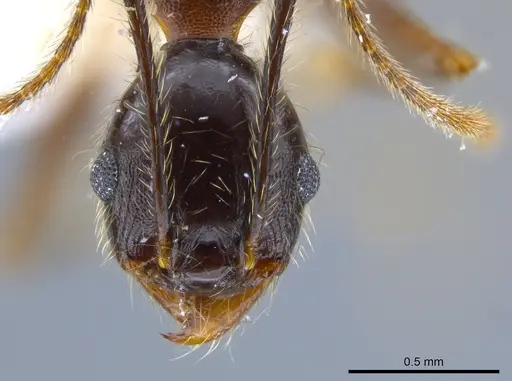
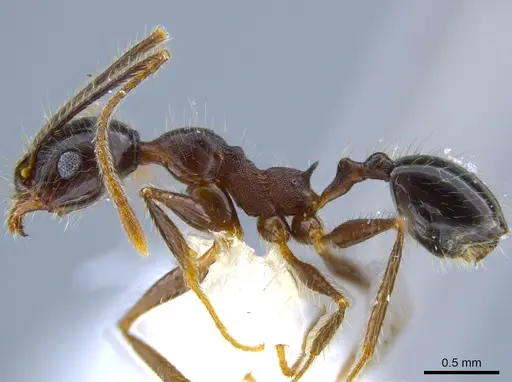
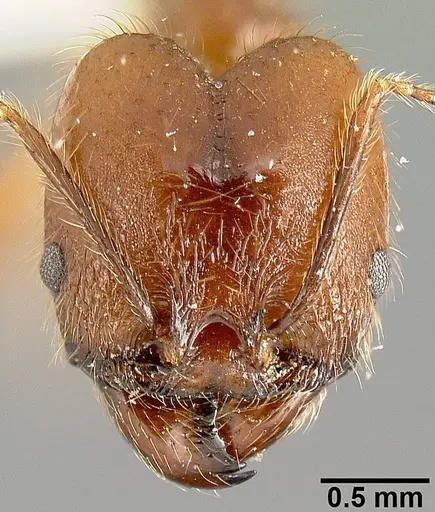
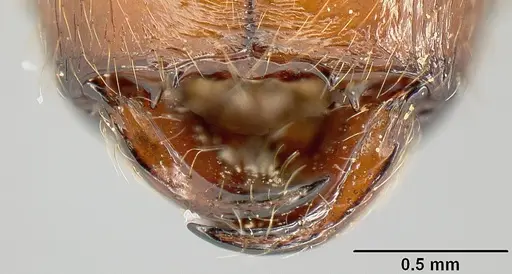
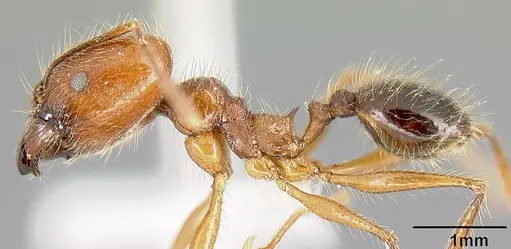
Pheidole sebofila is a small tropical ant species native to Costa Rica, named 'sebofila' meaning 'bait lover' because researchers first collected them at bait stations on the forest floor. These ants have the classic Pheidole feature of two distinct worker castes: minor workers are tiny at 0.81-0.90mm with a reddish-brown color, while major workers develop large, distinctive heads reaching 1.56-1.70mm and feature an orange head and mesosoma with a dark brown abdomen [1]. They live in wet tropical forests on the Atlantic slope of Costa Rica's mountain ranges at elevations between 500-1100 meters [2].
What makes this species interesting is its nocturnal foraging behavior, minor workers are active at night and were collected using various sampling methods including Winkler samples, pan traps, and sweep samples [2][1]. Like other Pheidole species, they have major and minor worker castes, with majors serving as seed processors and defenders. This is a relatively newly described species (2009), so captive care information is limited, but it belongs to a well-studied genus with predictable husbandry requirements.
Quick Summary
- Difficulty: Medium
- Origin & Habitat: Wet tropical forests on the Atlantic slope of the Cordillera de Tilarán and Cordillera Volcánica Central in Costa Rica, found at 500-1100m elevation [2][1]
- Colony Type: Single-queen colonies (monogyne) typical of most Pheidole species
- Colony: Monogyne
- Founding: Claustral
- Size & Growth:
- Queen: Unknown, not directly measured in available literature
- Worker: Minor workers: 0.81-0.90mm, Major workers: 1.56-1.70mm [1]
- Colony: Estimated several hundred to a few thousand workers based on typical Pheidole colony sizes
- Growth: Moderate, estimated 6-10 weeks from egg to first worker based on related tropical Pheidole species
- Development: 6-10 weeks (estimated based on genus patterns for tropical species) (Development time estimated from related tropical Pheidole species, actual timing may vary)
- Antkeeping:
- Temperature: Keep at 22-26°C. This species comes from a warm, humid tropical forest at moderate elevation, so aim for warm conditions without extreme heat. A heating cable on one side of the nest can create a gentle gradient if your room temperature runs cooler.
- Humidity: High humidity required, these are wet forest ants. Keep the nest substrate consistently moist but not waterlogged. The substrate should feel damp to the touch. Mist occasionally and provide a water tube, but ensure ventilation to prevent mold.
- Diapause: No, this is a tropical species from consistent wet forest conditions. They do not require hibernation, though activity may slow slightly during cooler periods.
- Nesting: Y-tong (AAC) nests or test tube setups work well. These ants are small and prefer tight chambers. A naturalistic setup with moist substrate also works. They foraged on the forest floor in the wild, so they likely nest in soil or rotting wood. Provide a nest chamber with good moisture retention.
- Behavior: These ants are relatively peaceful and not aggressive toward keepers. Major workers have large heads but are primarily seed processors and defenders rather than aggressive attackers. They are nocturnal foragers in the wild, so you may see more activity in evening hours. Minor workers are tiny (under 1mm) so escape prevention is important, use fine mesh and tight-fitting lids. They are not known to sting and pose no danger to humans.
- Common Issues: high humidity requirements mean mold can develop if ventilation is poor, balance humidity with airflow, tiny minor workers can escape through standard test tube cotton, use appropriate barriers, tropical species may struggle if room temperature drops below 20°C, newly described species with limited captive data, some trial and error expected, nocturnal behavior means you may miss seeing them active, this is normal
Housing and Nest Setup
Pheidole sebofila can be housed in standard test tube setups for founding colonies. Use a test tube with a water reservoir sealed with cotton, the ants will get moisture from the damp cotton. For established colonies, a Y-tong (AAC) nest works well, or you can use a formicarium with chambers scaled to their tiny size. The key is maintaining high humidity while preventing mold. Use a small water tube attached to the outworld for drinking water. Since minor workers are under 1mm, ensure all connections and barriers are tight, these tiny ants can squeeze through surprisingly small gaps. A naturalistic setup with moist soil in a plastic container also works for this species. [2][1]
Feeding and Diet
Pheidole species are typically seed harvesters that also supplement their diet with small insects and honeydew. Offer a mix of seeds (grass seeds, millet, cracked seeds appropriate for their small size) and protein sources like small insects (fruit flies, small crickets, mealworm pieces). They likely accept sugar water or honey as well, though seed-based foods should form the core of their diet. Feed seeds constantly and protein 2-3 times per week. Remove uneaten seeds periodically to prevent mold. Since they are nocturnal foragers, you may see most feeding activity in evening hours. [2][1]
Temperature and Seasonal Care
Keep your colony at 22-26°C. This species comes from Costa Rica's wet tropical forests at moderate elevation (500-1100m), where temperatures are warm year-round. They do not require hibernation or diapause, this is a tropical species that stays active throughout the year. If your room temperature runs below 20°C, use a heating cable on one side of the nest to create a warm zone. Avoid temperatures above 30°C, which can stress the colony. Room temperature within their preferred range is ideal, no special heating needed in most homes. [2][1]
Behavior and Colony Structure
This species has the classic Pheidole major/minor worker caste system. Minor workers are tiny foragers that handle most tasks, while major workers develop large heads and serve as seed processors and colony defenders. In the wild, minor workers forage nocturnally on the forest floor, and majors are recruited to food sources [2]. Colonies start with a single claustral queen who seals herself in to raise the first brood. The colony will grow slowly at first, then accelerate once the first major workers appear. These ants are not aggressive and rarely bite. They pose no danger to keepers.
Growth and Development
Pheidole sebofila was only described in 2009,so specific development data is limited [3]. Based on typical Pheidole genus patterns for tropical species, expect 6-10 weeks from egg to first worker. The first workers (nanitics) will be small minor workers. Major workers typically appear later in the colony's development, sometimes not until the colony reaches several dozen workers. Colony growth is moderate, don't expect rapid expansion. The claustral founding period lasts several weeks while the queen raises her first brood without leaving the nest.
Common Challenges
The main challenges with this species relate to its tropical humidity requirements and small size. High humidity can lead to mold problems if ventilation is inadequate, balance moisture with airflow. Their tiny minor workers (under 1mm) can escape through standard barriers, so use fine mesh and check all connections. Since this is a newly described species with limited captive history, some trial and error in care is expected. Monitor your colony's activity levels and adjust temperature and humidity accordingly. If workers seem sluggish, warm them up slightly. If mold appears, improve ventilation and reduce moisture. [2][1][3]
Frequently Asked Questions
How long does it take for Pheidole sebofila to produce first workers?
Expect 6-10 weeks from egg to first worker. This is estimated based on related tropical Pheidole species, as specific development timing hasn't been studied for this newly described species. The queen will remain sealed in her founding chamber until her first brood emerges.
What do Pheidole sebofila ants eat?
They are seed harvesters like other Pheidole species. Offer small seeds (millet, grass seeds, cracked seeds) as a staple food. Supplement with small insects (fruit flies, small crickets, mealworm pieces) for protein. They likely accept sugar water or honey. Feed seeds constantly and protein 2-3 times per week.
Do Pheidole sebofila ants need hibernation?
No, they do not need hibernation. This is a tropical species from Costa Rica's wet forests where temperatures remain warm year-round. They stay active throughout the year and do not enter diapause.
What temperature is best for Pheidole sebofila?
Keep them at 22-26°C. This matches their natural habitat in warm, humid tropical forests at 500-1100m elevation in Costa Rica. Room temperature in this range is ideal, use a heating cable only if your space runs cooler.
Are Pheidole sebofila good for beginners?
They are rated Medium difficulty. They have specific humidity needs (high humidity required) and tiny workers that can escape easily. The main challenges are maintaining proper humidity without mold and preventing escapes through fine barriers. If you're comfortable with tropical ant species, this can be a rewarding species to keep.
How big do Pheidole sebofila colonies get?
Based on typical Pheidole colony sizes, expect several hundred to a few thousand workers at maturity. Growth is moderate, the colony expands gradually over the first year, then accelerates once major workers appear.
When should I move Pheidole sebofila to a formicarium?
Move them when the colony reaches 20-30 workers or when the test tube setup becomes cramped. A Y-tong (AAC) nest works well for this species. Make sure any new setup maintains the high humidity they require.
Can I keep multiple queens of Pheidole sebofila together?
This species is monogyne, single queen colonies. Unlike some Pheidole species that can be polygynous, P. sebofila typically has one queen per colony. Do not attempt to keep multiple foundress queens together as they will fight.
Why are my Pheidole sebofila ants dying?
Common causes include: temperature too low (below 20°C), humidity too low or too high (leading to desiccation or mold), escapes through tiny gaps, or stress from disturbance. Check that your setup maintains proper warm, humid conditions and that all barriers are secure. Also ensure you're not overfeeding, which can lead to mold in the nest.
References

This caresheet is licensed under CC BY-SA 4.0 .
CASENT0610095
View on AntWeb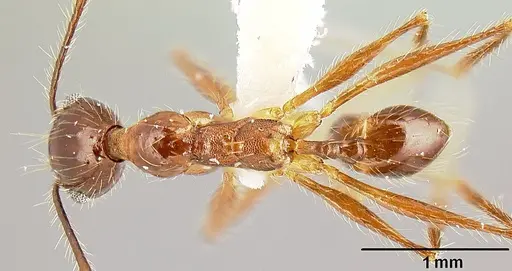
CASENT0611928
View on AntWeb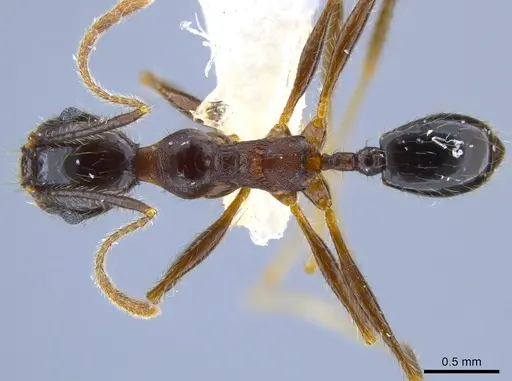
INBIOCRI001282230
View on AntWeb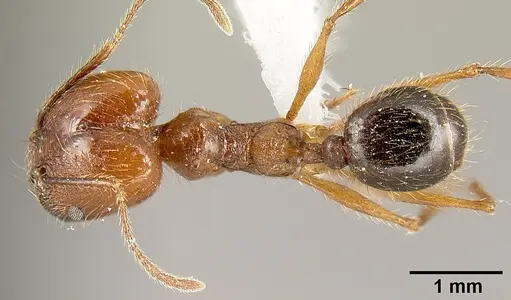
JTLC000001478
View on AntWeb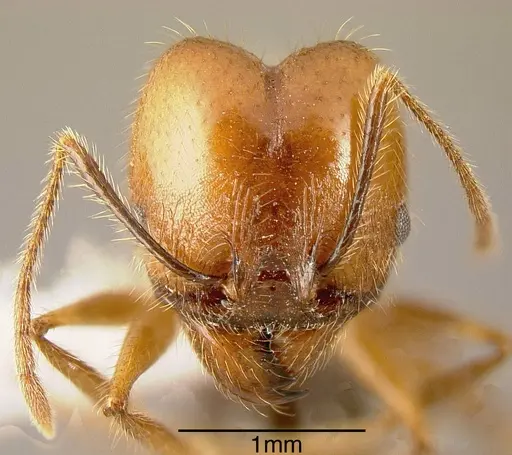
Literature
Loading...Loading products...