

Pheidole sculptior
- Scientific Name
- Pheidole sculptior
- Tribe
- Attini
- Subfamily
- Myrmicinae
- Author
- Forel, 1893
- Distribution
- Found in 15 countries
Pheidole sculptior Overview
Pheidole sculptior is an ant species of the genus Pheidole. It is primarily documented in 15 countries , including Antigua and Barbuda, Anguilla, Barbados. Detailed taxonomic data and occurrence records can be further explored via authoritative databases such as AntWeb or the Global Biodiversity Information Facility (GBIF).
Pheidole sculptior
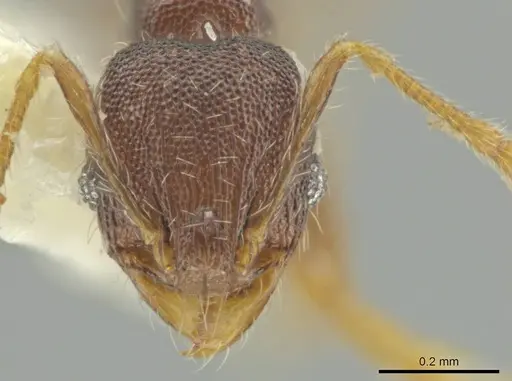
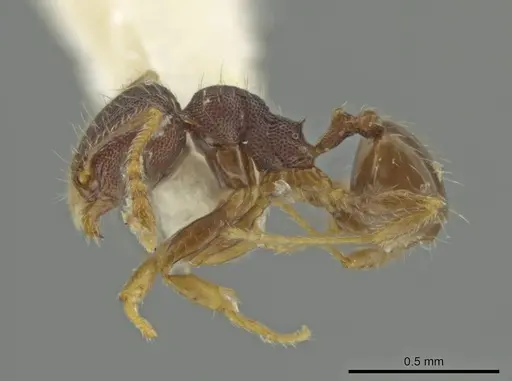
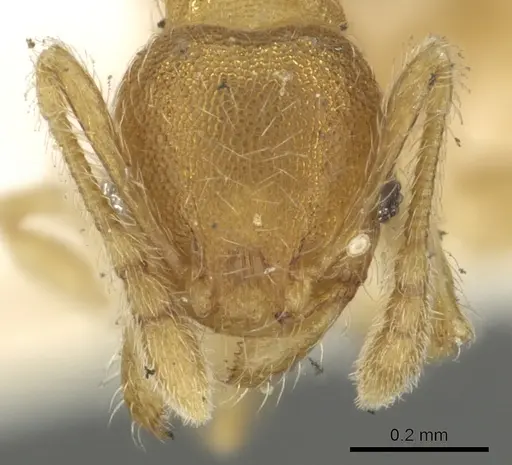
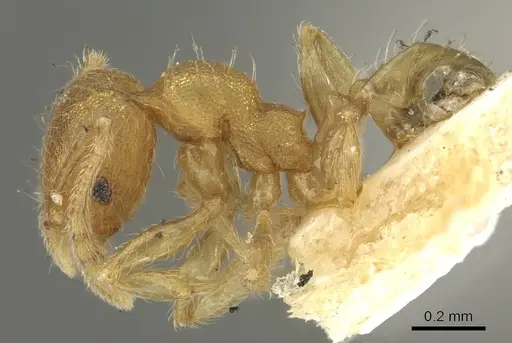
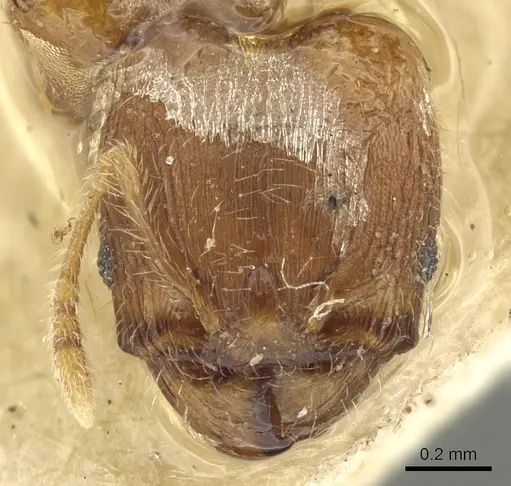
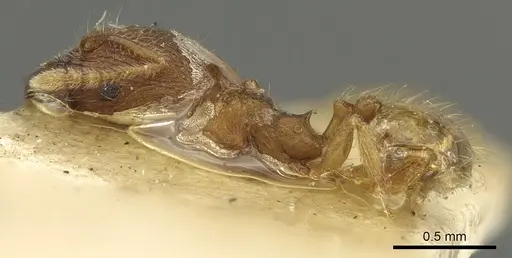
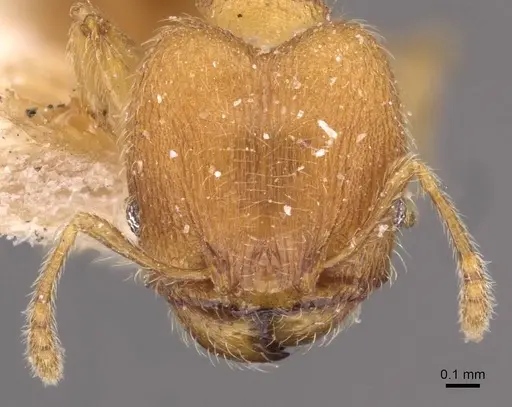
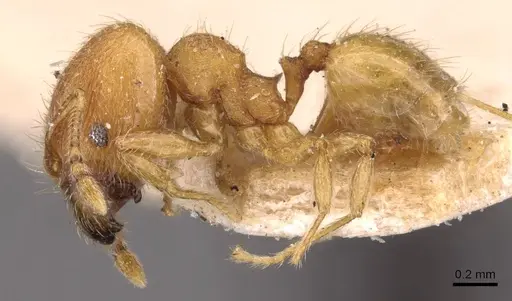
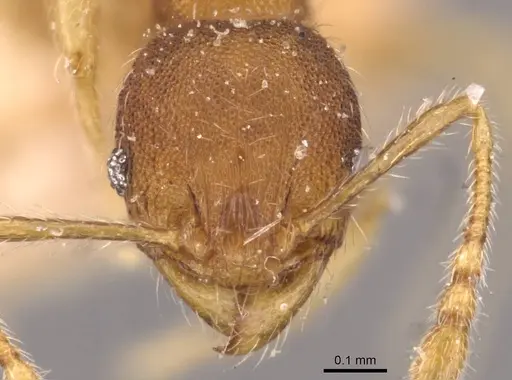
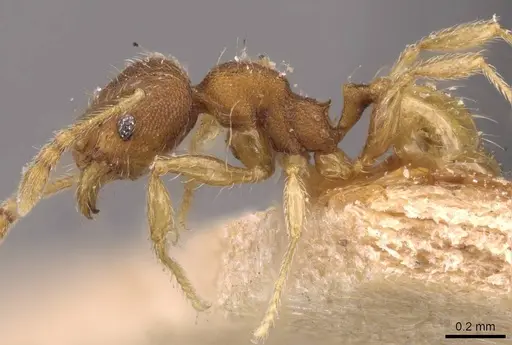
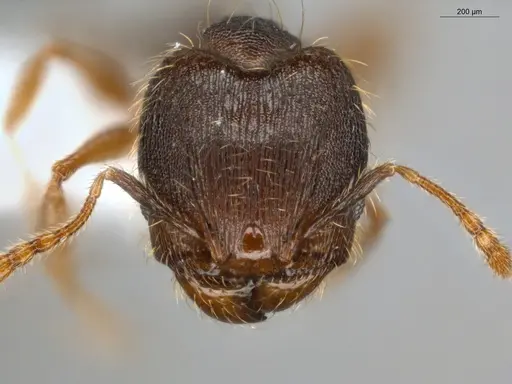
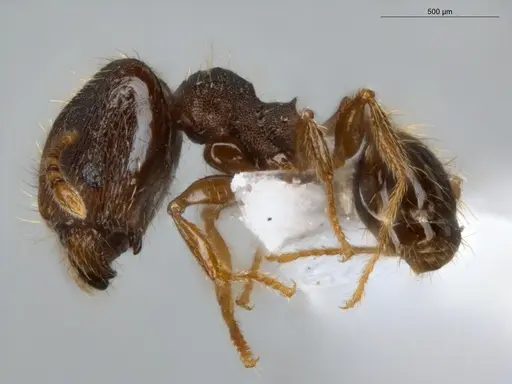
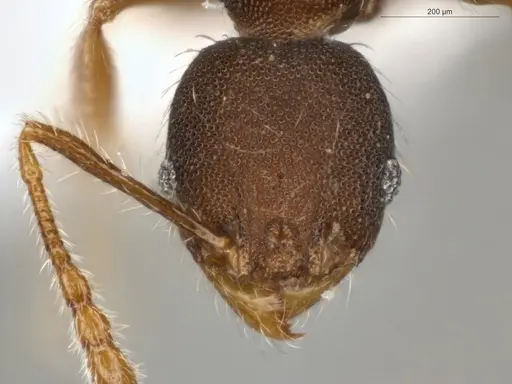
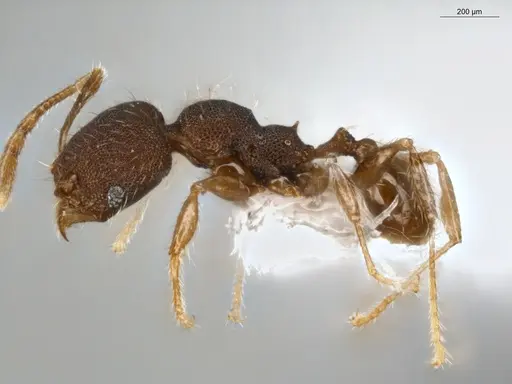
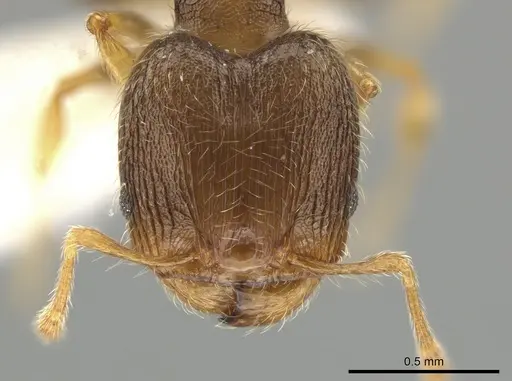
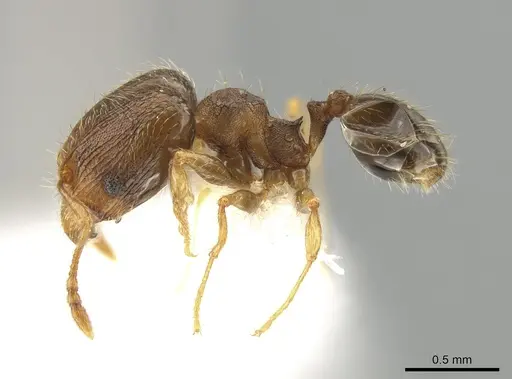
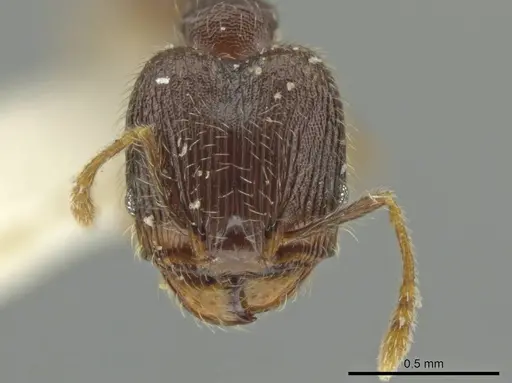
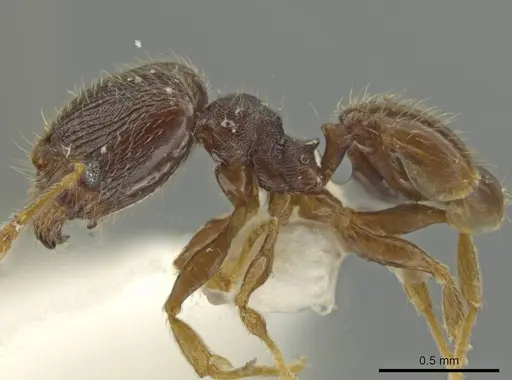
Pheidole sculptior is a small, yellow-brown ant belonging to the "flavens complex" within the genus Pheidole. Majors measure around 2.6mm while minors are approximately 1.5mm [1]. The species is native to the Caribbean islands and northern South America, found across Puerto Rico, the Lesser Antilles, Trinidad, Venezuela, Suriname, French Guiana, and Colombia [2]. Colonies are small, typically containing around 200 workers [3]. These ants nest in loamy soil under dead wood, stones, or in rotting wood [3][4]. They are one of only three ant species documented as pollinators of cacao [5].
Quick Summary
- Difficulty: Easy
- Origin & Habitat: Native to the Caribbean islands (Puerto Rico, Lesser Antilles, Grenada, St. Vincent) and northern South America (Venezuela, Suriname, French Guiana, Colombia). Found from sea level to 500m elevation in forests, seashore thickets, and open agricultural land [3][4].
- Colony Type: Colony structure is not well documented in scientific literature. Based on typical Pheidole patterns, likely single-queen colonies with small worker populations.
- Colony: Monogyne
- Founding: Claustral
- Size & Growth:
- Queen: Approximately 0.78mm head width (major caste measurement) [2]. Queens likely similar in size to other flavens-complex species.
- Worker: Major workers: 2.60mm (SE 0.06mm). Minor workers: 1.46mm (SE 0.03mm) [1].
- Colony: Small colonies of approximately 200 workers [3].
- Growth: Moderate, based on typical small Pheidole development patterns.
- Development: 6-8 weeks (estimated based on typical Pheidole development at tropical temperatures) (Development time estimated from related flavens-complex species. Tropical origin suggests faster development than temperate species.)
- Antkeeping:
- Temperature: Keep at 22-26°C. As a tropical species from the Caribbean and northern South America, they prefer warm conditions. Room temperature within this range is suitable [3][4].
- Humidity: Moderate to high humidity. In nature they nest in loamy soil under stones and wood, which suggests damp but not waterlogged conditions. Keep substrate consistently moist but allow some drying between waterings.
- Diapause: No, as a tropical species, they do not require hibernation. Maintain consistent temperatures year-round.
- Nesting: In captivity, they do well in test tubes for founding colonies. Once established, provide a naturalistic setup with soil substrate and small stones or wood pieces to mimic their natural nesting under stones and dead wood [3]. Y-tong or acrylic nests with soil chambers also work well.
- Behavior: Workers are active foragers, searching for food both on the ground and on vegetation. As a small ant, they pose minimal escape risk but standard barrier precautions should still be used. They are not aggressive and are considered a peaceful species. Major workers (soldiers) are present in colonies for defense and seed processing.
- Common Issues: small colony size means slow population growth, don't expect rapid expansion, tropical species requires consistent warmth, cold rooms may cause decline, wild-caught colonies may have parasites that kill them in captivity, test tube setups work well for founding but colonies need space to expand once established
Housing and Nest Setup
For founding colonies, a simple test tube setup works well. Fill a test tube with water and plug the wet end with cotton, creating a water reservoir. Place the queen in the tube and let her seal herself into a chamber. Once workers emerge (typically 4-8 weeks), you can continue in the test tube for several months. For established colonies with 50+ workers, consider moving to a small formicarium with soil chambers. These ants naturally nest in loamy soil under stones and rotting wood, so a naturalistic setup with a soil layer and hiding spots mimics their preferences. Avoid overly large spaces, small colonies feel secure in compact areas. [3]
Feeding and Diet
Pheidole sculptior is an omnivorous species. In captivity, they readily accept sugar water, honey, or diluted syrup as an energy source. For protein, offer small insects like fruit flies, small mealworms, or cricket pieces. They are known to forage actively and will recruit workers to food sources. Feed protein 2-3 times per week, and keep a sugar source available at all times. Remove uneaten prey after 24-48 hours to prevent mold. Their small size means even tiny food items are acceptable, crushed insects work well for minors. [5]
Temperature and Seasonal Care
As a tropical species from the Caribbean and northern South America, Pheidole sculptior requires warm temperatures year-round. Keep the nest area at 22-26°C. They do not require hibernation or cooling periods. If your room temperature falls below 22°C, use a heating cable or heating mat on one side of the nest to create a warm zone. Avoid temperature fluctuations and drafts. Consistent warmth leads to better colony growth and brood development. Since they naturally occur from sea level to 500m elevation in various habitats, they adapt reasonably well to captive conditions within their temperature range. [3][4]
Behavior and Colony Dynamics
This species forms small colonies with major workers (soldiers) alongside minor workers. The majors have larger heads and are used for defense and processing larger food items. Workers are active foragers, both on the ground and low vegetation. Colonies are not aggressive and typically remain calm. The species is widespread across the Caribbean and northern South America, found in diverse habitats from forests to agricultural land [3][6]. They are one of only three ant species documented as cacao pollinators in their range, showing they forage on plants [5]. Nuptial flights in their range (Puerto Rico) occur predominantly pre-dawn, with queens and males flying in mixed groups [7].
Growth and Development
Colonies start with a single queen who seals herself in a claustral chamber. She lays eggs and raises the first brood alone, living on stored fat reserves. The first workers (nanitics) are typically smaller than normal workers. Growth rate is moderate, expect 6-8 weeks from egg to first worker. Established colonies reach approximately 200 workers in natural conditions [3]. Development is faster than temperate species due to their tropical origin. Patience is key, as small colonies grow steadily but not rapidly. Major workers appear as the colony matures, typically once the worker population reaches 30-50 individuals.
Frequently Asked Questions
How long does it take for Pheidole sculptior to raise first workers?
Expect 6-8 weeks from egg to first worker at optimal temperatures (22-26°C). This is typical for small Pheidole species in tropical conditions.
Can I keep Pheidole sculptior in a test tube?
Yes, test tubes work well for founding colonies. Keep the water reservoir filled and maintain temperatures in the 22-26°C range. Once the colony reaches 50+ workers, consider moving to a small formicarium.
What do Pheidole sculptior ants eat?
They are omnivores. Offer sugar water, honey, or diluted syrup as a constant energy source. For protein, provide small insects like fruit flies, small mealworms, or cricket pieces 2-3 times per week.
How big do Pheidole sculptior colonies get?
Natural colonies reach approximately 200 workers. In captivity, with good care, they may grow slightly larger but remain a small colony species.
Do Pheidole sculptior need hibernation?
No, as a tropical Caribbean species they do not require hibernation. Keep them warm year-round at 22-26°C.
Are Pheidole sculptior good for beginners?
Yes, they are considered an easy species to keep. They are small, peaceful, and don't require hibernation. Their main needs are consistent warmth and moderate humidity.
When should I move my colony to a formicarium?
Move to a formicarium once the colony reaches 50+ workers and the test tube space becomes limiting. A small naturalistic setup with soil chambers works well for this species.
Why are my Pheidole sculptior dying?
Common causes include: temperatures below 22°C (tropical species need warmth), too dry or too wet substrate, mold from uneaten food, or parasites from wild-caught colonies. Check temperature first and ensure proper feeding amounts.
References

This caresheet is licensed under CC BY-SA 4.0 .
CASENT0645868
View on AntWeb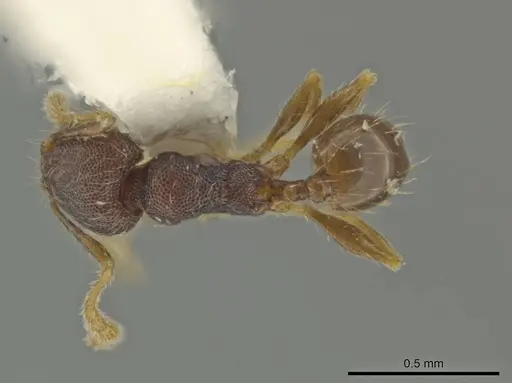
CASENT0901613
View on AntWeb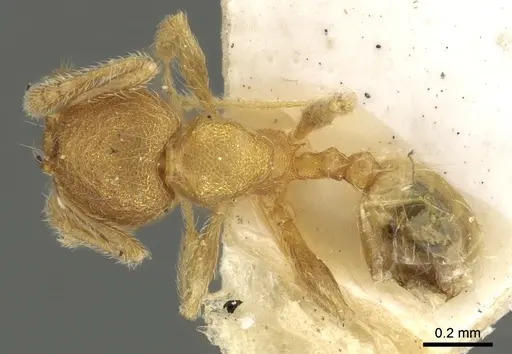
CASENT0901614
View on AntWeb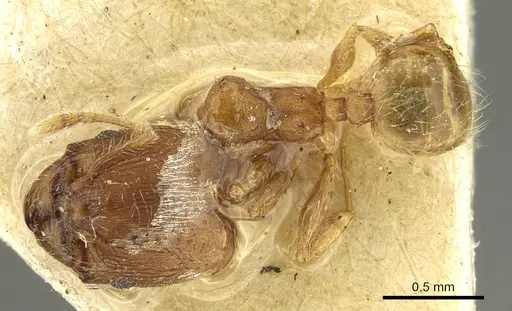
CASENT0908271
View on AntWeb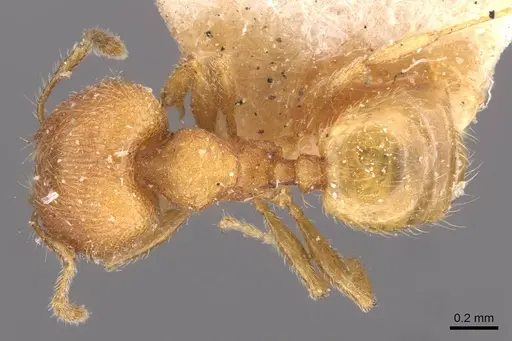
CASENT0908272
View on AntWeb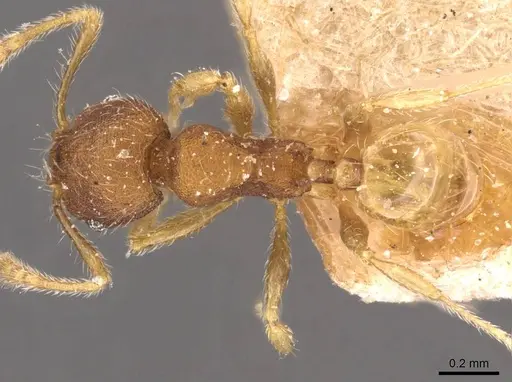
CASENT0908273
View on AntWeb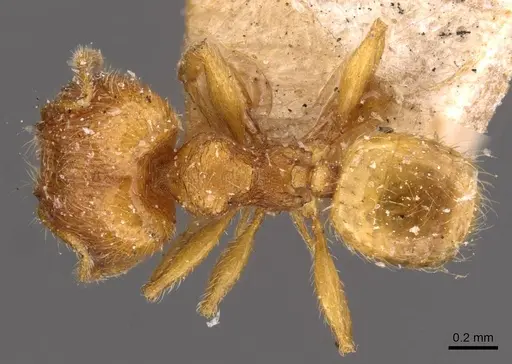
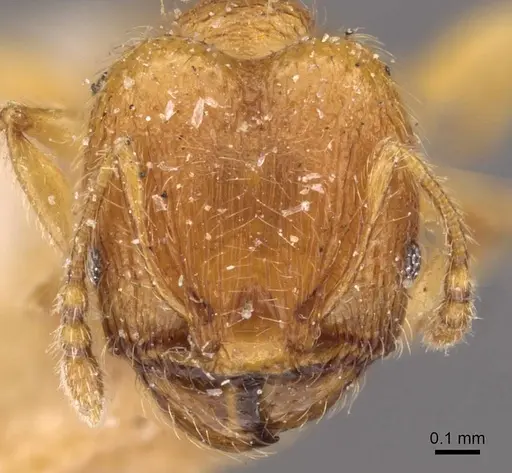
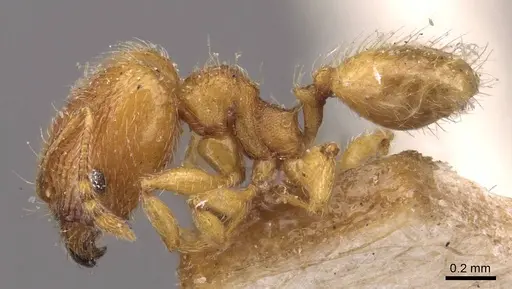
CASENT0908274
View on AntWeb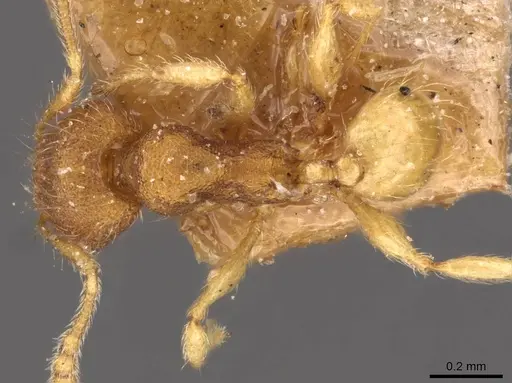
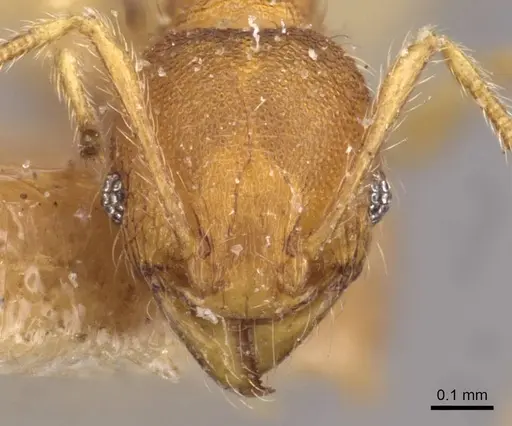
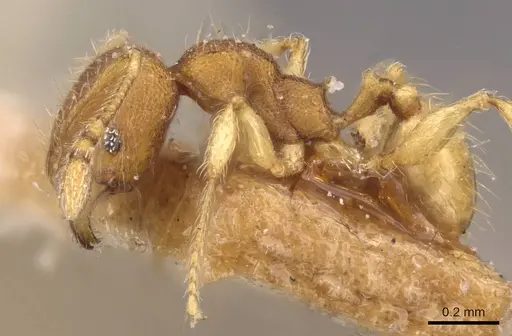
CBUMAGENT42045
View on AntWeb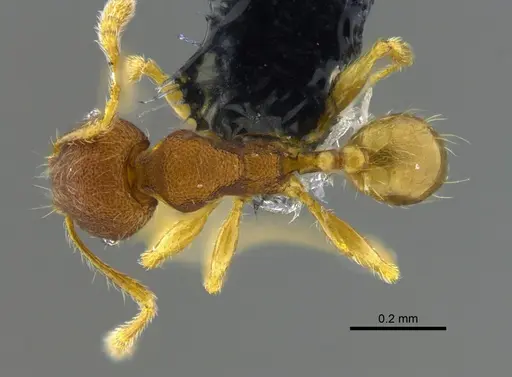
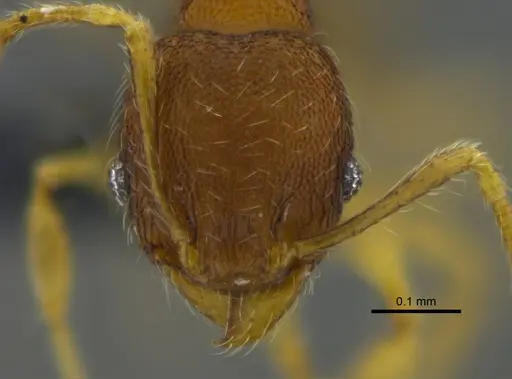
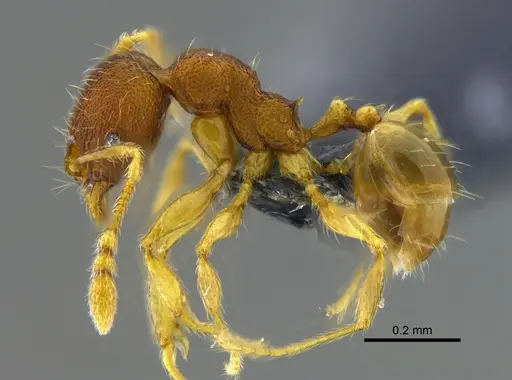
ECOFOG-MI15-0479-12-S
View on AntWeb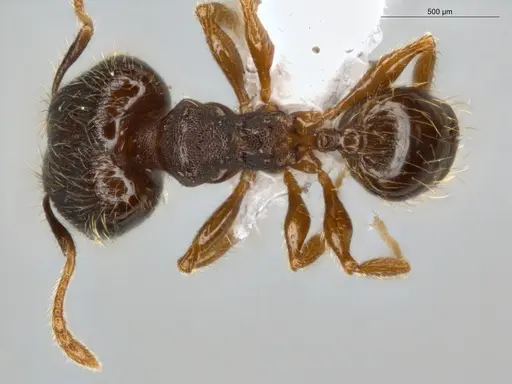
ECOFOG-MI15-0479-12
View on AntWeb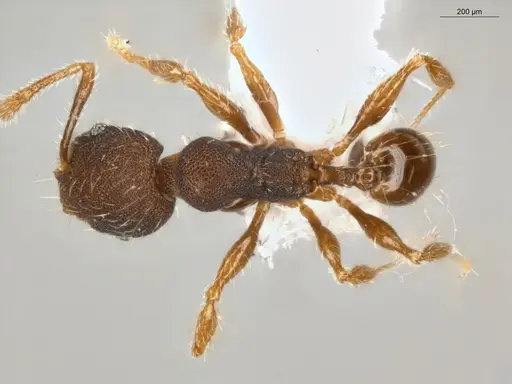
JTLC000015178
View on AntWeb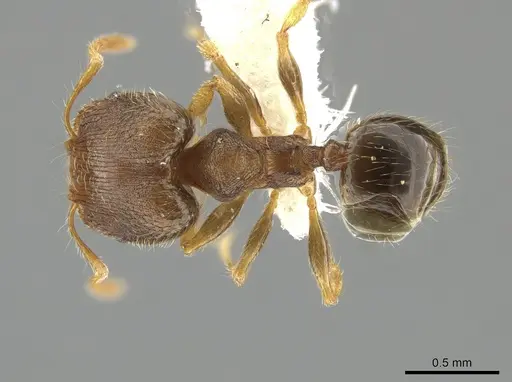
JTLC000016550
View on AntWeb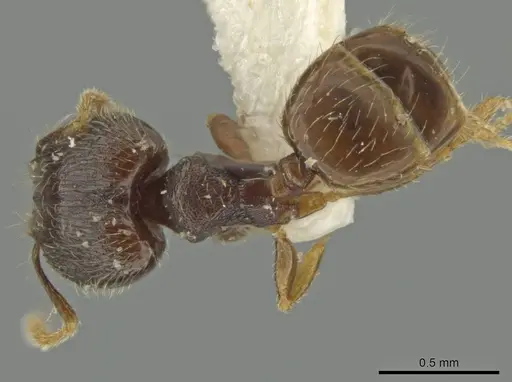
Literature
Loading...Loading products...