

Pheidole scrobifera
- Scientific Name
- Pheidole scrobifera
- Tribe
- Attini
- Subfamily
- Myrmicinae
- Author
- Emery, 1896
- Distribution
- Found in 5 countries
Pheidole scrobifera Overview
Pheidole scrobifera is an ant species of the genus Pheidole. It is primarily documented in 5 countries , including Costa Rica, Honduras, Mexico. Detailed taxonomic data and occurrence records can be further explored via authoritative databases such as AntWeb or the Global Biodiversity Information Facility (GBIF).
Pheidole scrobifera
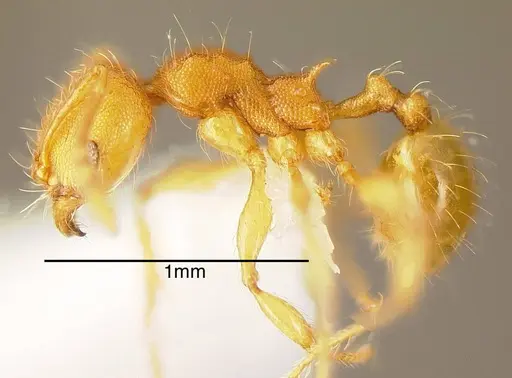
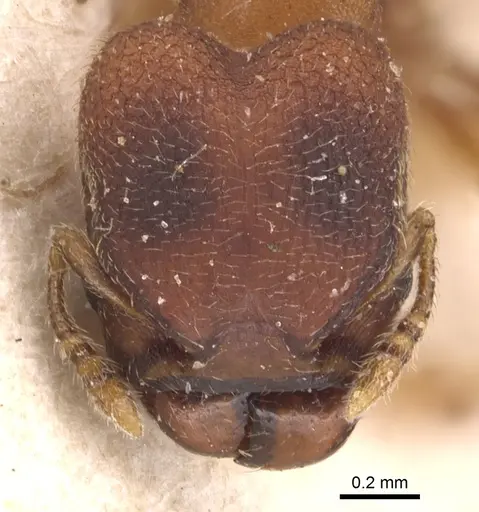
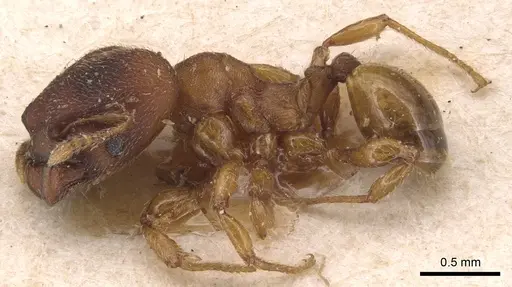
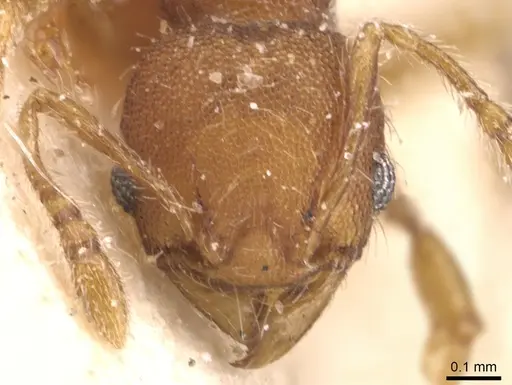
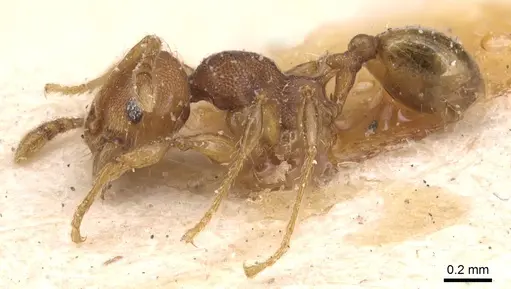
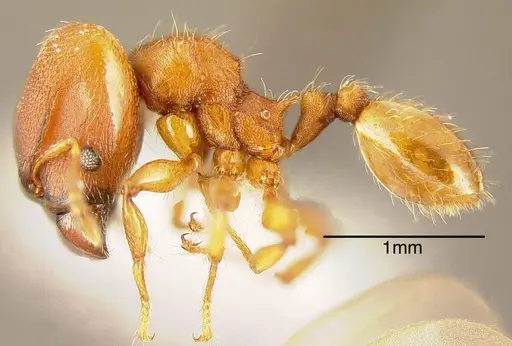
Pheidole scrobifera is a small Neotropical ant belonging to the scrobifera species group. Majors measure around 0.88mm head width with a distinctive reddish-brown coloration and bilateral dark spots on the head, while minors are smaller at 0.44mm head width with a darker yellowish appearance. The species is native to Central America, found across Costa Rica, Honduras, Nicaragua, and Panama, typically at elevations up to 900m on the Atlantic slope. These ants nest in rotting wood and soil on the forest floor of mature wet forests and are nocturnal foragers, meaning they become active after dark [1][2].
Quick Summary
- Difficulty: Medium
- Origin & Habitat: Native to the Neotropical region, Costa Rica, Honduras, Nicaragua, and Panama. Found on the Atlantic slope of Costa Rica up to 900m elevation. Inhabits mature wet forest, nesting in rotten logs and decaying wood on the forest floor [1][2].
- Colony Type: Colony structure is unconfirmed. Pheidole species are typically monogyne (single queen colonies), though some can be polygyne. No specific data available for this species.
- Size & Growth:
- Queen: Undocumented, no queen measurements found in available literature
- Worker: Major workers: 0.88mm HW, Minor workers: 0.44mm HW [1]
- Colony: Unknown, no colony size data available for this species
- Growth: Unknown, no development studies available
- Development: Unconfirmed, no direct measurements exist. Based on typical Pheidole patterns, expect 6-10 weeks at tropical temperatures. (Development timeline is unconfirmed for this species. Related Pheidole species typically develop in 6-10 weeks under warm conditions.)
- Antkeeping:
- Temperature: Keep warm, around 24-28°C. This species comes from tropical wet forests in Costa Rica where temperatures are consistently warm year-round. A heating cable on one side of the nest can create a gentle gradient if room temperature is below this range.
- Humidity: High humidity is essential, think damp forest floor conditions. Keep the nest substrate consistently moist but not waterlogged. Provide a water tube for drinking water. These ants from wet forests need more humidity than typical desert-dwelling ants.
- Diapause: No, as a tropical species from Costa Rica, they do not require hibernation. Maintain warm temperatures year-round.
- Nesting: In nature they nest in rotting wood and soil on the forest floor. In captivity, a naturalistic setup with rotting wood pieces or a well-humidified Y-tong/plaster nest works well. They need tight, humid chambers scaled to their small size.
- Behavior: Nocturnal foragers, workers become active after dark. Major and minor castes are present, with majors having distinctive dark spots on the head. Pheidole species are generally not aggressive but will defend their nest vigorously if threatened. Escape risk is moderate due to their small size, use standard barrier methods. They are seed-harvesting ants with a generalist diet.
- Common Issues: tropical species requires consistent warmth, cold temperatures can slow or stop brood development, high humidity needs mean drying out is a common problem, monitor substrate moisture regularly, nocturnal activity means you'll mostly observe them in evening hours, slow growth due to lack of documented development data, patience is required, small minor workers may have difficulty with larger prey items
Natural History and Distribution
Pheidole scrobifera is found across Central America, specifically in Costa Rica, Honduras, Nicaragua, and Panama. They inhabit the Atlantic slope of Costa Rica up to 900 meters elevation, living in mature wet forests. These ants are ground-nesting species that specifically seek out rotting wood and decaying organic material on the forest floor for their nests. Workers have been observed foraging at night, making them nocturnal hunters. This preference for damp, shaded forest floor microhabitats is typical of many Neotropical Pheidole species. [1][2]
Housing and Nest Setup
In captivity, recreate their natural forest floor environment. They do well in naturalistic setups with rotting wood pieces or in humidified artificial nests like Y-tong or plaster nests. The key requirement is consistently high humidity, these ants come from wet forests and will not tolerate dry conditions. The nest chambers should be small and tight-fitting to their body size. Provide a water tube or damp cotton as a water source. Since they forage at night, you may not see much activity during daylight hours. [1]
Feeding and Diet
Like other Pheidole species, these are generalist foragers that collect seeds and protein. Offer a varied diet including small seeds, grain, or ant-specific seed mixes for the minor workers. For protein, provide small insects like fruit flies, small mealworms, or cricket pieces. Major workers can handle larger prey items. A small dish of sugar water or honey can supplement their diet, though seeds and protein should form the bulk of their nutrition. Feed every 2-3 days and remove uneaten food to prevent mold. [1]
Temperature and Seasonal Care
As a tropical species from Costa Rica, Pheidole scrobifera needs warm temperatures year-round. Keep the nest area between 24-28°C. Unlike temperate species, they do not require hibernation or a diapause period. Cold temperatures will slow their metabolism and can stop brood development entirely. If your room temperature is below 24°C, use a heating cable on one side of the nest to create a warm gradient. Monitor the temperature with a thermometer placed near the nest. [1]
Behavior and Observation
These ants are nocturnal, meaning they are most active after dark. If you want to observe them foraging, plan to check on them in the evening hours. The colony will have distinct major and minor worker castes, majors are larger with distinctive dark spots on their head. They are not particularly aggressive toward keepers but will defend their nest if disturbed. Expect to see the minor workers doing most of the foraging and nest maintenance, with majors primarily defending the colony. [1]
Frequently Asked Questions
How long does it take for Pheidole scrobifera to develop from egg to worker?
The exact development timeline is unconfirmed for this species. Based on typical Pheidole genus patterns, expect approximately 6-10 weeks from egg to first worker at optimal tropical temperatures (around 26°C).
What temperature do Pheidole scrobifera ants need?
Keep them warm at 24-28°C. This tropical species from Costa Rica needs consistent warmth year-round and does not tolerate cold temperatures.
Do Pheidole scrobifera ants need hibernation?
No, they do not require hibernation. As a tropical species from Costa Rica, they need warm temperatures maintained year-round.
What do Pheidole scrobifera ants eat?
They are generalist foragers. Offer small seeds or grain, protein sources like small insects (fruit flies, mealworms), and occasional sugar water or honey. They forage at night.
Are Pheidole scrobifera good for beginners?
This species is rated as medium difficulty. While not the most challenging ant, the lack of documented care information and their specific humidity needs make them better suited for keepers with some experience maintaining tropical species.
How big do Pheidole scrobifera colonies get?
The maximum colony size is unknown. Pheidole colonies can range from dozens to thousands of workers depending on the species, but no specific data exists for scrobifera.
What type of nest should I use for Pheidole scrobifera?
They do well in naturalistic setups with rotting wood or in humidified artificial nests like Y-tong or plaster nests. The key is maintaining high humidity while ensuring good ventilation.
When are Pheidole scrobifera ants most active?
They are nocturnal foragers, meaning they are most active after dark. You will see the most activity in the evening and nighttime hours.
Can I keep multiple queens together in a Pheidole scrobifera colony?
The colony structure is unconfirmed for this species. Pheidole species can be either monogyne (single queen) or polygyne (multiple queens). Without specific data, it is not recommended to combine unrelated queens.
References

This caresheet is licensed under CC BY-SA 4.0 .
CASENT0635523
View on AntWeb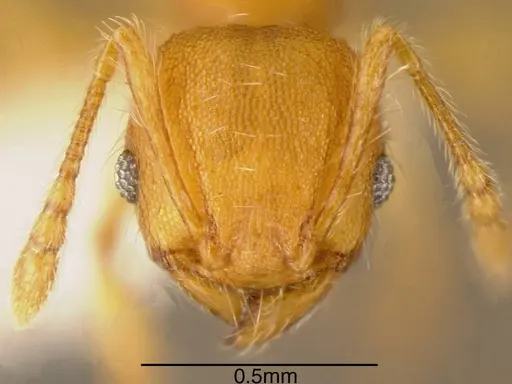
CASENT0904449
View on AntWeb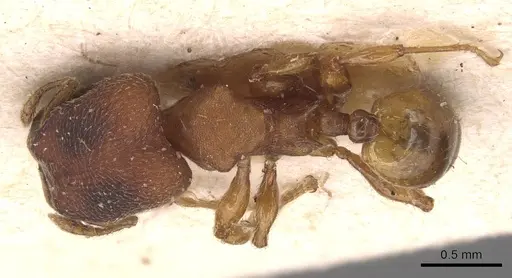
CASENT0904450
View on AntWeb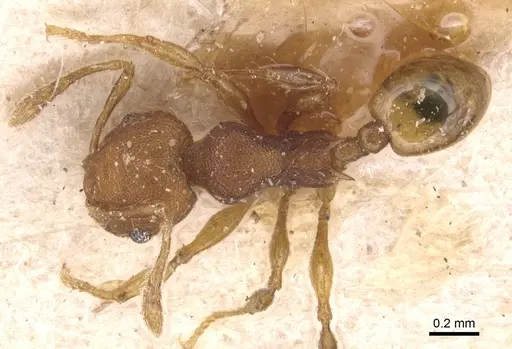
INBIOCRI002281993
View on AntWeb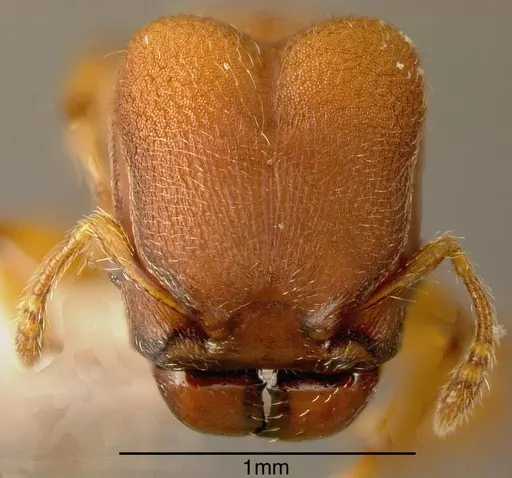
Literature
Loading...Loading products...