

Pheidole sciophila
- Scientific Name
- Pheidole sciophila
- Tribe
- Attini
- Subfamily
- Myrmicinae
- Author
- Wheeler, 1908
- Distribution
- Found in 2 countries
Pheidole sciophila Overview
Pheidole sciophila is an ant species of the genus Pheidole. It is primarily documented in 2 countries , including Mexico, United States of America. Detailed taxonomic data and occurrence records can be further explored via authoritative databases such as AntWeb or the Global Biodiversity Information Facility (GBIF).
Pheidole sciophila
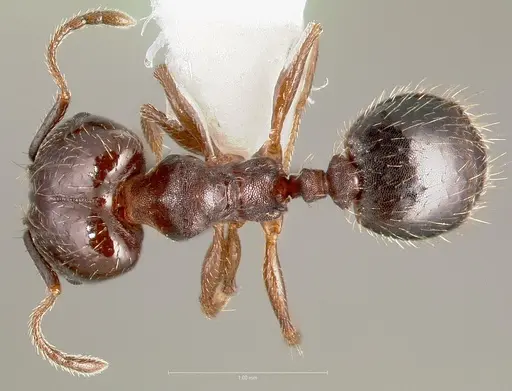
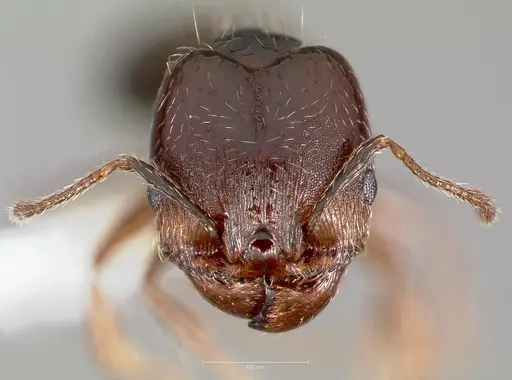
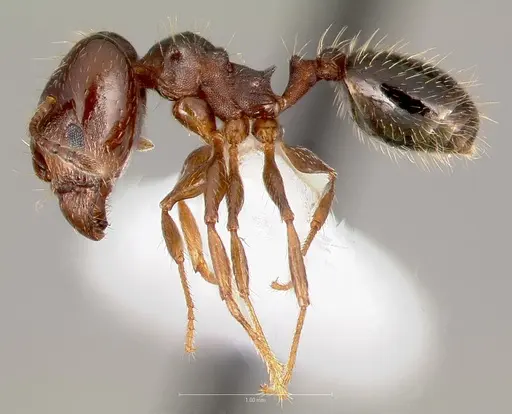
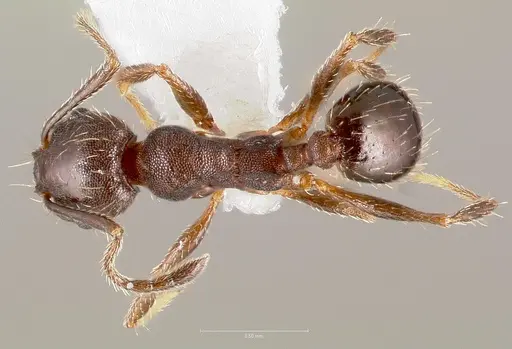
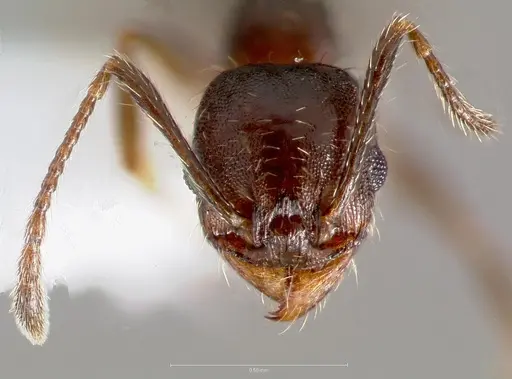
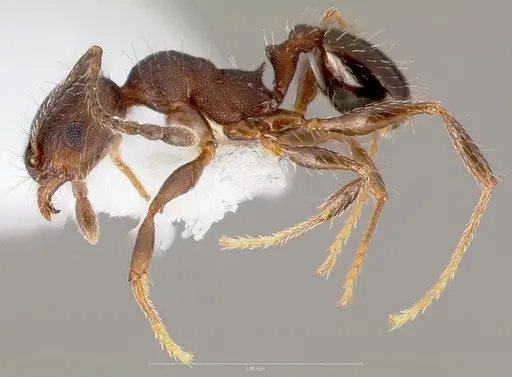
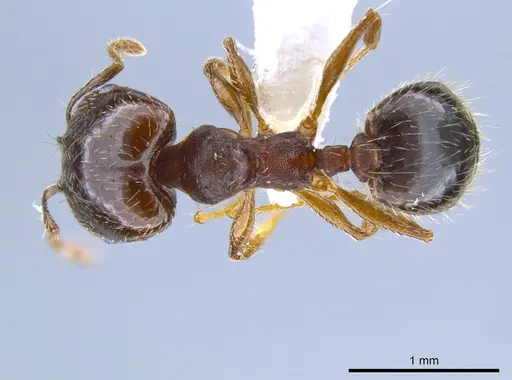
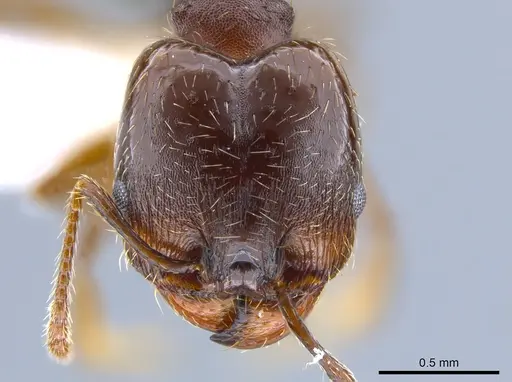
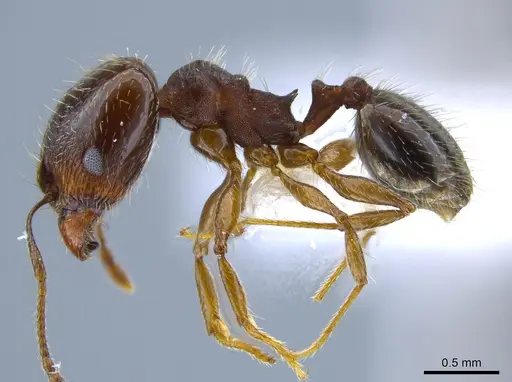
Pheidole sciophila is a small, bicolored ant native to the southwestern United States and northern Mexico. Majors measure just over 2mm in total length with a distinctive elliptical head that tapers toward the back, the anterior half of the head is longitudinally striated while the posterior half is smooth and glossy. The body is bicolored: majors have a rich reddish brown posterior and brownish yellow anterior, while minors are plain medium brown with lighter appendages. This species gets its scientific name 'sciophila' meaning 'shade-lover' because it strongly prefers shaded microhabitats near trees and streams, though it can also tolerate fully exposed desert sites when needed. Colonies are monogynous (single queen) and relatively small, typically reaching several hundred workers. They are omnivorous, feeding on insects and attracted to sweet baits like peanut butter.
Quick Summary
- Difficulty: Easy
- Origin & Habitat: Central Texas to deserts of southern Arizona and California, south into Chihuahua, Mexico, at 100-1800m elevation. Found in weedy annual zones, black grama grasslands, creosotebush scrub, mesquite communities, and Chihuahua pine forests.
- Colony Type: Monogynous (single queen) colonies with several hundred workers.
- Colony: Monogyne
- Founding: Claustral
- Size & Growth:
- Queen: Unconfirmed, typical Pheidole queen size is 5-8mm
- Worker: Major: total length just over 2mm, HW 1.04mm, HL 1.14mm. Minor: HW 0.48mm, HL 0.58mm
- Colony: Several hundred workers
- Growth: Moderate, typical for Pheidole genus
- Development: 6-10 weeks (estimated based on typical Pheidole development) (Development time inferred from genus patterns, direct measurements unavailable for this species)
- Antkeeping:
- Temperature: Room temperature (20-26°C) is suitable. This species tolerates a wide elevation range (100-1800m) indicating adaptability to various temperatures. Keep at typical room temperature and adjust based on colony activity.
- Humidity: Moderate, they prefer some shade and moisture but can tolerate dry conditions. Provide a water tube and allow the colony to self-regulate humidity within the nest.
- Diapause: Unknown, likely experiences reduced activity in winter months given its temperate to subtropical range, but specific diapause requirements unstudied
- Nesting: In nature, they nest in soil with cryptic entrances near shrub bases, sometimes under stones. Nests can extend 1.2m deep. For captivity, a standard test tube setup works well for founding colonies. Later stages benefit from a formicarium with soil or compact earth chamber to allow natural tunneling behavior. They prefer dark, concealed nest sites.
- Behavior: This species is relatively docile and not aggressive. Majors have distinctive large heads but are not particularly defensive. They are omnivorous foragers attracted to protein baits and sweet substances. Workers forage individually rather than in raiding columns. The species shows strong preference for shaded microhabitats, 97% of specimens are caught in tree-shaded traps [1]. They are not known escape artists but standard containment practices should still be followed. When threatened by army ants, soldiers block nest entrances by gripping the predator's legs or antennae [2].
- Common Issues: colonies remain small (few hundred workers), don't expect massive colonies like some Pheidole species, deep nesting preference means they may struggle in shallow nests without adequate depth, shade preference means they may be less active in brightly lit setups, provide dark areas, small colony size makes them vulnerable to stress, handle gently during transfers, cryptic nesting means founding colonies can be easily overlooked, ensure quiet observation period
Housing and Nest Preferences
Pheidole sciophila prefers dark, concealed nesting sites. In the wild, they nest in soil with cryptic entrances located at or near the bases of desert shrubs. One excavated nest in southeastern Arizona penetrated 1.2 meters into hard caliche soil, showing they naturally dig deep tunnels. For captive care, start with a standard test tube setup for the founding queen. Once the colony reaches 20-30 workers, you can move them to a formicarium with a compact earth chamber or Y-tong style nest. Avoid overly bright lighting, these ants prefer dimmer conditions and will be more active in darker nest areas. A naturalistic setup with a soil chamber works well since it allows them to exhibit natural tunneling behavior.
Feeding and Diet
This species is omnivorous. In the wild, they are attracted to protein sources and sweet baits, one study specifically notes they were attracted to peanut butter baits. Early researchers suggested they might be primarily insect-eating (entomophagous), though they also function as seed harvesters in some areas [3]. No seeds were found in nests excavated in southern Arizona, suggesting insect protein may be their primary food source there. For captive colonies, offer a varied diet: small insects like fruit flies, mealworm pieces, or other small protein sources 2-3 times per week. Sugar water or honey can be offered occasionally, though they show less interest in sweets than some other Pheidole species. Remove uneaten food after 24 hours to prevent mold.
Temperature and Seasonal Care
Pheidole sciophila tolerates a wide elevation range from 100 to 1800 meters, indicating good temperature adaptability. They naturally occur in areas from central Texas to southern Arizona and California, across various desert and grassland habitats. Room temperature (20-26°C) is ideal for keeping this species. They can tolerate cooler conditions during winter months but should be kept warm enough to maintain activity. Unlike some desert species, they prefer some shade and moisture, avoid placing their nest in direct hot sunlight or very dry locations. If your room temperature is within the 20-26°C range, no additional heating is typically needed.
Behavior and Colony Dynamics
This is a docile, non-aggressive species that forms relatively small colonies of several hundred workers. Unlike some Pheidole species known for their aggressive defense or massive soldier casts, P. sciophila has small majors (just over 2mm total length) that are not particularly warlike. They show a strong preference for shaded microhabitats, studies show 97% of individuals are captured in tree-shaded traps versus only 3% in open ground [1]. Workers forage individually rather than in coordinated raiding parties. When threatened by predators like army ants, soldiers will block narrow nest entrances and grip the attacker, allowing other workers to clear the passageway [2]. The colony will establish quickly in captivity and typically remains peaceful.
Growth and Development
Colonies grow at a moderate pace typical of the Pheidole genus. Founding queens are claustral, they seal themselves in a chamber and raise the first brood using stored body fat reserves. The first workers (nanitics) will be smaller than normal workers. Once the colony establishes, growth continues steadily but colonies remain relatively small compared to some Pheidole species that can reach thousands of workers. Expect your colony to max out at several hundred workers. This smaller colony size makes them manageable for beginners and suitable for smaller enclosures. Patience is key, full colony development may take 1-2 years to reach moderate size.
Frequently Asked Questions
Is Pheidole sciophila good for beginners?
Yes, this is a good species for beginners. They are docile, form manageable-sized colonies, and have straightforward care requirements. They tolerate a range of conditions and don't require special hibernation setups. Their small colony size (several hundred workers max) makes them easier to house than larger Pheidole species.
How long does it take for Pheidole sciophila to produce first workers?
Expect first workers (nanitics) in 6-10 weeks after the queen lays eggs, assuming room temperature around 22-26°C. This is typical for Pheidole species. The exact timing depends on temperature and feeding. Queens are claustral and raise the first brood alone without foraging.
What do Pheidole sciophila ants eat?
They are omnivorous but lean toward protein. Offer small insects like fruit flies, pinhead crickets, or mealworm pieces 2-3 times per week. They will also accept sugar water or honey occasionally. They are attracted to peanut butter in the wild. Avoid overfeeding, remove uneaten food after 24 hours.
How big do Pheidole sciophila colonies get?
Colonies reach several hundred workers maximum. This is smaller than many other Pheidole species that can reach thousands. The monogynous (single queen) colony structure limits their maximum size.
Can I keep multiple Pheidole sciophila queens together?
No. This species is monogynous, colonies have a single queen. Combining unrelated queens will result in fighting. Only one queen per colony should be kept.
Do Pheidole sciophila need hibernation?
Diapause requirements are not specifically documented for this species. Given their wide elevation range (100-1800m) across temperate to subtropical regions, they likely experience reduced winter activity. A cool period around 15-18°C for 2-3 months during winter months is likely beneficial, though not strictly required if kept at room temperature year-round.
What type of nest is best for Pheidole sciophila?
They prefer dark, concealed spaces. Start with a test tube for founding colonies. Once established, use a formicarium with a compact earth chamber or Y-tong style nest with narrow chambers. Avoid bright lighting on the nest area. They naturally dig deep tunnels, so provide adequate depth if using a soil setup.
Why are my Pheidole sciophila not foraging much?
This species strongly prefers shaded conditions, 97% are found in tree-shaded microhabitats in the wild. If your setup is too bright, they may remain in darker areas. Ensure the nest area is shaded and consider reducing overall lighting. They may also be less active if temperatures are too cool.
Are Pheidole sciophila escape artists?
They are small ants but not particularly known for escaping. Standard containment (Fluon on test tube rims, tight-fitting formicarium lids) is sufficient. Their small size means you should still use fine mesh on any ventilation openings.
References

This caresheet is licensed under CC BY-SA 4.0 .
Literature
Loading...Loading products...