

Pheidole scimitara
- Scientific Name
- Pheidole scimitara
- Tribe
- Attini
- Subfamily
- Myrmicinae
- Author
- Wilson, 2003
- Distribution
- Found in 3 countries
Pheidole scimitara Overview
Pheidole scimitara is an ant species of the genus Pheidole. It is primarily documented in 3 countries , including Brazil, Colombia, Peru. Detailed taxonomic data and occurrence records can be further explored via authoritative databases such as AntWeb or the Global Biodiversity Information Facility (GBIF).
Pheidole scimitara
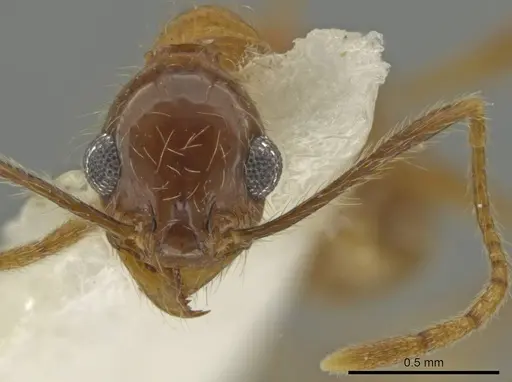
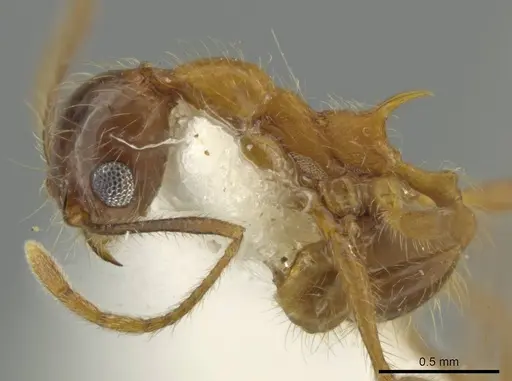
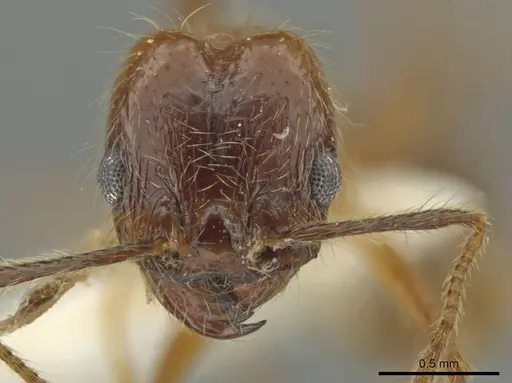
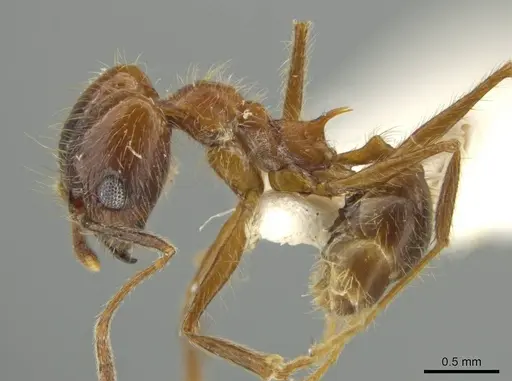
Pheidole scimitara is a distinctive Amazonian ant belonging to the diligens group. The species gets its name from the Latin 'scimitara' meaning curved sword, referring to its remarkably long propodeal spines. Major workers feature medium to dark reddish brown heads and mandibles with light yellowish brown bodies, while minor workers are primarily yellow with a light yellowish brown head and gaster. This species is notable for having extremely large eyes and antennal scapes that extend well beyond the occipital corner in major workers. Originally described from Peru, subsequent records have confirmed its presence across the Amazon Basin in Brazil, making it one of the more widespread Pheidole species in the region [1][2]. The colony structure and specific biology remain unstudied, but like most Pheidole species, they likely form colonies with multiple queens and develop soldier castes for seed processing.
Quick Summary
- Difficulty: Unknown
- Origin & Habitat: Amazon Basin, found in Peru (Madre de Dios) and Brazil (Amazonas, Pará states) at low elevations around 400m. Inhabits tropical floodplain forests where it has been recorded across more than 2000 km of Amazonian territory [3][4].
- Colony Type: Unconfirmed, likely polygyne based on typical Pheidole genus patterns, but no specific studies document colony structure for this species.
- Size & Growth:
- Queen: Unknown, no queen measurements available in described material
- Worker: Major workers: 1.00mm HW, Minor workers: 0.54mm HW
- Colony: Unknown, no colony size data available
- Growth: Unknown, no development data available
- Development: Unknown, no direct measurements exist. Based on typical Pheidole patterns in tropical conditions, estimate 6-10 weeks from egg to first worker at optimal temperatures. (This is an estimate based on genus-level data since no species-specific development studies exist.)
- Antkeeping:
- Temperature: Aim for 24-28°C, typical for Amazonian species. Use a heating cable on one side of the nest to create a gentle gradient if room temperature falls below this range.
- Humidity: Keep substrate consistently moist but not waterlogged. Amazonian species prefer humid conditions, maintain moisture similar to a damp forest floor.
- Diapause: Unknown, tropical species may not require a true diapause, but some seasonal slow-down during cooler months may occur.
- Nesting: Natural nesting behavior is unconfirmed. Most Pheidole species nest in soil, so a test tube setup works for founding colonies. For established colonies, a Y-tong or plaster formicarium with moist substrate works well.
- Behavior: Behavior is unstudied. Like other Pheidole species, they likely have major workers (soldiers) that assist with seed processing and colony defense. Their extremely large eyes suggest they may be more visually oriented than typical ants. Escape prevention should be moderate, these are small ants but not among the tiniest in the genus.
- Common Issues: lack of biological data makes specific care recommendations uncertain, tropical humidity requirements may lead to mold issues if ventilation is poor, wild-caught colonies may carry parasites or diseases not yet documented, growth rate is unknown so keepers may overfeed or underfeed, diapause requirements are unconfirmed for captive care
Appearance and Identification
Pheidole scimitara is a striking species due to its extremely long propodeal spines, the spines extending from the rear of the mesosoma are notably elongated, giving the ant a distinctive silhouette. Major workers measure approximately 1.00mm in head width (HW) with a head length of 1.10mm, while minor workers are much smaller at 0.54mm HW. The species has remarkably large eyes compared to other Pheidole, and the antennal scapes of major workers extend well beyond the occipital corner. Coloration varies between castes: majors have medium to dark reddish brown heads and mandibles with lighter yellowish brown bodies, while minors are predominantly yellow with slightly darker heads and gasters. These ants belong to the diligens group, which contains several similar species, but the combination of long spines and large eyes makes scimitara relatively distinctive.
Distribution and Habitat
This species has one of the broadest distributions among Amazonian Pheidole, recorded across more than 2000 km of Amazonian floodplain forest [3]. Originally described from Peru (Madre de Dios at 400m elevation), it is now confirmed to occur throughout the Brazilian Amazon, including Amazonas state and Pará state (with records from Juruti, Óbidos, Prainha, and Santarém) [4][2]. The type specimen was collected at the Estaćion Biologica de Cocha Cashu in Peru's Manu National Park region. This wide distribution across lowland Amazonian forests suggests the species is well-adapted to tropical floodplain environments with high humidity and consistent warm temperatures.
Nest Preferences and Housing
Specific nesting behavior is unconfirmed for this species. Most Pheidole ants nest in soil, creating underground chambers connected by tunnels. For captive care, start colonies in a standard test tube setup with a water reservoir. The tube should be kept humid but not flooded, aim for condensation on the walls without standing water. Once the colony reaches 20-30 workers, you can transition to a small formicarium. A Y-tong nest or plaster formicarium works well for Pheidole, providing chambers the ants can customize. Keep the nest material slightly moist. Since nothing is known about this species' specific preferences, observe your colony's behavior, if workers cluster in damp areas, increase moisture, if they avoid certain chambers, provide drier options.
Feeding and Diet
Diet is unconfirmed for this specific species, but Pheidole genus members are typically omnivorous with a strong preference for seeds and small insects. In captivity, offer a varied diet including: protein sources like small crickets, mealworms, or fruit flies (especially for colonies with major workers that can process larger prey), seeds such as grass seeds or millet, and sugar sources like honey water or sugar water for energy. Major workers (soldiers) in Pheidole species are specialized for seed processing, using their enlarged mandibles to crack hard seed coats. Feed protein 2-3 times per week and provide constant access to sugar water. Remove uneaten prey after 24 hours to prevent mold. Since this species has extremely large eyes, they may be more visually oriented when foraging, consider placing food in visible locations.
Temperature and Seasonal Care
As an Amazonian species from lowland tropical forests, Pheidole scimitara likely requires warm, stable temperatures. Aim for 24-28°C (75-82°F) in the nest area. A heating cable placed on one side of the nest can create a gentle gradient, allowing workers to self-regulate by moving between warmer and cooler areas. Room temperature may suffice if your home stays in this range, but monitor colony activity, if workers become sluggish, increase temperature slightly. Humidity should be high (60-80%) to mimic the damp Amazonian environment. Whether this species requires a diapause period is unknown. Tropical ants often show reduced activity during cooler or drier seasons rather than entering true hibernation. If your colony slows in winter, reduce feeding and keep temperatures slightly cooler (around 20-22°C) rather than attempting a full hibernation protocol.
Behavior and Colony Structure
The social structure of Pheidole scimitara has not been studied, but the genus typically exhibits complex colony organization including distinct worker castes. Major workers (soldiers) have enlarged heads and mandibles specialized for seed processing and colony defense. The species' extremely large eyes are unusual among Pheidole and may indicate enhanced visual capabilities, some Pheidole species use visual cues during foraging or navigation. Colony size is unknown but related species often reach several hundred to a few thousand workers. Most Pheidole species are polygyne (multiple queens per colony), though some form single-queen colonies. Without specific data, assume this species may accept multiple queens and introduce additional queens cautiously if attempting to start a colony from multiple foundresses.
Frequently Asked Questions
How long does it take for Pheidole scimitara to produce first workers?
The egg-to-worker timeline is unconfirmed for this species. Based on typical Pheidole development in tropical conditions, expect approximately 6-10 weeks from egg to first worker at optimal temperatures around 26°C. This is an estimate since no specific development studies exist for P. scimitara.
What do Pheidole scimitara ants eat?
Diet is unconfirmed for this species, but based on typical Pheidole behavior, offer small insects (crickets, mealworms, fruit flies), seeds, and sugar water. Major workers can process larger prey and hard seeds. Feed protein 2-3 times weekly with constant access to sugar sources.
Are Pheidole scimitara ants good for beginners?
Difficulty level cannot be determined due to lack of biological data. This species is not recommended for complete beginners because so little is known about its specific care requirements. If you have experience with other Pheidole species, you can apply general genus knowledge, but expect a learning curve.
Do Pheidole scimitara ants need hibernation?
Diapause requirements are unknown. As an Amazonian species, they likely do not require true hibernation. Some seasonal slow-down during cooler months may occur naturally. If the colony becomes less active in winter, reduce feeding and maintain slightly cooler (not cold) temperatures around 20-22°C.
What temperature should I keep Pheidole scimitara at?
Aim for 24-28°C (75-82°F). This Amazonian species prefers warm, stable conditions. Use a heating cable on one side of the nest to create a gentle gradient if needed. Monitor colony activity, workers should be active and foraging.
How big do Pheidole scimitara colonies get?
Colony size is unconfirmed. Related Pheidole species often reach several hundred to a few thousand workers. Without specific data, plan for a medium-sized colony and provide adequate space as the colony grows.
Can I keep multiple queens together?
Colony structure is unconfirmed. Most Pheidole species are polygyne (multiple queens), but this has not been documented for P. scimitara. If combining unrelated foundresses, do so cautiously and monitor for aggression.
What type of nest should I use for Pheidole scimitara?
For founding colonies, use a standard test tube setup with water reservoir. For established colonies (20+ workers), a Y-tong or plaster formicarium with moist substrate works well. Most Pheidole prefer to customize their own chamber layouts.
Where is Pheidole scimitara found in the wild?
This species is native to the Amazon Basin, found in Peru (Madre de Dios) and Brazil (Amazonas and Pará states). It inhabits tropical floodplain forests at low elevations around 400m. It has one of the widest distributions among Amazonian Pheidole species.
References

This caresheet is licensed under CC BY-SA 4.0 .
CASENT0645867
View on AntWeb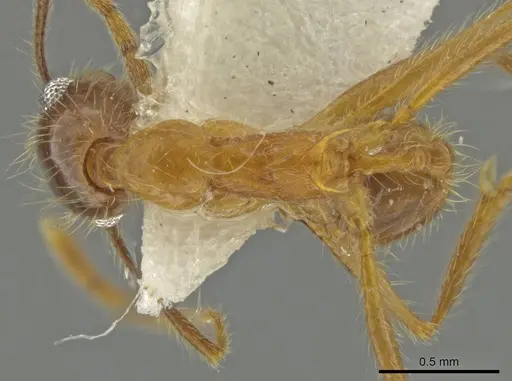
JTLC000016523
View on AntWeb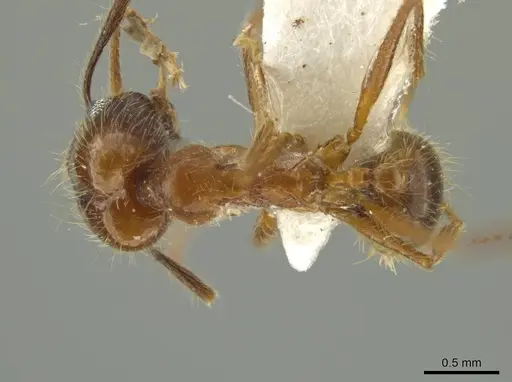
Literature
Loading...Loading products...