

Pheidole sciara
- Scientific Name
- Pheidole sciara
- Tribe
- Attini
- Subfamily
- Myrmicinae
- Author
- Cole, 1955
- Distribution
- Found in 1 countries
Pheidole sciara Overview
Pheidole sciara is an ant species of the genus Pheidole. It is primarily documented in 1 countries , including United States of America. Detailed taxonomic data and occurrence records can be further explored via authoritative databases such as AntWeb or the Global Biodiversity Information Facility (GBIF).
Pheidole sciara
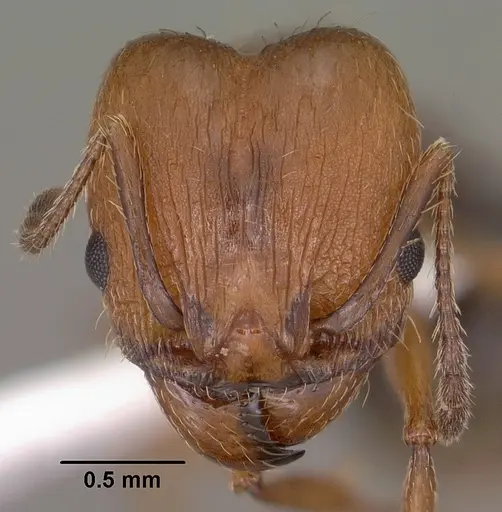
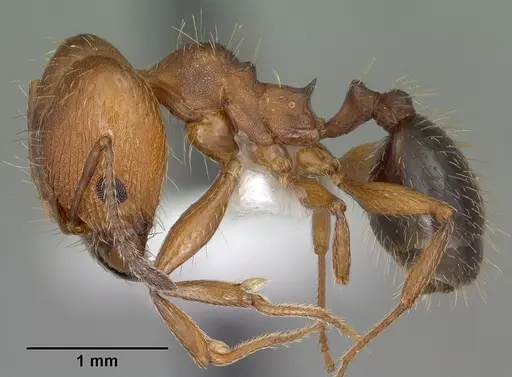
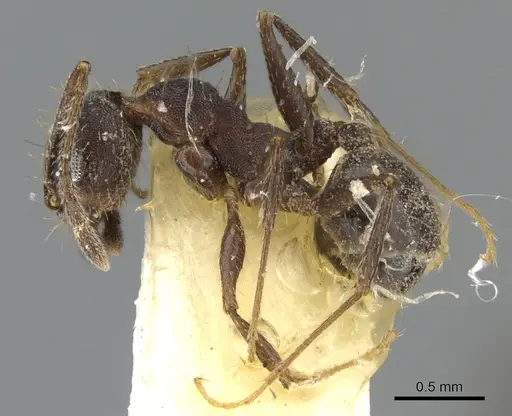
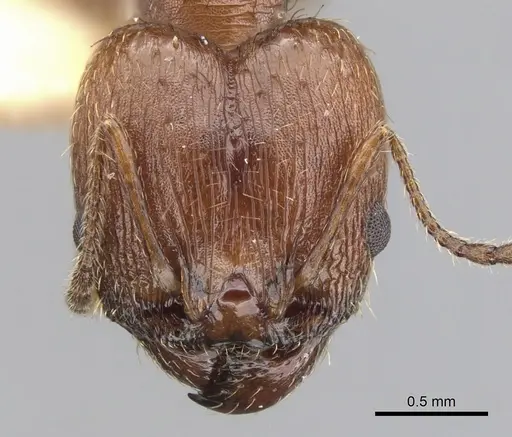
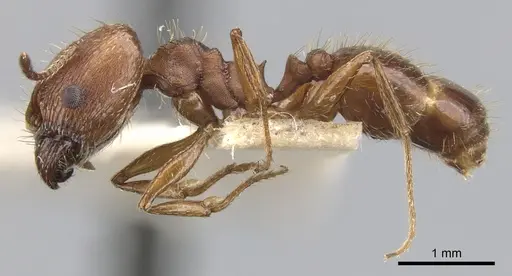
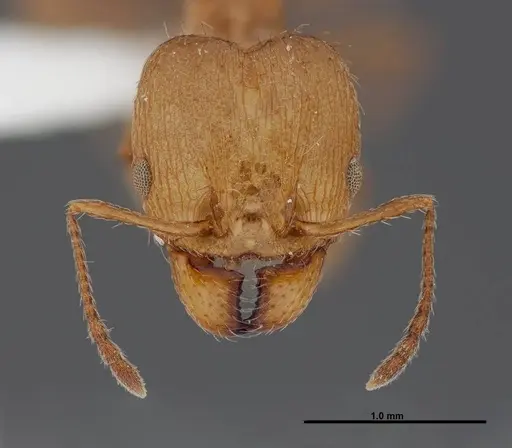
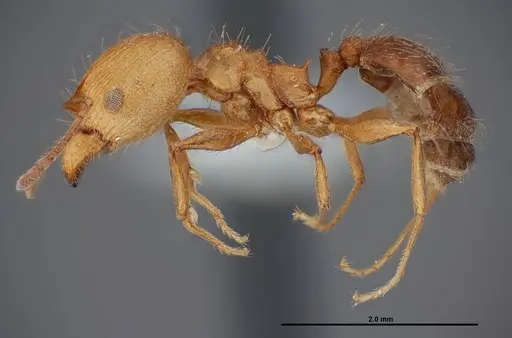
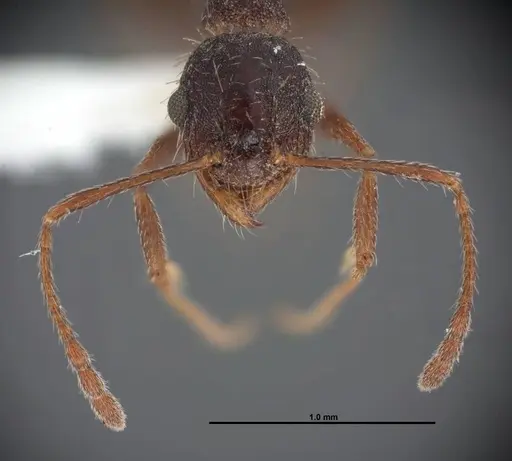
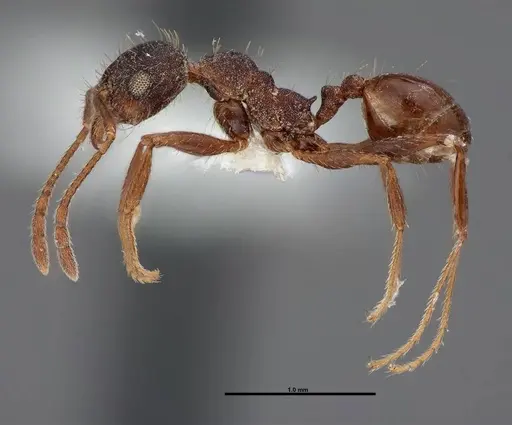
Pheidole sciara is a small ant species native to the American Southwest, ranging from west-central Texas to southwestern New Mexico. Major workers measure approximately 1.5mm in head length while minors are much smaller at around 0.6mm. The species gets its name from the Greek word 'sciara' meaning shaded, likely referring to the color of the type specimens, majors have a light reddish-brown body with a darker brown abdomen, while minors are a plain medium brown. This species belongs to the fallax group within Pheidole, characterized by their distinctive head sculpture in majors and large eyes in minors. They inhabit open, sandy, semi-desert areas where they build soil nests with small mound entrances, often found nesting under stones or in open ground at elevations between 600 and 1700 meters [1].
Quick Summary
- Difficulty: Easy
- Origin & Habitat: Native to the American Southwest, west-central Texas to southwestern New Mexico, also found in northern Mexico. Inhabits open, sandy, semi-desert areas including saline desert regions with scattered vegetation like mesquite, yucca, and Ephedra. Nests are typically in soil at elevations from 600 to 1700 meters[1][2].
- Colony Type: Single-queen colonies (monogyne). Pheidole species typically have claustral founding where the queen seals herself in a chamber and raises the first brood alone on stored fat reserves.
- Colony: Monogyne
- Founding: Claustral
- Size & Growth:
- Queen: Approximately 6-8mm (estimated based on genus Pheidole patterns)
- Worker: Major workers: 1.48mm HW, Minor workers: 0.62mm HW
- Colony: Likely reaches several hundred workers based on typical Pheidole colony sizes (estimated)
- Growth: Moderate, typical for Pheidole species
- Development: 6-8 weeks (estimated based on typical Pheidole development at warm temperatures) (Development time estimated from related Pheidole species, actual timing may vary with temperature)
- Antkeeping:
- Temperature: Keep at 24-28°C. This species comes from warm desert regions and benefits from moderate heating. A temperature gradient allows ants to regulate their own warmth [1].
- Humidity: Low to moderate. Semi-desert species prefer drier conditions, keep nest substrate lightly moist but allow it to dry between waterings. Avoid overly damp conditions that can cause mold.
- Diapause: Yes, species from temperate regions with cold winters require a winter rest period. Reduce temperature to 10-15°C for 2-3 months during winter.
- Nesting: Soil-nesting species. In captivity, they do well in naturalistic setups with sandy substrate, Y-tong nests, or plaster nests. Provide a layer of dry substrate on the surface with moist areas underneath for brood chambers.
- Behavior: Pheidole sciara is a peaceful species with typical Pheidole foraging behavior, they actively search for food and can be aggressive toward small prey. Major workers have large heads with powerful mandibles for seed processing and defense. They are not particularly aggressive toward keepers but will defend their nest. Escape risk is moderate, use standard barrier methods. Workers are active foragers that readily accept various food sources.
- Common Issues: colonies may fail if kept too humid, this is a desert species that prefers drier conditions, test tube setups can mold if water reservoir is too large and condensation builds up, slow founding phase can lead to beginner impatience, queens may take weeks to lay first eggs, major workers are relatively small so ensure escape prevention is adequate even though they're not tiny
Nest Preferences and Housing
Pheidole sciara is a soil-nesting species that naturally builds nests in open, sandy desert ground. The entrance is typically surrounded by a small mound of excavated soil, and colonies are often found nesting under stones or in open soil at elevations between 600 and 1700 meters[1]. For captive care, naturalistic setups with a sandy soil mixture work well, this allows the ants to dig their own tunnels and chambers. Alternatively, Y-tong (acrylic) nests with a thin layer of substrate or plaster nests with moisture chambers provide good visibility. Avoid overly compact or clay-heavy substrates as they cannot easily tunnel through these. The key is providing a dry surface layer with moister substrate below for brood chambers, this mimics their natural semi-desert environment where they escape underground to access humidity while the surface remains dry.
Feeding and Diet
Like most Pheidole species, P. sciara is omnivorous with a preference for protein sources. In the wild, they forage for seeds, small insects, and other protein-rich foods. In captivity, offer a varied diet including small live or frozen insects (fruit flies, small crickets, mealworms), protein-based commercial ant foods, and occasional seeds for major workers to process. Sugar sources like honey water or sugar water are readily accepted for energy. Feed protein foods 2-3 times per week and keep a sugar source available at all times. Remove uneaten prey after 24-48 hours to prevent mold. The large major workers can handle larger food items and seeds that minors cannot, making them efficient at resource processing. [1]
Temperature and Seasonal Care
This desert species from the American Southwest requires warm temperatures for optimal colony function. Maintain nest temperatures between 24-28°C during the active season, this supports brood development and worker activity. A heating cable or heating mat on one side of the nest creates a temperature gradient allowing ants to self-regulate. Place the heating element on top of the nest to gently warm the substrate without evaporating moisture too quickly. During winter, Pheidole sciara requires a diapause period typical of temperate species. Reduce temperatures to 10-15°C for 2-3 months (November through February in the Northern Hemisphere). During diapause, reduce feeding to once every two weeks or suspend feeding entirely depending on colony size. Do not attempt to prevent hibernation as this can stress colonies and reduce queen lifespan. [1]
Behavior and Colony Dynamics
Pheidole sciara exhibits typical Pheidole colony structure with distinct major and minor worker castes. Major workers have enlarged heads with powerful mandibles used for seed processing, nest defense, and food manipulation. Minor workers handle most foraging, brood care, and general colony maintenance. The colony will produce more majors as it grows, typically when the colony reaches several dozen workers. This species is not particularly aggressive toward keepers but will vigorously defend the nest if threatened. Workers are active foragers that readily explore their outworld in search of food. Colonies grow at a moderate pace, expect the first workers (nanitics) to emerge 6-8 weeks after founding, with significant growth occurring through the first year. Mature colonies can reach several hundred workers.
Frequently Asked Questions
Can I keep Pheidole sciara in a test tube?
Yes, test tubes work well for founding colonies. Use a standard test tube setup with a water reservoir at one end, secured with a cotton plug. Keep the tube in a dark, quiet location during the founding phase. However, because this is a semi-desert species, ensure the tube doesn't stay constantly wet, allow the substrate to dry slightly between waterings to prevent mold. Once the colony reaches 20-30 workers, consider moving them to a more spacious formicarium.
How long until first workers appear in Pheidole sciara?
Expect first workers (nanitics) to emerge in approximately 6-8 weeks after the queen lays her first eggs, assuming temperatures around 24-28°C. The exact timing depends on temperature and feeding. Claustral founding means the queen seals herself in and raises the first brood alone without foraging, so she needs no food during this phase, she relies entirely on stored fat reserves.
Are Pheidole sciara good for beginners?
Yes, this species is beginner-friendly. They are hardy, adaptable, and not demanding in their care requirements. They tolerate some variation in temperature and humidity better than many tropical species. The main challenges are providing appropriate semi-desert conditions (not too humid) and ensuring proper winter diapause. Their moderate growth rate also helps beginners learn patience.
What do Pheidole sciara eat?
They are omnivorous with a protein focus. Offer small insects (fruit flies, pinhead crickets, mealworms), commercial protein foods, and occasional seeds. Keep a sugar source like honey water or sugar water available at all times. Remove uneaten food after 24-48 hours to prevent mold issues in the nest.
Do Pheidole sciara need hibernation?
Yes, this species requires a winter diapause period. Reduce temperatures to 10-15°C for 2-3 months during winter (typically November-February). This rest period is essential for colony health and queen longevity. During diapause, reduce feeding significantly and avoid disturbing the colony. Do not skip hibernation as it can stress the colony.
When should I move Pheidole sciara to a formicarium?
Move the colony when it reaches 20-40 workers and the test tube is becoming crowded. Signs include workers clustering near the cotton plug, reduced brood production, or the water reservoir running low. A naturalistic setup with sandy substrate or a Y-tong nest works well for this species.
How big do Pheidole sciara colonies get?
Based on typical Pheidole species, colonies likely reach several hundred workers at maturity. The exact maximum is not well-documented but expect significant growth through the first 1-2 years. Colonies produce more major workers as they grow, which helps with seed processing and nest defense.
Can I keep multiple Pheidole sciara queens together?
No, this species is monogyne, they form single-queen colonies. Combining unrelated foundress queens is not recommended and would likely result in fighting. Only one queen should be kept per colony.
Why are my Pheidole sciara dying?
Common causes include: too high humidity (this is a desert species, keep substrate drier), mold in the nest (improve ventilation and reduce water), poor feeding (ensure protein is offered regularly), or stress from too frequent disturbances. Check that temperatures are in the 24-28°C range and that diapause was properly provided in winter.
References

This caresheet is licensed under CC BY-SA 4.0 .
CASENT0104445
View on AntWeb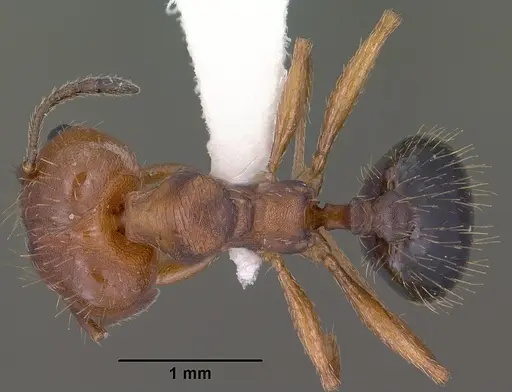
CASENT0104446
View on AntWeb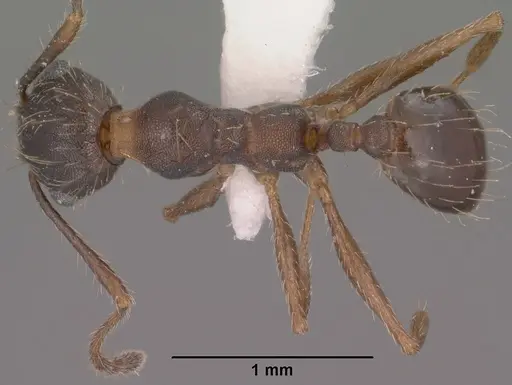
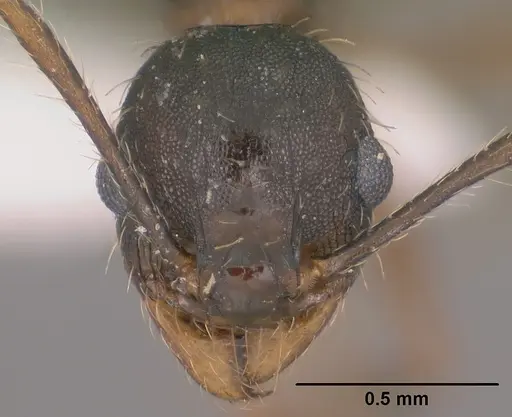
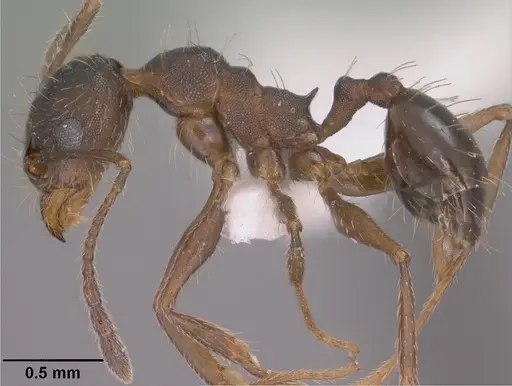
CASENT0901553
View on AntWeb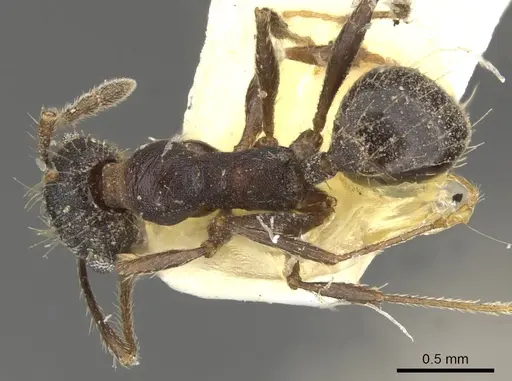
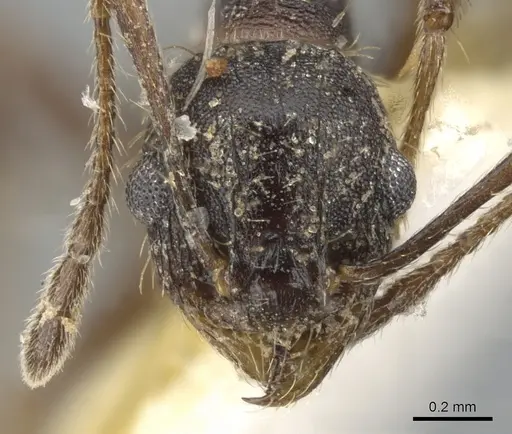
CASENT0901554
View on AntWeb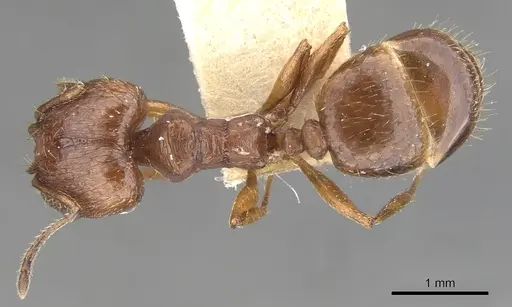
FMNHINS0000062817
View on AntWeb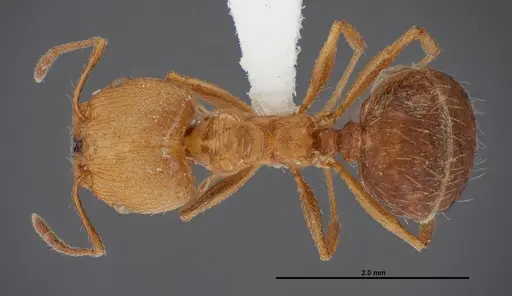
FMNHINS0000062818
View on AntWeb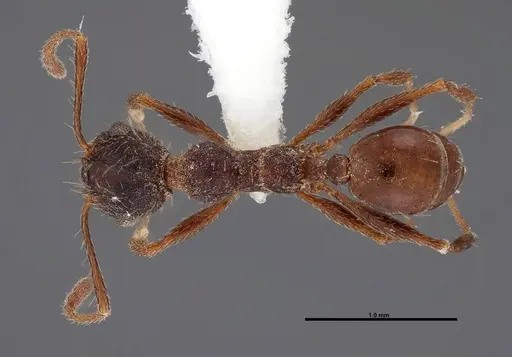
Literature
Loading...Loading products...