

Pheidole schoutedeni
- Scientific Name
- Pheidole schoutedeni
- Tribe
- Attini
- Subfamily
- Myrmicinae
- Author
- Forel, 1913
- Distribution
- Found in 1 countries
Pheidole schoutedeni Overview
Pheidole schoutedeni is an ant species of the genus Pheidole. It is primarily documented in 1 countries , including Zambia. Detailed taxonomic data and occurrence records can be further explored via authoritative databases such as AntWeb or the Global Biodiversity Information Facility (GBIF).
Pheidole schoutedeni
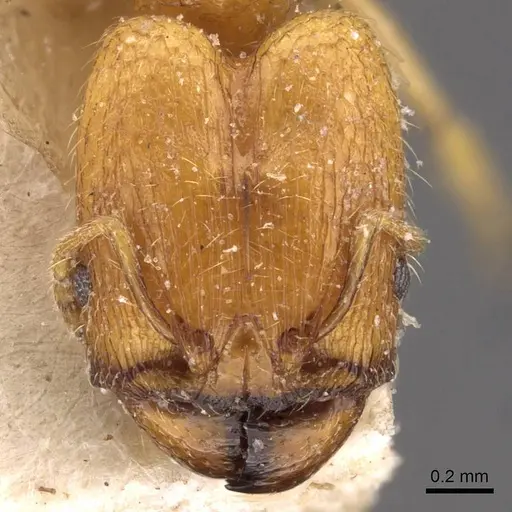
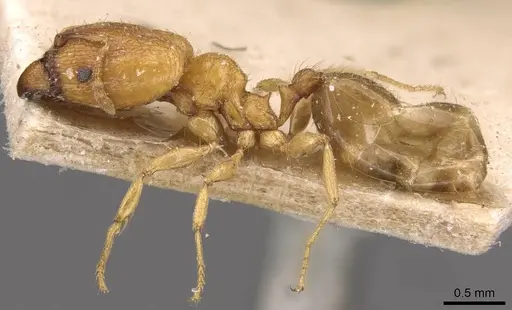
Pheidole schoutedeni is a small ant species native to the Democratic Republic of Congo, specifically recorded from Haut-Katanga province in the southeastern region [1]. Like all Pheidole species, they have two distinct worker castes: large major workers (sometimes called soldiers) with enlarged heads for seed-crushing, and smaller minor workers that handle most foraging and brood care. The genus Pheidole is known for its granivorous diet, these ants specialize in collecting and processing seeds, though they also supplement their diet with small insects and protein sources. This combination of interesting caste system and practical diet makes them an engaging species for antkeepers who want to observe natural seed-harvesting behavior.
Quick Summary
- Difficulty: Easy
- Origin & Habitat: Democratic Republic of Congo, specifically Haut-Katanga province in the southeastern region [1]. This area has a subtropical climate with warm temperatures year-round.
- Colony Type: Likely monogyne (single queen colonies) based on typical Pheidole genus patterns. Pheidole colonies typically have one founding queen that establishes the colony alone.
- Colony: Monogyne
- Founding: Claustral
- Size & Growth:
- Queen: Estimated 5-7mm based on typical Pheidole queen size range
- Worker: Minor workers: 2-3mm, Major workers: 3-5mm, typical for the genus
- Colony: Likely several hundred workers based on typical Pheidole colony development
- Growth: Moderate, Pheidole colonies grow steadily but not rapidly
- Development: Estimated 6-8 weeks at warm temperatures based on typical Pheidole development (Development time depends on temperature, warmer conditions (24-28°C) speed up development while cooler temperatures slow it down)
- Antkeeping:
- Temperature: Keep at 24-28°C for optimal growth. A heating cable on one side of the nest creates a temperature gradient that allows ants to self-regulate. Room temperature in most homes (20-24°C) is acceptable but will slow development slightly.
- Humidity: Moderate humidity around 50-70%. Keep the nest substrate slightly moist but allow some drying between waterings. These ants tolerate drier conditions better than many tropical species.
- Diapause: Likely minimal or no true diapause, DRC has warm year-round temperatures. However, colony activity may slow during cooler months.
- Nesting: Y-tong (acrylic) nests work well for Pheidole. The chambers should be appropriately scaled to their small size. Test tube setups are suitable for founding colonies. Naturalistic setups with sand/soil mixtures allow for natural seed-harvesting behavior.
- Behavior: Generally peaceful and non-aggressive. Major workers use their enlarged heads to crack seeds, while minor workers do most of the foraging and brood care. They are not known for stinging and pose no danger to keepers. They are moderate escape artists, their small size means they can slip through small gaps, so use tight-fitting lids and barrier gel if needed. Foraging activity is primarily during the day.
- Common Issues: colonies can stall if temperatures drop too low, keep warm for consistent growth, major workers may take time to appear, this is normal, Pheidole majors develop later than minors, overfeeding can lead to mold in the nest, remove uneaten food promptly, test tube setups can flood if water reservoirs are overfilled, use appropriate water volume, escape prevention is important due to their small size, check for gaps regularly
Housing and Nest Setup
For founding colonies, a simple test tube setup works well. Fill the tube about one-third with water, push a cotton ball to create a water reservoir, then add a second cotton ball to create a dry chamber for the queen. Cover the tube with a dark cloth for the first few weeks to reduce stress. Once the colony reaches 20-30 workers, you can move them to a Y-tong (acrylic) nest or a naturalistic formicarium. For Y-tong nests, choose one with chambers appropriately sized for their small body size, too large chambers can make them feel exposed and stressed. A small outworld connected to the nest allows for foraging and feeding. Ensure all connections are secure since these tiny ants can squeeze through surprisingly small gaps.
Feeding and Diet
Pheidole schoutedeni is primarily granivorous, meaning they collect and eat seeds. Offer a variety of small seeds like sesame, chia, millet, or commercial ant seed mixes. Crush larger seeds slightly to make them easier to process, the major workers will use their enlarged heads to crack seeds open. In addition to seeds, provide protein sources like small insects (fruit flies, small mealworms, cricket pieces) twice weekly. Sugar water or honey can be offered occasionally, though seeds should form the bulk of their diet. Remove uneaten food within 24-48 hours to prevent mold growth in the nest.
Temperature and Heating
These ants come from the tropical DRC region, so they prefer warm conditions. Keep the nest area at 24-28°C for optimal brood development and colony growth. A heating cable placed on top of the nest (never underneath where it can dry out the substrate) creates a gentle warmth. Alternatively, if your room temperature stays above 22°C, no additional heating may be needed. Monitor colony behavior, if workers cluster together in one area, they may be seeking warmth. If they avoid the heated side, reduce heating. Temperature affects development time significantly: warmer conditions speed up egg-to-worker development while cooler temperatures can stall growth entirely.
Colony Development and Growth
Pheidole colonies are known for their distinct worker castes. The queen lays eggs that hatch into larvae, which then pupate and emerge as first-generation workers called nanitics. These initial workers are typically smaller minor workers that begin foraging and caring for the next brood. Major workers (soldiers) develop later in the colony's life cycle, often appearing once the colony reaches 50+ workers. The appearance of majors is a sign of a healthy, established colony. Growth rate is moderate, expect the first workers (nanitics) around 6-8 weeks after founding, with the colony reaching 100 workers within 6-12 months under optimal conditions. Patience is key with Pheidole, they build steadily rather than explosively.
Behavior and Observation
One of the most interesting aspects of keeping Pheidole is observing the division of labor between worker castes. Minor workers handle most tasks: foraging for seeds and insects, caring for brood, and maintaining the nest. Major workers specialize in seed processing, their large heads contain powerful muscles for cracking hard seed shells. You may also see majors defending the colony or helping with larger food items. The colony will establish clear foraging trails once established, and you'll see workers carrying seeds back to the nest for processing. They are primarily diurnal (day-active) but can show some nocturnal foraging. Their peaceful nature makes them ideal for observation, they won't bite or sting, and they quickly habituate to the presence of a quiet keeper.
Frequently Asked Questions
How long does it take for Pheidole schoutedeni to have first workers?
First workers (nanitics) typically appear 6-8 weeks after the queen lays eggs, assuming temperatures are kept at 24-28°C. Cooler temperatures can extend this to 10-12 weeks or longer. The queen will remain in her chamber tending to the first brood until the workers emerge.
What do I feed Pheidole schoutedeni?
Their diet should be primarily seeds, sesame, chia, millet, or commercial ant seed mixes work well. Crush larger seeds slightly to help the major workers process them. Supplement with protein sources like small insects (fruit flies, mealworms) twice weekly. Occasional sugar water or honey is also accepted.
Can I keep multiple queens together?
Not recommended. While Pheidole can be monogyne (single queen), combining unrelated foundress queens has not been studied for this specific species and typically leads to fighting. It's best to start with one queen per colony.
What temperature do they need?
Keep the nest at 24-28°C for optimal development. A heating cable on top of the nest can provide warmth if needed. Room temperature (20-24°C) is acceptable but will slow colony growth. Avoid temperatures below 18°C for extended periods.
When should I move them to a formicarium?
Move from test tube to a larger nest once the colony reaches 20-30 workers. This is typically around 6-12 months after founding. A Y-tong or naturalistic setup with appropriate chamber sizes works well. Make sure the new nest has proper humidity control and escape prevention.
How big do colonies get?
Based on typical Pheidole patterns, colonies can reach several hundred workers over several years. The appearance of major workers (soldiers) usually begins once the colony exceeds 50 workers and indicates a healthy, established colony.
Do they need hibernation?
Probably not. Being from the tropical DRC, they don't experience true cold winters. However, slight reduction in temperature during winter months (if your home cools down) may cause temporary slowdowns in activity, which is natural. No artificial hibernation is required.
Why aren't my major workers appearing?
Major workers typically appear later in colony development, often once the colony reaches 50+ workers. If your colony is still young (under 100 workers), this is normal, be patient. Major development requires significant resources. Ensure the colony is well-fed with protein to support the development of the larger major caste.
Are Pheidole schoutedeni good for beginners?
Yes, they are considered a good species for beginners. They are peaceful, don't sting, and have straightforward care requirements. Their seed-based diet is easy to provide, and their moderate growth rate allows new keepers to learn colony development stages without the rapid growth that can overwhelm beginners.
References

This caresheet is licensed under CC BY-SA 4.0 .
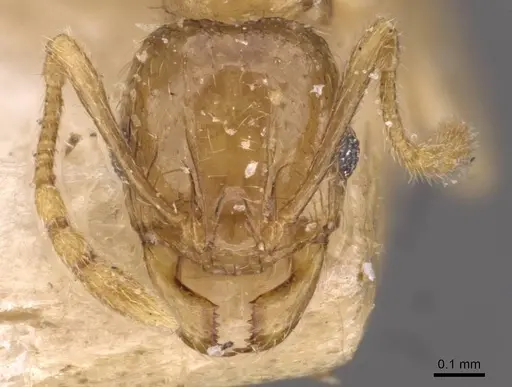
CASENT0907849
View on AntWeb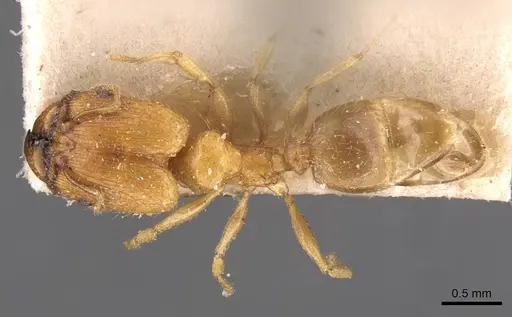
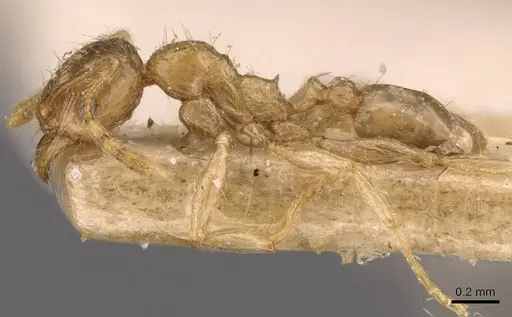
CASENT0907850
View on AntWeb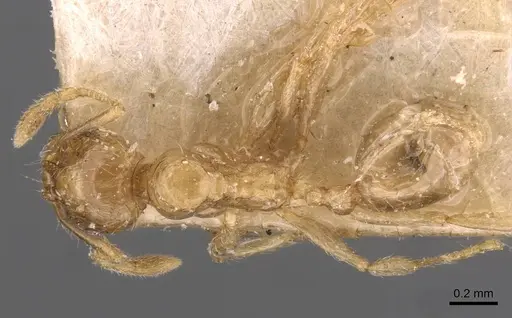
Literature
Loading...Loading products...