

Pheidole scabrata
- Scientific Name
- Pheidole scabrata
- Tribe
- Attini
- Subfamily
- Myrmicinae
- Author
- Forel, 1895
- Distribution
- Found in 1 countries
Pheidole scabrata Overview
Pheidole scabrata is an ant species of the genus Pheidole. It is primarily documented in 1 countries , including Madagascar. Detailed taxonomic data and occurrence records can be further explored via authoritative databases such as AntWeb or the Global Biodiversity Information Facility (GBIF).
Pheidole scabrata
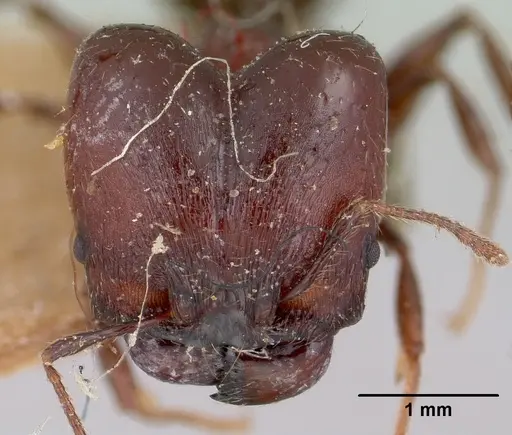
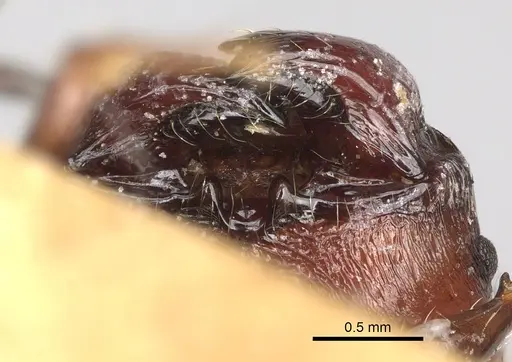
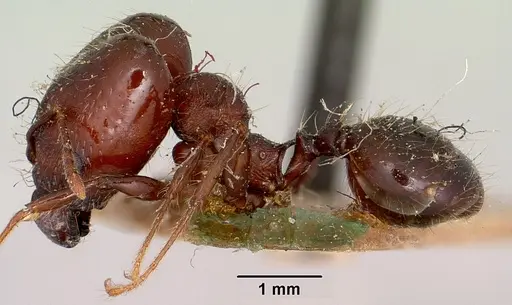
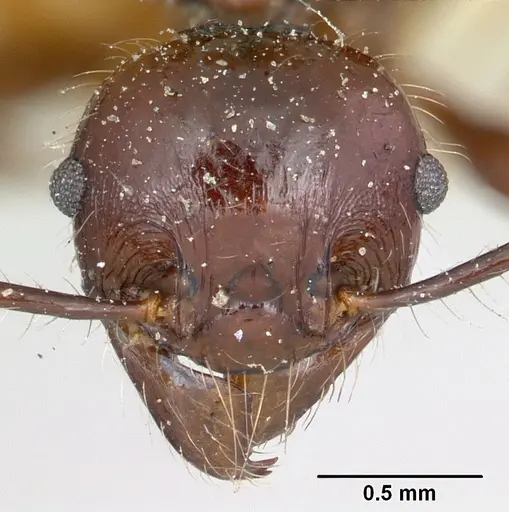
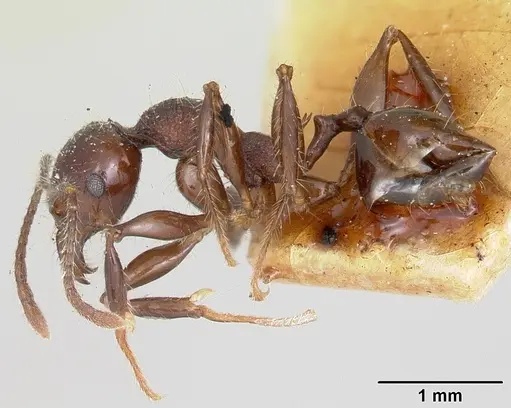
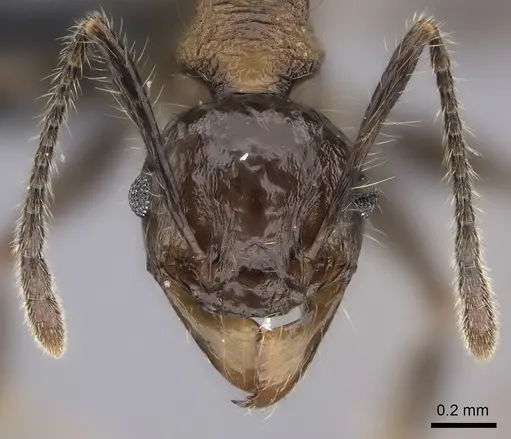
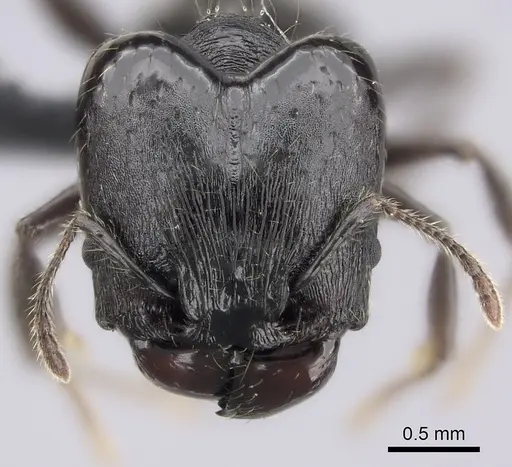
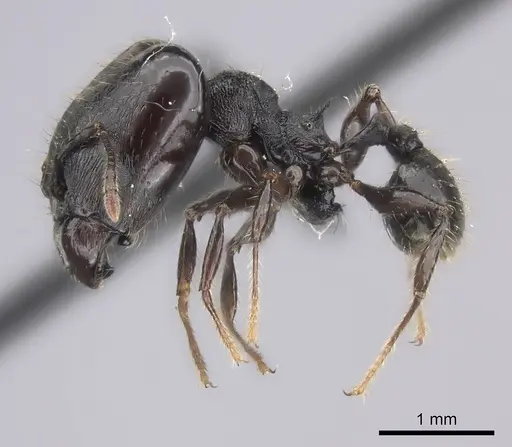
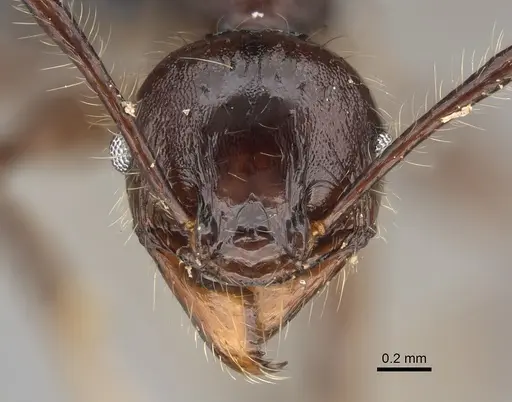
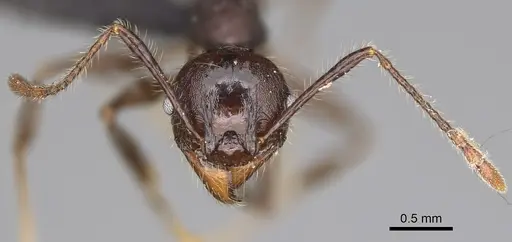
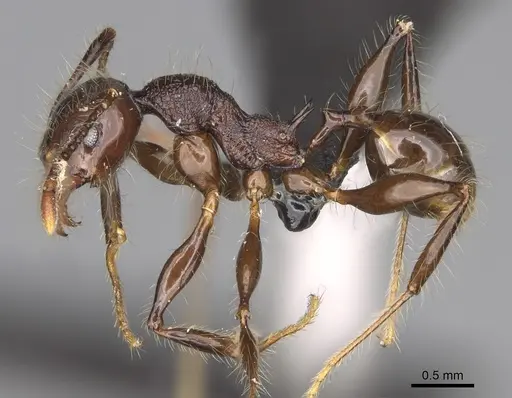
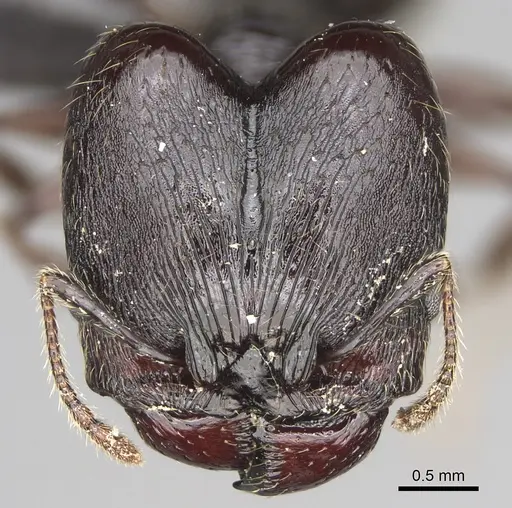
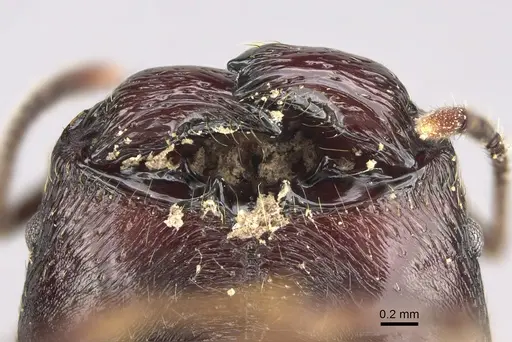
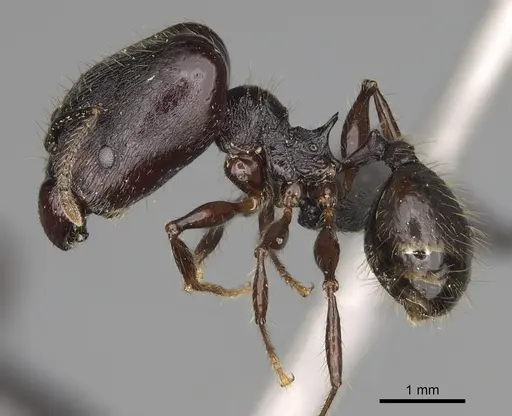
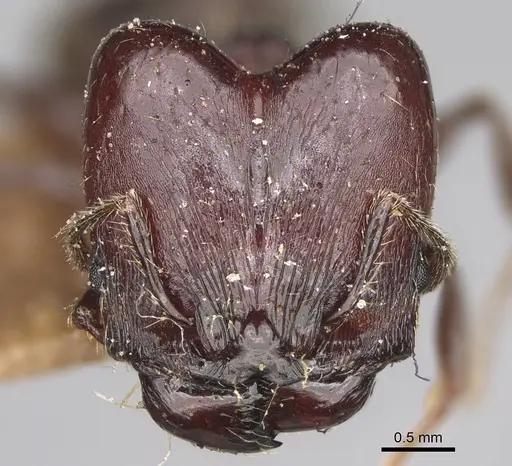
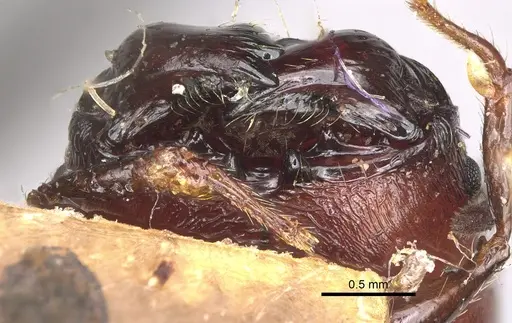
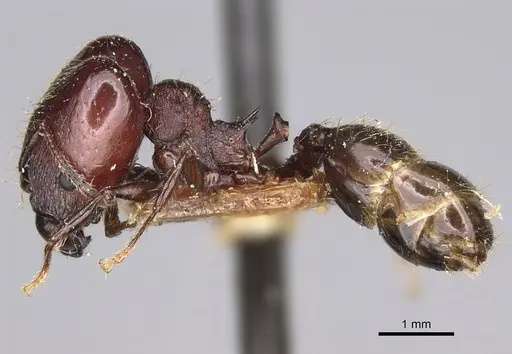
Pheidole scabrata is a large big-headed ant species endemic to Madagascar. These ants belong to the Pheidole longispinosa species group and are easily recognized by their distinct worker caste system, major workers have large, trapezoidal heads with sparse long hairs, while minor workers are much smaller with elongated scapes. The body coloration ranges from brown to dark brown, and both castes feature notably long propodeal spines. This species nests in rotten logs and decaying sticks on the ground at elevations between 825-1220 meters in Madagascar's montane and tropical forests [1]. The species was elevated from subspecies to full species status in 2020 [1].
Quick Summary
- Difficulty: Medium
- Origin & Habitat: Endemic to Madagascar, found in montane rainforest, rainforest, transitional humid forest, and tropical dry forest at elevations of 825-1220 meters [1]. Nests are located in rotten logs and rotten sticks on the ground.
- Colony Type: Colony structure is not well documented. Based on typical Pheidole patterns, likely single-queen (monogyne) colonies with major and minor worker castes.
- Colony: Monogyne
- Founding: Claustral
- Size & Growth:
- Queen: Not documented in available literature, estimates based on genus patterns suggest around 6-8mm
- Worker: Major workers: 2.30-2.58mm head width,2.44-2.72mm head length. Minor workers: 0.90-1.06mm head width,0.93-1.06mm head length [1]
- Colony: Not documented, typical Pheidole colonies can reach several thousand workers
- Growth: Moderate, based on typical Pheidole development patterns
- Development: Estimated 6-8 weeks based on typical Pheidole genus development at optimal temperature (Development time inferred from genus-level data, specific measurements for this species are unavailable)
- Antkeeping:
- Temperature: Keep at 20-24°C. Based on their montane forest habitat at 825-1220m elevation, they prefer cooler conditions than many tropical ants, avoid overheating [1]
- Humidity: High humidity preferred (60-80%). Their natural habitat includes montane and transitional humid forests. Keep nest substrate consistently moist but not waterlogged.
- Diapause: Not confirmed, being from tropical Madagascar, they likely do not require true hibernation. May have seasonal slowdowns during cooler months.
- Nesting: Provide wood-based nesting material, rotten logs, cork, or Y-tong/plaster nests with wood inclusions. They naturally nest in decaying wood and sticks on the forest floor [1].
- Behavior: Pheidole scabrata has the typical Pheidole colony structure with distinct major and minor workers. Major workers serve as defenders and seed processors with their large heads, while minors handle most foraging and brood care. They are not particularly aggressive but will defend the nest vigorously. Minor workers are small (under 1.1mm) so escape prevention using fine mesh is essential. Foraging activity is typically moderate. They likely forage for seeds, insects, and honeydew like other Pheidole species.
- Common Issues: escape prevention is critical due to small minor workers that can squeeze through standard barriers, colonies may be slow to establish, patience needed during founding phase, high humidity requirements can lead to mold issues if ventilation is poor, wild-caught colonies may carry parasites that cause colony collapse, overheating is a risk given their montane origin, keep away from direct heat sources
Housing and Nest Setup
Pheidole scabrata does well in nests that mimic their natural habitat in decaying wood. A Y-tong (acrylic) nest with cork or wood inclusions works well, as does a plaster nest with a wood chamber. Test tube setups can work for founding colonies but may need upgrading as the colony grows. Because minor workers are very small (under 1.1mm), use fine mesh barriers and ensure all connections are tight, these ants are expert escape artists. Provide an outworld with easy access to the nest for foraging. Add some decorative elements like small stones or fake foliage to give the colony enrichment. [1]
Feeding and Diet
Like other Pheidole species, P. scabrata is omnivorous with a preference for protein. Offer protein sources such as small insects (fruit flies, pinhead crickets, mealworms), and provide a sugar source like honey water or sugar water regularly. Seeds may also be accepted, major workers can process larger seeds with their powerful jaws. Feed every 2-3 days, removing uneaten prey within 24 hours to prevent mold. A constant sugar water supply is recommended, replaced every few days. Observe your colony's preferences and adjust feeding accordingly.
Temperature and Humidity
This species prefers cooler conditions than many Madagascar ants due to their montane forest origin at 825-1220m elevation. Maintain temperatures between 20-24°C, avoid exceeding 26°C as overheating can be fatal. Room temperature is often suitable. For humidity, aim for 60-80%, their natural habitat includes montane and transitional humid forests. Keep the nest substrate consistently moist but not saturated. A water tube attached to the nest provides humidity. Monitor for condensation, some condensation is good but excessive moisture leads to mold. Occasional misting of the outworld can help maintain humidity. [1]
Colony Development
Pheidole colonies develop through distinct worker castes. The queen lays eggs that develop into larvae and then pupae. Once emerged, the first workers (nanitics) are typically smaller than normal workers. As the colony grows, larger major workers will begin appearing, these develop from more heavily fed larvae. Major workers serve as defenders, seed processors, and food transport specialists. A mature colony can contain thousands of workers with a significant proportion being majors. Growth rate is moderate, expect 6-12 months to reach 100 workers from a successful founding, and several years to reach colony maturity. Patience is key during the founding phase when the queen is sealed in her chamber.
Behavior and Defense
Pheidole scabrata exhibits typical Pheidole colony organization. Minor workers handle most tasks outside the nest, foraging, brood care, and nest maintenance. Major workers, with their enlarged heads and powerful mandibles, specialize in defense and processing large food items like seeds. When threatened, majors will rush to defend the nest entrance while minors evacuate brood. The colony typically shows moderate activity levels. Workers are not particularly aggressive toward humans but will defend their nest vigorously. Watch for major workers responding to disturbances, this is normal defensive behavior.
Frequently Asked Questions
How long does it take for Pheidole scabrata to produce first workers?
Expect first workers (nanitics) to emerge around 6-8 weeks after the queen lays eggs, assuming optimal conditions around 22-24°C. This is an estimate based on typical Pheidole genus development, specific timing for this species has not been documented.
What do Pheidole scabrata ants eat?
They are omnivorous. Offer protein sources like small insects (fruit flies, mealworms, small crickets) 2-3 times per week, and provide a constant sugar source like honey water or sugar water. Seeds may also be accepted as major workers can process them.
What temperature should I keep Pheidole scabrata at?
Keep them at 20-24°C. Their montane forest origin means they prefer cooler conditions than typical tropical ants, avoid temperatures above 26°C.
Are Pheidole scabrata good for beginners?
They are rated as medium difficulty. While not the easiest species, their requirements are straightforward once you understand humidity and temperature needs. The main challenges are escape prevention due to their tiny minor workers and the patience required during colony founding.
When should I move my colony to a formicarium?
Keep founding colonies in test tubes until they reach 50-100 workers. At this point, you can move them to a formicarium if desired, but they can also continue in a test tube setup with proper humidity management. Ensure the new setup provides appropriate nesting material (wood/cork based).
Do Pheidole scabrata need hibernation?
True hibernation is not required as they originate from tropical Madagascar. However, they may experience reduced activity during cooler months (winter period). If you notice reduced foraging activity in winter, you can lower temperatures slightly (by 2-3°C) for a few months, but this is optional.
How big do Pheidole scabrata colonies get?
Colony size is not well documented but typical Pheidole colonies reach several thousand workers. A mature colony will have a significant number of major workers alongside minors.
Why are my Pheidole scabrata escaping?
Minor workers are very small (under 1.1mm) and can squeeze through tiny gaps. Use fine mesh (0.5mm or smaller), check all lid seals, and ensure tube connections are tight. Apply fluon to the rim of the outworld as an additional barrier.
Can I keep multiple queens together?
Pheidole scabrata is likely monogyne (single queen per colony). Combining unrelated queens is not recommended as they typically establish exclusive territories. If you acquire a wild colony, it will likely have just one functional queen.
References

This caresheet is licensed under CC BY-SA 4.0 .
CASENT0043383
View on AntWeb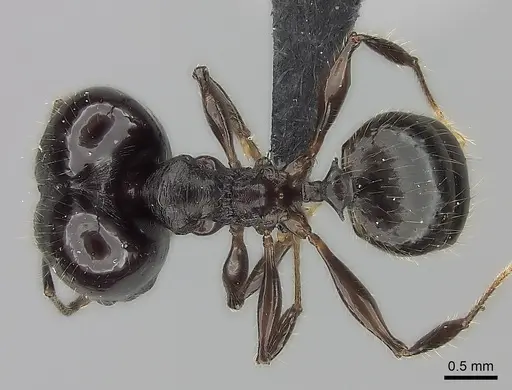
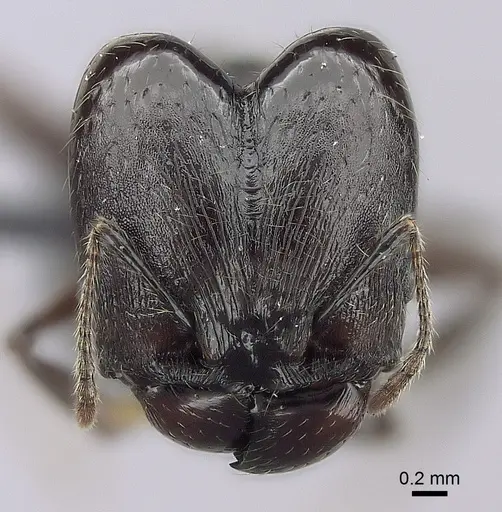
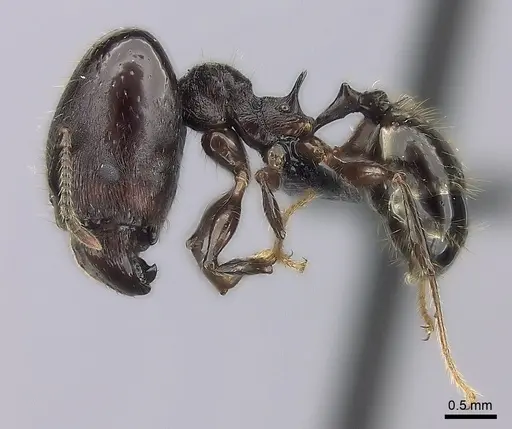
CASENT0101695
View on AntWeb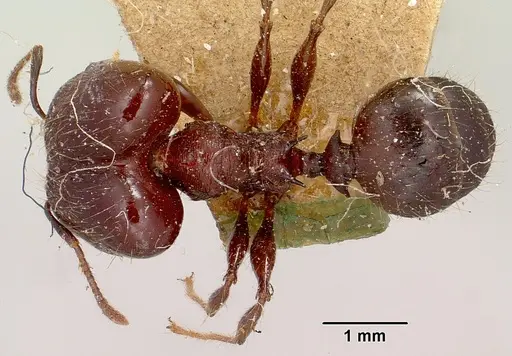
CASENT0101869
View on AntWeb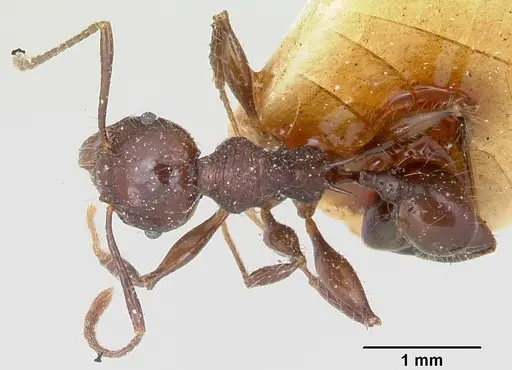
CASENT0135100
View on AntWeb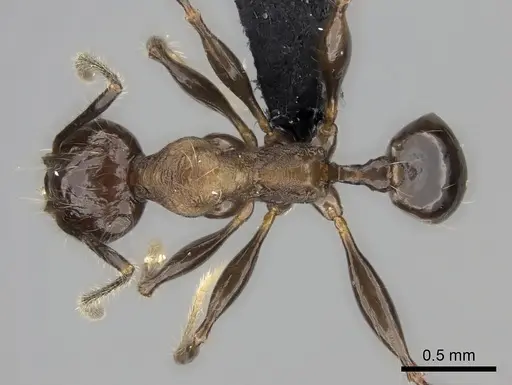
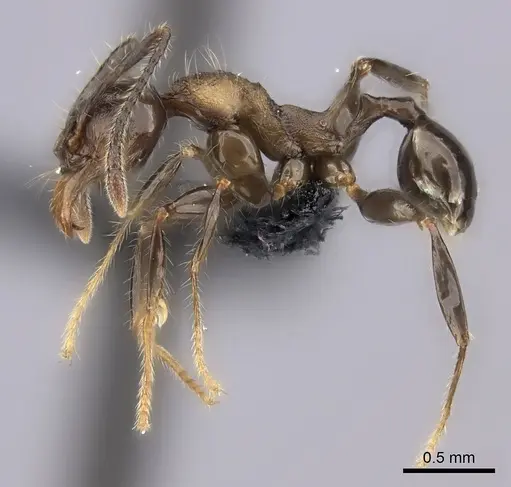
CASENT0198767
View on AntWeb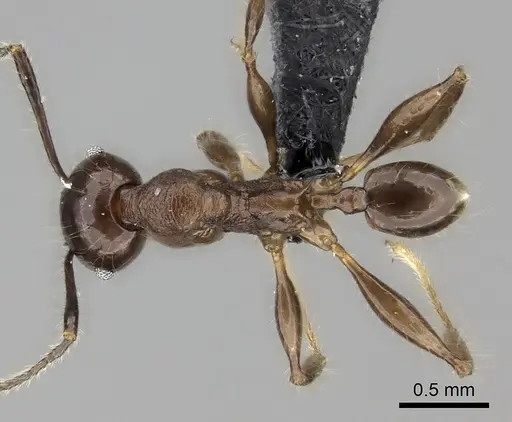
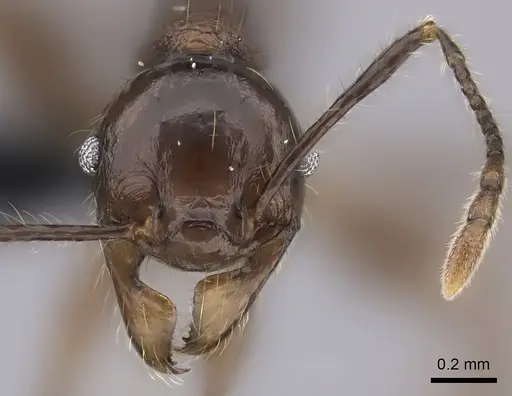
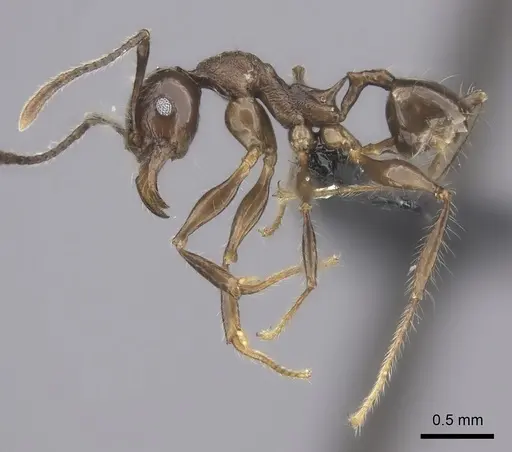
CASENT0235126
View on AntWeb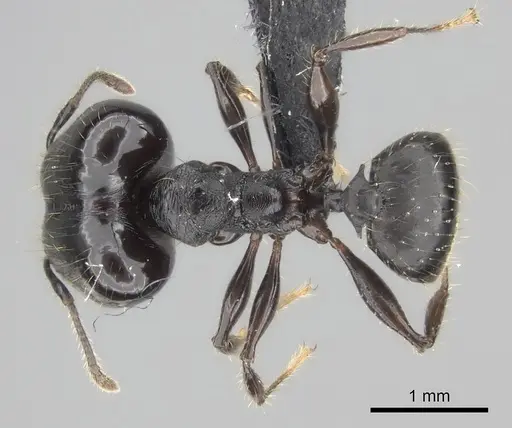
CASENT0496745
View on AntWeb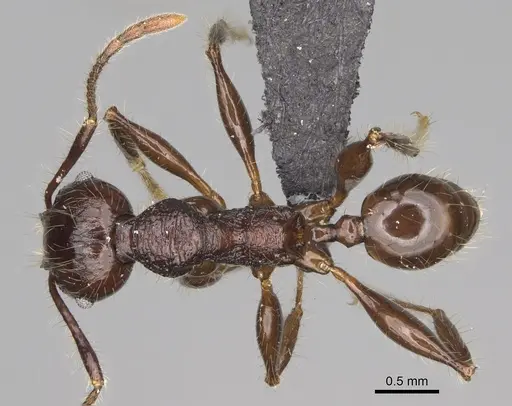
CASENT0496747
View on AntWeb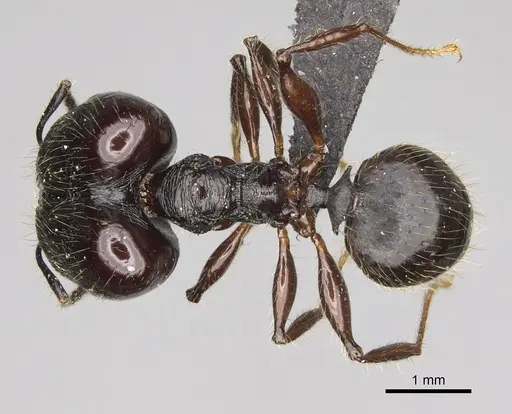
CASENT0923189
View on AntWeb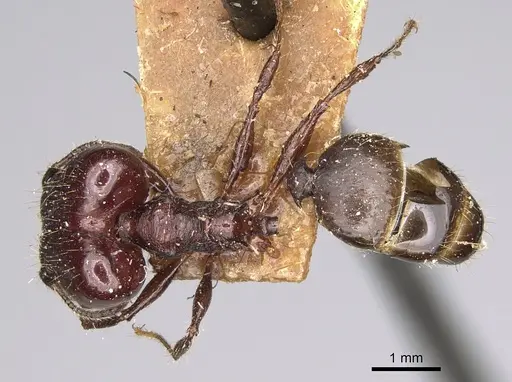
Literature
Loading...Loading products...