

Pheidole sava
- Scientific Name
- Pheidole sava
- Tribe
- Attini
- Subfamily
- Myrmicinae
- Author
- Salata & Fisher, 2020
- Distribution
- Found in 1 countries
Pheidole sava Overview
Pheidole sava is an ant species of the genus Pheidole. It is primarily documented in 1 countries , including Madagascar. Detailed taxonomic data and occurrence records can be further explored via authoritative databases such as AntWeb or the Global Biodiversity Information Facility (GBIF).
Pheidole sava
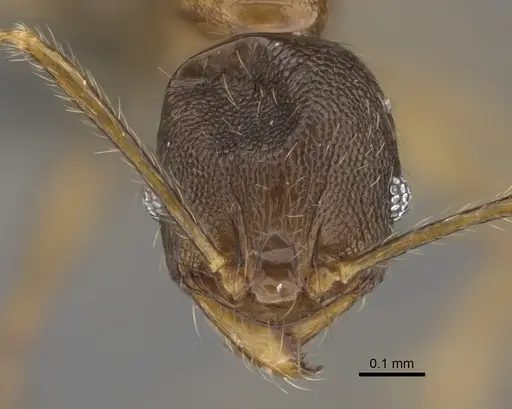
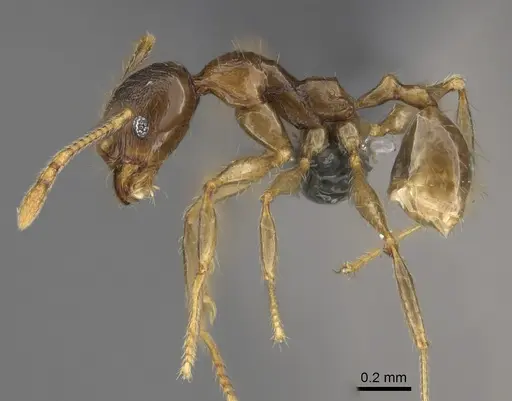
Pheidole sava is a small to moderately large ant species from the sikorae species group, native to Madagascar. Major workers measure 1.14-1.24mm in head length and have a brownish-orange coloration, while minor workers are smaller at 0.58-0.61mm and appear yellowish brown. This species was discovered in the Parc National de Marojejy in the Sava Region of Antsiranana, Madagascar, living at 1350m elevation in montane rainforest. Nests are found in rotten logs and root mat, indicating they prefer damp, decaying wood environments. The species was formally described in 2020 by Salata and Fisher, making it a relatively newly documented ant species in the hobby.
Quick Summary
- Difficulty: Medium
- Origin & Habitat: Montane rainforest in Madagascar at 1350m elevation, specifically in Parc National de Marojejy. Nests located in rotten logs and root mat [1].
- Colony Type: Single-queen colonies (monogyne), this is typical for the Pheidole genus, though specific colony structure for P. sava has not been documented
- Colony: Monogyne
- Founding: Claustral
- Size & Growth:
- Queen: Not documented, estimated 5-7mm based on genus patterns
- Worker: Major: 1.14-1.24mm head length, Minor: 0.58-0.61mm head length [1]
- Colony: Unknown, likely reaches several hundred workers based on typical Pheidole colony development
- Growth: Moderate, based on genus patterns
- Development: 6-10 weeks estimated based on related Pheidole species (Development timeline not specifically studied for this species, estimates based on genus-level data)
- Antkeeping:
- Temperature: Keep at 20-24°C. The montane rainforest habitat at 1350m elevation suggests they prefer cooler conditions than typical lowland tropical ants. A gentle gradient allowing workers to choose their preferred temperature is ideal.
- Humidity: High humidity required, aim for 70-85%. Their natural habitat in montane rainforest is consistently damp. Keep nest substrate moist but not waterlogged, and provide a water tube for drinking access.
- Diapause: Unconfirmed, Madagascar species may not require true hibernation, but a slight cool period during winter months may be beneficial
- Nesting: Prefers nesting in moist, decaying wood materials. In captivity, Y-tong (AAC) nests or plaster nests work well. Keep the nest material consistently damp. Test tubes can work for founding colonies if provided with a moist cotton ball and kept in a humid setup.
- Behavior: Pheidole sava is a generalist forager typical of the genus. Workers are active and will forage for seeds, small insects, and honeydew. Major workers have the characteristic enlarged heads for seed processing. They are not particularly aggressive but will defend their nest. Escape prevention should be moderate, major workers are small but not among the tiniest ants. They should be fed a varied diet including protein sources and carbohydrates.
- Common Issues: high humidity maintenance can be challenging, monitor for mold in enclosed nests, small colony size initially means colonies are vulnerable to stress during founding, diet balance is important, too much sugar can lead to health issues, too little protein limits growth, wild-caught colonies may carry parasites that can decimate the colony in captivity, overheating is a risk, avoid temperatures above 28°C given their montane origin
Nest Preferences and Housing
Pheidole sava naturally nests in rotten logs and root mat in montane rainforest environments. In captivity, you should replicate this damp, woody habitat. Y-tong (AAC) nests or plaster nests work well because they hold moisture consistently. The nest material should remain damp but never become waterlogged, standing water in the nest can drown the colony. For founding colonies, a test tube setup with a water reservoir works, but you must monitor humidity carefully. Place the nest in a location away from direct sunlight and drafts. The outworld should have a water tube for drinking access, and you can lightly mist the foraging area occasionally to maintain humidity around the nest. [1]
Feeding and Diet
As a Pheidole species, P. sava is a generalist feeder. In the wild, they collect seeds, small insects, and honeydew from aphids. In captivity, offer a varied diet: protein sources like small crickets, mealworms, or fruit flies 2-3 times per week, and sugar sources like honey water or sugar water constantly. Pheidole majors have enlarged heads designed for seed processing, so you can occasionally offer tiny seeds or grain fragments, though these are not necessary. Remove uneaten protein within 24-48 hours to prevent mold. Fresh water should always be available. Monitor your colony's preferences, some colonies are more protein-focused while others readily accept sugars.
Temperature and Seasonal Care
Given their origin in montane rainforest at 1350m elevation, Pheidole sava prefers cooler temperatures than typical tropical ants. Keep the nest area at 20-24°C. Avoid temperatures above 28°C, as this can stress or kill the colony. A heating cable on one side of the nest can create a temperature gradient, allowing workers to regulate their own temperature by moving between warmer and cooler areas. During winter months, a slight reduction to room temperature (around 18-20°C) may be appropriate, but true hibernation is not required for this Madagascar species. Monitor colony activity, if workers become sluggish and cluster together, the temperature may be too low, if they avoid the heated area, reduce heat input. [1]
Colony Founding and Development
Like other Pheidole species, P. sava likely has claustral founding, where the queen seals herself in a small chamber and raises her first workers entirely on stored body fat. The founding chamber should be kept dark and undisturbed. Expect 6-10 weeks from egg to first worker (nanitics), though this is estimated based on genus patterns rather than documented specifically for this species. Nanitic workers will be smaller than normal workers and the colony will grow gradually. Major workers develop as the colony matures, these are the ants with enlarged heads for seed processing. Colony growth is moderate, and it may take 1-2 years to reach several hundred workers under good conditions.
Behavior and Temperament
Pheidole sava workers are active foragers that will readily explore their outworld searching for food. They are not particularly aggressive toward keepers but will defend their nest if threatened. The species shows the typical Pheidole caste system with major and minor workers. Major workers have significantly enlarged heads and can be quite striking. Workers communicate using chemical trails and will recruit nestmates to good food sources. The colony will establish clear foraging patterns and may become more active during feeding times. They are diurnal and typically most active during daylight hours.
Frequently Asked Questions
How long does it take for Pheidole sava to produce first workers?
Based on typical Pheidole development, expect 6-10 weeks from egg to first worker. This is an estimate since specific development data for P. sava has not been documented. The exact timing depends on temperature, warmer conditions within the acceptable range tend to speed development slightly.
What do Pheidole sava ants eat?
They are generalist feeders. Offer protein sources like small crickets, mealworms, or fruit flies 2-3 times per week, and keep sugar water or honey water available constantly. They will also collect tiny seeds and grain fragments, though these are optional.
Can I keep Pheidole sava in a test tube?
Yes, test tubes work well for founding colonies. Keep the water reservoir filled and maintain high humidity around the setup. Use a cotton ball to retain moisture and replace it if it develops mold. Once the colony reaches 50+ workers, consider moving to a Y-tong or plaster nest to accommodate growth.
What temperature is best for Pheidole sava?
Keep them at 20-24°C. They prefer cooler conditions than typical tropical ants due to their montane rainforest origin in Madagascar. Avoid temperatures above 28°C, as this can harm the colony.
Do Pheidole sava ants need hibernation?
True hibernation is not required. As a Madagascar species from montane forest, they may benefit from a slight cool period during winter months (around 18-20°C), but this is optional. They do not enter full diapause like temperate species.
How big do Pheidole sava colonies get?
Colony size is not documented specifically, but based on typical Pheidole development, colonies likely reach several hundred workers over 1-2 years under good conditions. Major workers appear as the colony matures.
Are Pheidole sava good for beginners?
They are moderate difficulty. The main challenges are maintaining high humidity and providing proper nutrition. If you can keep a humid setup stable and provide varied feeding, they are manageable for intermediate antkeepers.
When should I move Pheidole sava to a formicarium?
Move from test tube to a proper nest (Y-tong, plaster, or naturalistic) when the colony reaches 30-50 workers or when you see the test tube becoming crowded. Make sure the new nest is pre-humidified and has appropriate chamber sizes.
Why is my Pheidole sava colony declining?
Common causes include: low humidity (leads to desiccation), poor nutrition (especially lack of protein), temperature stress (too hot or too cold), mold from overwatering, or parasites from wild-caught colonies. Review your humidity levels, feeding schedule, and temperature settings.
References

This caresheet is licensed under CC BY-SA 4.0 .
CASENT0808425
View on AntWeb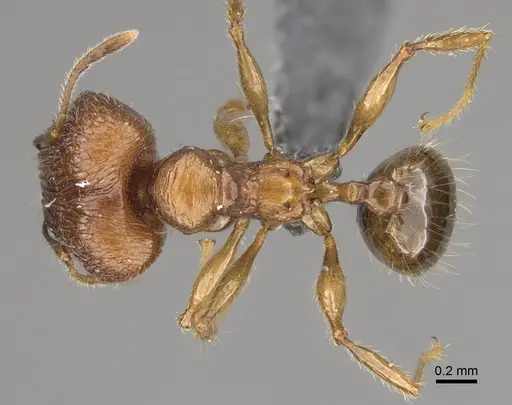
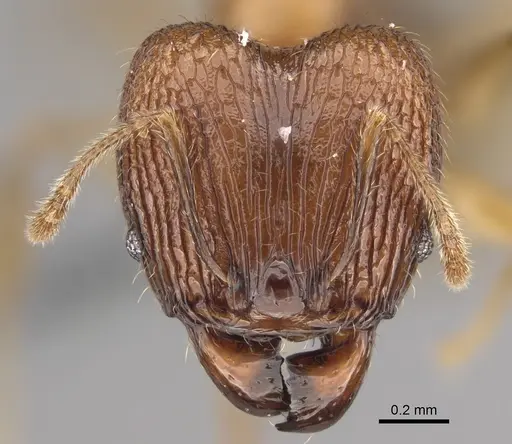
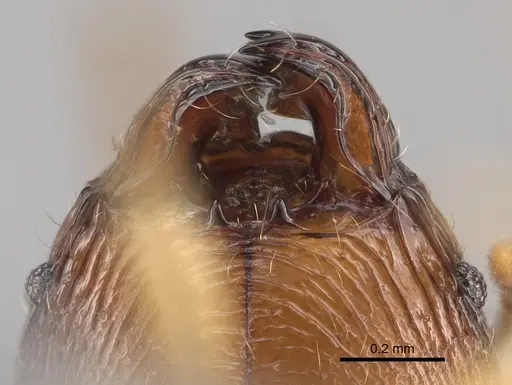
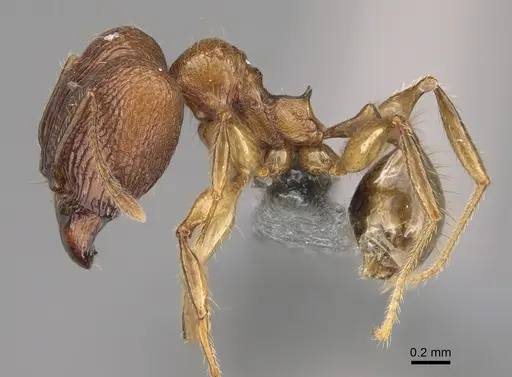
CASENT0923296
View on AntWeb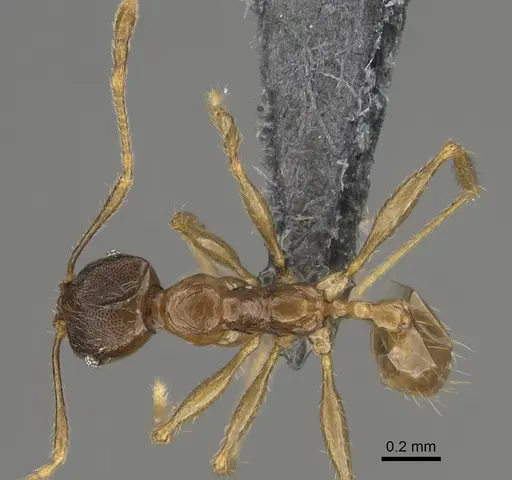
Literature
Loading...Loading products...