

Pheidole sabahna
- Scientific Name
- Pheidole sabahna
- Tribe
- Attini
- Subfamily
- Myrmicinae
- Author
- Eguchi, 2000
- Distribution
- Found in 2 countries
Pheidole sabahna Overview
Pheidole sabahna is an ant species of the genus Pheidole. It is primarily documented in 2 countries , including Brunei Darussalam, Malaysia. Detailed taxonomic data and occurrence records can be further explored via authoritative databases such as AntWeb or the Global Biodiversity Information Facility (GBIF).
Pheidole sabahna
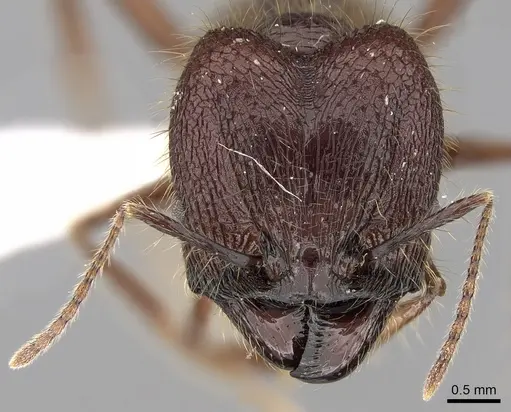
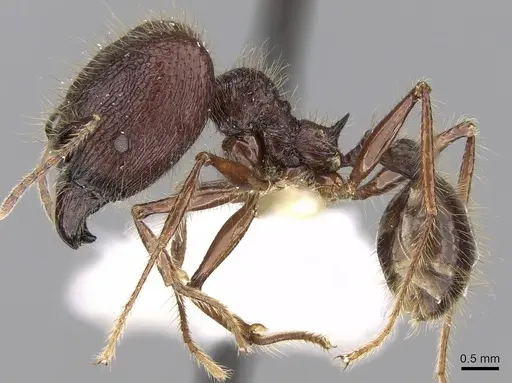
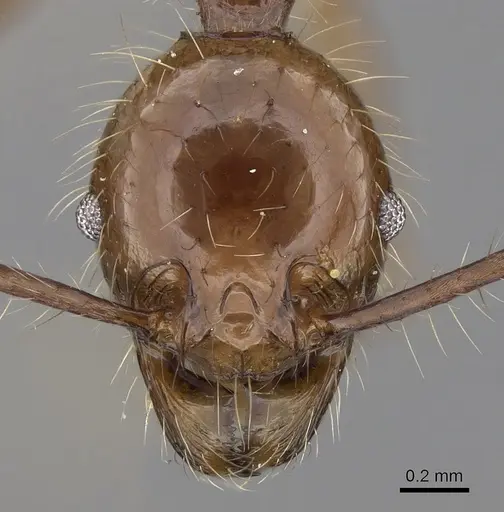
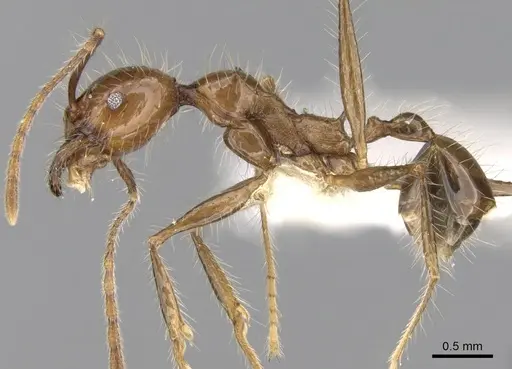
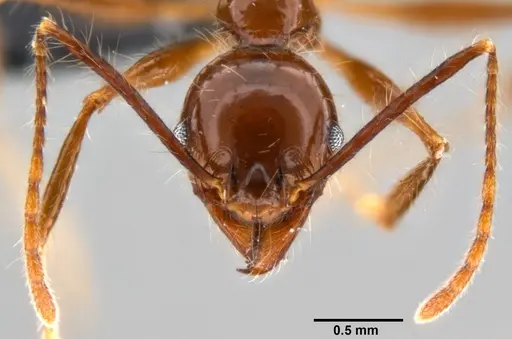
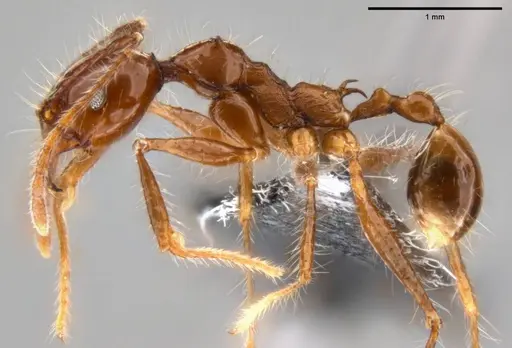
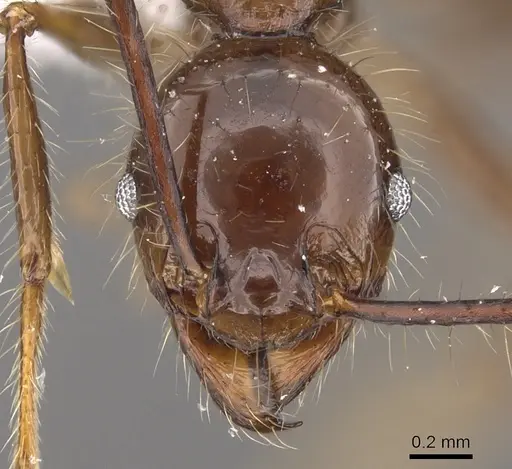
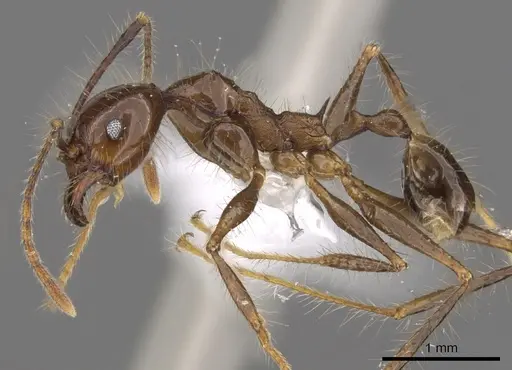
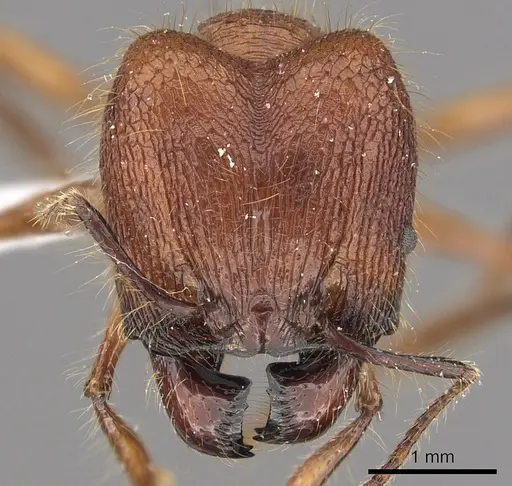
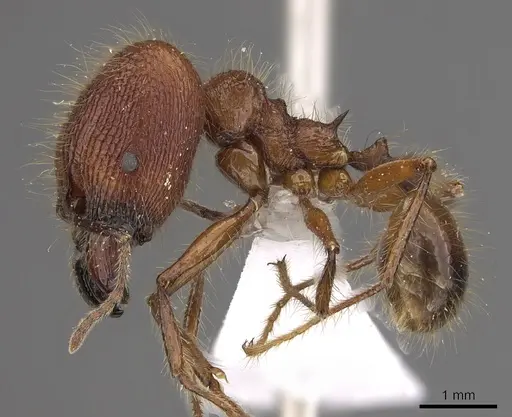
Pheidole sabahna is a Borneo endemic ant found in the lowland and hill forests of Sabah and Brunei [1][2]. Workers come in two distinct sizes: large majors measuring 5.5-5.9 mm with characteristically massive heads, and smaller minors at 3.5-3.7 mm [2]. Both castes possess a distinctive 5-segmented antennal club that helps distinguish them from similar species like Pheidole quinata [2]. In their natural habitat, they nest in soil, particularly in disturbed areas such as logging fronts near Ranau [2].
This species inhabits well-developed tropical forests where they forage as generalist predators [3]. While specific details of their colony founding remain unstudied, they likely follow the typical Pheidole pattern of single-queen colonies. Their small minor workers and soil-dwelling habits make them a challenging but interesting species for keepers who can provide stable tropical conditions.
Quick Summary
- Difficulty: Medium
- Origin & Habitat: Borneo endemic, lowland dipterocarp and hill forests of Sabah and Brunei [1][2]
- Colony Type: Likely single-queen (monogyne) based on typical Pheidole patterns, unconfirmed for this species specifically
- Colony: Monogyne
- Size & Growth:
- Queen: Unknown, not documented in available research
- Worker: Majors: 5.5-5.9 mm, Minors: 3.5-3.7 mm [2]
- Colony: Unknown, likely several hundred to few thousand workers based on related Bornean Pheidole
- Growth: Unknown
- Development: Unknown, likely 6-10 weeks at 25-28°C based on tropical Pheidole patterns (This is an estimate, actual timing is unstudied for this species)
- Antkeeping:
- Temperature: 24-28°C stable, inferred from tropical Bornean habitat [1]
- Humidity: High, keep nest substrate damp but not waterlogged, similar to forest floor conditions
- Diapause: No, this is a tropical species from equatorial Borneo that remains active year-round [1]
- Nesting: Soil in nature, use secure enclosed nests with fine substrate in captivity
- Behavior: Typical Pheidole defense with major workers using their large mandibles. Minors are small (3.5 mm) and can escape easily. They are generalist foragers and not aggressive toward humans.
- Common Issues: minors are only 3.5 mm and can escape through the tiniest gaps in lids or mesh., tropical species require consistent warmth, temperatures below 20°C can kill the colony., high humidity needs increase mold risk without adequate ventilation., wild-caught colonies from logging areas may carry parasitic mites.
Natural History and Distribution
Pheidole sabahna is found only on Borneo, specifically in the Malaysian state of Sabah and in Brunei Darussalam [1][2]. They inhabit well-developed lowland and hill forests, particularly dipterocarp forests [1]. Specimens have been collected in pitfall traps and directly from soil nests at logging fronts near Ranau, Sabah [2]. One paratype specimen was collected in Sabah in 1998 [4]. This restricted range makes them a specialty species for keepers interested in Bornean fauna.
Nest Preferences
In nature, Pheidole sabahna nests in soil, particularly in disturbed areas like logging fronts [2]. They do not appear to be specialized wood-nesters. In captivity, provide a secure enclosed nest with fine substrate such as sand or loam mixed with coco fiber. The nest should maintain high humidity while allowing for some drainage. Avoid tall open spaces where the small minor workers might get lost or trapped.
Feeding and Diet
Stable isotope analysis places Pheidole sabahna at a higher trophic level (δ15Ncor=6.62), indicating they are generalist predators and scavengers rather than relying heavily on plant-based sugars [3]. In captivity, feed small live prey such as fruit flies, springtails, or tiny cricket nymphs. Also offer sugar water or honey as a carbohydrate source, though protein should form the bulk of their diet based on their predatory ecology.
Temperature and Care
As a tropical species from equatorial Borneo, Pheidole sabahna requires warm stable temperatures year-round [1]. Keep the nest area at 24-28°C with minimal fluctuation. Use a heating cable or mat on one side of the nest to create a gentle gradient, but place it on top or the side rather than underneath to prevent waterlogging the substrate. They do not require hibernation and should remain active throughout the year.
Behavior and Temperament
Pheidole sabahna displays the typical dimorphic worker system of the genus: large-headed majors act as soldiers for colony defense and food processing, while smaller minors handle most foraging and brood care [2]. The minors are only 3.5 mm long, making escape prevention critical. They are not known to be aggressive toward humans, and while they possess a stinger, it is too small to penetrate human skin.
Frequently Asked Questions
Can I keep Pheidole sabahna in a test tube?
Yes. Use standard test tube setups with a water reservoir blocked by cotton. Keep the tube in a warm stable location around 25-28°C. Move them to a small formicarium once the colony reaches 20-30 workers.
How long until Pheidole sabahna first workers arrive?
The exact timeline is unconfirmed for this species. Based on typical development in tropical Pheidole species, expect roughly 6-10 weeks at 25-28°C, but this is an estimate.
Do Pheidole sabahna need hibernation?
No. They are a tropical species from equatorial Borneo and remain active year-round. Do not cool them below 20°C.
Can I keep multiple Pheidole sabahna queens together?
Not recommended. While unconfirmed for this specific species, most Pheidole are monogyne (single-queen) and unrelated queens will likely fight to the death.
What do Pheidole sabahna eat?
They are generalist predators. Feed small live insects like fruit flies, springtails, or tiny cricket nymphs. Also offer sugar water, though protein appears to be more important for this species based on isotope data.
How big do Pheidole sabahna colonies get?
Maximum colony size is unknown. Related Bornean forest Pheidole species typically reach several hundred to a few thousand workers.
Where should I place the heating cable for Pheidole sabahna?
Place the heating element on top or the side of the nest, not underneath. This prevents overheating and avoids driving moisture upward which can flood chambers or cause excessive condensation.
References

This caresheet is licensed under CC BY-SA 4.0 .
CASENT0281651
View on AntWeb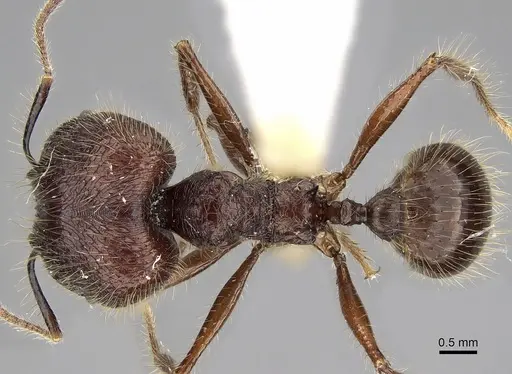
CASENT0281652
View on AntWeb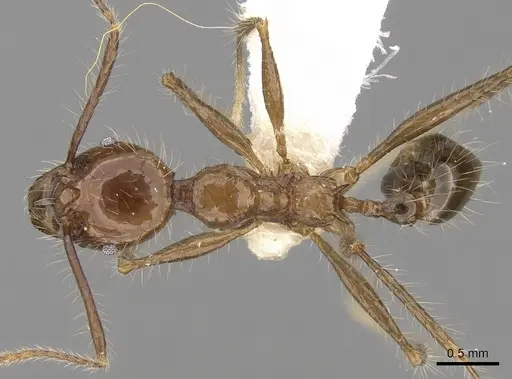
CASENT0282602
View on AntWeb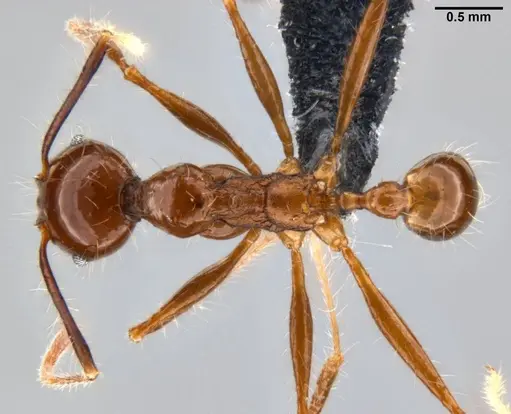
CASENT0901642
View on AntWeb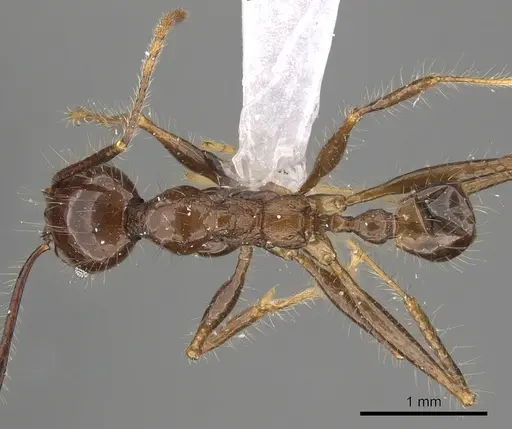
CASENT0901643
View on AntWeb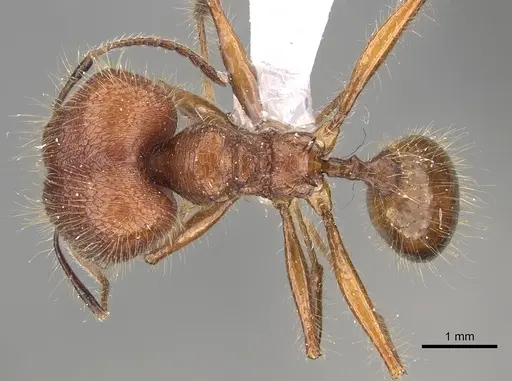
Literature
Loading...Loading products...